


Key Takeaways
- A highly resilient waterborne parasite is causing a significant spike in severe gastrointestinal infections across multiple states, overwhelming local clinics.
- Standard pool chlorination methods are entirely ineffective against this pathogen's protective outer shell, requiring specialized filtration and hyperchlorination protocols.
- Public health departments are issuing urgent advisories to recreational swim facilities, public parks, and splash pads to implement enhanced sanitation measures immediately.
- Symptoms can persist for several weeks, leading to severe dehydration, significant weight loss, and dangerous complications for vulnerable demographic groups.
- Contaminated recreational water remains the primary vector of transmission, though secondary person-to-person spread is increasingly being reported in childcare settings.
- Epidemiologists warn that the true number of cases is likely vastly underreported due to limited diagnostic testing and self-treating individuals.
Background
The sudden and aggressive surge of waterborne parasitic infections has caught public health departments off guard, revealing significant vulnerabilities in municipal water safety monitoring. This microscopic organism, known for its extreme resilience, thrives in aquatic environments and can survive for days in properly treated swimming pools. The current outbreak has expanded beyond isolated incidents, turning into a multi-state public health challenge that demands immediate, coordinated intervention from environmental health officers and local governments.
Historically, these parasitic outbreaks peak during the warmest months of the year when public pools, water parks, and natural lakes experience maximum attendance. However, unseasonably warm weather has accelerated the transmission cycle, leading to an unusually early spike in documented cases. Epidemiologists are working backward to trace the initial contamination sources, but the highly transient nature of recreational water users makes pinpointing patient zero an incredibly complex task.
Compounding the issue is the general lack of public awareness regarding the limitations of standard pool chemicals. Most pool visitors mistakenly assume that the distinct smell of chlorine guarantees a sterile environment, unaware that this specific parasite can easily withstand standard chlorine levels for over a week. This false sense of security has directly contributed to the rapid, unchecked spread of the pathogen across diverse community spaces.
Why It Matters
This escalating health crisis cannot be ignored because it poses a direct, severe threat to public infrastructure, local economies, and community well-being. When water parks and public pools are forced to shut down for emergency hyperchlorination, local municipalities lose vital summer revenue and families lose safe spaces for physical activity. The economic ripple effects are felt immediately by seasonal workers and municipal budgets already stretched thin by other public safety demands.
On an individual level, the physical toll of this parasitic infection is exceptionally debilitating, often sidelining healthy adults for weeks and forcing parents to miss work to care for sick children. The profound dehydration associated with the illness frequently leads to emergency room visits, placing an unnecessary and avoidable burden on healthcare systems that are already struggling with staffing shortages. This is not a simple stomach bug; it is a highly disruptive public health hazard.
Furthermore, the long-term implications for vulnerable populations, including the elderly, infants, and immunocompromised individuals, are deeply worrying. For these groups, what begins as a common gastrointestinal issue can rapidly spiral into life-threatening systemic complications, nutritional deficiencies, and prolonged hospitalizations. Protecting these high-risk demographics requires a collective commitment to rigorous hygiene standards and transparent communication from health authorities.
Ground Reality
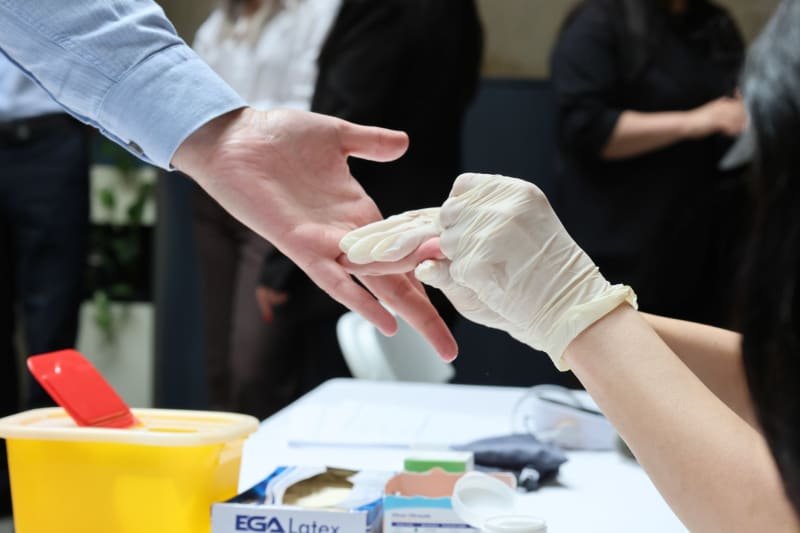
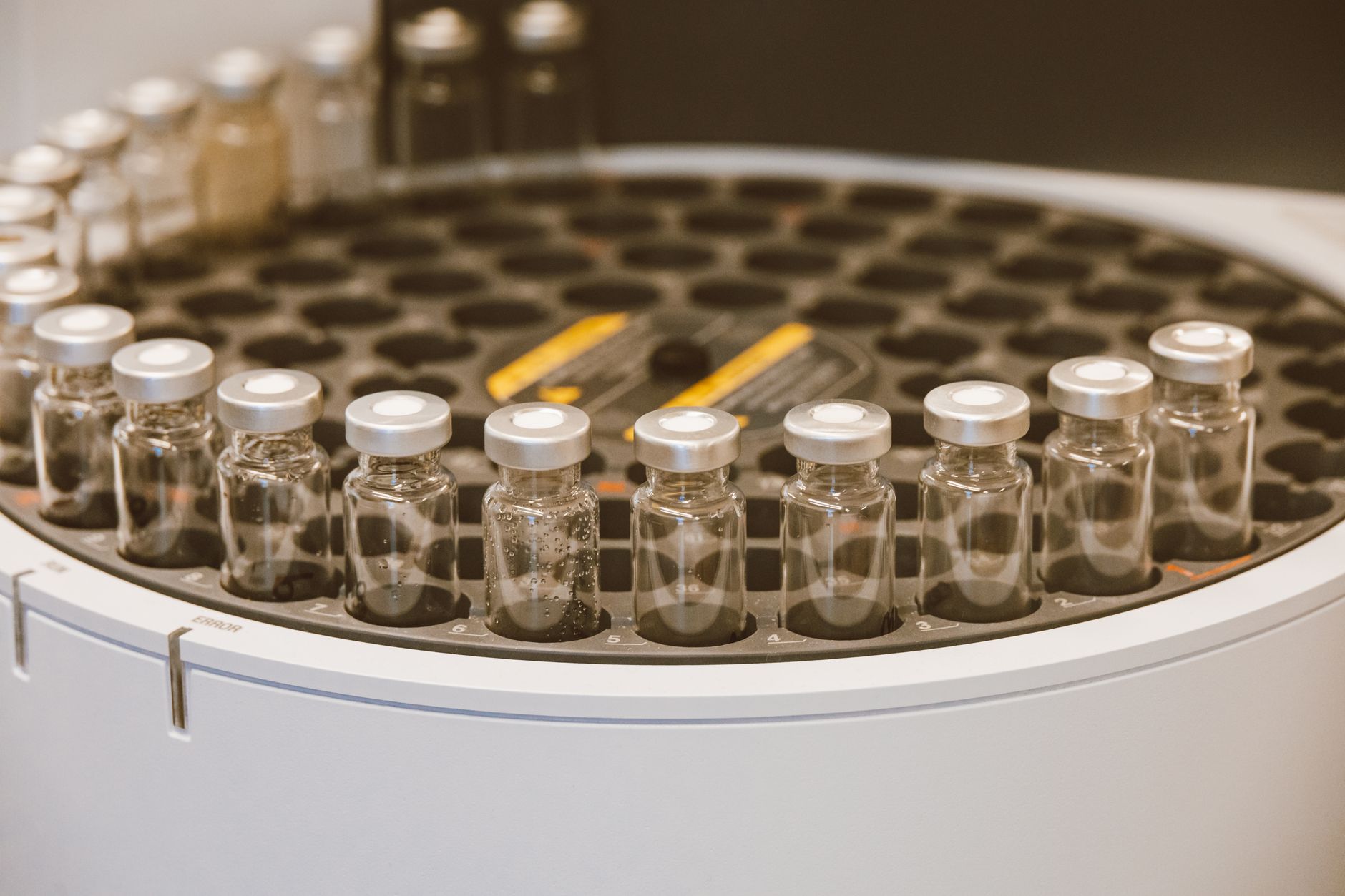
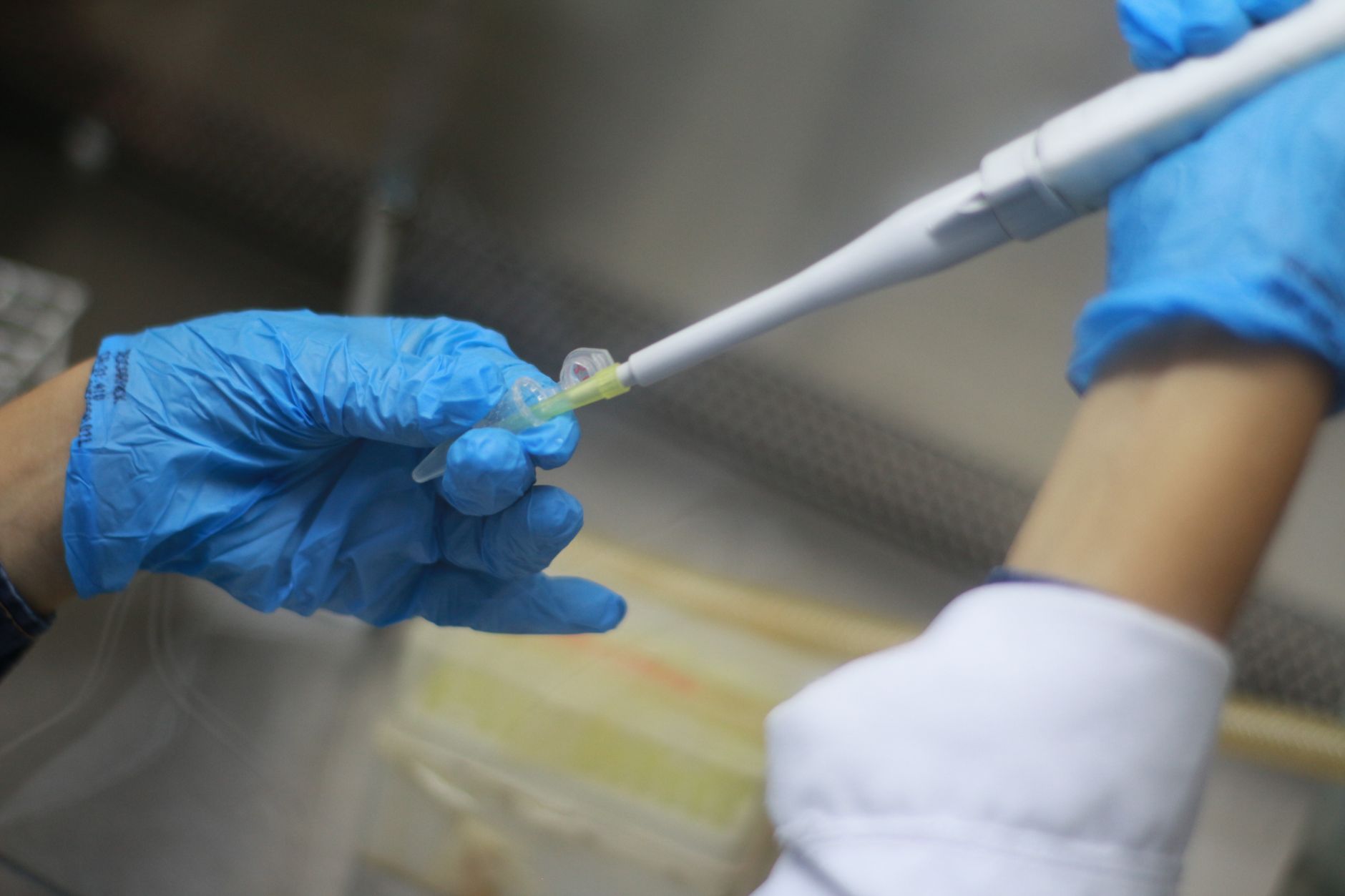
On the ground, local health clinics are experiencing an unprecedented influx of patients presenting with classic symptoms of the parasitic infection, including severe abdominal cramps and relentless diarrhea. Medical staff are working overtime to process stool samples and confirm diagnoses, while pharmacies report a surge in demand for rehydration therapies and prescription anti-parasitic medications. The sheer volume of cases has forced some community clinics to set up temporary triage protocols to manage the flow.
Pool operators and municipal park managers are facing immense pressure to implement costly, labor-intensive remediation protocols to restore public trust. Hyperchlorination requires closing facilities for up to twenty-four hours while raising chlorine levels to extreme concentrations, a process that accelerates wear on expensive filtration equipment. Many smaller, community-funded pools are struggling to afford these emergency procedures, leading to indefinite closures that frustrate local residents.
Meanwhile, environmental health inspectors are conducting unannounced audits of public water venues, collecting samples to map the geographic spread of the contamination. The data collected so far suggests that the parasite has established a foothold in several interconnected municipal systems, making localized containment efforts incredibly difficult. Public health departments are pleading with the public to stay out of the water if they have recently experienced any gastrointestinal symptoms.
What Experts Are Saying
Leading infectious disease specialists are emphasizing that public education is the most powerful tool available to halt the transmission chain of this resilient parasite. Experts point out that relying solely on chemical treatments is a losing strategy, and that behavioral changes among swimmers are absolutely critical. They advocate for a cultural shift in how we utilize shared recreational water, emphasizing personal responsibility and proactive hygiene over passive reliance on municipal sanitation.
Water quality engineers are calling for widespread upgrades to public pool filtration systems, recommending the integration of ultraviolet light or ozone disinfection technologies. These advanced systems are highly effective at neutralizing chlorine-resistant pathogens, offering a secondary line of defense that could prevent future outbreaks. However, experts acknowledge that the high capital cost of these upgrades remains a significant barrier for many cash-strapped local governments.
Epidemiologists also warn that climate change will likely make these waterborne outbreaks more frequent and severe in the coming decade. Rising average temperatures create ideal breeding grounds for pathogens while simultaneously driving more people to seek relief in public swimming areas. Addressing this growing threat will require a fundamental reassessment of how we design, manage, and regulate public recreational water infrastructure.
Frequently Asked Questions
What Happens Next
In the coming weeks, state health departments are expected to roll out stricter regulatory frameworks governing the operation of public pools and interactive splash pads. Facilities failing to meet updated sanitation guidelines may face immediate closure and heavy financial penalties as authorities seek to regain control of the situation. Public safety campaigns will also intensify, utilizing social media and physical signage to educate swimmers on proper hygiene.
Researchers are also accelerating clinical trials for faster, more accessible rapid-diagnostic tests that can identify the parasite within minutes rather than days. If successful, these tests could be deployed at clinics and public venues, allowing for rapid isolation of infected individuals and preventing localized outbreaks from ballooning into regional crises. Funding for these scientific endeavors has been fast-tracked by federal health agencies.
Ultimately, the long-term resolution of this crisis depends on a collective commitment to infrastructure modernization and public transparency. As communities adapt to warmer summers, the pressure on public water systems will only increase, making proactive investment in advanced filtration technologies a necessity rather than a luxury. The lessons learned from this outbreak will shape public health policies for years to come.
















Comments
No comments yet. Be the first to comment!