


At a Glance
- Federal health authorities have officially linked a multi-state outbreak of Shiga toxin-producing Escherichia coli (E. coli) O157:H7 directly to organic frozen blueberries distributed nationwide.
- The Centers for Disease Control and Prevention (CDC) alongside the Food and Drug Administration (FDA) have initiated a voluntary recall of affected product lots sold at major grocery chains.
- Epidemiological data indicates that at least fifteen individuals have been hospitalized, with several suffering from hemolytic uremic syndrome, a severe type of kidney failure.
- Health officials warn that the contaminated frozen fruit has a long shelf life, meaning consumers may still have these hazardous products stored in their home freezers.
- Retailers have been instructed to immediately pull the specified batch numbers from their shelves and destroy any remaining inventory to prevent further consumer exposure.
- Consumers who have purchased these frozen organic blueberries are urged not to consume them under any circumstances and should either return them for a refund or discard them securely.
The Record
The current outbreak investigation represents a complex trace-back effort led by federal epidemiologists who analyzed food purchase histories of infected patients. By cross-referencing shopper card data and clinical isolates from sickened individuals, researchers established a statistically undeniable link to a single processing facility in the Pacific Northwest. This facility, which handles organic berries for multiple private labels, is now the central focus of an intensive environmental investigation to locate the exact point of pathogen introduction.
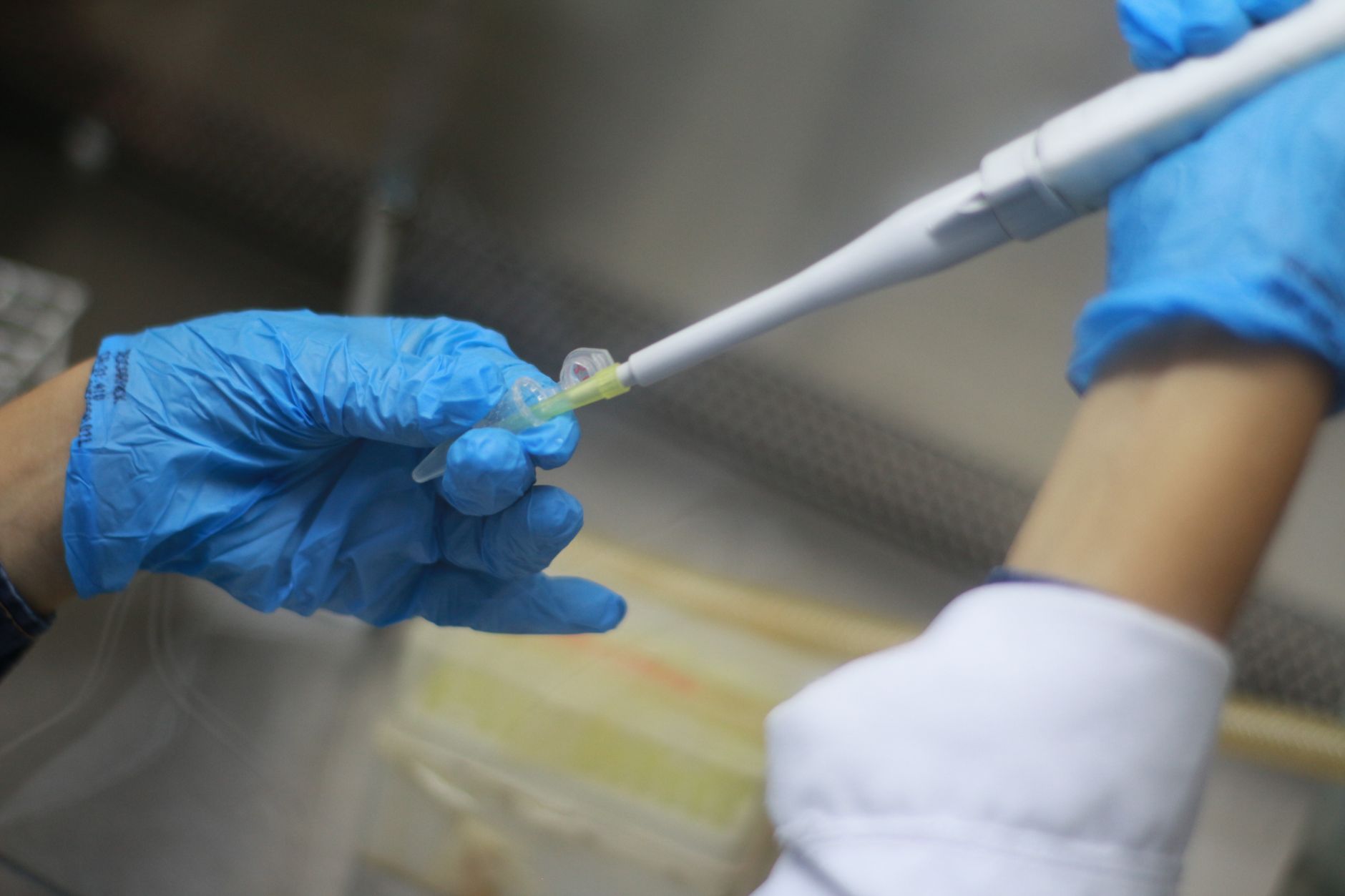
Laboratory analysis of the clinical samples revealed that the outbreak strain produces Shiga toxin type 2, which is historically associated with higher rates of severe illness and hospitalization. This particular genetic profile matches samples collected during routine agricultural water testing near the suspect growing regions earlier this season. The alignment of clinical data with environmental samples provides a clear roadmap for investigators but also highlights systemic vulnerabilities in agricultural water management and sanitation protocols.
As of this week, the recall has expanded to encompass three major national brands distributed across thirty-two states, making it one of the largest frozen fruit recalls of the fiscal year. Regulators are working closely with supply chain logistics experts to map the distribution web, which includes school lunch programs and commercial smoothie chains. The sheer scale of the distribution network means that identifying and isolating every contaminated package will require unprecedented cooperation between public and private sectors.
Who Knew and When
Internal documents and timeline reconstructions reveal that the first signals of potential contamination emerged in late late autumn when routine internal quality control tests at the packaging plant flagged elevated coliform levels. However, because specific tests for pathogenic E. coli strains were not immediately performed, the product was cleared for packaging and distribution. This critical delay allowed thousands of units of contaminated frozen blueberries to enter the commercial stream, destined for supermarket shelves across the country.
By mid-winter, state health departments began noticing an unusual cluster of gastrointestinal illnesses with matching genetic fingerprints, yet it took several weeks to connect these disparate cases to a single food source. The lag time between patient exposure, symptom onset, medical consultation, and genetic sequencing created a dangerous blind spot for public health officials. During this period of administrative delay, unsuspecting consumers continued to purchase and ingest the contaminated fruit, compounding the outbreak's reach.
When the FDA finally received the definitive genomic sequencing data linking the clinical cases to the processing plant, the agency moved swiftly to pressure the manufacturer into a voluntary recall. While the official recall notice was issued within twenty-four hours of the final match, critics argue that earlier warning signs should have triggered precautionary holds. This timeline exposes the inherent friction between industrial processing speeds and the slower, methodical pace of public health surveillance systems.
Voices from the Ground
Family members of those hospitalized have expressed profound frustration over the lack of immediate transparency regarding food safety in the organic sector. One parent from Ohio described the terrifying experience of watching their young child suffer from acute kidney failure after consuming what they believed was a healthy, organic breakfast smoothie. Their experience highlights the deep trust consumers place in organic labeling, assuming it inherently correlates with higher safety standards and rigorous pathogen testing.
On the agricultural side, small-scale berry farmers who supply the larger processing cooperatives are voicing deep concerns about the financial fallout of this recall. Many independent growers fear that the negative publicity will depress prices for the upcoming harvest season, even for those whose crops were entirely unaffected by the contamination. They emphasize that a single sanitation failure at a centralized processing hub can instantly ruin the reputation and livelihoods of dozens of diligent family farms.
Healthcare workers on the front lines of the outbreak are urging the public to take gastrointestinal symptoms seriously and seek medical care immediately if they suspect exposure. Emergency room physicians note that early intervention is critical, particularly because administering standard antibiotics can sometimes exacerbate Shiga toxin production, leading to worse clinical outcomes. Medical professionals are working overtime to educate both patients and general practitioners on the specific treatment protocols required for this dangerous bacterial strain.
The Debate
The outbreak has reignited a fierce debate among food safety advocates and agricultural lobbyists regarding the frequency and stringency of mandatory testing for frozen produce. Advocates argue that because frozen fruits are often consumed raw in smoothies, they should be subjected to the same rigorous microbiological standards as fresh, ready-to-eat leafy greens. They contend that the current regulatory framework relies too heavily on voluntary industry compliance and retrospective investigations rather than proactive, preventative testing regimes.
Conversely, industry representatives argue that implementing continuous, batch-by-batch pathogen testing for all frozen agricultural products would drive up food prices unsustainably for average consumers. They maintain that the existing hazard analysis and critical control point systems are generally highly effective, and that this outbreak represents an anomalous failure rather than a systemic breakdown. Industry groups caution against reactionary regulations that could stifle agricultural efficiency and place undue burdens on processors.
Independent policy analysts suggest that the solution lies in modernizing agricultural water standards and improving supply chain traceability through blockchain technology. By rapidly pinpointing the exact source of contamination, regulators could execute highly targeted recalls, minimizing economic damage to unaffected producers while protecting public health. However, the widespread adoption of such technologies remains stalled by high implementation costs and a lack of standardized digital infrastructure across the global agricultural sector.

Your Questions Answered
What Accountability Looks Like
True accountability in the wake of this outbreak requires a comprehensive, independent audit of the processing facility's sanitation protocols and water supply lines. The manufacturing company must cooperate fully with federal investigators, transparently sharing all internal testing data and historical safety records. Furthermore, the company must commit to upgrading its sanitation infrastructure, including the installation of advanced ultraviolet water treatment systems to neutralize pathogens before they reach the processing floor.
On a regulatory level, the FDA must evaluate whether its current inspection frequencies for frozen food facilities are sufficient to protect the public. Accountability means closing the regulatory loopholes that allow facilities to continue shipping products when preliminary sanitation indicators suggest potential contamination. Congress must also consider allocating additional funding to state health departments to speed up genomic sequencing of clinical samples, reducing the critical lag time during active outbreaks.
Ultimately, the agricultural sector must recognize that consumer trust is fragile and easily damaged by preventable safety failures. Retailers must hold their suppliers to higher standards, demanding proof of rigorous pathogen testing as a condition of market entry. By shifting the industry standard from reactive crisis management to proactive prevention, the food supply chain can better protect vulnerable populations from the devastating impacts of foodborne illness.













Comments
No comments yet. Be the first to comment!