

At a Glance
- A novel hantavirus strain, provisionally named 'Cruiser Hantavirus' (CHV), has been identified as the pathogen behind a rapidly escalating multi-country outbreak, demanding immediate global attention and coordinated health responses.
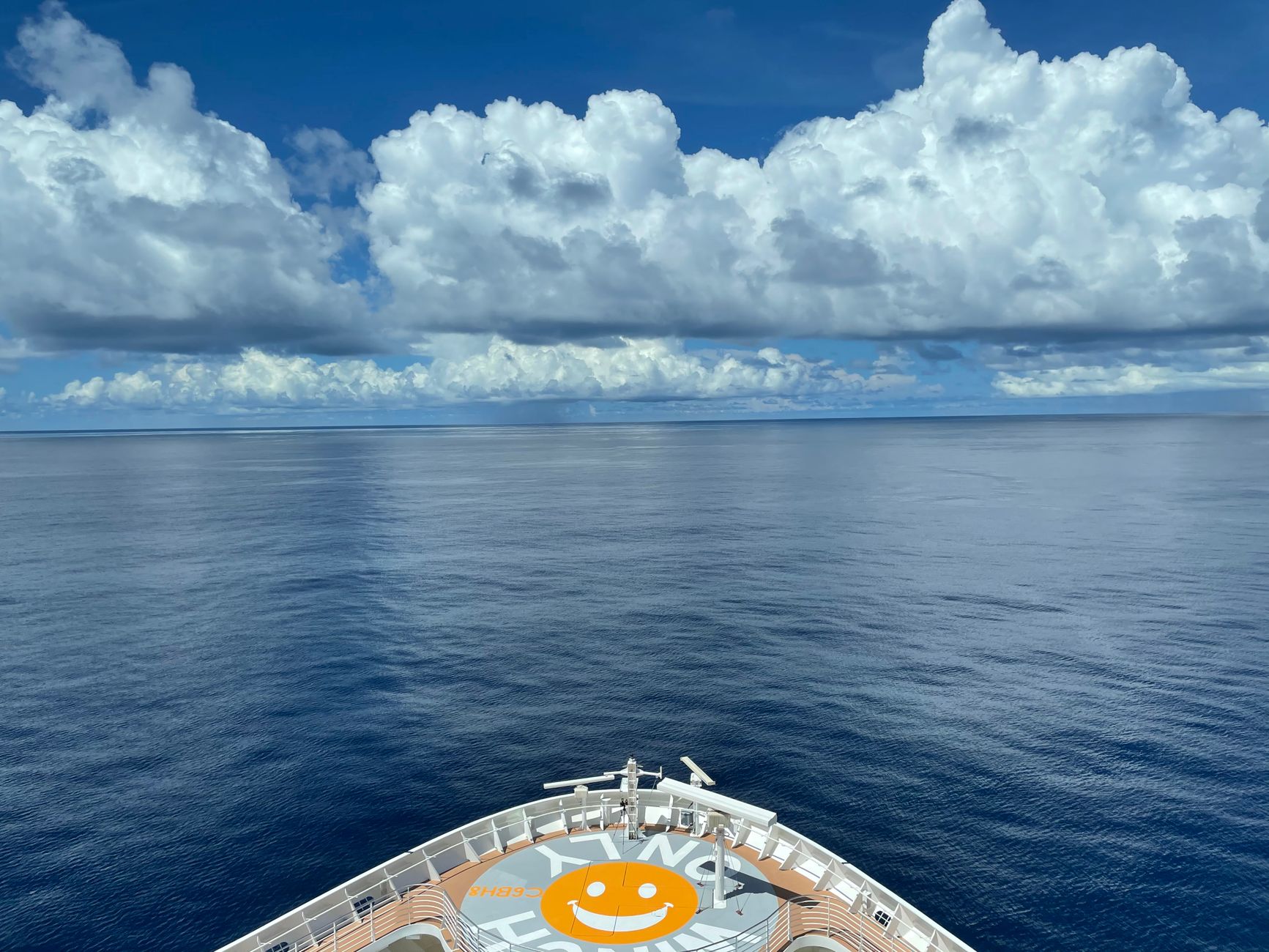
- Initial investigations strongly suggest a luxury cruise ship, the 'Oceanic Voyager,' as the likely epicenter of this emerging cluster, facilitating rapid international dissemination among its diverse passenger manifest.
- Health authorities across five nations—the United States, Canada, the United Kingdom, Australia, and New Zealand—have reported confirmed cases, all linked to recent travel on the implicated cruise vessel.
- Symptoms observed in infected individuals range from severe respiratory distress and hemorrhagic fever to acute renal failure, underscoring the virus's significant pathogenicity and potential for grave outcomes.
- Emergency testing protocols are being rapidly deployed worldwide, focusing on individuals who were aboard the 'Oceanic Voyager' or had direct contact with confirmed cases, to halt further community transmission.
- International health organizations are convening urgent meetings to establish unified surveillance, containment strategies, and research initiatives to develop diagnostics, treatments, and potential vaccines for CHV.
The Record
The emergence of the 'Cruiser Hantavirus' (CHV) in early 2026 has sent shockwaves through the global public health community. Unlike previously identified hantaviruses, which typically spread through rodent droppings and urine, the initial epidemiological data for CHV points to a more complex and concerning transmission pathway, potentially involving human-to-human contact within confined environments. This novel characteristic elevates the threat level significantly, demanding a rapid re-evaluation of established hantavirus containment strategies. The swift international spread, particularly across continents, highlights the vulnerabilities inherent in modern global travel and interconnectedness.
The 'Oceanic Voyager,' a vessel renowned for its lavish amenities and extensive global itineraries, has regrettably become the focal point of this burgeoning crisis. Public health officials are meticulously tracing passenger manifests and crew rosters, attempting to reconstruct the precise timeline of exposure and subsequent transmission. The sheer volume of international travelers aboard such a ship creates an ideal vector for rapid, widespread dissemination of a novel pathogen, turning a single point of origin into a multi-country cluster within weeks. This incident underscores the critical need for robust health screening and rapid response protocols within the cruise industry.
The clinical presentation of CHV is particularly alarming, with patients exhibiting a severe spectrum of symptoms that often progress rapidly. Initial flu-like symptoms quickly give way to more severe manifestations, including acute respiratory distress syndrome (ARDS), significant kidney dysfunction, and in some cases, hemorrhagic complications. The high virulence and the potential for severe outcomes necessitate aggressive medical intervention and intensive care, placing considerable strain on healthcare systems already grappling with endemic diseases. Understanding the full pathogenic mechanism of CHV is now a top priority for virologists and infectious disease specialists globally.
Who Knew and When
The first whispers of an unusual respiratory illness emerged in late January 2026, when a cluster of patients in Florida, all recent returnees from an 'Oceanic Voyager' cruise, presented with severe, atypical pneumonia. Local health departments initially suspected a virulent influenza strain or an unusual bacterial infection. However, the rapid deterioration of patients and the failure of standard treatments prompted further investigation. It was the astute observation of an infectious disease specialist in Miami, Dr. Elena Rodriguez, who noted the unusual combination of respiratory and renal symptoms, that first raised the alarm about a potentially novel pathogen, distinct from common respiratory viruses. Her early reports to the CDC were crucial.
By mid-February, similar, albeit isolated, cases began to surface in Vancouver, London, and Sydney, again predominantly among individuals with a recent travel history on the 'Oceanic Voyager.' This emerging pattern, identified through international health alerts and coordinated data sharing, solidified the suspicion that the cruise ship was indeed the common link. The World Health Organization (WHO) was officially notified on February 20th, initiating a global incident response. This timeline highlights both the effectiveness of international surveillance networks and the inherent lag in identifying a novel, rapidly spreading threat, especially one with an initial presentation that can mimic more common illnesses.
Genetic sequencing, performed concurrently by labs in the US, UK, and Canada, confirmed the presence of a previously uncharacterized hantavirus strain by the first week of March. This breakthrough allowed for the rapid development of specific diagnostic tests, which were then rushed to affected regions. The speed of this scientific response, from initial suspicion to viral identification, was commendable, yet the virus had already established a foothold across multiple continents. The challenge now shifts from identification to containment, a task made exponentially more difficult by the virus's already established international footprint and the sheer number of potentially exposed individuals.
Voices from the Ground
Maria Sanchez, a 62-year-old retired teacher from California, shared her harrowing experience from her hospital bed. "One moment I was enjoying the Caribbean sun, the next I was fighting for every breath. It started like a bad flu, but then my kidneys began to shut down. The doctors here have been incredible, but the fear... the fear of not knowing if I'll fully recover, or if I unknowingly passed this on to my family, is overwhelming. This was supposed to be a dream vacation, and it turned into a nightmare. We need answers, and we need them fast, so no one else has to go through this." Her voice, though weak, carried the weight of profound distress and uncertainty.
Dr. Ben Carter, an emergency room physician in Toronto, spoke candidly about the strain on healthcare resources. "We're seeing patients presenting with severe respiratory failure and acute kidney injury, often requiring immediate ICU admission and dialysis. The sheer intensity of care needed for each patient is immense. Our staff are working tirelessly, but the emotional toll is significant. We're also grappling with the logistics of isolating these cases and ensuring our own safety, given the potential for novel transmission routes. The medical community needs more resources, clearer guidelines, and a rapid supply of diagnostics to manage this effectively." His words underscored the critical pressure on frontline workers.
A crew member from the 'Oceanic Voyager,' who wished to remain anonymous, described the chaotic scene onboard as passengers began falling ill. "It started subtly, a few people with coughs, then more with fevers. The ship's medical staff were overwhelmed very quickly. There was a lot of confusion and concern among the crew, especially once we heard it wasn't just a regular flu. We were told to maintain calm, but it was hard when you saw passengers getting sicker and sicker. Many of us are now in quarantine, worried about our health and our livelihoods. We just hope they can figure out how this happened and prevent it from ever happening again." This account paints a vivid picture of the unfolding crisis at sea.
The Debate
The emergence of the 'Cruiser Hantavirus' has ignited a fervent debate among public health experts and policymakers regarding the adequacy of current international health regulations and surveillance systems. Critics argue that despite advancements in global health security, the rapid, multi-country spread of CHV demonstrates persistent gaps in early detection and coordinated response mechanisms, particularly concerning highly mobile populations like cruise ship passengers. There is a strong call for stricter, standardized health screening protocols for international travel, especially for large vessels that traverse multiple jurisdictions, to prevent such incidents from escalating into global health emergencies. The question of whether existing frameworks are truly fit for purpose in an era of unprecedented global connectivity is now front and center.
Another contentious point revolves around the responsibility of cruise lines in preventing and managing outbreaks. While industry representatives emphasize their adherence to existing health guidelines and their rapid response efforts once the outbreak was identified, many argue that self-regulation is insufficient. Calls are growing for independent oversight bodies with the authority to enforce more stringent health and safety standards, including mandatory, real-time reporting of all unusual illness clusters. The financial implications of such measures, and who ultimately bears the cost, remain a significant part of this complex discussion, pitting public health imperatives against economic realities.
Furthermore, the debate extends to the allocation of resources for pandemic preparedness. Some experts contend that governments and international bodies have historically underfunded research into emerging pathogens and neglected robust public health infrastructure in favor of more visible, immediate concerns. This hantavirus outbreak serves as a stark reminder that investment in foundational public health capabilities, including rapid diagnostic development, vaccine research, and surge capacity in healthcare systems, is not merely a cost but a critical national and global security imperative. The long-term economic and social costs of inaction far outweigh the preventative investments.

Your Questions Answered
What Accountability Looks Like
Accountability for the 2026 Hantavirus outbreak will likely be multifaceted, extending from individual cruise lines to international health bodies and national governments. For the 'Oceanic Voyager' and its operating company, immediate accountability will involve a thorough internal review of their health protocols, passenger screening procedures, and emergency response mechanisms. This includes transparent reporting of all illness clusters prior to and during the outbreak, and potentially compensating affected passengers for medical costs and lost income. The industry as a whole will face pressure to adopt more rigorous, independently verified health and safety standards, moving beyond current self-regulatory frameworks to prevent future occurrences.
National governments and public health agencies will be held accountable for the speed and efficacy of their response, including their ability to rapidly identify, diagnose, and contain the virus. This involves scrutinizing the funding and preparedness of public health infrastructure, the effectiveness of international data sharing, and the implementation of travel restrictions or advisories. There will be intense pressure to demonstrate that lessons learned from previous pandemics have been effectively integrated into current preparedness plans, particularly regarding novel pathogens with unusual transmission routes. Public trust hinges on a transparent and effective governmental response.
Ultimately, international organizations like the World Health Organization (WHO) will face scrutiny over their role in coordinating a global response, facilitating research, and providing clear, actionable guidance to member states. Accountability here means evaluating the agility of their alert systems, the fairness in resource allocation, and their capacity to forge consensus among diverse nations on unified containment strategies. The goal is not just to manage the current crisis, but to establish robust, resilient global health security frameworks that can effectively anticipate and neutralize future pandemic threats, ensuring that such an outbreak does not catch the world off guard again.















Comments
No comments yet. Be the first to comment!