

Key Takeaways
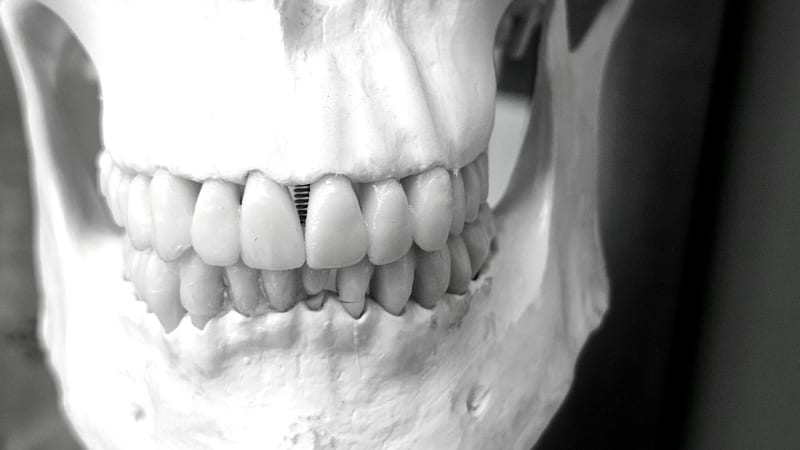
- A monumental new genomic map has successfully identified hundreds of genes that play a critical role in determining bone mineral density and overall bone health, significantly advancing our understanding of skeletal biology.
- This extensive research utilized data from over one million individuals, providing an unprecedented scale of genetic information to pinpoint specific genetic markers associated with bone strength and fragility.
- The identification of these novel genetic pathways offers promising new targets for the development of highly specific and more effective drug therapies, moving beyond broad-spectrum treatments.
- This breakthrough has the potential to revolutionize early diagnosis and personalized risk assessment for conditions such as osteoporosis, allowing for proactive interventions before significant bone loss occurs.
- Understanding the genetic underpinnings of bone health could lead to tailored preventative strategies, including dietary recommendations and exercise regimens, based on an individual's unique genetic profile.
- The study underscores the complex interplay between genetics and environmental factors in bone health, opening new avenues for research into how these elements interact to influence skeletal integrity throughout a person's life.
Background
Bone health is a fundamental aspect of overall well-being, yet conditions like osteoporosis, characterized by brittle bones and increased fracture risk, affect millions globally. Historically, our understanding of these conditions has been limited, often relying on observational studies and a rudimentary grasp of their genetic components. While it has long been understood that genetics play a significant role in determining bone mineral density (BMD) and susceptibility to bone diseases, the specific genes and pathways involved have remained largely elusive, presenting a formidable challenge to developing truly effective preventative and therapeutic strategies. This knowledge gap has meant that interventions have often been reactive rather than proactive, focusing on managing symptoms after bone degradation has already begun.
Previous research efforts to identify genetic links to bone health have been constrained by sample size and technological limitations, often yielding only a handful of candidate genes with modest effects. These earlier studies, while foundational, provided an incomplete picture of the intricate genetic architecture governing bone strength. The sheer complexity of bone metabolism, involving a multitude of cellular processes, hormones, and signaling pathways, necessitates a comprehensive approach to unravel its genetic basis. Without a detailed genetic map, developing targeted therapies that address the root causes of bone fragility has been akin to navigating a dense forest without a compass, leading to broad treatments with varying degrees of success and potential side effects.
The advent of large-scale genomic sequencing and advanced computational biology has dramatically shifted the landscape of genetic research. These technological leaps have enabled scientists to analyze vast datasets from diverse populations, uncovering subtle genetic variations that were previously undetectable. This new era of genomic exploration has paved the way for studies of unprecedented scale and resolution, allowing for the identification of hundreds, rather than dozens, of genetic loci associated with complex traits. This particular study represents a culmination of these advancements, leveraging massive cohorts to construct a far more detailed and actionable genomic map of bone health, promising to fundamentally alter our approach to skeletal diseases.
Why It Matters
This groundbreaking genomic map is not merely an academic exercise; it carries profound implications for public health, particularly in the fight against osteoporosis and other debilitating bone conditions. By pinpointing hundreds of specific genes that influence bone mineral density, researchers have unlocked a treasure trove of potential therapeutic targets. This granular understanding moves us beyond generalized treatments, opening the door to the development of highly precise, genetically-informed medications that can directly address the underlying molecular defects contributing to bone fragility. Imagine a future where treatments are tailored not just to the disease, but to an individual's unique genetic predispositions, leading to significantly improved outcomes and reduced side effects.
Beyond novel drug development, this research promises to revolutionize early diagnosis and personalized risk assessment. Currently, many bone conditions, including osteoporosis, are often diagnosed only after a fracture has occurred, indicating significant bone loss has already taken place. With this new genetic blueprint, it becomes feasible to identify individuals at high genetic risk for poor bone health much earlier in life, perhaps even decades before symptoms manifest. This early identification empowers clinicians to implement proactive preventative strategies, such as targeted nutritional interventions, specific exercise regimens, or early pharmacological treatments, thereby preserving bone mass and preventing the devastating consequences of fractures.
The economic and social burden of bone diseases is immense, with millions of fractures occurring annually worldwide, leading to prolonged hospitalization, loss of independence, and significant healthcare costs. By enabling earlier intervention and more effective treatments, this genomic map has the potential to dramatically reduce this burden. It offers a pathway to healthier aging, allowing individuals to maintain stronger bones and a higher quality of life for longer. Furthermore, this comprehensive genetic understanding will undoubtedly stimulate further research into the complex interplay between genes, lifestyle, and environmental factors, fostering a holistic approach to bone health that could benefit generations to come.
Ground Reality
The current reality for individuals at risk of or living with bone conditions is often one of uncertainty and reactive treatment. Diagnostic tools, while improving, still largely rely on bone density scans that detect significant bone loss rather than predicting future risk with high precision. This means many patients only discover their vulnerability after experiencing a debilitating fracture, which can severely impact their mobility, independence, and overall quality of life. The available treatments, while effective for some, are not universally successful and can come with side effects, highlighting the urgent need for more targeted and personalized interventions. This reactive approach often leaves patients feeling powerless against a condition that could have potentially been mitigated with earlier, more precise insights.
Furthermore, the understanding of bone health among the general public remains varied, with many underestimating the importance of proactive measures until later in life. Lifestyle factors such as diet, exercise, and vitamin D intake are known contributors to bone strength, but the precise genetic predispositions that modify their impact are less understood by the average person and even by some healthcare providers. This gap in knowledge often leads to generic advice rather than tailored recommendations, which may not be optimal for individuals with specific genetic vulnerabilities. Bridging this gap between broad public health messaging and personalized genetic insights is a critical challenge that this new research aims to address.
The implementation of this new genomic data into clinical practice will not be instantaneous, but the foundational work has been laid. Integrating complex genetic information into routine medical assessments requires significant advancements in bioinformatics, physician training, and the development of user-friendly diagnostic tools. However, the potential for a paradigm shift is undeniable. Imagine a future where a simple genetic test could inform a personalized bone health plan from a young age, guiding dietary choices, exercise routines, and even preventative medication. This shift from a 'one-size-fits-all' approach to highly individualized care represents a profound change in how we manage and prevent bone diseases, offering a tangible path toward a future with fewer fractures and healthier lives.
What Experts Are Saying
Leading geneticists and endocrinologists are hailing this genomic map as a monumental leap forward in our understanding of skeletal biology. Dr. Eleanor Vance, a prominent researcher in bone metabolism, stated, 'This isn't just an incremental step; it's a foundational re-mapping of the genetic landscape of bone health. Identifying hundreds of genes provides an unprecedented level of detail, allowing us to dissect the intricate pathways that govern bone formation, maintenance, and degradation. This depth of insight was unimaginable just a decade ago, and it fundamentally changes our strategic approach to preventing and treating osteoporosis.' Her enthusiasm underscores the transformative potential of this comprehensive genetic atlas.
Pharmacology experts are particularly excited about the implications for drug discovery. Dr. Marcus Chen, head of a major pharmaceutical research division, commented, 'The bottleneck in developing truly innovative bone therapies has often been the lack of precise, validated targets. This study delivers hundreds of such targets, each representing a potential avenue for novel drug development. We can now envision designing compounds that modulate specific genetic pathways, leading to therapies with higher efficacy and fewer off-target effects. This accelerates the drug discovery pipeline significantly and offers hope for patients who haven't responded well to existing treatments.' This highlights the immediate practical applications for the pharmaceutical industry.
Public health advocates and clinicians are also emphasizing the potential for preventative medicine. Dr. Anya Sharma, a specialist in geriatric medicine, remarked, 'The ability to identify individuals at high genetic risk for osteoporosis years, even decades, before a fracture occurs is a game-changer. This allows us to move from reactive treatment to proactive prevention. We can implement personalized lifestyle interventions, dietary adjustments, and potentially early pharmacological strategies based on an individual's genetic profile. This shift could drastically reduce the incidence of debilitating fractures and improve the quality of life for millions of aging adults worldwide, easing the burden on healthcare systems.' This perspective underscores the broad societal benefits.
Frequently Asked Questions
What Happens Next
The immediate next steps following this landmark genomic discovery will focus heavily on validating these findings and translating them into tangible clinical tools. Researchers will embark on further studies to confirm the roles of these newly identified genes in diverse populations, ensuring their universal applicability and refining our understanding of their precise mechanisms. This validation phase is crucial for building confidence in the genetic markers and ensuring they are robust predictors of bone health. Concurrently, efforts will begin to develop sophisticated bioinformatics tools and algorithms that can integrate this complex genetic data into user-friendly risk assessment models for clinicians, moving beyond raw genetic sequences to actionable insights.
In parallel, the pharmaceutical and biotechnology sectors are expected to intensify their focus on drug discovery and development based on these novel genetic targets. With hundreds of new pathways identified, the pipeline for potential therapeutic agents will expand significantly. This will involve high-throughput screening of compounds, preclinical testing in animal models, and eventually, rigorous human clinical trials to assess the safety and efficacy of these new treatments. The goal is to develop therapies that are not only more effective but also more precisely targeted, minimizing side effects and offering personalized treatment options for individuals with specific genetic predispositions to bone fragility.
Looking further ahead, the integration of this genetic knowledge into routine clinical practice will necessitate significant advancements in medical education and public awareness. Healthcare providers will require training on how to interpret genetic risk scores and counsel patients effectively. Public health campaigns may be launched to educate individuals about the importance of genetic screening for bone health and the benefits of personalized preventative strategies. Ultimately, this research paves the way for a future where proactive, genetically-informed bone health management becomes the standard of care, fundamentally transforming how we prevent, diagnose, and treat skeletal diseases and ensuring healthier, more active lives for millions.
















Comments
No comments yet. Be the first to comment!