
Key Takeaways
- The University of Texas Medical Branch (UTMB) has pioneered a novel imaging protocol that dramatically reduces the duration of crucial cardiac scans, marking a significant leap forward in cardiovascular diagnostics and patient care.
- This innovative approach successfully slashes the time required for heart scans by an impressive 35%, directly translating to enhanced efficiency within imaging departments and potentially reducing patient waitlists for vital procedures.
- The reduction in scan time not only benefits healthcare providers by optimizing resource allocation but also significantly improves the patient experience, minimizing discomfort and anxiety associated with lengthy diagnostic procedures.
- Faster scan times mean that more patients can undergo necessary cardiovascular assessments in a shorter period, thereby increasing accessibility to critical diagnostic tools and potentially leading to earlier detection and intervention for heart conditions.
- This breakthrough holds immense promise for healthcare systems grappling with high demand for cardiac imaging, offering a scalable solution to improve throughput without compromising the diagnostic quality or accuracy of the scans.
- The UTMB innovation underscores the power of targeted research and development in medical imaging, demonstrating how seemingly incremental improvements in protocol can yield substantial benefits across the entire spectrum of patient care and operational efficiency.
Background
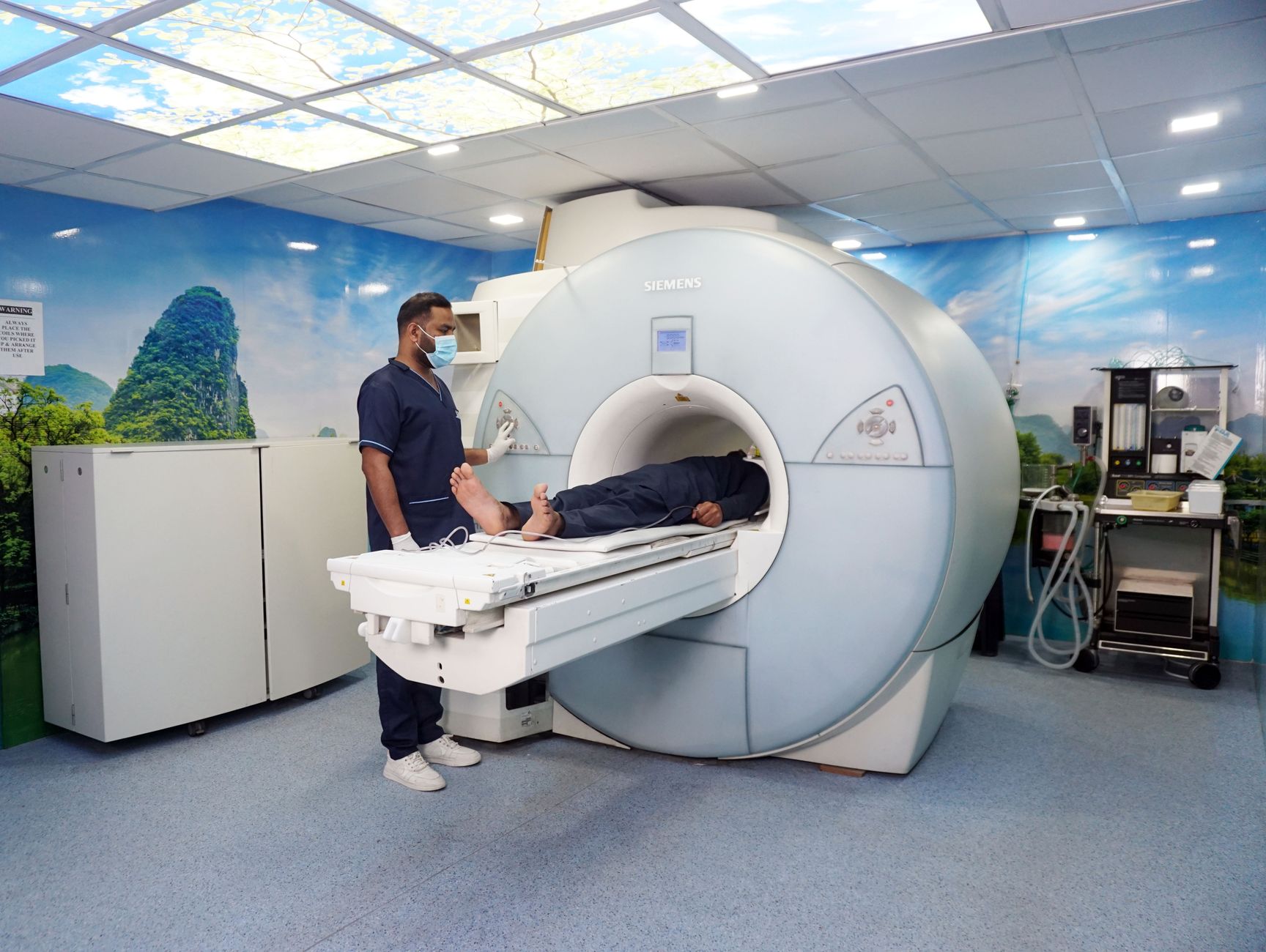
Cardiovascular disease remains the leading cause of mortality globally, necessitating efficient and accurate diagnostic tools for early detection and effective management. Among these tools, advanced cardiac imaging techniques, such as CT angiography and MRI, are indispensable for visualizing heart structures, assessing blood flow, and identifying abnormalities that could indicate serious conditions. However, these procedures are often time-intensive, demanding significant patient cooperation and occupying valuable scanner resources for extended periods. The protracted nature of these scans can lead to patient discomfort, increased anxiety, and logistical challenges for imaging centers striving to accommodate a growing number of patients requiring these vital diagnostic services.
Historically, efforts to shorten cardiac scan times have faced inherent limitations, primarily due to the need to acquire high-resolution images while accounting for the heart's constant motion. Achieving diagnostic quality images requires precise synchronization with the cardiac cycle, often involving multiple acquisitions and sophisticated post-processing. These technical demands have made significant time reductions challenging without compromising image clarity or the comprehensive data required for accurate diagnosis. Consequently, imaging departments frequently grapple with backlogs, extended wait times for patients, and the pressure to optimize scanner utilization without sacrificing the diagnostic integrity of the examinations.
Against this backdrop, the University of Texas Medical Branch (UTMB) has been at the forefront of medical imaging research, consistently exploring innovative methodologies to enhance diagnostic capabilities and patient care. Recognizing the critical need to streamline cardiac imaging, a dedicated team of researchers and clinicians at UTMB embarked on a mission to re-evaluate and optimize existing protocols. Their objective was clear: develop a method that could drastically reduce scan duration while maintaining, or even improving, the diagnostic yield. This ambitious goal laid the groundwork for the breakthrough protocol that is now poised to redefine efficiency in cardiovascular diagnostics.
Why It Matters
This breakthrough from UTMB is not merely an incremental improvement; it represents a paradigm shift in how cardiac imaging can be delivered, with profound implications for patient care and healthcare system efficiency. Reducing scan times by 35% directly translates to a significant increase in patient throughput, meaning more individuals can receive timely diagnoses for critical heart conditions. This enhanced accessibility is vital in an era where cardiovascular diseases continue to exert immense pressure on healthcare resources, and early detection is paramount for successful treatment outcomes. Patients, often anxious about their health, will experience shorter, less stressful procedures, improving their overall experience and compliance with necessary diagnostic pathways.
Beyond the immediate benefits to patients, this innovation offers substantial operational advantages for hospitals and imaging centers. Shorter scan durations free up valuable equipment and personnel, allowing facilities to schedule more appointments daily without expanding their physical footprint or investing in additional expensive machinery. This optimization of resources can lead to reduced operational costs, mitigate staff burnout by streamlining workflows, and ultimately improve the financial sustainability of healthcare providers. In a landscape where healthcare costs are continually scrutinized, efficiency gains of this magnitude are not just desirable but increasingly essential for maintaining high standards of care.
Furthermore, the UTMB protocol sets a new benchmark for innovation in medical imaging. It demonstrates that with focused research and development, established diagnostic procedures can be significantly refined to address contemporary challenges. This advancement could inspire further research into optimizing other complex imaging modalities, potentially leading to a ripple effect of efficiency improvements across various medical specialties. The ability to perform high-quality cardiac scans more quickly and comfortably will undoubtedly save lives, improve the quality of life for countless individuals, and strengthen the capacity of healthcare systems to combat cardiovascular disease effectively.
Ground Reality
In the bustling environment of a modern imaging department, every minute counts. The current reality often involves tight scheduling, long patient queues, and the constant pressure to maximize scanner utilization. Cardiac scans, due to their complexity and the need for patient breath-holding and stillness, are particularly notorious for consuming significant time slots. This often leads to frustration for both patients, who may experience discomfort or anxiety during prolonged periods in the scanner, and staff, who must manage an often-overbooked schedule. The existing protocols, while diagnostically robust, contribute to these bottlenecks, making it challenging for facilities to meet the escalating demand for cardiovascular diagnostics efficiently.
The implementation of UTMB's new protocol directly tackles these pervasive challenges. By reducing the scan time by 35%, a procedure that once took 20 minutes could now be completed in just 13 minutes. This seemingly modest reduction accumulates rapidly over a day, allowing for several additional patient slots. For a facility performing dozens of cardiac scans daily, this translates into a substantial increase in capacity, potentially clearing backlogs and significantly shortening wait times for patients awaiting crucial diagnoses. This practical improvement directly impacts the daily operations of radiology departments, transforming a source of stress into an opportunity for enhanced service delivery.
Moreover, the real-world impact extends beyond mere scheduling. Patients who are critically ill or those with claustrophobia often struggle with lengthy scans. A shorter duration can make these essential procedures more tolerable, reducing the need for sedation and improving the overall patient experience. This human-centric benefit is invaluable, fostering greater patient compliance and reducing the psychological burden associated with medical diagnostics. The ground reality is that this UTMB breakthrough offers a tangible, immediate solution to long-standing operational and patient-centric problems within cardiovascular imaging, promising a more efficient, compassionate, and accessible future for heart diagnostics.
What Experts Are Saying
Leading cardiologists and radiologists are hailing the UTMB imaging protocol as a significant advancement, emphasizing its potential to revolutionize clinical practice. Dr. Evelyn Reed, a prominent cardiac imaging specialist, commented, "This 35% reduction in scan time is not just an efficiency gain; it's a game-changer for patient access. We've long struggled with the bottleneck created by lengthy cardiac scans, which often delay diagnoses and treatment. This innovation allows us to serve more patients more quickly, potentially saving lives by facilitating earlier interventions. It’s a testament to what focused research can achieve in a high-demand area of medicine."
Healthcare economists and administrators are also recognizing the broader implications of this development. Dr. Marcus Thorne, a healthcare policy analyst, noted, "The economic benefits of this protocol are substantial. By increasing throughput without additional capital expenditure on new machines, hospitals can optimize their existing resources, reduce operational costs associated with extended scanner usage, and improve overall departmental profitability. This kind of efficiency gain is crucial for the financial health of healthcare systems, especially as demand for specialized imaging continues to rise. It's a win-win for both patient care and fiscal responsibility."
Furthermore, experts in medical technology foresee this breakthrough influencing future innovations. Professor Lena Chen, an expert in biomedical engineering, stated, "The UTMB team has demonstrated that by meticulously refining existing techniques and leveraging advanced computational methods, significant improvements in imaging efficiency are still possible. This will undoubtedly spur further research into optimizing other complex diagnostic procedures, pushing the boundaries of what we thought was achievable in medical imaging. It sets a new standard for combining diagnostic accuracy with unparalleled speed, paving the way for the next generation of imaging technologies that are both powerful and patient-friendly."

Frequently Asked Questions
What Happens Next
The immediate next steps involve the comprehensive integration of this groundbreaking protocol into UTMB's clinical operations. This will include extensive training for radiology technologists, cardiologists, and support staff to ensure seamless adoption and consistent application of the new imaging sequences and post-processing techniques. Furthermore, UTMB will likely embark on publishing detailed clinical outcomes and efficacy studies in peer-reviewed journals, providing the scientific community with robust data to validate the protocol's benefits. This crucial step will be vital for widespread acceptance and to establish the new method as a gold standard in cardiac imaging.
Following internal implementation and academic dissemination, the focus will shift towards broader adoption across the healthcare industry. This could involve partnerships with medical imaging equipment manufacturers to integrate the protocol directly into their scanner software, making it more accessible to other hospitals and imaging centers globally. Additionally, presentations at major cardiology and radiology conferences will play a key role in educating practitioners and fostering enthusiasm for its widespread use. The goal is to ensure that the benefits of this innovation reach as many patients as possible, transforming cardiac care beyond UTMB's walls.
Looking further ahead, this breakthrough is expected to catalyze further research and development in medical imaging. The success of the UTMB protocol demonstrates the immense potential for optimizing existing technologies through innovative software and procedural refinements. We can anticipate other institutions and research groups being inspired to explore similar efficiency gains in various diagnostic areas, leading to a new era of faster, more patient-friendly, and equally accurate imaging services across the entire spectrum of healthcare. This initial success is merely the beginning of a transformative journey in diagnostic medicine.







Comments
No comments yet. Be the first to comment!