


The Story in Brief
- The World Health Organization (WHO) has officially declared the ongoing Ebola outbreak in the Democratic Republic of Congo (DRC) and Uganda a Public Health Emergency of International Concern (PHEIC), signaling a critical escalation in the global response.
- This declaration comes after a confirmed case of Ebola was identified in Goma, a major commercial hub in eastern DRC with a population exceeding two million people and significant cross-border movement, dramatically increasing the risk of wider transmission.
- The outbreak, primarily centered in North Kivu and Ituri provinces of the DRC, has already claimed over 1,600 lives, making it the second-deadliest Ebola epidemic in history, underscoring the severe public health challenge it presents.
- Uganda has also reported confirmed cases and related deaths, particularly in districts bordering the DRC, highlighting the cross-border nature of the crisis and the urgent need for regional cooperation and enhanced surveillance.
- The PHEIC designation is intended to galvanize greater international funding, resources, and political commitment, streamlining efforts to combat the virus and prevent its further spread across national boundaries.
- Despite the availability of an experimental vaccine, its deployment has been hampered by persistent insecurity, community mistrust, and logistical challenges in conflict-ridden areas, complicating containment efforts significantly.
- The declaration emphasizes that while the risk of international spread remains high, the situation is manageable with intensified efforts, but sustained vigilance and robust public health measures are absolutely essential.
The Human Face
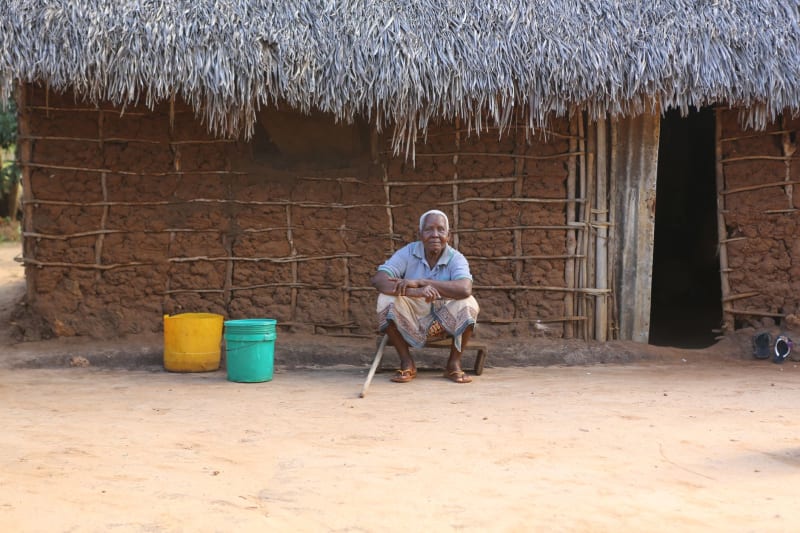
Behind the stark statistics and official declarations lies a tapestry of human suffering and resilience. Families in affected regions of the DRC and Uganda are grappling with the devastating loss of loved ones, the agonizing fear of infection, and the profound disruption to their daily lives. Children, particularly vulnerable, are orphaned or left without primary caregivers, facing an uncertain future. The stigma associated with Ebola often isolates survivors and their families, adding another layer of trauma to an already unbearable situation. Healthcare workers, often local heroes, put their lives on the line daily, working in extremely challenging conditions, sometimes facing hostility and violence from communities wary of outsiders or misinformation.
The psychological toll on these communities is immense. Generations have endured conflict, displacement, and poverty, and now they face the relentless threat of a deadly virus. The traditional burial practices, deeply ingrained in cultural and spiritual beliefs, have been tragically disrupted by the necessity of safe burials to prevent further transmission, leading to profound grief and a sense of disrespect for the deceased. This clash between public health imperatives and deeply held cultural norms often fuels mistrust and resistance, making it even harder for health responders to gain the cooperation needed to save lives. The loss of community leaders, elders, and traditional healers to the virus further erodes the social fabric, leaving a void that is difficult to fill.
Moreover, the economic impact on these already fragile regions is crippling. Markets are disrupted, trade routes are affected, and the fear of contagion deters economic activity. Farmers cannot tend their fields, small businesses shutter, and daily wage earners lose their livelihoods, pushing more families into extreme poverty. The long-term consequences of this outbreak extend far beyond the immediate health crisis, threatening to unravel years of development efforts and exacerbate existing humanitarian challenges. The human face of this emergency is one of profound vulnerability, courage, and an urgent plea for sustained, compassionate support.
How We Got Here
This current Ebola outbreak, declared in August 2018, marks the tenth such epidemic in the Democratic Republic of Congo's history, but it quickly distinguished itself as the second-largest and most complex. The initial cases were identified in North Kivu province, a region long plagued by chronic conflict, political instability, and the presence of numerous armed groups. This volatile environment has fundamentally hampered public health efforts from the outset, making traditional containment strategies incredibly difficult to implement effectively. The constant movement of populations due to conflict, coupled with a dense population in urban centers like Butembo and Beni, created fertile ground for rapid viral spread.
A critical turning point arrived with the confirmation of an Ebola case in Goma, a bustling city of over two million people situated on the Rwandan border and a major transit hub for goods and people across the Great Lakes region. This development dramatically elevated the risk profile of the outbreak, as Goma's connectivity significantly increases the potential for international spread. The patient, a pastor, had traveled from Butembo, an epicenter of the outbreak, to Goma by bus, exposing numerous individuals along the route. While swift action was taken to isolate the case and trace contacts, the incident underscored the precariousness of the situation and the virus's ability to penetrate major urban areas despite intensive surveillance.
The World Health Organization's decision to declare a Public Health Emergency of International Concern (PHEIC) was not made lightly. For months, the WHO had resisted the declaration, citing concerns that it might lead to counterproductive travel and trade restrictions, or that it might not significantly alter the operational response on the ground. However, the Goma case, combined with persistent challenges in containing the virus, including attacks on health workers, community resistance, and the sustained high number of new infections, ultimately compelled the Director-General to act. This declaration, coming after multiple previous rejections, reflects the growing alarm within the international public health community regarding the trajectory and potential regional implications of this unprecedented outbreak.
Why This Cannot Be Ignored
The declaration of a Public Health Emergency of International Concern (PHEIC) for the Ebola outbreak in the DRC and Uganda is not merely a bureaucratic formality; it is a critical alarm bell that demands immediate and robust global attention. This designation by the WHO signifies that the outbreak poses a significant risk to public health beyond national borders and requires a coordinated international response. Ignoring this call could lead to catastrophic consequences, not only for the affected regions but potentially for the wider international community. The interconnectedness of our world means that a localized epidemic, if left unchecked, can quickly become a global threat, impacting economies, travel, and public health systems far beyond its origin.
The stakes are incredibly high. The current outbreak is unfolding in a region already destabilized by decades of conflict, poverty, and displacement. This volatile environment creates a perfect storm, making traditional public health interventions incredibly challenging. Attacks on health workers, widespread misinformation, and deep-seated community mistrust have severely hampered vaccination efforts, contact tracing, and safe burial practices. If the virus continues to spread unchecked, particularly into densely populated urban centers or across porous international borders, the capacity of local and national health systems will be completely overwhelmed, leading to an even higher death toll and further destabilization of an already fragile region. The humanitarian crisis would deepen exponentially.
Beyond the immediate human cost, the economic repercussions of a prolonged and expanding Ebola crisis are immense. Travel advisories and potential trade restrictions, even if not officially mandated by the WHO, can cripple local economies, exacerbate poverty, and disrupt supply chains. Furthermore, the global health security implications are profound; a failure to contain this outbreak effectively could erode confidence in international public health mechanisms and leave the world more vulnerable to future pandemics. Therefore, a concerted, well-funded, and politically supported international effort is not just an act of humanitarianism, but a crucial investment in global health security and stability.
Possible Paths Forward
Effectively combating this complex Ebola outbreak requires a multi-pronged strategy that addresses both the immediate public health crisis and the underlying socio-political challenges. One critical path forward involves significantly scaling up funding and resources for the response. The PHEIC declaration is expected to unlock greater international financial commitments, but these funds must be rapidly deployed to frontline efforts, including expanding vaccination campaigns, bolstering contact tracing teams, improving diagnostic capabilities, and ensuring adequate supplies of personal protective equipment for health workers. Furthermore, investment in local health infrastructure and training for local personnel is paramount to build long-term resilience.
Another essential path involves dramatically improving community engagement and trust. The persistent resistance and hostility encountered by health workers are often rooted in misinformation, historical grievances, and a lack of understanding regarding the response efforts. Strategies must be developed in close consultation with local leaders, community elders, and religious figures to build bridges of trust. This includes transparent communication about the disease, respectful adaptation of public health measures to local cultural contexts where possible, and ensuring that communities feel ownership over the response. Addressing the legitimate security concerns of health workers and protecting them from attacks is also non-negotiable, requiring robust security measures and engagement with all relevant stakeholders, including armed groups where feasible.
Finally, a sustainable path forward necessitates a regional approach that recognizes the cross-border nature of the threat. This involves enhanced collaboration between the DRC, Uganda, Rwanda, and other neighboring countries on surveillance, information sharing, and coordinated border health screenings. Strengthening health systems in these vulnerable border regions is crucial to prevent future outbreaks from spiraling out of control. Furthermore, long-term development initiatives that address the root causes of instability, poverty, and lack of access to basic services will ultimately create a more resilient environment less susceptible to such devastating epidemics. The international community must commit to sustained engagement, moving beyond crisis response to genuine partnership for lasting health security.
Questions People Are Actually Asking
What to Watch
- The trajectory of new confirmed cases in Goma and surrounding urban areas: Any significant increase in Goma would indicate a major escalation, demanding even more aggressive containment strategies and potentially leading to broader travel advisories.
- Security situation in North Kivu and Ituri provinces: Continued attacks on health workers or increased instability will severely impede response efforts, making it nearly impossible to reach affected communities and vaccinate at-risk populations effectively.
- Effectiveness of cross-border surveillance and screening measures: Vigilance at the borders between DRC, Uganda, and Rwanda is critical to prevent the virus from establishing new chains of transmission in neighboring countries, which would expand the emergency.
- International funding and resource mobilization: The PHEIC declaration should unlock more funding; watch for concrete commitments from donor countries and how quickly these resources translate into tangible support on the ground.
- Community engagement and acceptance of public health interventions: Observe whether efforts to build trust and address misinformation lead to increased cooperation from local communities regarding vaccination, contact tracing, and safe burial practices.
- Development and deployment of new experimental treatments: While a vaccine exists, the availability and widespread deployment of effective therapeutic treatments could significantly reduce mortality rates and change the dynamics of the response, so watch for updates on their use.
















Comments
No comments yet. Be the first to comment!