

What We Know
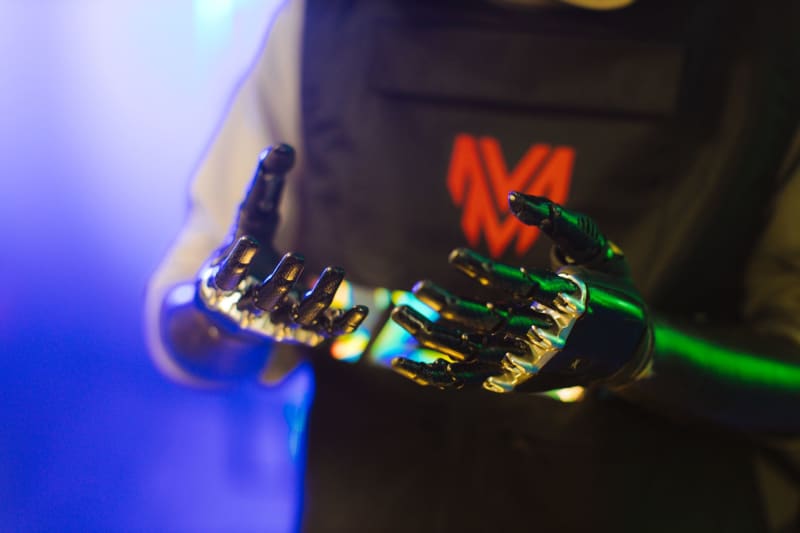
- A groundbreaking prosthetic hand, developed by researchers at the University of Utah, has achieved a level of dexterity and sensory feedback previously considered impossible, allowing amputees to perform intricate tasks with remarkable precision and a sense of touch.
- Scientists have identified a specific protein, p-tau217, as a highly accurate biomarker for detecting Alzheimer's disease in its earliest stages, even before significant cognitive decline manifests, offering a critical window for intervention.
- The p-tau217 protein can be detected through a simple blood test, making it a far less invasive and more accessible diagnostic tool compared to traditional methods like PET scans or spinal taps, which are often costly and uncomfortable.
- E-bike-related injuries among children and adolescents are surging dramatically, with emergency rooms reporting a significant increase in severe fractures, head trauma, and internal injuries directly attributable to these powered bicycles.
- Many e-bike accidents involving minors are linked to excessive speeds, lack of appropriate safety gear, and insufficient training or supervision, highlighting a critical gap in public awareness and regulatory oversight.
- The new prosthetic technology integrates directly with the user's nervous system, translating brain signals into movement and providing real-time sensory feedback, which profoundly enhances the user's ability to interact with their environment naturally.
What We Do Not Know Yet
- The long-term durability and maintenance requirements of the advanced prosthetic hand, especially regarding its intricate neural interfaces and battery life, are still under extensive evaluation and require more comprehensive data.
- The exact timeline for widespread clinical availability and insurance coverage for the p-tau217 blood test remains uncertain, as further regulatory approvals and integration into standard diagnostic protocols are pending.
- Whether early detection of Alzheimer's via p-tau217 will lead to significantly improved patient outcomes through existing or forthcoming treatments, or if it primarily serves as a diagnostic confirmation, is an ongoing area of research.
- The specific regulatory frameworks and age restrictions, if any, that will be implemented to address the rising tide of e-bike injuries among minors are still being debated and developed by various legislative bodies.
- The full scope of potential side effects or unforeseen complications associated with the direct neural integration of the prosthetic device, particularly concerning long-term neurological health, is still being meticulously studied.
- The most effective public health campaigns and educational strategies needed to mitigate the risks of e-bike use among young riders, including mandatory helmet laws and speed governors, have yet to be universally adopted or proven.
Background
The field of prosthetics has seen incremental advancements over decades, but the recent breakthrough from the University of Utah marks a significant leap forward. Traditional prosthetics often provide limited functionality, relying on muscle contractions or rudimentary controls that fail to replicate the nuanced movements and sensory feedback of a natural limb. This new development, however, integrates directly with the user's nervous system, translating brain signals into remarkably precise movements and providing a sense of touch, pressure, and even temperature. This level of bio-integration is a game-changer, offering amputees an unprecedented degree of control and a profound connection to their artificial limb, moving beyond mere functionality to genuine embodiment.
Alzheimer's disease, a devastating neurodegenerative condition, affects millions globally, with diagnoses often occurring only after significant cognitive impairment has already taken hold. For years, definitive diagnosis relied on invasive and expensive procedures like PET scans or lumbar punctures to detect amyloid plaques and tau tangles in the brain. The discovery of p-tau217 as a reliable blood-based biomarker represents a monumental shift. This protein's presence in the blood, even at very early stages, offers a simple, accessible, and cost-effective method for early detection, potentially revolutionizing how we screen for and manage Alzheimer's, opening new avenues for timely interventions and personalized treatment strategies.
E-bikes have exploded in popularity, offering a convenient and eco-friendly mode of transport. However, this surge has brought an alarming increase in injuries, particularly among children and adolescents. Unlike traditional bicycles, e-bikes can reach higher speeds with less effort, often catching young riders unprepared for the increased momentum and stopping distances. Many children are riding powerful e-bikes designed for adults, without adequate training, supervision, or protective gear. This growing public health concern necessitates urgent attention from parents, educators, and policymakers to establish clear safety guidelines, enforce age-appropriate usage, and ensure that the thrill of e-biking doesn't come at the cost of serious injury.
Why It Matters
The advancement in prosthetic technology is not merely an engineering feat; it profoundly impacts the quality of life for amputees. By restoring a sense of touch and intuitive control, this prosthetic hand can dramatically improve an individual's independence, self-sufficiency, and psychological well-being. Imagine the ability to feel the texture of a loved one's hand, to grasp delicate objects without fear of crushing them, or to perform complex tasks with confidence. This innovation transcends physical restoration, offering a pathway to reintegration into daily life and professional activities, fostering a renewed sense of normalcy and capability that was previously unattainable for many.
Early detection of Alzheimer's disease through the p-tau217 blood test is a monumental step towards combating a disease that has long eluded effective treatment. Identifying Alzheimer's years before severe symptoms appear provides a critical window for potential interventions, whether through lifestyle modifications, emerging drug therapies, or participation in clinical trials. This early insight empowers patients and their families to plan for the future, make informed decisions, and potentially slow the progression of the disease, transforming a diagnosis from a late-stage pronouncement into an opportunity for proactive management and improved long-term outlooks.
The escalating rate of e-bike injuries among children is a pressing public safety crisis that demands immediate attention. These aren't minor scrapes; emergency rooms are seeing severe fractures, concussions, and internal injuries that can have long-lasting consequences for young riders. Parents must understand that e-bikes are not toys and require the same level of caution and supervision as other motorized vehicles. Without proper safety education, helmet usage, and age-appropriate restrictions, the joy of riding an e-bike can quickly turn into a devastating accident, placing an immense burden on families and healthcare systems alike. This issue underscores the urgent need for comprehensive safety measures and parental vigilance.
Timeline of Events
- **Early 2000s:** Initial research into brain-computer interfaces (BCIs) for prosthetic control begins, laying the groundwork for direct neural integration.
- **2012:** First significant studies on blood-based biomarkers for Alzheimer's disease begin to emerge, though initial findings are often inconclusive or lack specificity.
- **2018:** Reports from emergency departments in various regions begin to note a gradual but steady increase in e-bike related injuries, particularly among younger demographics.
- **Late 2022:** University of Utah researchers announce preliminary successes with their advanced prosthetic hand, demonstrating unprecedented dexterity and sensory feedback in controlled lab environments.
- **Early 2023:** Multiple independent research groups publish findings confirming the high accuracy of p-tau217 as an early diagnostic marker for Alzheimer's, validating its potential for widespread clinical use.
- **Mid-2023:** Major medical journals feature articles detailing the alarming surge in e-bike accidents involving minors, prompting calls for increased public awareness and regulatory action from safety advocates.
- **Late 2023:** The advanced prosthetic hand undergoes initial human trials, showing promising results in restoring complex motor functions and tactile sensation for amputee participants.
- **Early 2024:** Discussions intensify among medical professionals and policymakers regarding the integration of the p-tau217 blood test into routine medical screenings and its potential impact on early Alzheimer's intervention strategies.
- **Present:** Public health campaigns are being developed and rolled out in several communities to educate parents and children about e-bike safety, emphasizing helmet use, speed limits, and appropriate age guidelines.

Rapid-Fire Q&A
What Is Coming
- Further clinical trials and refinements for the advanced prosthetic hand are expected, focusing on long-term user experience, durability, and expanding its capabilities to include more nuanced sensory inputs and motor controls.
- Expect accelerated efforts towards regulatory approval and integration of the p-tau217 blood test into routine medical practice, potentially leading to its widespread availability as a primary screening tool for Alzheimer's disease within the next few years.
- Increased public health campaigns and legislative discussions are anticipated to address e-bike safety, potentially leading to new age restrictions, mandatory helmet laws, speed limits, and educational programs for young riders and their parents.
- Research will likely continue into optimizing the neural interface of the prosthetic hand, aiming to reduce invasiveness and improve the stability and longevity of the implanted electrodes, making the technology more accessible and reliable.
- The development of new Alzheimer's treatments specifically designed to be effective in the very early stages of the disease, spurred by the advent of highly accurate early detection methods like the p-tau217 test, is a significant area of ongoing pharmaceutical research.
- We may see the emergence of standardized training programs and certifications for e-bike users, particularly minors, to ensure they understand the risks and proper operation of these powered vehicles before they hit the roads.












Comments
No comments yet. Be the first to comment!