

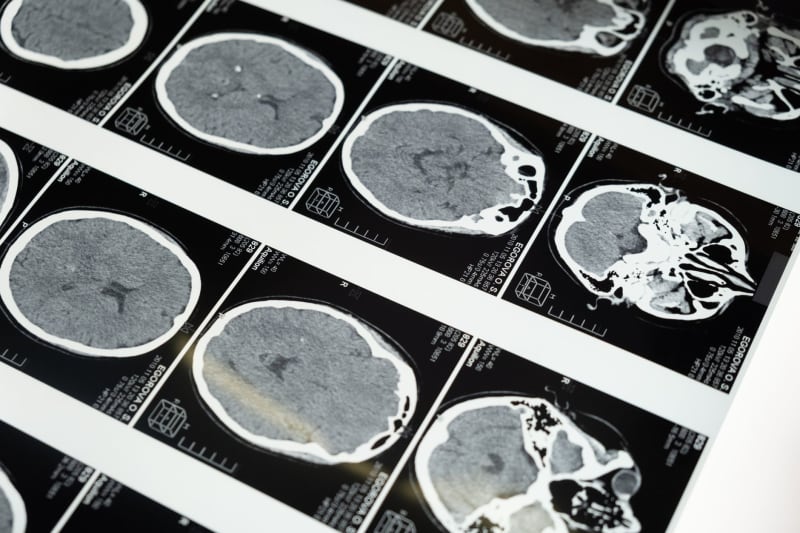
What We Know
- A novel immunotherapy approach is being developed to combat aggressive brain tumors, specifically focusing on glioblastoma, which is notoriously difficult to treat due to its invasive nature and resistance to conventional therapies.
- This innovative strategy employs a dual-pronged attack, targeting both the cancerous cells directly and the immunosuppressive microenvironment that typically shields these tumors from the body's natural defenses.
- The research highlights the critical role of tumor-associated macrophages (TAMs) in glioblastoma progression, identifying them as key players in creating an environment where cancer can thrive unchecked.
- Scientists are leveraging advanced genetic engineering techniques to modify the immune response within the brain, aiming to convert these 'accomplice' immune cells into tumor-fighting agents.
- Early preclinical studies have demonstrated promising results, showing significant reduction in tumor growth and improved survival rates in animal models, suggesting a potential paradigm shift in glioblastoma treatment.
- The strategy involves re-educating the immune system to recognize and attack tumor cells more effectively, overcoming the inherent challenges of drug delivery across the blood-brain barrier and the tumor's complex heterogeneity.
What We Do Not Know Yet
- The full spectrum of potential long-term side effects and adverse reactions in human patients remains largely unknown, as the therapy is still in its early developmental stages and has not yet entered extensive clinical trials.
- How effectively this immunotherapy will translate from preclinical animal models to human glioblastoma patients, given the significant biological differences and complexities of human brain tumors, is a critical unanswered question.
- The optimal dosage, frequency, and delivery methods for this specific immunotherapy in a clinical setting have yet to be determined, requiring extensive future research and meticulous trial design.
- Whether this approach will be effective across all subtypes and genetic variations of glioblastoma, or if certain patient populations will respond more favorably than others, is still under investigation.
- The cost-effectiveness and accessibility of such an advanced, genetically engineered immunotherapy, should it prove successful, are important considerations that will impact its widespread adoption and patient access.
- The potential for tumor resistance or adaptation to this new therapy over time, and strategies to mitigate such resistance, are crucial areas that require ongoing research and monitoring as the treatment evolves.
Background
Glioblastoma multiforme (GBM) stands as one of the most aggressive and devastating forms of brain cancer, characterized by its rapid growth, highly infiltrative nature, and profound resistance to conventional treatments such as surgery, radiation, and chemotherapy. Despite decades of intense research, the prognosis for GBM patients remains grim, with a median survival time often measured in mere months. This dire outlook underscores an urgent, unmet need for innovative therapeutic strategies that can fundamentally alter the disease trajectory and offer genuine hope to those afflicted.
A major challenge in treating GBM lies in its unique microenvironment, a complex ecosystem within the brain that actively suppresses the immune system, effectively creating a protective shield around the tumor. This immunosuppressive milieu is heavily orchestrated by various cellular components, most notably tumor-associated macrophages (TAMs). These TAMs, instead of attacking the cancer, are hijacked by the tumor to promote its growth, invasion, and resistance to therapy, acting as unwitting accomplices in the disease's progression. Understanding and reprogramming these cells is paramount.
Traditional immunotherapies, which have revolutionized the treatment of many other cancers, have largely failed to make significant inroads against GBM. This failure is primarily attributed to the formidable blood-brain barrier, which restricts drug delivery, and the intensely immunosuppressive nature of the brain tumor microenvironment itself. The current research represents a pivotal shift, moving beyond simply activating immune cells to directly engaging and re-educating the very cells that enable tumor survival, thereby attempting to turn the tumor's own defenses against it.
Why It Matters
This novel immunotherapy strategy holds immense significance because it directly addresses the fundamental biological hurdles that have historically rendered glioblastoma so intractable. By simultaneously targeting cancer cells and reprogramming the tumor's immune microenvironment, it offers a multi-faceted attack that could potentially overcome the tumor's notorious resistance mechanisms. This represents a critical departure from single-target therapies, which often fall short against such a complex and adaptable disease, providing a more comprehensive and potentially durable therapeutic effect.
The potential to transform tumor-associated macrophages (TAMs) from cancer promoters into tumor suppressors is a game-changer. These cells are abundant in glioblastomas and play a central role in shielding the tumor from immune attack and facilitating its growth. Repurposing these 'accomplice' cells to actively fight the tumor could dramatically enhance the efficacy of immunotherapy, making the brain's immune system an ally rather than a bystander. This paradigm shift could unlock new avenues for treating not only glioblastoma but potentially other challenging solid tumors with similar immunosuppressive microenvironments.
For patients diagnosed with glioblastoma, current treatment options offer limited hope and often come with debilitating side effects. A breakthrough in this area would not only extend lives but also significantly improve the quality of life for individuals and their families grappling with this devastating diagnosis. The development of an effective immunotherapy could redefine the standard of care, offering a desperately needed new weapon in the fight against one of the most aggressive and lethal cancers known to medicine, bringing genuine hope where little currently exists.
Timeline of Events
- Early 2000s: Initial research identifies the significant role of the tumor microenvironment, particularly immune cells like macrophages, in promoting glioblastoma progression and resistance to therapy, laying the groundwork for targeted immune modulation.
- Mid-2010s: Advances in genetic sequencing and cellular immunology enable a deeper understanding of the specific molecular pathways by which glioblastoma cells manipulate the immune system, highlighting targets for intervention.
- Late 2010s: Development of sophisticated in vitro and in vivo models of glioblastoma allows researchers to test novel therapeutic agents that aim to reprogram tumor-associated macrophages (TAMs) and enhance anti-tumor immunity.
- Early 2020s: Preclinical studies begin to demonstrate the feasibility and efficacy of combining direct tumor targeting with immune microenvironment modulation, showing promising results in animal models of aggressive brain tumors.
- Mid-2020s: The current research, detailed in the article, is published, showcasing a novel immunotherapy strategy that successfully targets both cancer cells and their immune cell accomplices, leading to significant tumor regression and improved survival in preclinical settings.
- Late 2020s (Projected): Anticipated initiation of Phase 1 clinical trials in human patients, pending further regulatory approvals and successful toxicology studies, to assess the safety and preliminary efficacy of this groundbreaking immunotherapy.
- Early 2030s (Projected): Potential progression to larger Phase 2 and Phase 3 clinical trials, if initial human trials prove safe and show efficacy, moving closer to potential regulatory approval and widespread clinical application for glioblastoma patients.

Rapid-Fire Q&A
What Is Coming
- The immediate future will focus on rigorous validation and optimization of this immunotherapy strategy in more complex preclinical models, including patient-derived xenografts, to ensure its robustness and broad applicability across diverse glioblastoma subtypes.
- Extensive toxicology studies will be conducted to meticulously assess the safety profile of this novel therapy, identifying any potential off-target effects or adverse reactions before it can advance to human trials, a critical step for regulatory approval.
- The development of precise biomarkers will be crucial to identify patients most likely to respond to this therapy, enabling personalized treatment approaches and maximizing the chances of clinical success in future human trials.
- Anticipate the submission of Investigational New Drug (IND) applications to regulatory bodies, a pivotal step that, if approved, will allow the initiation of Phase 1 clinical trials in human patients, marking a significant milestone in its development.
- Future research will also explore potential combination therapies, investigating how this immunotherapy can be synergistically paired with existing treatments or other emerging modalities to further enhance its efficacy against aggressive brain tumors.
- As clinical trials progress, there will be an increased focus on understanding the long-term effects, durability of response, and potential for resistance mechanisms to emerge, guiding future refinements and adaptations of the treatment strategy.

















Comments
No comments yet. Be the first to comment!