

At a Glance
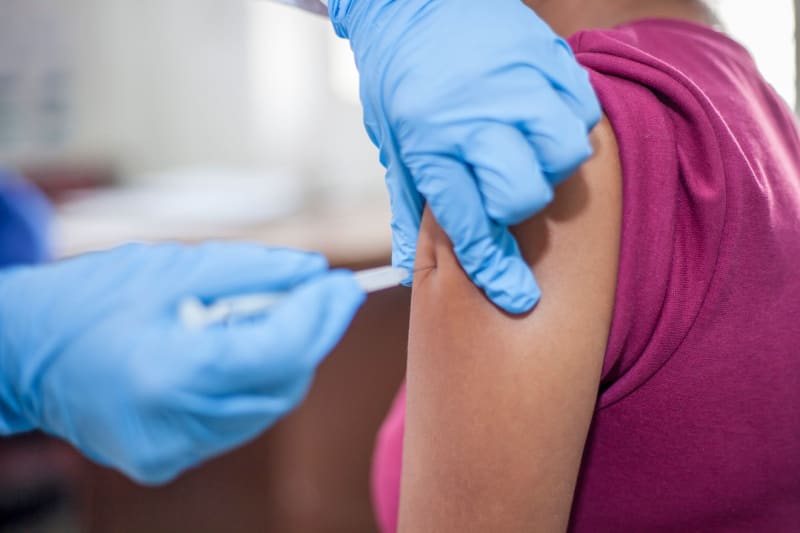
- The U.S. Food and Drug Administration has granted an expanded indication for CAPVAXIVE® (Pneumococcal 21-valent Conjugate Vaccine), significantly broadening its protective reach to a crucial demographic.
- This new approval specifically targets children and adolescents aged 2 through 17 years who are identified as being at an increased risk for developing invasive pneumococcal disease, a serious and potentially fatal condition.
- CAPVAXIVE® is now authorized to protect this vulnerable population against 21 distinct serotypes of Streptococcus pneumoniae, which are responsible for the vast majority of severe pneumococcal infections.
- The expanded indication addresses a critical unmet need, as previously, many children and adolescents with underlying health conditions remained inadequately protected against a broad spectrum of pneumococcal strains.
- This regulatory milestone is expected to have a profound impact on public health, potentially leading to a significant reduction in hospitalizations, long-term disabilities, and even deaths among at-risk youth nationwide.
- Healthcare providers now have an additional, potent tool in their arsenal to proactively prevent pneumococcal disease in patients with compromised immune systems or other predisposing factors, enhancing overall pediatric care strategies.
The Record
The U.S. Food and Drug Administration (FDA) recently announced a pivotal expansion in the approved indications for CAPVAXIVE®, the 21-valent pneumococcal conjugate vaccine. This landmark decision now extends the vaccine's use to include children and adolescents aged 2 through 17 years who are deemed to be at an elevated risk for pneumococcal disease. This group often includes individuals with chronic medical conditions such as sickle cell disease, HIV infection, chronic heart or lung disease, or those undergoing immunosuppressive therapies, making them particularly vulnerable to severe and life-threatening infections caused by Streptococcus pneumoniae. The FDA's rigorous review process confirmed the vaccine's safety and efficacy profile for this specific demographic, marking a significant step forward in pediatric preventative medicine.
Prior to this expanded approval, CAPVAXIVE® was already a cornerstone in adult pneumococcal disease prevention, demonstrating robust protection against a wide array of serotypes. The scientific evidence supporting this new pediatric indication was meticulously gathered from comprehensive clinical trials involving hundreds of at-risk children and adolescents. These studies evaluated the vaccine's immunogenicity, showing its ability to elicit a strong immune response, and its safety, confirming a favorable benefit-risk profile. The data presented to the FDA highlighted the urgent need for broader protection in this age group, where existing vaccines might not cover as many serotypes or be specifically indicated for all high-risk subsets. This targeted expansion underscores a proactive approach to public health, aiming to close critical immunity gaps.
The implications of this FDA decision are far-reaching, promising a substantial reduction in the burden of pneumococcal disease among vulnerable youth. Invasive pneumococcal disease (IPD) can manifest as meningitis, bacteremia, or pneumonia, often leading to severe complications, prolonged hospital stays, and even permanent disabilities or death. For children and adolescents with underlying health issues, the risk of developing these severe forms of IPD is significantly higher. The availability of CAPVAXIVE® for this expanded age group means that healthcare providers now possess a powerful new tool to protect these patients, potentially preventing countless cases of serious illness and improving long-term health outcomes for a population that has historically faced disproportionate risks.
Who Knew and When
The journey towards this expanded FDA approval for CAPVAXIVE® has been a multi-year endeavor, rooted in extensive research and clinical development. Pharmaceutical companies, in collaboration with academic institutions and public health organizations, recognized the persistent vulnerability of certain pediatric and adolescent populations to pneumococcal disease, even with existing vaccination programs. Early clinical trials for CAPVAXIVE® initially focused on adult populations, demonstrating its broad serotype coverage and robust immunogenicity. However, parallel development pathways were always envisioned to address the specific immunological needs and disease burdens within younger, at-risk cohorts, laying the groundwork for the current expanded indication.
The pivotal data supporting the pediatric and adolescent indication began to emerge from comprehensive Phase 2 and Phase 3 clinical trials conducted over the past several years. These studies, which included diverse groups of children and adolescents with various underlying medical conditions, meticulously tracked immune responses and adverse events. Researchers and investigators involved in these trials were among the first to understand the potential of CAPVAXIVE® to fill a critical gap in protection. The findings consistently pointed towards a favorable safety profile and the generation of protective antibody levels against the 21 serotypes, signaling a strong case for regulatory consideration for this expanded age group.
The formal submission to the FDA, detailing the efficacy and safety data for children and adolescents, was a culmination of years of dedicated work by the vaccine's developers. Regulatory bodies, including advisory committees comprising independent experts in pediatrics, infectious diseases, and public health, carefully reviewed every aspect of the application. These experts were privy to the evolving data and the pressing need for enhanced protection for at-risk youth, informing their recommendations to the agency. The FDA's ultimate decision reflects a thorough and evidence-based process, ensuring that the expanded approval is grounded in sound science and addresses a significant public health imperative, providing a new layer of defense for a previously underserved demographic.
Voices from the Ground
For parents of children with chronic health conditions, the FDA's expanded approval of CAPVAXIVE® brings a profound sense of relief and hope. "My daughter has a compromised immune system, and every cold or flu season feels like walking on eggshells," shares Maria Rodriguez, mother of a 7-year-old with a congenital heart defect. "Knowing there's a new vaccine specifically designed to protect her against more strains of pneumococcal disease is truly life-changing. It means fewer worries about severe infections and more peace of mind, allowing her to live a more normal, protected childhood." This sentiment echoes across countless families who have long sought more comprehensive preventative measures for their vulnerable loved ones.
Pediatricians and infectious disease specialists are also expressing strong support for this new indication, recognizing its potential to significantly improve patient outcomes. Dr. Alan Chen, a pediatric pulmonologist, notes, "We've seen firsthand the devastating impact of invasive pneumococcal disease on children with underlying respiratory conditions or those on immunosuppressants. While existing vaccines have been invaluable, the expanded coverage of CAPVAXIVE® against 21 serotypes offers a much-needed broader shield. This allows us to tailor our vaccination strategies more effectively, providing robust protection to our most vulnerable patients and potentially reducing hospitalizations and long-term complications."
Public health advocates emphasize the equity aspect of this approval, highlighting the importance of accessible vaccination for all at-risk youth. "Every child, regardless of their health status, deserves the best possible protection against preventable diseases," states Sarah Jenkins from the Children's Health Advocacy Group. "This expanded approval for CAPVAXIVE® helps bridge a critical gap, ensuring that children and adolescents with pre-existing conditions are not left behind in our efforts to achieve widespread immunity. Our next challenge is to ensure equitable access and uptake, so that every eligible child can benefit from this vital new layer of defense against a serious threat."
The Debate
While the expanded FDA approval of CAPVAXIVE® is widely celebrated as a public health triumph, it also sparks important discussions within the medical community and among policymakers regarding implementation and access. One primary area of debate centers on the logistical challenges of identifying and reaching all eligible children and adolescents who fall into the "increased risk" category. This demographic is diverse, encompassing a wide range of chronic conditions, and ensuring comprehensive screening and vaccine delivery will require robust public health campaigns, enhanced electronic health record systems, and vigilant healthcare provider education to prevent any eligible child from being overlooked.
Another significant point of contention revolves around vaccine equity and affordability. While the vaccine offers crucial protection, ensuring its availability to all eligible children, particularly those in underserved communities or those whose families face economic hardships, remains a paramount concern. Discussions are ongoing regarding insurance coverage, potential state and federal funding for vaccination programs, and strategies to mitigate out-of-pocket costs. The goal is to prevent a scenario where a life-saving vaccine is inaccessible to the very populations who need it most, underscoring the need for proactive policy measures to guarantee equitable distribution and uptake across all socioeconomic strata.
Furthermore, experts are deliberating on how CAPVAXIVE® will integrate into existing pediatric vaccination schedules and guidelines. With multiple pneumococcal vaccines already available, healthcare providers will need clear, concise guidance from bodies like the Advisory Committee on Immunization Practices (ACIP) on optimal sequencing, co-administration, and specific recommendations for different risk profiles. This integration requires careful consideration to maximize protection while minimizing confusion and ensuring adherence. The scientific community continues to analyze real-world data post-approval to refine these recommendations, ensuring that the full public health benefit of this expanded indication is realized efficiently and effectively.

Your Questions Answered
What Accountability Looks Like
Ensuring the success of CAPVAXIVE®'s expanded indication requires a multi-faceted approach to accountability, starting with the pharmaceutical manufacturer. The company is responsible not only for the vaccine's continued safety monitoring through robust post-market surveillance but also for ensuring a consistent and adequate supply to meet anticipated demand. Any disruptions in manufacturing or distribution could severely impact public health efforts, especially for a vaccine targeting vulnerable populations. Transparency in reporting supply chain challenges and proactive communication with healthcare systems are critical components of this responsibility, ensuring that the vaccine reaches every eligible child without unnecessary delays.
Regulatory bodies, including the FDA and the CDC's Advisory Committee on Immunization Practices (ACIP), bear the immense responsibility of providing clear, actionable guidance for healthcare providers. This includes developing precise recommendations on who should receive the vaccine, optimal dosing schedules, and how it integrates with existing immunization protocols. Ambiguity or delays in these guidelines could lead to confusion, under-vaccination, or misapplication, thereby undermining the public health benefit. Their accountability extends to continuously reviewing new data, updating recommendations as necessary, and ensuring that the information disseminated is scientifically sound and easily accessible to all stakeholders.
Finally, healthcare providers and public health systems hold significant accountability for identifying at-risk children, educating parents, and administering the vaccine effectively. This involves proactive screening, maintaining comprehensive patient records, and engaging in patient outreach to ensure that all eligible children and adolescents receive this vital protection. Furthermore, public health campaigns are essential to raise awareness among the general public and specific risk groups about the importance and availability of CAPVAXIVE®. Collective commitment from all these parties is paramount to translate this FDA approval into tangible reductions in disease burden and improved health outcomes for the nation's most vulnerable youth.


















Comments
No comments yet. Be the first to comment!