

What We Know
- A new locally acquired dengue case has been confirmed in Hillsborough County, marking a significant development in Florida's ongoing struggle with mosquito-borne illnesses.
- This latest case brings the total number of locally acquired dengue infections in Florida for the year to three, indicating a concerning trend of domestic transmission.
- The Florida Department of Health (FDOH) has issued a statewide mosquito-borne illness advisory, urging heightened vigilance and proactive measures from all residents and visitors.
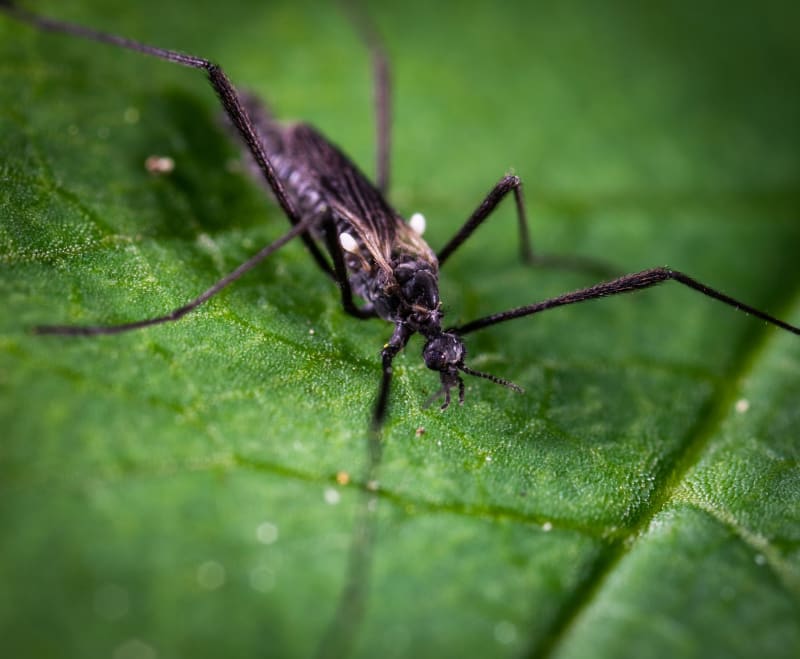
- Dengue fever is a viral infection transmitted to humans through the bite of infected Aedes aegypti and Aedes albopictus mosquitoes, both of which are prevalent in Florida.
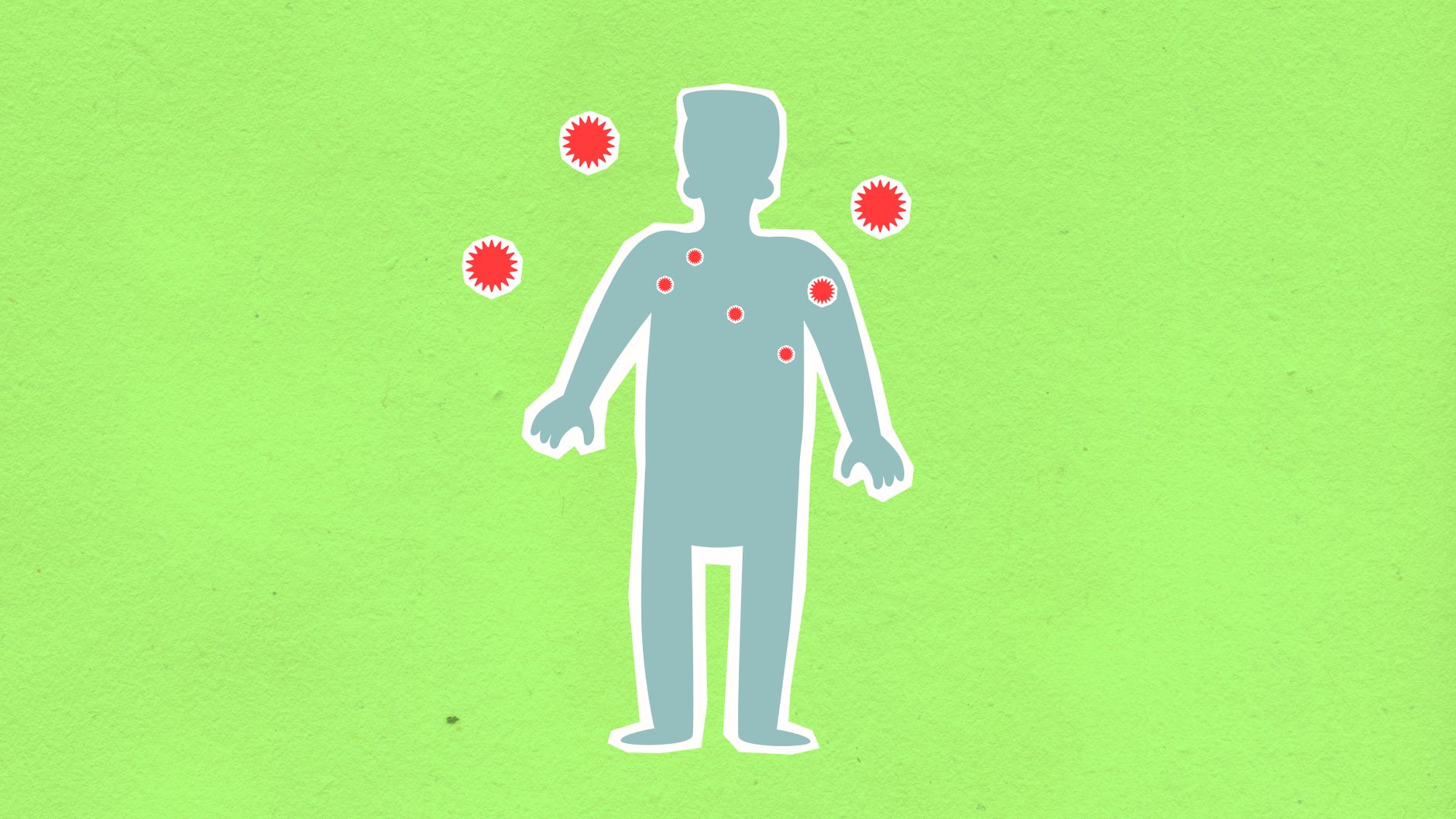
- Symptoms of dengue can range from mild to severe, including high fever, severe headache, joint and muscle pain, rash, and in critical cases, dengue hemorrhagic fever, which can be life-threatening.
- Effective prevention strategies primarily revolve around reducing mosquito populations and minimizing exposure to bites, emphasizing community-wide participation in control efforts.
What We Do Not Know Yet
- The precise travel history or specific exposure location of the newly identified Hillsborough County patient remains under investigation, making it challenging to pinpoint the exact origin of this local transmission.
- Whether this new case is genetically linked to the previous locally acquired cases in Florida or represents an independent introduction of the virus into the local mosquito population is currently unknown.
- The full extent of the mosquito population carrying the dengue virus in Hillsborough County and surrounding areas has not yet been definitively mapped, hindering targeted intervention strategies.
- The specific serotype of the dengue virus involved in this latest case is still pending confirmation, which is crucial for understanding potential severity and previous immunity within the population.
- How many other individuals might have been asymptomatically infected or experienced mild symptoms without seeking medical attention is an unquantified risk, potentially contributing to silent spread.
- The long-term impact of this increased local transmission on Florida's tourism industry and public health infrastructure, particularly as peak mosquito season approaches, is still being assessed.
Background
Dengue fever, often referred to as 'breakbone fever' due to the severe pain it can induce, is a significant global public health challenge, particularly in tropical and subtropical regions. Florida, with its warm climate and abundant mosquito populations, has historically faced sporadic outbreaks and imported cases. The Aedes aegypti mosquito, the primary vector for dengue, thrives in urban environments, breeding in small collections of water found in discarded tires, flower pots, and even clogged gutters. Understanding the lifecycle and habits of these mosquitoes is fundamental to developing effective control strategies and mitigating the risk of widespread transmission within the state.
While most dengue cases in Florida are typically travel-related, meaning individuals acquire the infection while abroad and then return to the state, locally acquired cases represent a more concerning development. These instances indicate that the virus has successfully established a transmission cycle between local mosquitoes and residents, raising the specter of sustained community spread. The first two locally acquired cases this year were reported in Miami-Dade County, a densely populated area with a high volume of international travel, making the emergence of a case in Hillsborough County a significant geographical expansion of the local transmission risk.
The Florida Department of Health has a robust surveillance system in place to monitor for mosquito-borne illnesses, including dengue, Zika, and West Nile virus. This system relies on a combination of human case reporting, mosquito trapping, and sentinel animal surveillance. Upon confirmation of a locally acquired case, health officials typically initiate a rapid response, which includes enhanced mosquito control efforts in the affected area, public education campaigns, and active case finding to identify any additional infections. These measures are critical to containing outbreaks and preventing the virus from becoming endemic in new regions of the state.
Why It Matters
The confirmation of another locally acquired dengue case, particularly in a new county like Hillsborough, is a stark reminder of the persistent threat posed by mosquito-borne diseases in Florida. This isn't just an isolated incident; it signals a potential expansion of the virus's footprint across the state, increasing the risk for a broader segment of the population. Without aggressive intervention, these localized transmissions could coalesce into larger, more challenging outbreaks, straining healthcare resources and impacting daily life. The implications extend beyond individual health, touching upon economic stability, particularly for a state heavily reliant on tourism.
Beyond the immediate health concerns, the increasing frequency of locally acquired cases can erode public confidence in health security and potentially deter tourism. Florida's vibrant economy thrives on its reputation as a safe and attractive destination, and widespread concerns about vector-borne diseases could have significant financial repercussions. Businesses, particularly those in hospitality and outdoor recreation, could face reduced patronage, leading to economic downturns. Therefore, effective public health communication and transparent, proactive measures are not just about disease control, but also about safeguarding the state's economic vitality and global image.
Furthermore, the emergence of dengue in new areas underscores the critical importance of individual responsibility in preventing mosquito breeding. Every resident and property owner has a role to play in eliminating standing water sources, which are prime breeding grounds for Aedes mosquitoes. This collective action, combined with robust public health initiatives, forms the frontline defense against these diseases. Ignoring this threat could lead to a more entrenched problem, making future control efforts exponentially more difficult and costly, ultimately impacting the quality of life for all Floridians.
Timeline of Events
- Early 2024: Florida Department of Health (FDOH) begins heightened surveillance for mosquito-borne illnesses as the weather warms and mosquito activity increases across the state.
- June 2024: The first two locally acquired dengue cases of the year are confirmed in Miami-Dade County, prompting initial advisories and targeted mosquito control efforts in the affected areas.
- Late June 2024: FDOH issues a statewide mosquito-borne illness advisory, emphasizing the importance of 'Drain and Cover' practices and personal protection measures for all residents.
- July 2024: Health officials in Hillsborough County begin investigating a suspected dengue case after a patient presents with classic symptoms and no recent travel history outside the area.
- Mid-July 2024: Laboratory tests confirm the suspected case in Hillsborough County as a locally acquired dengue infection, marking the third such case in Florida for the year and the first outside Miami-Dade.
- Following confirmation: Hillsborough County Health Department, in collaboration with local mosquito control districts, initiates intensified surveillance, public outreach, and targeted spraying in the vicinity of the confirmed case to prevent further spread.
Rapid-Fire Q&A
What Is Coming
- Expect intensified mosquito surveillance and control operations across Hillsborough County, particularly in the vicinity of the confirmed case, involving targeted spraying and public awareness campaigns.
- The Florida Department of Health will likely issue updated advisories, potentially expanding recommendations for personal protection and community-level mitigation efforts as the mosquito season progresses.
- Increased public awareness campaigns are anticipated, emphasizing the critical 'Drain and Cover' message to encourage residents to eliminate standing water and protect themselves from mosquito bites.
- Healthcare providers in Florida will be urged to maintain a high index of suspicion for dengue in patients presenting with fever and other symptoms, especially those without recent travel history.
- Further research and genomic sequencing of the virus from the Hillsborough case may be undertaken to determine its origin and genetic relationship to previous local or imported cases, informing future control strategies.
- There is a strong possibility of additional locally acquired cases emerging in Florida if current transmission cycles are not effectively broken, underscoring the need for sustained vigilance and proactive measures from both health authorities and the public.















Comments
No comments yet. Be the first to comment!