
At a Glance
- Renewed hostilities have erupted in the contested western Tigray region, casting a dark shadow over any prospects for lasting peace and stability in Ethiopia.
- Both the Ethiopian federal government and the Tigray People's Liberation Front (TPLF) are vehemently denying initiating the latest clashes, instead pointing fingers at each other for violating existing understandings.
- The precise scale and immediate impact of the fighting remain unclear due to severe communication blackouts and restricted access to the conflict zones, making independent verification extremely challenging.
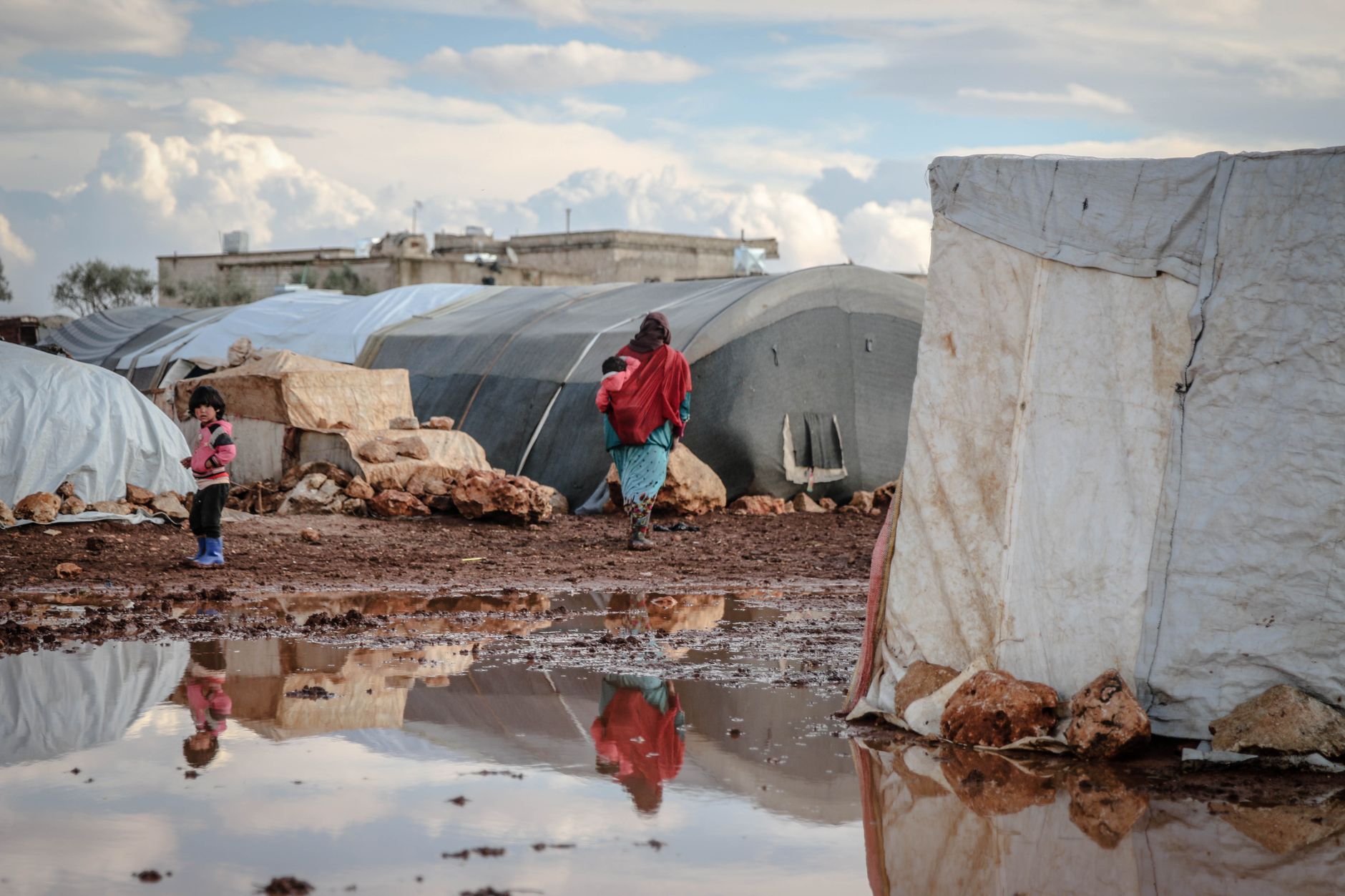
- This resurgence of violence threatens to reignite a conflict that has already claimed countless lives, displaced millions, and pushed the region to the brink of a humanitarian catastrophe.
- International observers and humanitarian organizations are expressing profound alarm, urging all parties to de-escalate immediately and return to the negotiating table without preconditions.
- The contested status of western Tigray, claimed by both Tigrayans and Amhara regional forces, remains a critical flashpoint, fueling a cycle of violence and displacement.
The Record
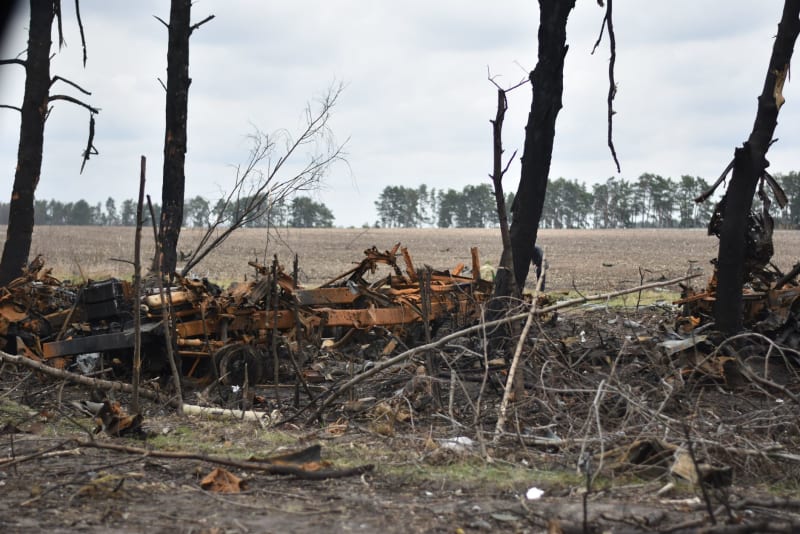
Reports from multiple sources indicate that significant fighting has broken out in several key areas across western Tigray, a region that has been a focal point of contention since the initial outbreak of conflict in November 2020. This latest escalation shatters a period of relative calm, however tenuous, and immediately raises fears of a full-scale return to the devastating war that gripped the nation for two years. The contested nature of this territory, often referred to as 'Western Tigray' or 'Welkait' by different factions, is a deep-seated historical and political issue, making any armed confrontation here particularly volatile and difficult to contain. The strategic importance of this area, including its fertile lands and access routes, amplifies the stakes for all involved parties, further complicating efforts towards a sustainable peace.
The Ethiopian federal government, through its official channels, has issued statements accusing the TPLF of launching unprovoked attacks, asserting that their forces are merely responding to defend national sovereignty and protect civilian populations. These statements often emphasize the government's commitment to peace while simultaneously vowing to neutralize any threats to stability. Such narratives are carefully constructed to frame the government's actions as defensive and legitimate, appealing to both domestic and international audiences. However, the lack of independent verification from the ground makes it incredibly difficult to ascertain the veracity of these claims, leading to a climate of mistrust and conflicting information that only exacerbates the crisis.
Conversely, the Tigray People's Liberation Front (TPLF) has vehemently denied initiating the fresh round of fighting, instead accusing Ethiopian federal forces and their allies, including Amhara regional militias, of launching offensive operations into Tigrayan-held territories. The TPLF's communications often highlight the humanitarian plight of the Tigrayan people and frame their actions as a necessary defense against what they perceive as ongoing aggression and occupation. Both sides are engaged in a sophisticated information war, attempting to control the narrative and garner international sympathy and support. This blame game is not new; it has been a consistent feature of the conflict, making it exceedingly challenging for external actors to mediate effectively or assign responsibility for the renewed violence.
Who Knew and When
Intelligence agencies and diplomatic missions in the region have been closely monitoring the build-up of forces and increasing rhetoric from both sides for weeks, if not months. Whispers of troop movements and heightened military readiness were circulating among humanitarian organizations and local contacts long before the first shots were fired. These early warnings, often dismissed or downplayed by official channels, underscore a critical failure in preventative diplomacy. The international community, despite having access to various intelligence streams, appears to have been unable or unwilling to exert sufficient pressure to de-escalate the situation before it spiraled into open conflict once more. This pattern of ignored early indicators is a tragic hallmark of many protracted conflicts.
Local residents in western Tigray, caught in the crossfire, have consistently reported an increase in military presence and sporadic skirmishes in the weeks leading up to the current escalation. Their testimonies, often shared through clandestine channels due to communication blackouts, paint a grim picture of escalating tensions and a pervasive sense of dread. These firsthand accounts, while difficult to verify independently in real-time, often serve as the most accurate early warning system for impending large-scale violence. The failure to adequately address these local grievances and fears contributes significantly to the erosion of trust in any peace process and fuels further instability across the region.
Furthermore, satellite imagery and open-source intelligence analysts have been tracking significant military deployments and the construction of defensive positions by both federal and TPLF-aligned forces in contested areas. These publicly available data points, when pieced together, clearly indicated a deteriorating security environment and a high probability of renewed conflict. The sheer volume of evidence suggesting an impending confrontation raises serious questions about the effectiveness of international mechanisms designed to prevent conflict and protect civilian populations. It suggests a systemic challenge in translating intelligence into actionable diplomatic interventions that can genuinely avert humanitarian disasters.
Voices from the Ground
A displaced farmer from Humera, who wished to remain anonymous for fear of reprisal, recounted his harrowing escape: 'The sound of heavy artillery started before dawn. We grabbed what little we could and ran, leaving everything behind. This is not peace; this is a nightmare repeating itself. We just want to live without constant fear, to farm our land and raise our children in safety. The promises of peace feel empty when the bullets start flying again.' His voice, filled with despair, encapsulates the profound trauma and uncertainty faced by hundreds of thousands who have already been uprooted multiple times by this conflict.
A humanitarian aid worker operating near the border of Amhara and Tigray regions described the escalating needs: 'We are seeing a fresh wave of displacement, people arriving with nothing, utterly exhausted and terrified. Access to these areas is already severely restricted, and with renewed fighting, it will become even more impossible to deliver life-saving aid. The international community must understand that this isn't just a political struggle; it's a humanitarian catastrophe unfolding before our eyes, with women, children, and the elderly bearing the brunt.' Her plea underscores the critical challenges faced by organizations trying to alleviate suffering in an active conflict zone.
An elder from a village near Tekeze River, speaking with a trembling voice, expressed his profound disappointment: 'We had hoped the worst was over. We started rebuilding, planting seeds, trying to forget the horrors. But now, the war has returned to our doorstep. Our young people are being forced to choose sides again, and our families are being torn apart. Where is the justice? Where is the peace that was promised? We are just pawns in a larger game, suffering the consequences of decisions made far away from our homes.' His words reflect the deep sense of betrayal and hopelessness prevalent among communities who have endured years of conflict and broken promises.
The Debate
The renewed fighting has ignited a fierce debate among international policy circles regarding the effectiveness of previous peace efforts and the feasibility of a lasting resolution. One school of thought argues that the current peace agreement was inherently flawed, failing to address core grievances and the contested status of western Tigray, thus making a resurgence of conflict almost inevitable. Proponents of this view suggest that any future negotiations must tackle these fundamental issues head-on, even if it means a more protracted and difficult diplomatic process, rather than opting for superficial ceasefires that merely postpone the inevitable. They emphasize the need for robust international mediation with significant leverage over all parties.
Another perspective suggests that external actors, particularly regional powers and international bodies, have not exerted sufficient pressure on both the Ethiopian government and the TPLF to genuinely commit to peace. Critics argue that the international community's response has often been reactive rather than proactive, focusing on humanitarian aid after the fact instead of robust preventative diplomacy. This viewpoint calls for a more assertive and unified international front, potentially involving targeted sanctions or stronger diplomatic isolation for any party found to be undermining peace efforts. The debate also touches on the role of Eritrea, whose involvement in the initial conflict and continued presence in the region remains a significant destabilizing factor.
Furthermore, there is an ongoing internal debate within Ethiopia itself about the path forward. Some advocate for a decisive military solution to fully neutralize the TPLF, believing that only through force can the federal government assert its authority and ensure national unity. Others argue for a more inclusive political dialogue that addresses the legitimate concerns of all ethnic groups and regions, including Tigray, to build a truly federal and democratic Ethiopia. This internal division, often amplified by ethnic nationalism, makes it incredibly challenging for any single policy to gain widespread acceptance and further complicates efforts to achieve a durable peace. The future of western Tigray, in particular, remains a highly charged and unresolved issue that continues to fuel this internal contention.
Your Questions Answered
What Accountability Looks Like
Achieving accountability in the context of the renewed fighting in Tigray is a multifaceted challenge, demanding a robust and impartial approach. It begins with establishing clear responsibility for the initiation of hostilities and any violations of international humanitarian law. This requires independent investigations, potentially led by international bodies, to gather evidence, interview witnesses, and analyze satellite imagery and other open-source intelligence. Without a credible process to determine who fired first and who committed atrocities, the cycle of blame and impunity will continue, undermining any future peace efforts. The international community must move beyond mere condemnations to actively support mechanisms that can attribute culpability.
Accountability also extends to ensuring justice for victims of the conflict. This includes documenting human rights abuses, war crimes, and crimes against humanity, and working towards prosecutions at national or international levels. For many, accountability is not just about punishment but also about truth and reparations for the immense suffering endured. Establishing transitional justice mechanisms, such as truth and reconciliation commissions, could offer a path for communities to heal and rebuild trust, although such processes are incredibly complex and require a stable environment. The focus must be on creating avenues for victims to have their voices heard and their grievances addressed meaningfully.
Furthermore, accountability must encompass holding political and military leaders responsible for their decisions and actions that lead to conflict and human rights violations. This means moving beyond the immediate battlefield to examine the command structures and political directives that enable or perpetuate violence. International pressure, including targeted sanctions on individuals or entities found to be undermining peace or committing abuses, could serve as a vital tool. Ultimately, true accountability aims to break the cycle of violence and impunity, fostering a culture where leaders are held to account for their conduct and where the rights and safety of civilians are paramount, even in times of conflict. The current escalation underscores the urgent need for such mechanisms to be put into action.






Comments
No comments yet. Be the first to comment!