
What We Know
- A temporary ceasefire has been successfully implemented, providing a crucial, albeit brief, pause in hostilities that has been widely welcomed by international bodies and humanitarian organizations.
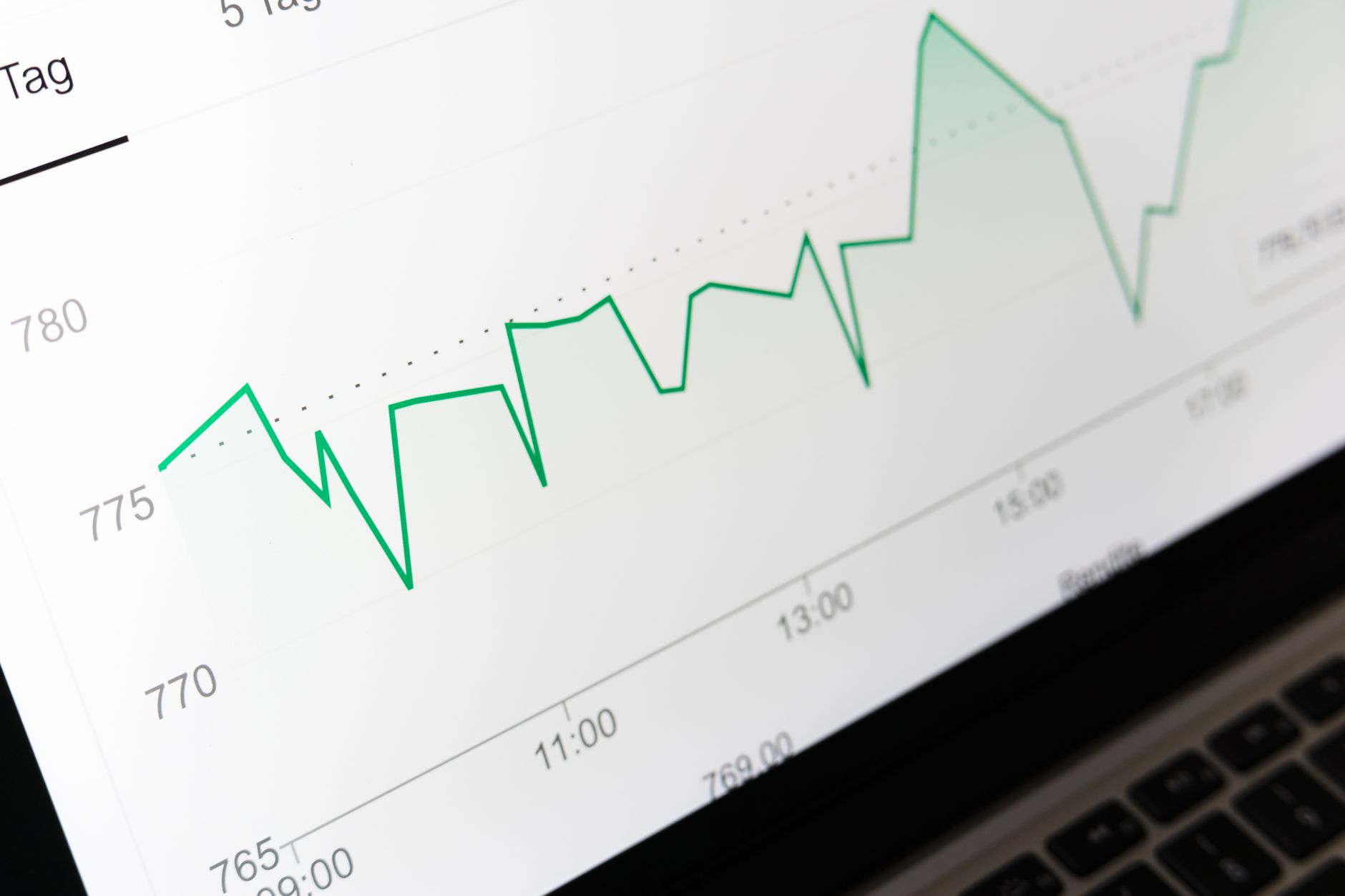
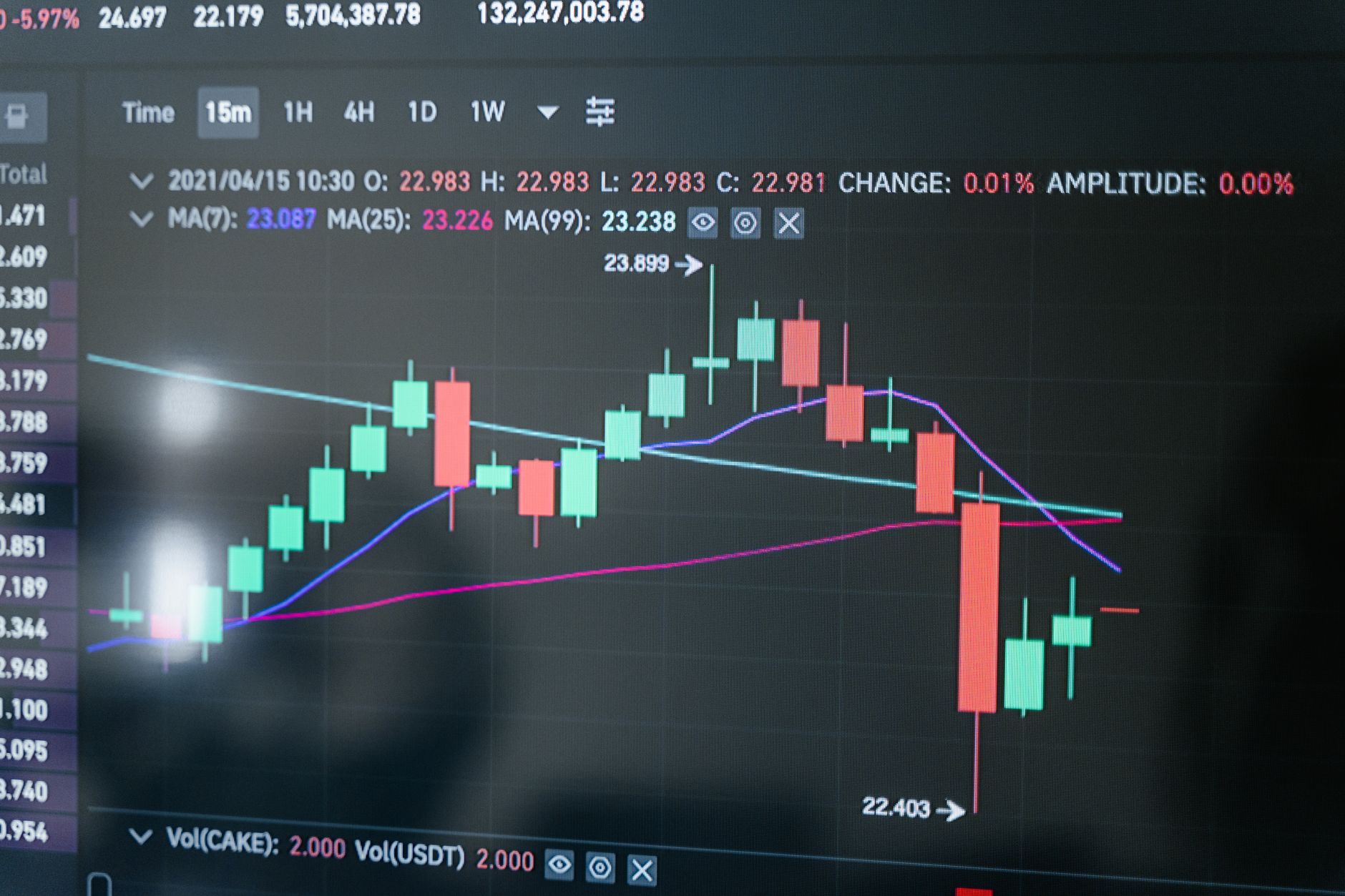
- The global stock markets have reacted with cautious optimism, showing slight gains immediately following the announcement, reflecting a momentary relief among investors.
- Oil prices have experienced a noticeable dip, indicating that market participants anticipate a potential easing of supply chain disruptions and a reduction in geopolitical risk premiums.
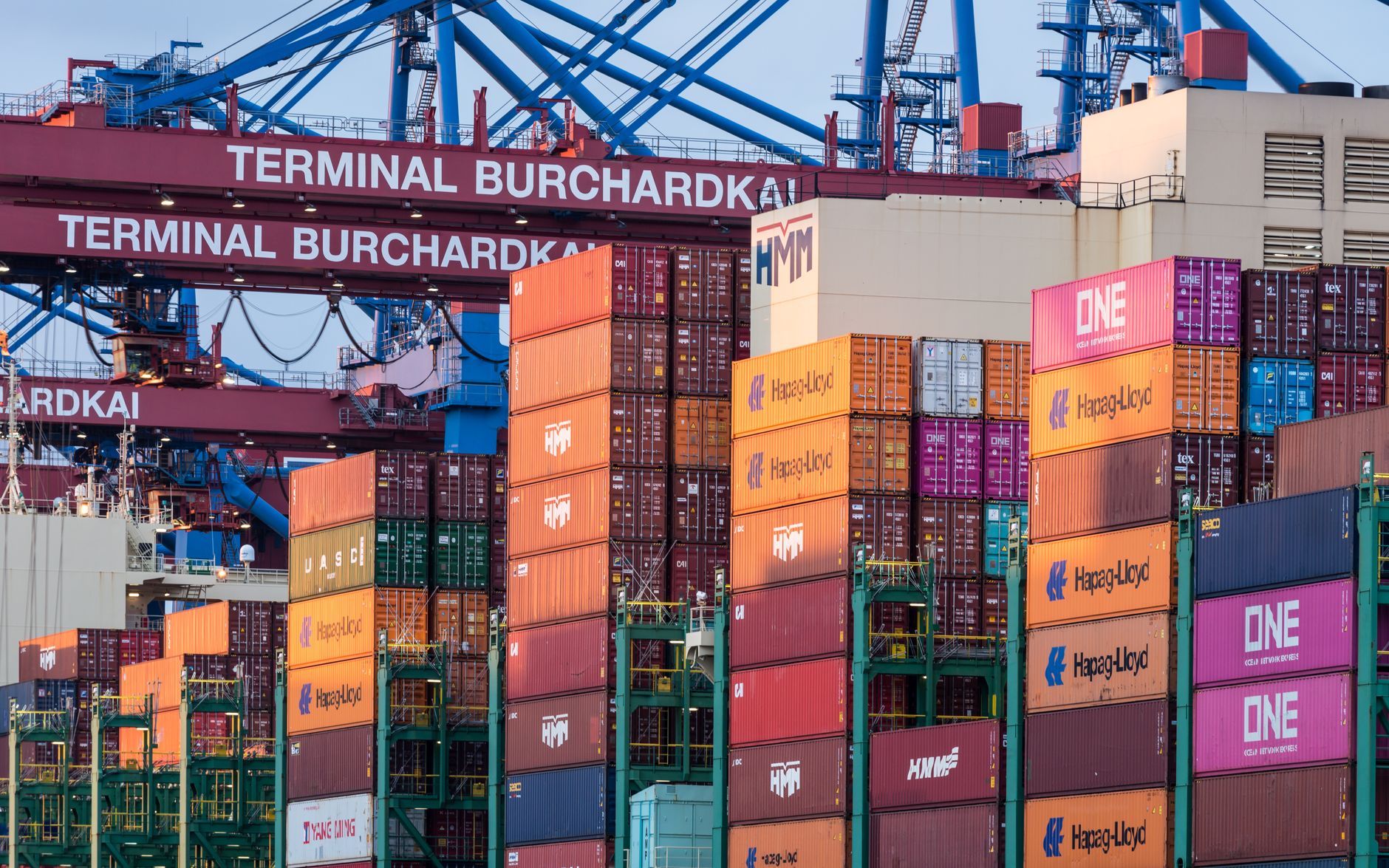
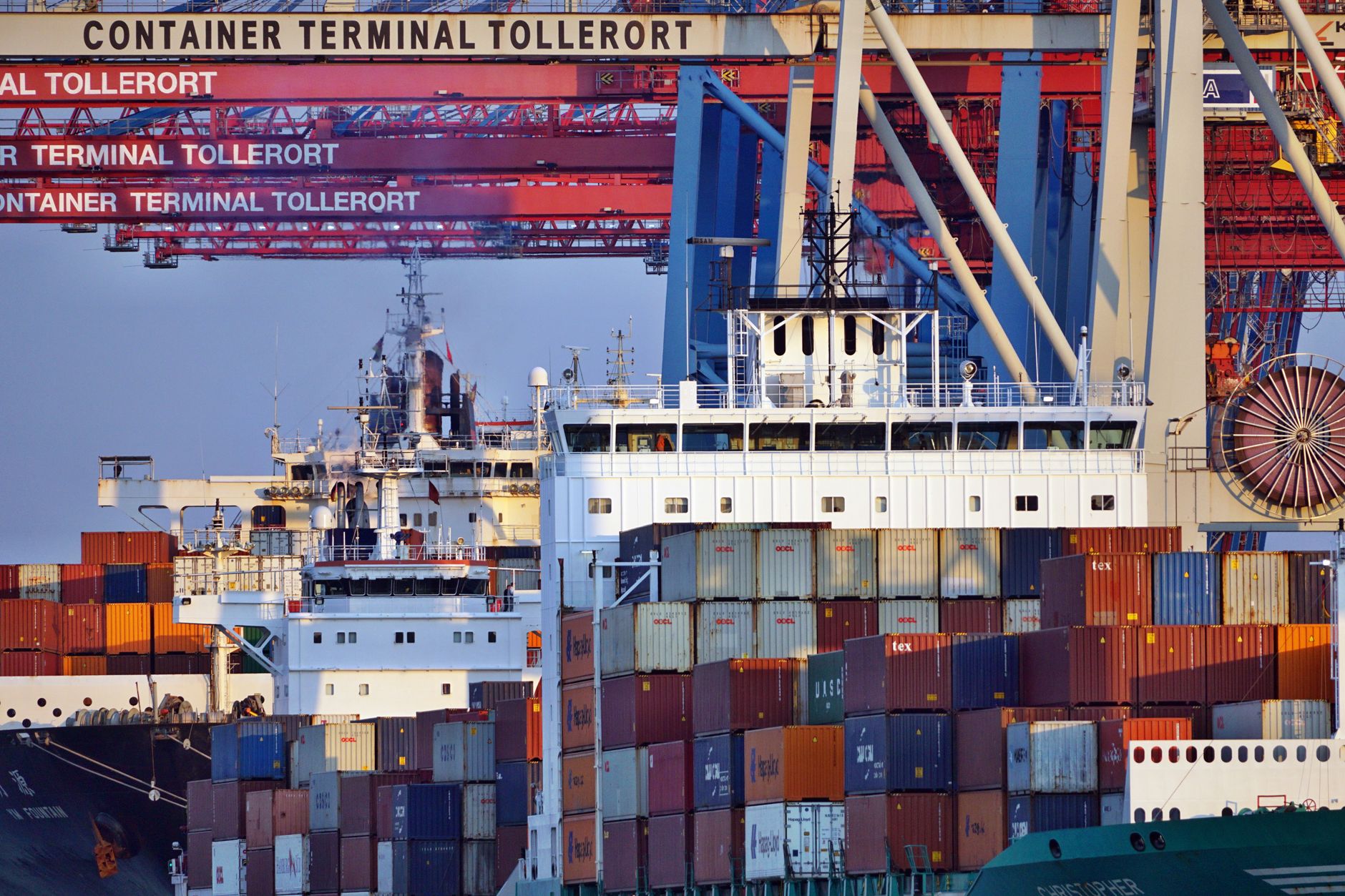
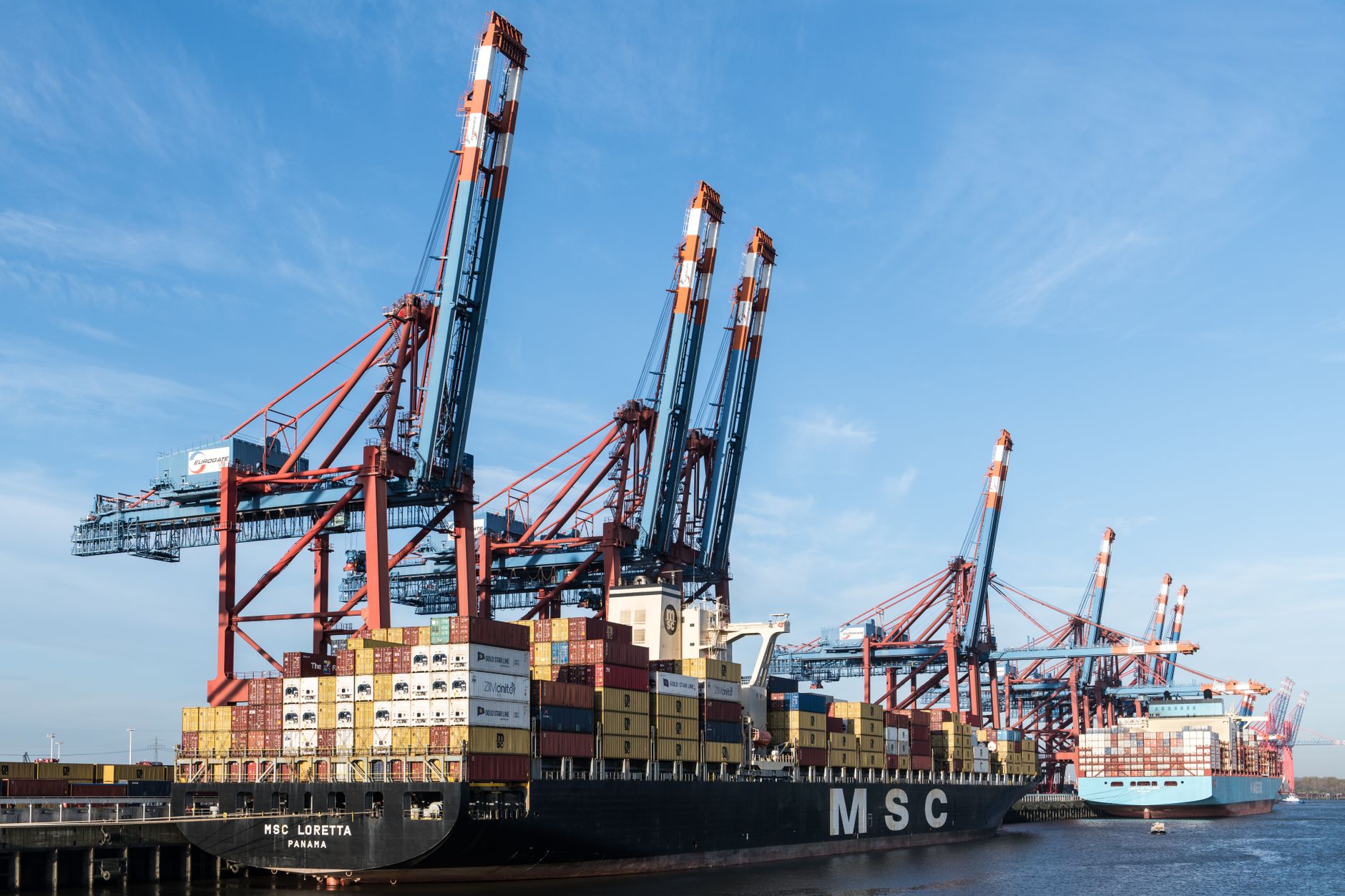
- Key industrial sectors, particularly those reliant on global supply chains and energy costs, are closely monitoring the situation for any sustained impact on operational stability and input prices.
- Humanitarian aid efforts are being significantly ramped up during this ceasefire period, aiming to deliver critical supplies and support to affected populations with increased efficiency.
- International diplomatic channels remain highly active, with various global powers engaging in intensive discussions to explore avenues for extending the ceasefire and achieving a more lasting resolution.
What We Do Not Know Yet
- The precise duration and ultimate stability of this temporary ceasefire remain uncertain, with ongoing negotiations determining its potential extension and the conditions for a more permanent peace.
- The long-term economic repercussions on global trade routes and commodity markets are still largely undefined, as businesses grapple with lingering uncertainties and potential future disruptions.
- Whether this pause in conflict will genuinely pave the way for substantive peace talks or merely serve as a tactical regrouping period for involved parties is a critical unanswered question.
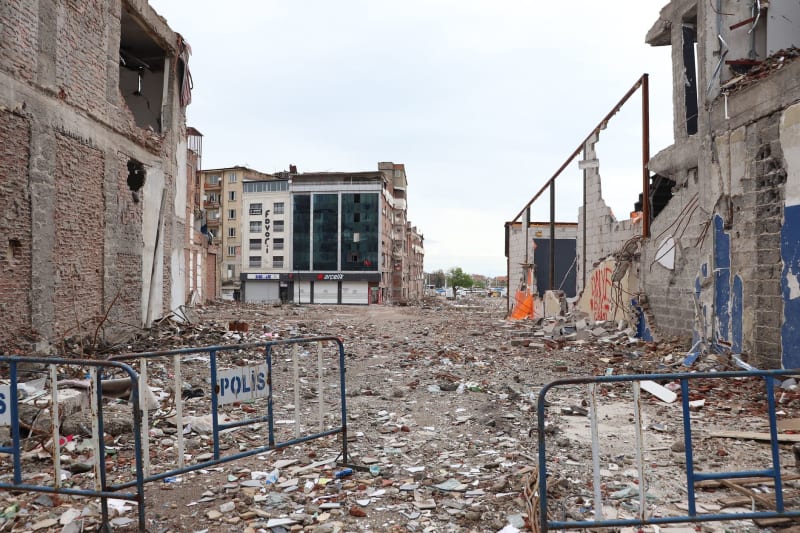
- The full extent of damage to critical infrastructure and industrial facilities in affected regions is yet to be comprehensively assessed, complicating recovery and reconstruction planning.
- How various international sanctions and economic measures will evolve in response to the ceasefire, and what impact these adjustments will have on global economic flows, is currently unclear.
- The willingness of all parties to adhere strictly to the ceasefire terms and engage constructively in dialogue for a sustainable resolution remains a significant unknown, influencing future stability.
Background
The recent geopolitical tensions have cast a long shadow over the global economic landscape, creating a volatile environment for industrial operations and commodity markets worldwide. For months, the specter of escalating conflict has fueled uncertainty, leading to significant price fluctuations in essential resources like oil and gas, and disrupting intricate global supply chains. Businesses have been forced to navigate unprecedented challenges, from soaring logistics costs to unpredictable raw material availability, all while trying to maintain operational continuity and meet consumer demand. This period of heightened instability has underscored the interconnectedness of global economies and the profound impact that regional conflicts can have on international trade and investment flows.
Industrial Info has been at the forefront of tracking these developments, providing critical insights into how these geopolitical shifts are influencing capital project spending, plant operations, and overall market sentiment. Our analyses have consistently highlighted the direct correlation between geopolitical stability and economic predictability, demonstrating how even localized conflicts can ripple through global industries. We've observed a noticeable slowdown in new project announcements in certain regions and a re-evaluation of investment strategies as companies seek to mitigate risks associated with political instability and potential resource scarcity. The data clearly indicates that the appetite for long-term capital commitments dwindles significantly when the future remains shrouded in uncertainty.
The announcement of a temporary ceasefire, while a welcome development, does not immediately erase the deep-seated anxieties that have accumulated over this period. While it offers a much-needed breathing room, the underlying economic concerns, particularly regarding inflation, energy security, and supply chain resilience, persist. Stakeholders are now faced with the complex task of discerning whether this pause is a genuine turning point towards de-escalation or merely a transient lull before potential renewed tensions. The cautious optimism in financial markets reflects this duality: relief at the immediate cessation of hostilities, tempered by a realistic understanding that fundamental economic challenges remain unresolved and could resurface with renewed intensity.
Why It Matters
The current ceasefire, while a beacon of hope for humanitarian relief, holds immense implications for the global economy, particularly for industrial sectors that are heavily dependent on stable energy prices and uninterrupted supply chains. Any sustained period of peace could lead to a significant recalibration of commodity markets, potentially easing inflationary pressures that have plagued businesses and consumers worldwide. Conversely, a breakdown of this truce would undoubtedly send shockwaves through financial markets, driving up energy costs and exacerbating existing supply chain vulnerabilities, making it crucial for businesses to monitor this situation with extreme vigilance and agility.
For the manufacturing, energy, and infrastructure sectors, the stability of this ceasefire directly translates into the predictability of their operational costs and investment strategies. A prolonged period of calm would allow companies to resume or accelerate capital projects that were previously put on hold due to geopolitical risks, fostering economic growth and job creation. However, the fragility of the current situation means that long-term planning remains fraught with uncertainty, compelling businesses to maintain flexible strategies and contingency plans to adapt to rapid shifts in the geopolitical landscape. The ability to pivot quickly will be a defining characteristic of successful enterprises in this environment.
Beyond immediate economic impacts, the ceasefire's success or failure will profoundly influence international relations and the future of global cooperation. A successful de-escalation could rebuild trust and foster an environment conducive to collaborative solutions for other pressing global challenges, from climate change to public health. Conversely, a return to conflict would further fragment the international community, making it more difficult to address shared problems and potentially leading to a more polarized and unstable world order. The stakes are incredibly high, not just for the affected regions, but for the entire international system and the future trajectory of global stability.
Timeline of Events
- Early November: Initial reports emerge of intensified diplomatic efforts by various international mediators, signaling a concerted push towards de-escalation and humanitarian pauses in the conflict.
- Mid-November: Preliminary discussions between warring factions begin, facilitated by third-party nations, focusing on prisoner exchanges and the establishment of safe corridors for aid delivery.
- Late November: Key breakthroughs are announced regarding the framework for a temporary ceasefire, including specific durations and conditions for its implementation across all affected zones.
- December 1st: The temporary ceasefire officially commences, leading to an immediate cessation of major hostilities and a palpable sense of relief in affected areas and global markets.
- December 2nd-5th: Humanitarian aid convoys significantly increase their operations, utilizing the ceasefire window to deliver desperately needed food, medical supplies, and shelter to vulnerable populations.
- Ongoing: Intensive negotiations continue behind the scenes, with international envoys working tirelessly to transform the temporary truce into a more enduring peace agreement and address underlying grievances.
Rapid-Fire Q&A
What Is Coming
- Expect continued intense diplomatic negotiations aimed at extending the current temporary ceasefire and establishing a more robust framework for sustained peace talks, with international mediators playing a crucial role.
- Global commodity markets will remain highly sensitive to any news regarding the ceasefire's stability, with potential for renewed volatility if the truce falters or if positive progress towards peace is announced.
- Industrial sectors will likely continue to operate with a degree of caution, prioritizing supply chain resilience and cost management, while closely watching for signs of long-term stability to inform investment decisions.
- Humanitarian organizations are poised to expand their aid operations significantly, leveraging any prolonged ceasefire to reach more affected populations and address critical needs on a larger scale.
- Governments and international bodies will be under increasing pressure to develop and implement comprehensive post-conflict reconstruction plans, even as the current ceasefire's future remains uncertain.
- Public discourse will increasingly focus on the long-term implications of the conflict and the ceasefire, including discussions around international law, regional stability, and the future of global cooperation.






Comments
No comments yet. Be the first to comment!