

Policy Snapshot
- The current administration's policy towards Iran has been characterized by a 'maximum pressure' campaign, involving stringent economic sanctions aimed at crippling Iran's oil exports and financial system. This approach was intended to force Iran back to the negotiating table for a more comprehensive nuclear deal.
- A key element of this policy is the withdrawal from the Joint Comprehensive Plan of Action (JCPOA), a multilateral agreement that had previously curtailed Iran's nuclear program in exchange for sanctions relief. This decision has been highly contentious, drawing criticism from international allies.
- The strategic objective behind these policies is to contain Iran's regional influence, particularly its support for proxy groups and its ballistic missile program. This involves a delicate balance of diplomatic isolation and economic coercion, often leading to heightened tensions in the Persian Gulf.
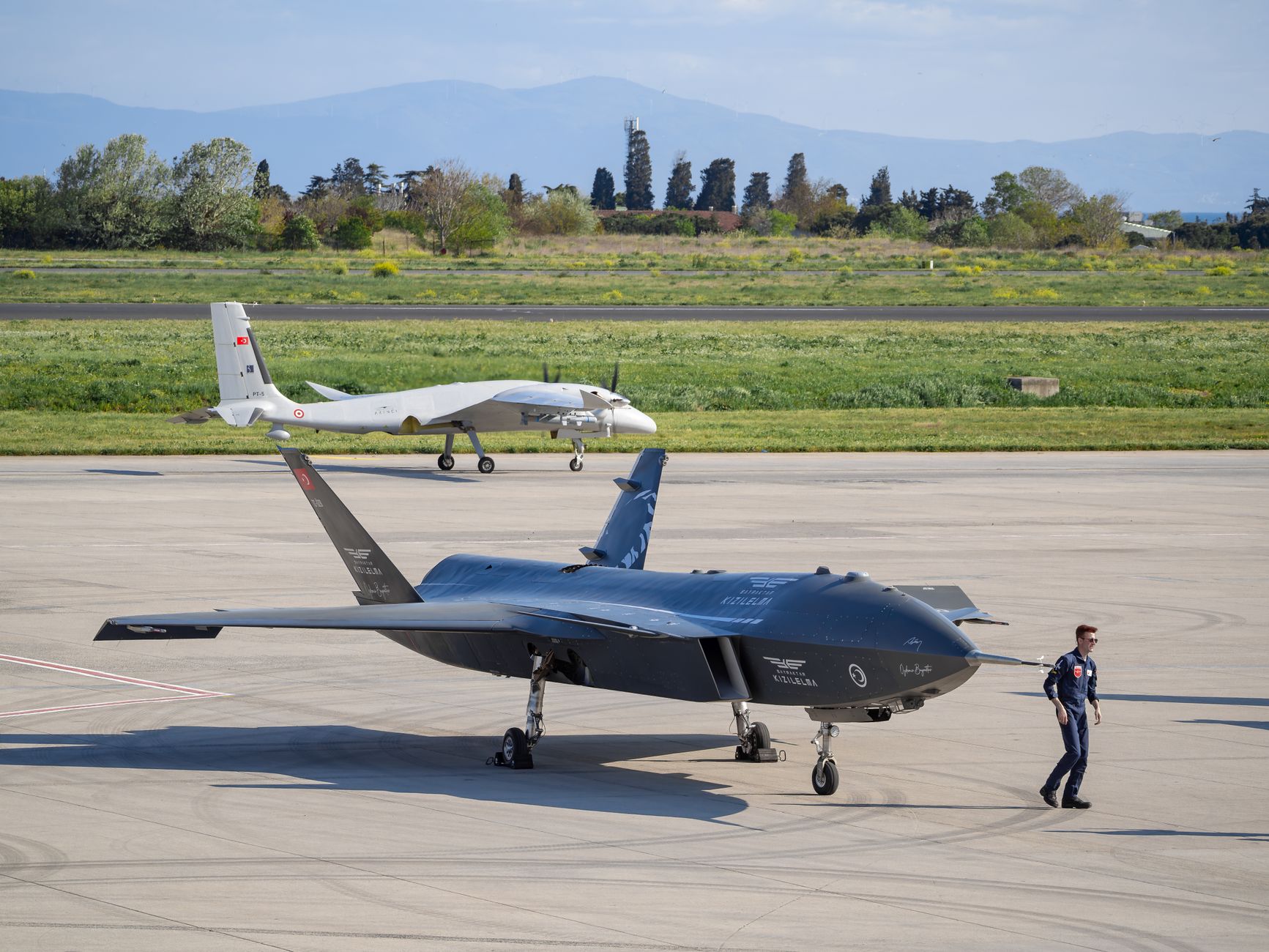
- Recent policy shifts include increased military deployments to the region, ostensibly to deter Iranian aggression and protect shipping lanes. These deployments have been met with skepticism by some analysts, who fear they could inadvertently escalate the conflict rather than de-escalate it.
- The administration has also pursued a policy of isolating Iran diplomatically, urging allies to reduce or eliminate their oil imports from the country. This has put significant strain on international relations, as many countries have economic ties with Iran that they are reluctant to sever completely.
- There's an ongoing debate within policy circles regarding the effectiveness of the current strategy. Some argue that it is successfully weakening Iran's capabilities, while others contend that it is merely hardening Iran's resolve and pushing it closer to developing nuclear weapons.
The Policy History
The history of U.S. policy towards Iran is a complex tapestry woven with decades of geopolitical rivalry, economic sanctions, and intermittent diplomatic efforts. Following the 1979 Iranian Revolution, relations plummeted, leading to a long period of estrangement. The U.S. has consistently viewed Iran as a state sponsor of terrorism and a destabilizing force in the Middle East, particularly due to its nuclear ambitions and support for various proxy groups across the region. This foundational distrust has shaped every subsequent policy decision, often prioritizing containment and pressure over direct engagement.
The Obama administration marked a significant departure with the negotiation of the Joint Comprehensive Plan of Action (JCPOA) in 2015. This landmark agreement, which included the P5+1 nations (China, France, Russia, the United Kingdom, the United States, plus Germany) and the European Union, aimed to prevent Iran from developing nuclear weapons in exchange for the lifting of international sanctions. It was hailed by proponents as a diplomatic triumph that averted a potential military conflict and brought Iran's nuclear program under unprecedented international scrutiny. However, critics argued it did not go far enough to address Iran's broader malign activities.
The Trump administration dramatically reversed course in 2018, withdrawing from the JCPOA and reimposing a comprehensive array of sanctions. This 'maximum pressure' campaign was designed to compel Iran to negotiate a new, more restrictive deal, encompassing not only its nuclear program but also its ballistic missile development and regional influence. This aggressive stance has been met with significant international opposition and has demonstrably ratcheted up tensions in the Persian Gulf, leading to a series of provocations, retaliations, and a palpable sense of instability that now threatens global economic stability.
Who Is Affected
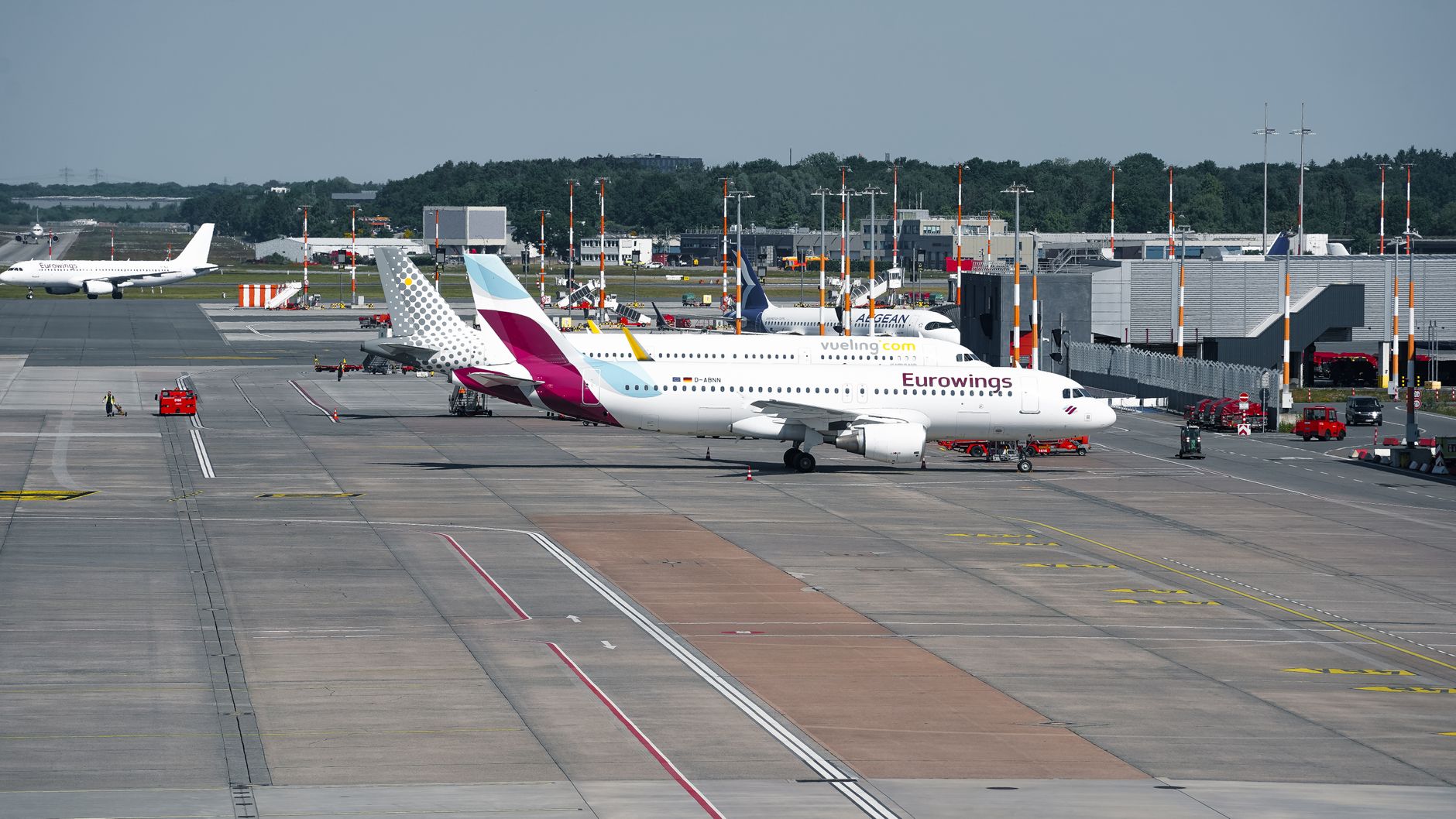
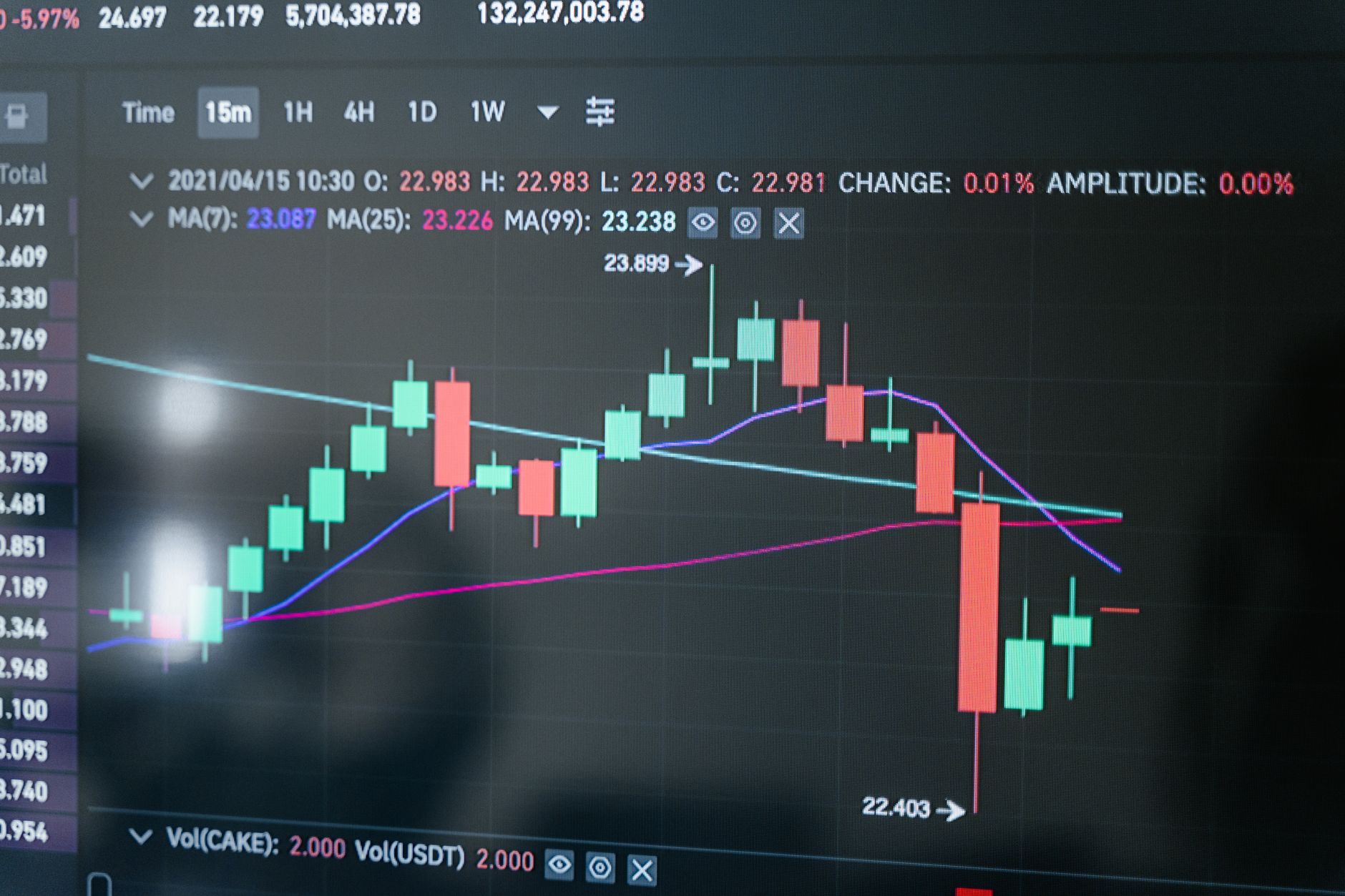
The immediate and most visible impact of the escalating Iran conflict is felt by global energy markets. Oil prices have surged dramatically, directly affecting consumers worldwide through higher gasoline prices and increased costs for transportation and manufacturing. This ripple effect can lead to inflationary pressures, eroding purchasing power and potentially triggering a slowdown in economic growth across major economies. Businesses reliant on stable energy costs, from airlines to logistics companies, are facing significant operational challenges and increased financial burdens, which ultimately translate to higher prices for goods and services.
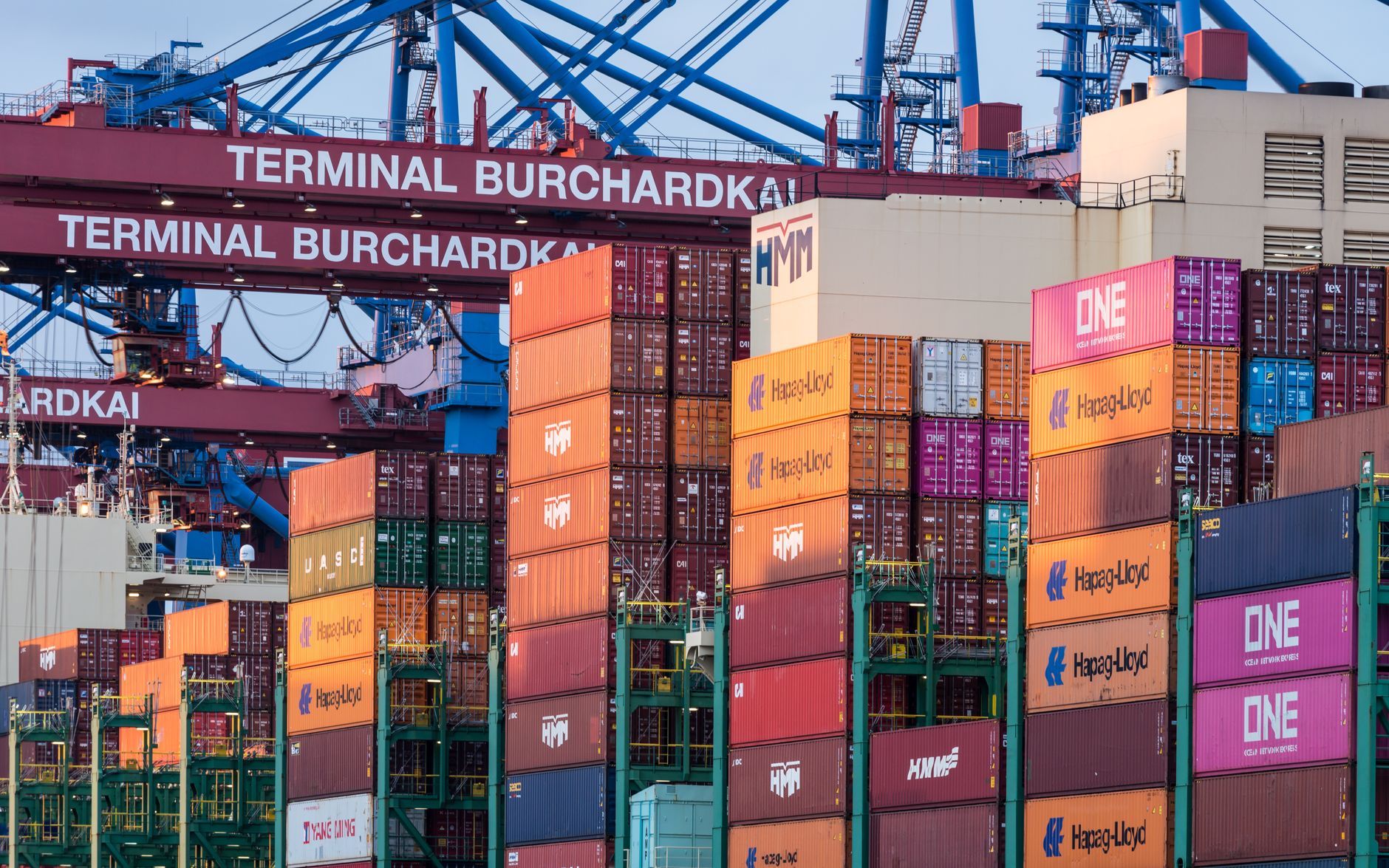
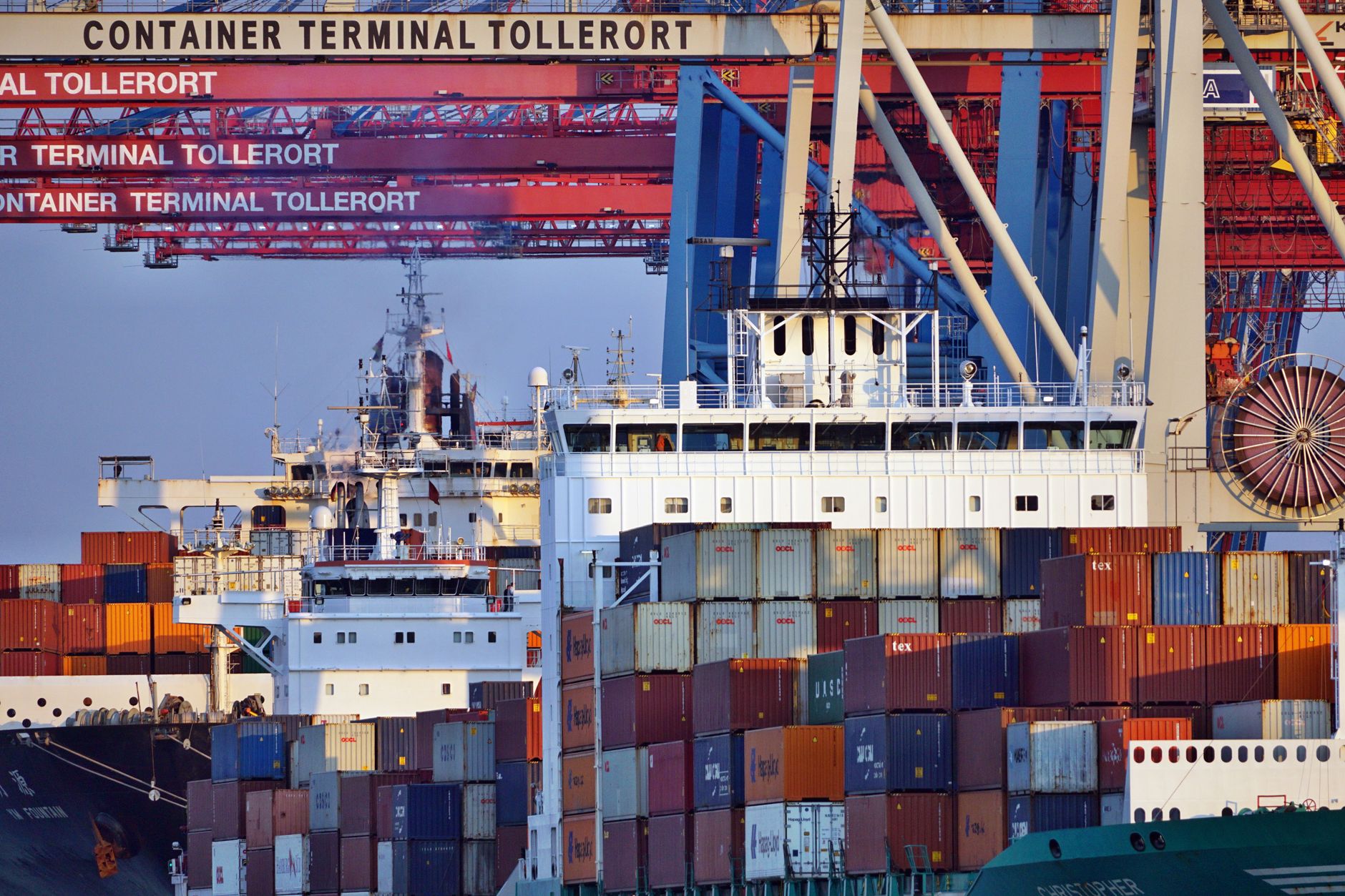
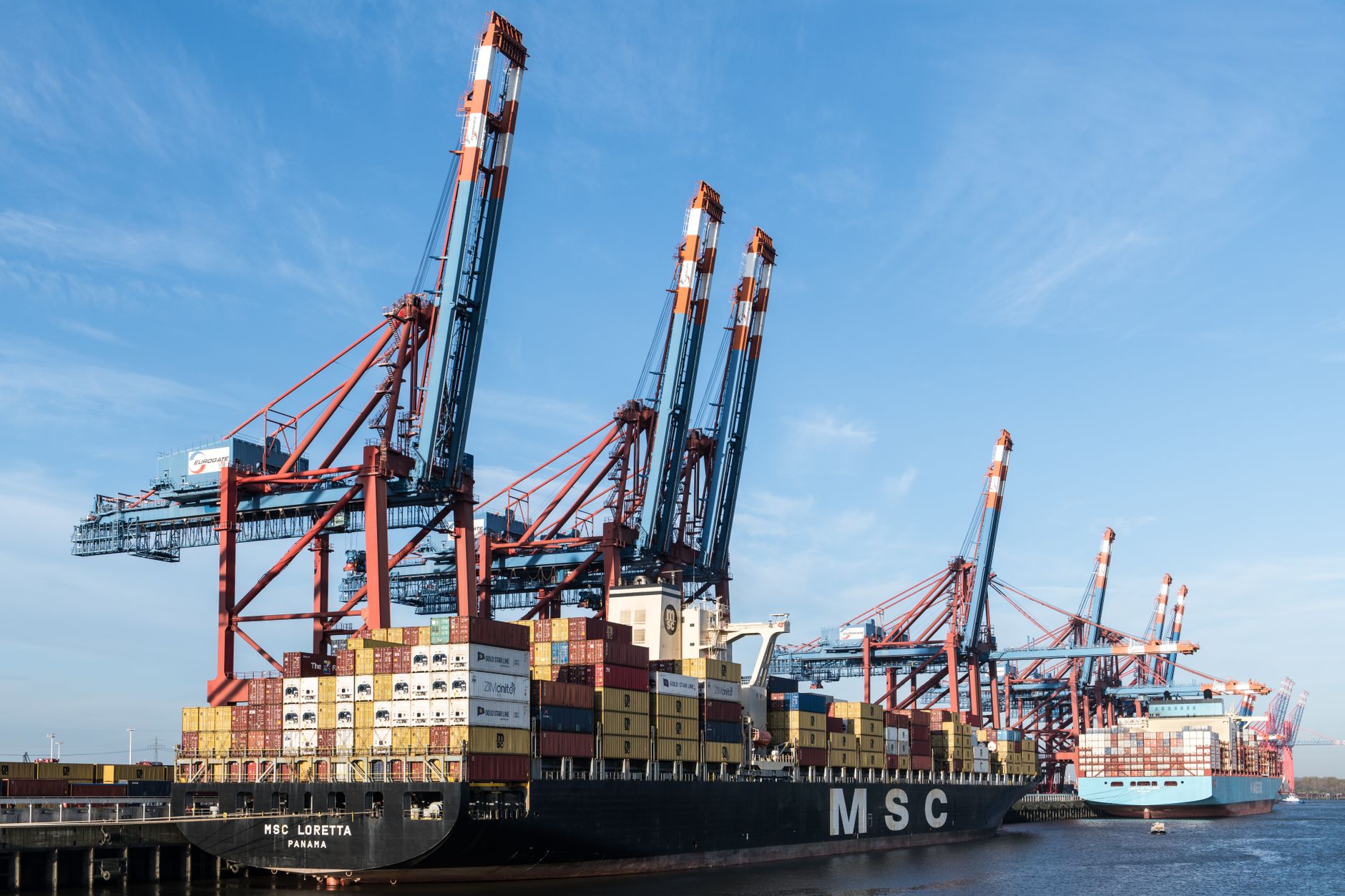
Beyond energy, the broader global economy faces significant headwinds. Supply chains, already fragile from recent disruptions, are vulnerable to further instability in the Middle East, a critical transit point for international trade. Investors, spooked by the uncertainty, are pulling capital from riskier assets, leading to stock market volatility and a flight to safe havens. This widespread economic anxiety can stifle investment, reduce consumer confidence, and impede job creation, pushing economies towards recessionary conditions. Developing nations, often more susceptible to external shocks, are particularly vulnerable to these economic tremors.
The human cost is also profound. Civilians in the region, already grappling with existing conflicts and humanitarian crises, face increased risks of displacement, food insecurity, and loss of livelihoods as geopolitical tensions intensify. The prospect of a wider conflict threatens to exacerbate an already dire humanitarian situation, leading to further suffering and instability. Furthermore, the political silence from key international figures regarding these escalating economic and humanitarian consequences is deeply concerning, leaving many to wonder about the path forward and the potential for de-escalation.
The Case For
Proponents of the current 'maximum pressure' strategy argue that it is the only effective way to curb Iran's destabilizing activities and prevent it from acquiring nuclear weapons. They contend that the previous nuclear deal, the JCPOA, was fundamentally flawed because it did not address Iran's ballistic missile program or its support for regional proxies like Hezbollah and the Houthis. By reimposing stringent sanctions, the argument goes, the U.S. is depriving the Iranian regime of the financial resources it needs to fund these illicit activities, thereby enhancing regional security and protecting American interests.
Furthermore, advocates believe that sustained economic pressure will eventually force the Iranian leadership to return to the negotiating table, but this time on terms more favorable to the international community. They suggest that the current approach demonstrates resolve and sends a clear message that the U.S. will not tolerate Iran's aggressive behavior. This firm stance, they argue, is essential for deterring future provocations and preventing a more dangerous escalation down the line. The long-term goal is a comprehensive agreement that permanently dismantles Iran's nuclear infrastructure and curtails its regional influence, ensuring lasting stability.
Some also argue that the economic pain inflicted by sanctions could potentially empower internal dissent within Iran, leading to a change in the regime's behavior or even its structure. While acknowledging the short-term economic disruptions, they maintain that these are necessary sacrifices for achieving a safer and more stable Middle East. They point to historical precedents where economic pressure has led to significant policy shifts in adversarial nations, suggesting that patience and persistence are key to the ultimate success of this strategy, despite the immediate challenges.
The Case Against
Critics vehemently argue that the current 'maximum pressure' campaign against Iran is dangerously counterproductive, pushing the region closer to a full-blown conflict rather than de-escalation. They contend that withdrawing from the JCPOA, an agreement that was demonstrably working to constrain Iran's nuclear program, was a grave strategic error that alienated key allies and removed critical diplomatic leverage. The reimposition of sanctions has not only failed to bring Iran to heel but has instead emboldened hardliners within the regime, making them less willing to negotiate and more prone to confrontational actions, thereby increasing the risk of miscalculation.
The economic fallout from this aggressive stance is also a major point of contention. Opponents highlight the devastating impact on global oil prices, which directly harms consumers and businesses worldwide, threatening a global recession. They argue that the economic pain is disproportionately borne by ordinary Iranian citizens, fostering resentment against the U.S. and inadvertently strengthening the regime's narrative of external aggression. This approach, they assert, undermines any potential for popular uprising and instead consolidates power within the existing leadership, making genuine reform less likely.
Furthermore, many international relations experts warn that the lack of clear diplomatic channels and the absence of a coherent long-term strategy are creating a perilous vacuum. The current policy, they argue, lacks a viable off-ramp and increases the likelihood of an accidental escalation that could spiral out of control. They advocate for renewed diplomatic engagement, possibly involving multilateral mediation, to de-escalate tensions and find a sustainable political solution that addresses both Iran's nuclear program and its regional activities, rather than relying solely on coercive measures that have proven to be volatile.
Policy Questions Answered
Implementation Watch
The effectiveness of the 'maximum pressure' campaign hinges entirely on its implementation, which has been met with mixed results and significant international pushback. While U.S. sanctions have undeniably crippled Iran's oil exports and severely impacted its economy, the desired outcome of forcing a new, more comprehensive deal has not materialized. Instead, Iran has responded with a strategy of 'strategic patience' interspersed with calculated provocations, gradually escalating its nuclear activities beyond JCPOA limits and increasing regional tensions, indicating that the implementation has not achieved its primary diplomatic objective.
A crucial aspect of implementation involves securing international compliance with sanctions. While many countries have reduced their dealings with Iran to avoid U.S. penalties, key players like China and Russia continue to maintain economic ties, albeit at reduced levels. This partial compliance undermines the 'maximum' aspect of the pressure campaign, allowing Iran some economic lifelines. Furthermore, the unilateral nature of the U.S. withdrawal from the JCPOA has strained relations with European allies, who have attempted to create mechanisms to circumvent U.S. sanctions and preserve the nuclear deal, further complicating implementation.
Looking ahead, the implementation of any future policy will require a delicate balance between coercion and diplomacy. The current strategy has demonstrated its capacity to inflict economic pain, but it has yet to prove its ability to alter Iran's strategic calculus in a way that leads to a peaceful resolution. Observers are closely watching for any shifts in rhetoric or action from either side, as well as the potential for international mediation efforts, which could offer a more nuanced path forward than the current, increasingly volatile, implementation of maximum pressure.




Comments
No comments yet. Be the first to comment!