


Policy Snapshot
- The UN Security Council has unanimously adopted Resolution 2827 (2026), extending the comprehensive sanctions regime targeting non-state armed groups and individuals in the Central African Republic (CAR) for an additional year.
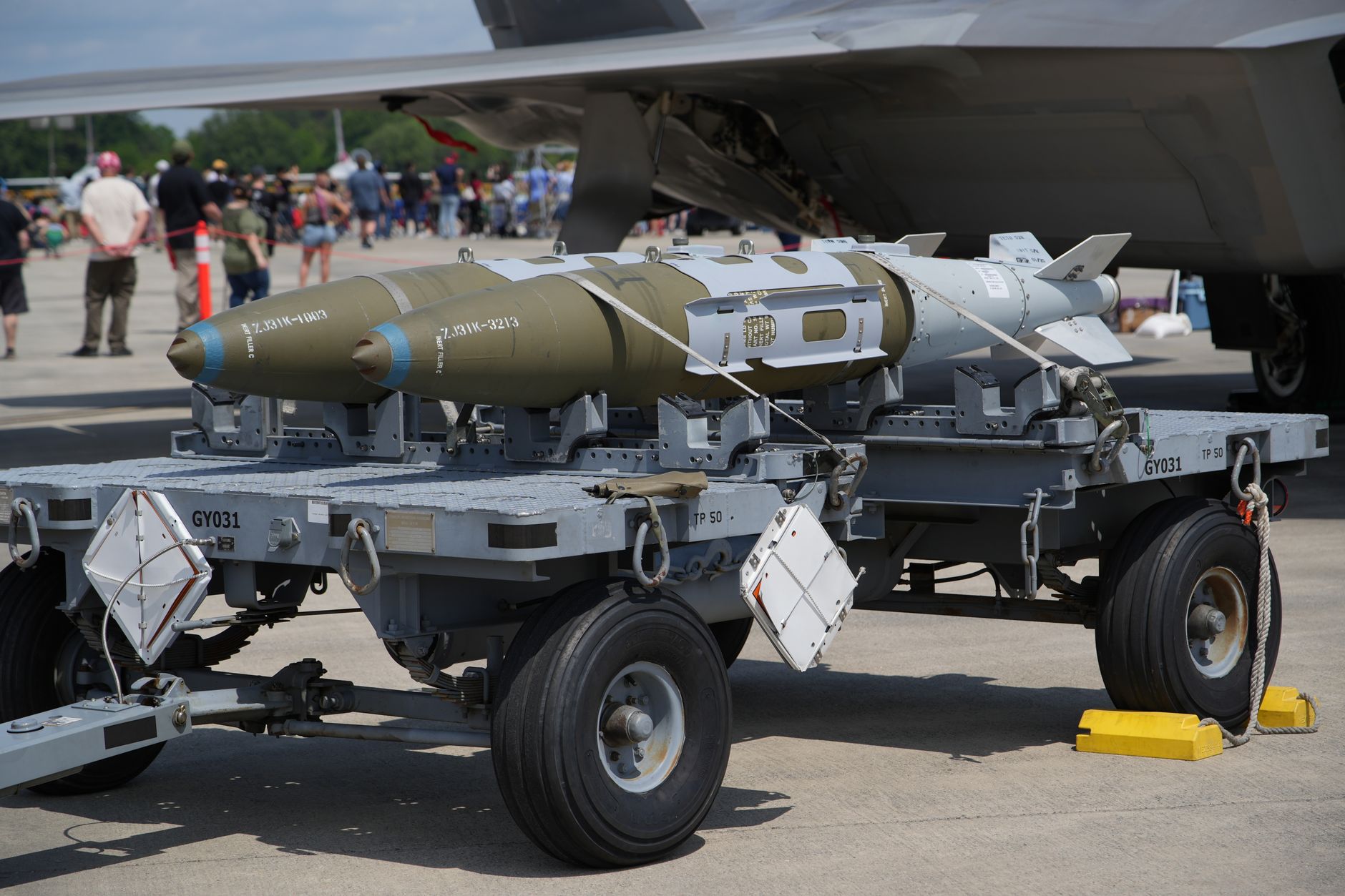
- This critical resolution specifically maintains the arms embargo, travel ban, and asset freeze measures, which are designed to curb the flow of weapons, restrict the movement of destabilizing actors, and prevent the financing of illicit activities.
- The sanctions are a direct response to the persistent threats posed by various armed groups and individuals who continue to undermine peace, security, and the legitimate government in the CAR, perpetuating cycles of violence and humanitarian crises.
- The resolution emphasizes the importance of robust monitoring and enforcement mechanisms, urging all Member States to fully comply with the provisions to ensure the effectiveness of the sanctions in achieving their stated objectives.
- A key aspect of the extension is the continued focus on human rights abuses and violations of international humanitarian law, with the sanctions specifically targeting those responsible for such egregious acts against the civilian population.
- The Security Council's decision reflects a unified international stance against impunity and a sustained commitment to supporting the CAR's efforts towards stabilization, national reconciliation, and the establishment of durable peace.
The Policy History
The sanctions regime against the Central African Republic was initially established in 2013, following a period of intense political instability and widespread violence that saw the collapse of state authority and the rise of numerous armed factions. The initial measures, primarily an arms embargo, were designed to prevent the further proliferation of weapons that fueled the conflict and exacerbated the humanitarian crisis. This foundational resolution laid the groundwork for a comprehensive approach to address the root causes of instability, recognizing that unchecked access to weaponry was a primary driver of the ongoing conflict.
Over the years, the Security Council has progressively expanded and refined the sanctions regime in response to evolving threats and persistent challenges within the CAR. Subsequent resolutions introduced targeted measures such as travel bans and asset freezes against specific individuals and entities deemed responsible for undermining peace, violating human rights, or obstructing the political transition. These expansions reflected a growing understanding that a multi-faceted approach was necessary, moving beyond just arms control to directly impact the operational capacity and mobility of those perpetuating violence and illicit activities.
The unanimous adoption of Resolution 2827 (2026) marks another crucial extension, underscoring the international community's continued concern over the fragile security situation and the imperative to maintain pressure on destabilizing actors. This latest extension is not merely a procedural renewal; it is a reaffirmation of the Security Council's long-term commitment to supporting the CAR's journey towards sustainable peace and stability, acknowledging that significant progress has been made but that the underlying challenges remain formidable and require sustained international vigilance and intervention.
Who Is Affected
The primary targets of these extended sanctions are non-state armed groups and specific individuals identified as actively participating in or supporting activities that destabilize the Central African Republic. This includes leaders and members of various rebel factions, militias, and criminal networks who engage in illicit resource exploitation, human rights abuses, and obstruction of peace processes. The sanctions aim to directly impede their ability to operate, acquire resources, and travel internationally, thereby diminishing their capacity to perpetuate violence and undermine the legitimate government.
While the sanctions are designed to be surgically precise, their broader impact inevitably extends to the general population of the Central African Republic. On one hand, the intended positive effect is enhanced security and stability, which could lead to improved humanitarian access, greater protection for civilians, and a more conducive environment for economic recovery and development. Reduced conflict means fewer displacements, less violence, and a chance for communities to rebuild. This is the aspirational outcome that the international community hopes to achieve through these restrictive measures.
However, there are always potential unintended consequences. Restrictions on the movement of goods, even those intended to be illicit, can sometimes inadvertently affect legitimate trade routes or create shortages in certain areas, particularly in a country with already fragile supply chains. Furthermore, the sanctions regime places a significant burden on neighboring countries and international partners to ensure strict compliance, which requires robust border controls and intelligence sharing. The effectiveness of these measures hinges on the collective commitment of all stakeholders to prevent circumvention and ensure that the humanitarian needs of the population are not inadvertently compromised.
The Case For
Proponents argue that the extension of sanctions is an absolutely essential tool for maintaining pressure on armed groups and individuals who continue to destabilize the Central African Republic. Without these restrictive measures, there is a significant risk that these actors would regain strength, further escalate violence, and undermine any progress made towards peace and reconciliation. The arms embargo, in particular, is critical for limiting the flow of weapons into a region already awash with illicit arms, which directly fuels conflict and exacerbates humanitarian crises. It is a vital mechanism to prevent the rearmament of groups committed to violence, thereby offering a crucial layer of protection to the civilian population and supporting the nascent state institutions.
Furthermore, the travel bans and asset freezes are powerful deterrents against those who profit from conflict and human rights abuses. By restricting their ability to move freely and access financial resources, the international community directly impacts their operational capacity and sends a clear message that impunity will not be tolerated. These targeted sanctions aim to isolate key figures, making it harder for them to coordinate illicit activities, recruit new members, or escape accountability for their actions. This isolation is crucial for breaking the cycles of violence and corruption that have plagued the CAR for far too long, fostering an environment where legitimate governance can take root.
The unanimous adoption of Resolution 2827 (2026) also signals a unified international commitment to the stability of the CAR. This strong, cohesive stance from the Security Council reinforces the legitimacy of the sanctions and demonstrates that the international community is not prepared to abandon the country to the whims of armed factions. Such a clear and consistent message of support is vital for the CAR government, providing it with the necessary international backing to pursue peace initiatives, security sector reform, and the establishment of rule of law. It underscores that the world is watching and expects progress, providing both a carrot and a stick in the complex process of nation-building.
The Case Against
While the intentions behind the sanctions are undoubtedly noble, critics often raise concerns about their practical effectiveness and potential unintended consequences. One primary argument against the prolonged extension of such regimes is that they can sometimes be a blunt instrument, failing to differentiate between various actors or adapt to evolving ground realities. There's a risk that sanctions might inadvertently empower certain groups by creating black markets for arms and resources, thereby making them more entrenched and harder to dislodge. Furthermore, the complexity of the CAR conflict, involving numerous factions with shifting allegiances, makes it incredibly challenging to apply sanctions with surgical precision, potentially leading to unintended collateral damage.
Another significant concern revolves around the humanitarian impact. While efforts are made to include humanitarian exemptions, the overarching framework of sanctions can sometimes impede the delivery of essential aid or complicate economic activities crucial for the survival of the civilian population. Bureaucratic hurdles, fear of secondary sanctions, and a general chilling effect on legitimate economic engagement can inadvertently exacerbate poverty and suffering, creating a cycle where the very people the sanctions are meant to protect end up bearing a disproportionate burden. This can undermine public support for international interventions and potentially fuel resentment against external actors.
Moreover, some analysts argue that sanctions alone are insufficient to address the deep-seated political, economic, and social grievances that fuel conflict in the CAR. They contend that a more holistic approach, focusing on robust peacebuilding initiatives, economic development, good governance, and genuine national reconciliation, would be more effective in the long term. Over-reliance on punitive measures without parallel investment in these foundational areas might only serve to prolong the conflict or push it underground, rather than resolving its root causes. The argument is that sanctions should be part of a broader, more comprehensive strategy, not the sole or primary instrument of intervention, especially when their direct impact on the behavior of targeted groups remains debatable.

Policy Questions Answered
Implementation Watch
The effective implementation of Resolution 2827 (2026) hinges critically on the vigilance and cooperation of all UN Member States, particularly those in the Central African Republic's immediate vicinity. The arms embargo, for instance, requires robust border controls and intelligence sharing to prevent the illicit trafficking of weapons across porous borders. Countries must strengthen their customs and security forces to intercept illegal shipments and dismantle supply networks that fuel armed groups. Any laxity in enforcement by neighboring states could severely undermine the sanctions' intended impact, allowing destabilizing actors to rearm and continue their destructive activities with impunity.
Monitoring the travel ban and asset freeze components presents its own set of challenges, demanding sophisticated financial intelligence and international collaboration. Member States are obligated to meticulously screen individuals entering or transiting their territories and to identify and freeze any assets belonging to designated entities. This requires robust national legal frameworks and the political will to enforce them, even when faced with complex financial networks or politically sensitive individuals. The Panel of Experts will continue to play a vital role in investigating potential breaches and reporting back to the Security Council, ensuring accountability and transparency in the implementation process.
Looking ahead, the success of this extended sanctions regime will be measured not just by its enforcement, but by its tangible impact on the ground in the Central African Republic. Key indicators will include a measurable reduction in armed group activity, improved security for civilians, and greater adherence to human rights. Furthermore, the sanctions' efficacy will be evaluated by their contribution to strengthening state institutions, facilitating humanitarian access, and fostering an environment conducive to lasting peace and development. The international community must remain committed to a holistic approach, where sanctions are complemented by diplomatic efforts, peacebuilding initiatives, and humanitarian support to truly transform the CAR's trajectory.













Comments
No comments yet. Be the first to comment!