


At a Glance
- The U.S. Treasury Department has imposed a new round of sanctions targeting a vast global network facilitating illicit operations for Iran's Mahan Air and the Islamic Revolutionary Guard Corps-Qods Force (IRGC-QF). This action underscores a concerted effort to dismantle critical support structures.
- These sanctions specifically target six entities and three individuals across multiple jurisdictions, including the UAE, Hong Kong, and Iran, highlighting the international scope of these illicit activities and the Treasury's expansive reach.
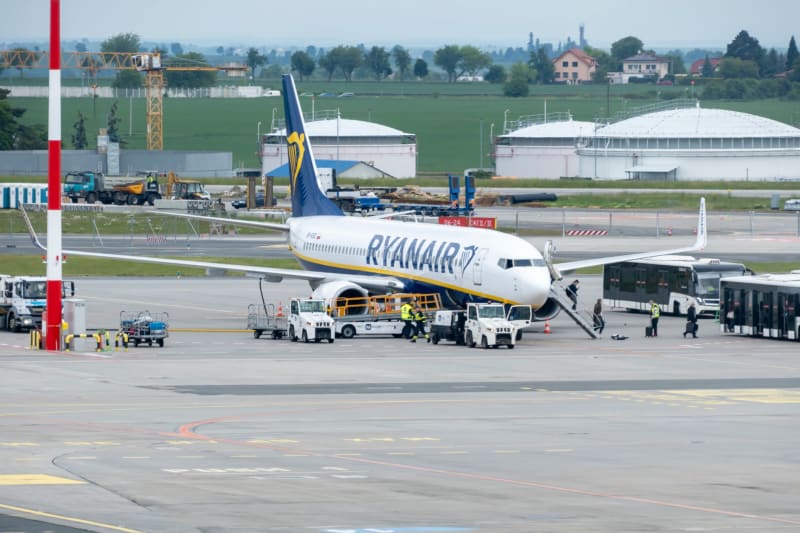
- Mahan Air, already under U.S. sanctions since 2011, continues to be a primary conduit for the IRGC-QF, enabling the transport of weapons, personnel, and funds to proxy groups and conflict zones across the Middle East, directly fueling regional instability.
- The newly sanctioned entities include companies like Gatewick LLC and Jahan Tamin Co., which have been instrumental in providing crucial financial, logistical, and procurement support, allowing Mahan Air to circumvent existing restrictions and sustain its operations.
- This latest enforcement action is part of a broader, ongoing strategy by the U.S. government to exert maximum pressure on Iran, aiming to disrupt its ability to fund and support its destabilizing activities through various illicit channels.
- The Treasury's move sends a clear message to international facilitators: aiding sanctioned Iranian entities carries severe consequences, risking exclusion from the global financial system and significant reputational damage.
The Record
The U.S. Treasury Department has once again demonstrated its unwavering commitment to disrupting Iran's illicit financial and logistical networks, particularly those supporting Mahan Air and the IRGC-QF. This latest round of sanctions, announced with significant gravity, targets a sophisticated web of six entities and three individuals spanning the United Arab Emirates, Hong Kong, and Iran. This intricate network has been meticulously designed to provide critical financial, logistical, and procurement support, enabling Mahan Air to continue its operations despite being under U.S. sanctions since 2011 for its direct involvement in terrorism-related activities. The Treasury's action highlights the persistent challenge posed by Iran's ability to adapt and create new front companies and facilitators to circumvent international restrictions.
Mahan Air's role as a primary logistical arm for the IRGC-QF is well-documented and deeply concerning. It has been repeatedly implicated in the clandestine transport of weapons, military personnel, and vast sums of money to various proxy groups and conflict zones throughout the Middle East. This includes direct support for the Assad regime in Syria, as well as enabling Hezbollah and other destabilizing actors. The airline's operations are not merely commercial; they are integral to Iran's foreign policy objectives, which often involve projecting power and fostering instability through non-state proxies. By targeting the facilitators, the Treasury aims to directly impact Mahan Air's operational capacity, making it significantly harder for the airline to acquire essential parts, services, and financial resources.
Among the newly sanctioned entities are key players like Gatewick LLC, based in the UAE, and Jahan Tamin Co., operating out of Hong Kong. These companies, along with others, have been identified as crucial intermediaries, providing a lifeline to Mahan Air by supplying aircraft parts, handling financial transactions, and managing logistics that allow the airline to maintain its fleet and flight schedules. The individuals sanctioned are similarly implicated in orchestrating these complex schemes, often leveraging their positions within these companies to facilitate the illicit transfers. This comprehensive approach, targeting both corporate entities and the individuals pulling the strings, is designed to create a cascading effect, severing critical nodes in Iran's global support network and increasing the costs of engaging in such illicit activities.
Who Knew and When
The U.S. government has been acutely aware of Mahan Air's illicit activities and its deep ties to the IRGC-QF for over a decade, with the airline first being designated for sanctions in 2011. This initial designation was based on substantial intelligence indicating its direct involvement in transporting weapons, personnel, and funds to support terrorist organizations and destabilize regional governments. Since then, the Treasury Department has consistently issued warnings and implemented successive rounds of sanctions, steadily building a comprehensive record of Mahan Air's egregious conduct. Each new designation, including this latest one, is the culmination of extensive intelligence gathering and meticulous financial forensics, revealing new layers of obfuscation and evasion tactics employed by Iran and its proxies.
The identification of specific entities like Gatewick LLC and Jahan Tamin Co., along with the named individuals, suggests a prolonged period of monitoring and investigation. These facilitators likely operated under the radar for some time, exploiting loopholes and leveraging international financial systems to aid Mahan Air. The Treasury's public announcements typically follow a thorough process of evidence collection, ensuring that the designations are legally robust and can withstand scrutiny. This methodical approach means that the illicit activities of these newly sanctioned entities and individuals were not a recent discovery but rather the result of ongoing intelligence efforts to map and dismantle Iran's evolving networks of circumvention.
Furthermore, the international community, particularly financial institutions and shipping companies, has been repeatedly cautioned about the risks associated with engaging with Iranian entities, especially those linked to the IRGC-QF and Mahan Air. The U.S. has actively engaged with global partners to share intelligence and encourage vigilance against these illicit networks. Therefore, while the specific identities of these new facilitators might be novel to the public, the general threat posed by Iran's use of its commercial aviation sector for nefarious purposes has been a well-established and frequently communicated concern among intelligence agencies and policymakers for many years. The 'when' of knowing is continuous, evolving with Iran's adaptive strategies.
Voices from the Ground
While direct 'voices from the ground' regarding the immediate impact of these specific sanctions are often difficult to capture due to the clandestine nature of the networks involved, the broader implications resonate deeply within communities affected by Iranian-backed instability. In regions like Syria, Yemen, and Lebanon, where the IRGC-QF and its proxies operate, the ongoing flow of weapons and resources facilitated by Mahan Air directly contributes to prolonged conflict, humanitarian crises, and the suffering of civilian populations. Activists and humanitarian workers in these areas frequently decry the external support that fuels violence, often pointing fingers at entities like Mahan Air for perpetuating cycles of destruction and displacement. Their voices, though not directly commenting on the sanctions, highlight the urgent need for such disruptive actions.
Within Iran itself, the economic impact of sanctions, even those narrowly tailored, often filters down to the general populace, who bear the brunt of a struggling economy. While these sanctions specifically target illicit networks, the cumulative effect of international pressure can exacerbate economic hardships. Iranian citizens, particularly those advocating for reform and greater transparency, often express frustration with the regime's allocation of resources to foreign proxy wars and illicit activities rather than domestic welfare. They see the regime's continued engagement in such activities as a drain on national resources and a primary reason for the country's isolation, indirectly validating the intent behind international sanctions aimed at curbing the regime's malign behavior.
Internationally, financial institutions and businesses operating in high-risk jurisdictions are increasingly vocal about the complexities and risks of compliance. The constant expansion of sanctions lists means that due diligence processes must be incredibly robust to avoid inadvertent breaches. While they may not be 'voices from the ground' in the traditional sense, their operational challenges and the heightened scrutiny they face underscore the pervasive impact of these measures. They are forced to invest heavily in compliance infrastructure, often expressing a desire for clearer guidance and more streamlined processes to navigate the intricate web of international regulations, all while striving to avoid inadvertently supporting entities like those sanctioned.
The Debate
The efficacy and appropriateness of targeted sanctions against Iranian entities like Mahan Air and the IRGC-QF remain a subject of vigorous debate among policymakers, international relations experts, and human rights advocates. Proponents of these sanctions, primarily the U.S. government and its allies, argue that they are an indispensable tool for disrupting Iran's ability to fund and execute its destabilizing regional agenda. They contend that by severing financial lifelines and logistical support, these measures directly degrade the operational capacity of organizations responsible for terrorism, proxy warfare, and human rights abuses. The argument posits that without such pressure, Iran would have even greater latitude to pursue its malign objectives, making these sanctions a crucial component of a broader strategy to contain Iranian influence.
Conversely, critics often raise concerns about the broader impact of sanctions, even targeted ones, on the Iranian populace. While these specific sanctions aim at illicit networks, the cumulative effect of extensive U.S. sanctions can contribute to economic hardship, which some argue can inadvertently strengthen hardliners by fostering a sense of national grievance and limiting avenues for reform. There is also a debate about whether these sanctions truly alter the regime's behavior or merely force it to find more sophisticated ways to circumvent restrictions, leading to an endless cycle of new designations. Some experts suggest that a more comprehensive diplomatic approach, perhaps coupled with incentives, might be more effective in achieving long-term behavioral changes from Tehran.
Furthermore, the international legal and ethical implications of extraterritorial sanctions are frequently discussed. While the U.S. asserts its right to impose sanctions based on its national security interests, some nations and international bodies express concerns about the unilateral nature of these actions and their potential to infringe on national sovereignty and international trade norms. The debate also extends to the practical challenges of enforcement, particularly in jurisdictions like the UAE and Hong Kong, where commercial interests can sometimes complicate compliance. This ongoing discussion underscores the complex balance between asserting national security, upholding international law, and managing the unintended consequences of economic statecraft in a globally interconnected world.
Your Questions Answered
What Accountability Looks Like
Accountability in the context of these sanctions is multifaceted, extending beyond mere financial penalties. Primarily, it involves the systematic dismantling of the illicit networks that enable Iran's malign activities. Each sanction imposed on an entity or individual serves as a direct consequence for their complicity, aiming to make it increasingly difficult and costly for Iran to circumvent international restrictions. This means freezing assets, cutting off access to the global financial system, and publicly exposing those who aid and abet terrorism and destabilization. The goal is to create a deterrent effect, ensuring that potential facilitators think twice before engaging with sanctioned Iranian entities, thereby reducing the overall capacity for illicit operations.
Beyond the immediate financial impact, accountability also encompasses the broader message sent to the international community. By consistently identifying and sanctioning facilitators, the U.S. Treasury reinforces the global norm against supporting terrorism and proliferation. It places a significant burden of due diligence on financial institutions, shipping companies, and other businesses worldwide to ensure they are not inadvertently or knowingly providing services to sanctioned entities. This heightened scrutiny fosters a culture of compliance, where the risk of reputational damage, legal penalties, and exclusion from lucrative markets becomes a powerful motivator for adherence to international sanctions regimes, thus holding the global financial ecosystem accountable for its role in preventing illicit finance.
Ultimately, the measure of accountability lies in the tangible reduction of Iran's ability to fund and execute its destabilizing agenda. While sanctions alone may not fundamentally alter the regime's ideology, they are designed to cripple its operational capabilities. When Mahan Air struggles to acquire spare parts, maintain its fleet, or transfer funds, it directly impacts the IRGC-QF's ability to project power and support its proxies. Therefore, true accountability is observed when the flow of weapons, personnel, and illicit funds to conflict zones diminishes, leading to a measurable decrease in regional instability and a greater adherence by Iran to international norms and security agreements.
















Comments
No comments yet. Be the first to comment!