

The Numbers
- A full-scale conflict could see global oil prices surge by an unprecedented 50% to 100%, potentially pushing crude to over $150 per barrel within weeks, triggering widespread economic instability.
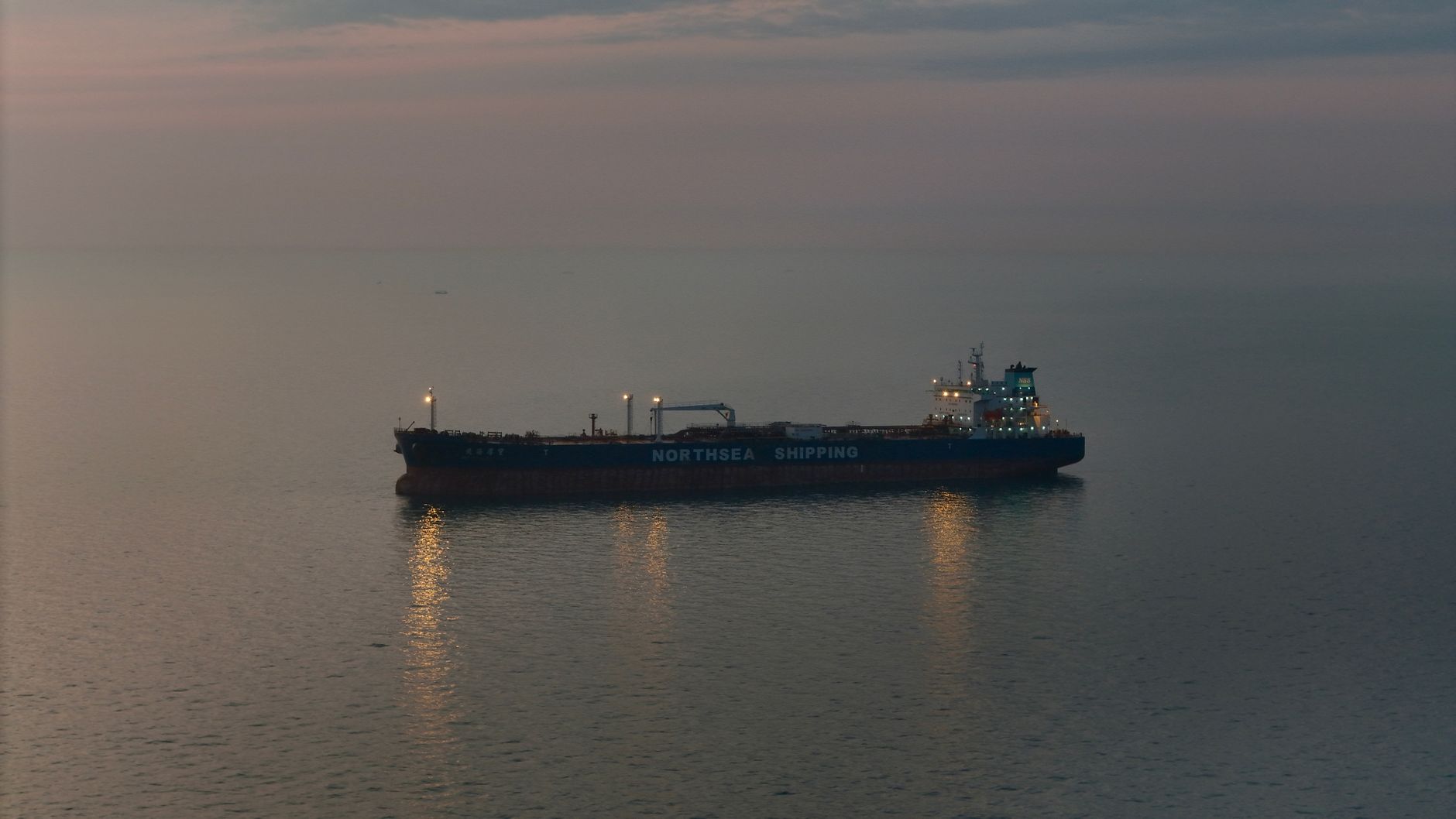
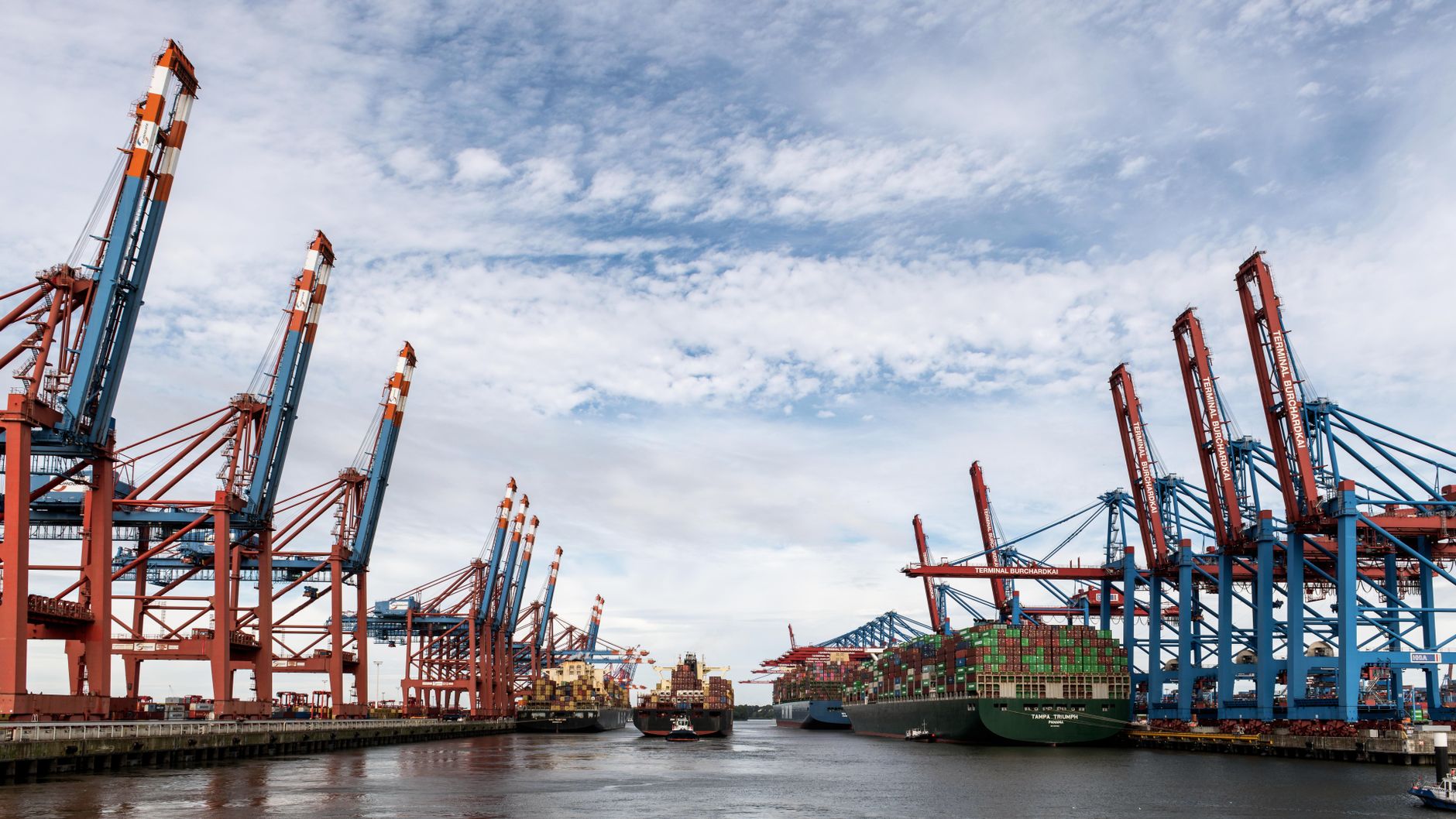
- The Strait of Hormuz, a critical chokepoint, handles approximately 20% of the world's total petroleum liquids consumption, making any disruption there an immediate global economic crisis.
- Iran's oil exports, even under sanctions, still represent a significant, albeit diminished, portion of global supply, and their complete cessation would create an immediate deficit in the market.
- Estimates suggest that a prolonged conflict could shave at least 1-2 percentage points off global GDP growth, leading to a worldwide recession far more severe than the 2008 financial crisis.
- Shipping insurance premiums for vessels transiting the Persian Gulf region would skyrocket by over 500%, making trade prohibitively expensive and severely impacting supply chains for various goods.
- Direct military costs for a sustained conflict could easily exceed trillions of dollars for the U.S. alone, diverting critical resources from domestic investments and social programs, exacerbating national debt.
Context Check
The geopolitical landscape surrounding the U.S. and Iran is incredibly volatile, marked by decades of mistrust, proxy conflicts, and escalating rhetoric. This deeply entrenched animosity forms the backdrop against which any potential military confrontation must be understood. The region is a powder keg, with numerous non-state actors and regional powers deeply intertwined, meaning that even a limited engagement could rapidly spiral out of control, drawing in additional players and broadening the scope of the conflict.
Economic sanctions imposed by the U.S. have already severely crippled Iran's economy, leading to widespread domestic discontent and a desperate search for alternative revenue streams. This economic pressure, while intended to curb Iran's nuclear ambitions and regional influence, also creates a volatile environment where the regime might feel cornered, potentially leading to more unpredictable and aggressive actions. The interplay between economic hardship and nationalistic fervor is a dangerous cocktail that could easily ignite a broader conflict.
The global economy, still recovering from recent shocks, is particularly vulnerable to disruptions in the Middle East. Any significant conflict involving major oil producers and critical shipping lanes would send shockwaves through international markets, far beyond the immediate combatants. The interconnectedness of global finance and trade means that a regional conflict could trigger a worldwide recession, impacting everything from energy prices and manufacturing costs to consumer confidence and investment flows across continents.
Background
The relationship between the United States and Iran has been fraught with tension since the 1979 Islamic Revolution, which saw the overthrow of the U.S.-backed Shah and the establishment of an anti-Western, Islamist government. This foundational shift immediately created a chasm of ideological differences and strategic objectives that have persisted for over four decades. Key flashpoints have included the Iran hostage crisis, Iran's nuclear program, its support for various proxy groups across the Middle East, and the U.S. military presence in the Persian Gulf, each contributing layers of complexity and animosity to an already strained dynamic. The historical narrative is one of perceived grievances and strategic maneuvering, where each side views the other with deep suspicion and as a primary threat to its regional and global interests.
Recent years have witnessed a significant escalation in this long-standing rivalry, particularly following the U.S. withdrawal from the Joint Comprehensive Plan of Action (JCPOA), commonly known as the Iran nuclear deal, in 2018. This decision, coupled with the re-imposition and intensification of crippling economic sanctions, dramatically heightened tensions. Iran responded by gradually reducing its compliance with the nuclear deal's restrictions, enriching uranium to higher levels, and increasing its ballistic missile development. Furthermore, a series of tit-for-tat actions, including attacks on oil tankers, drone strikes, and cyber warfare, have brought the two nations perilously close to direct military confrontation on multiple occasions, demonstrating the fragile nature of peace in the region.
The strategic importance of the Persian Gulf, particularly the Strait of Hormuz, cannot be overstated in this context. This narrow waterway is a vital artery for global energy supplies, through which a substantial portion of the world's seaborne oil passes daily. Any disruption or closure of this strait, whether through direct military action or Iranian threats, would have immediate and catastrophic repercussions for the global economy. Both the U.S. and Iran recognize the immense leverage this chokepoint provides, making it a critical strategic asset and a potential flashpoint in any conflict. The economic implications of such a closure are so profound that it underscores the global stakes involved in preventing a full-scale war.
Winners and Losers
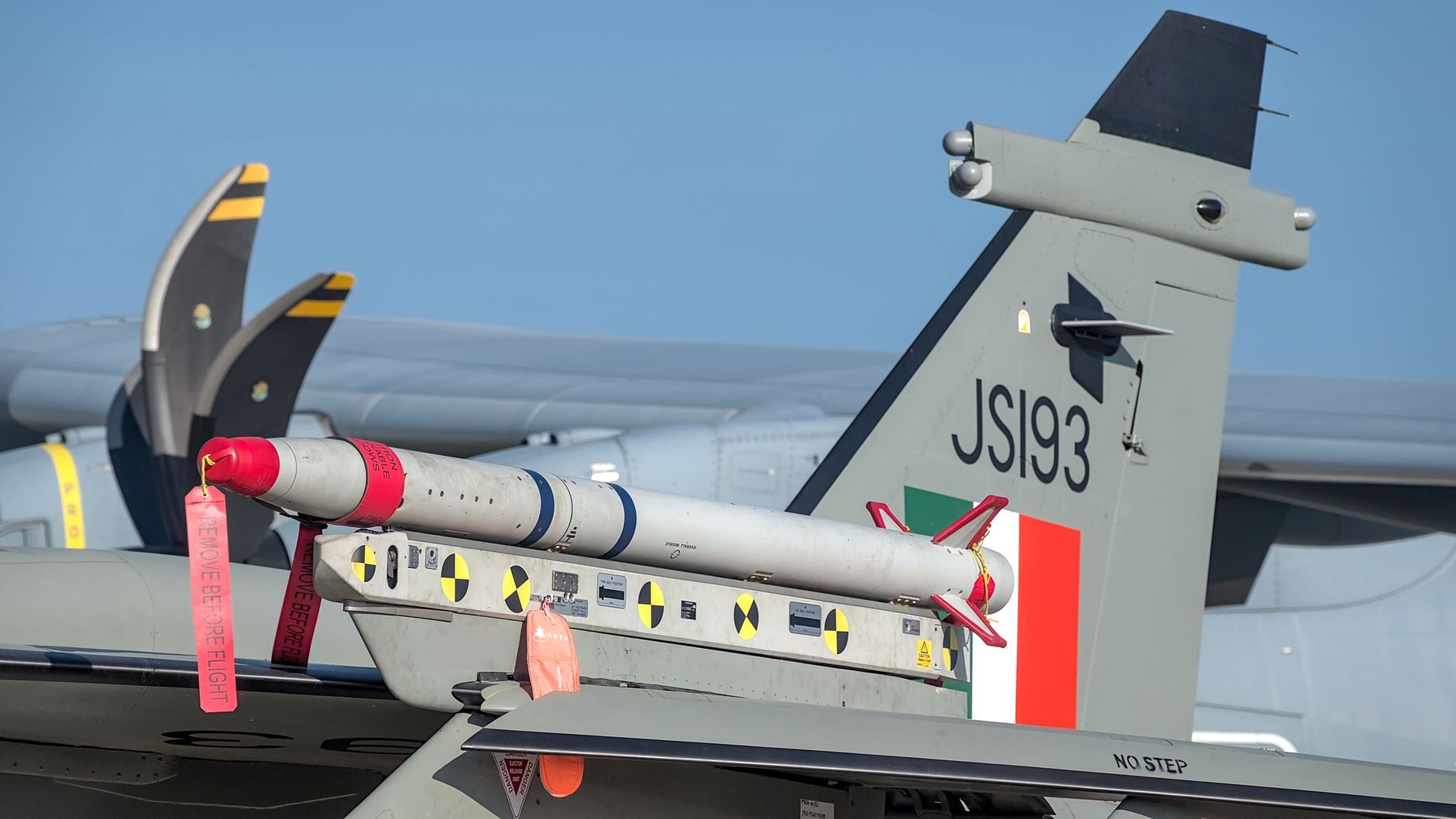
In the immediate aftermath of any U.S.-Iran conflict, a clear set of economic winners and losers would emerge, though the long-term picture is far more complex and potentially devastating for all. Major oil-producing nations outside the Persian Gulf, such as Russia, Saudi Arabia (if not directly involved), and potentially the U.S. shale industry, could see a significant, albeit temporary, windfall from soaring oil prices. These countries would benefit from increased demand and reduced competition, allowing them to capitalize on the global energy crisis. Additionally, defense contractors and arms manufacturers would undoubtedly experience a surge in orders, as nations scramble to bolster their military capabilities and replace lost equipment, turning conflict into profit.
Conversely, the list of losers would be extensive and far-reaching. Iran itself would suffer catastrophic economic and human costs, with its infrastructure decimated and its economy pushed to the brink of collapse. The U.S., despite its military might, would face immense financial burdens from war expenditures, potential domestic economic slowdowns due to high energy prices, and a likely increase in its national debt. Global consumers would bear the brunt of skyrocketing energy costs, leading to inflation, reduced purchasing power, and a significant decline in living standards. Industries heavily reliant on oil, such as transportation, manufacturing, and agriculture, would see their operational costs surge, forcing price increases and potentially leading to widespread layoffs and bankruptcies.
Beyond the direct combatants, the global economy would be plunged into a severe recession, impacting developing nations most acutely. Countries dependent on oil imports would face crippling balance of payments crises, while those reliant on international trade routes through the Middle East would see their supply chains severely disrupted. The ripple effects would extend to financial markets, with widespread panic, capital flight, and a significant downturn in global investment. Even nations seemingly far removed from the conflict would experience the profound economic consequences, demonstrating that in a deeply interconnected world, a major war in a critical region creates no true winners in the long run, only varying degrees of loss.
Analyst Perspectives
Leading geopolitical analysts universally agree that a military confrontation between the U.S. and Iran would be catastrophic, not just for the region but for the entire global economy. Experts from institutions like the CSIS and the Brookings Institution emphasize that the economic fallout would far exceed previous regional conflicts, primarily due to Iran's strategic location and its capacity to disrupt global energy flows. They point out that unlike past conflicts, Iran possesses capabilities to directly target critical shipping infrastructure and oil production facilities, making the potential for widespread disruption unprecedented. The sheer volume of oil passing through the Strait of Hormuz means even a temporary closure would trigger an immediate, severe energy crisis.
Energy market specialists predict an immediate and dramatic spike in oil prices, potentially reaching levels not seen since the 1970s oil shocks, or even higher. Analysts at S&P Global Platts and Rystad Energy suggest that prices could easily double or triple within weeks, pushing crude oil well over $150-$200 per barrel. This surge would not only impact gasoline prices but would also drive up costs across virtually every sector of the economy, from manufacturing and agriculture to transportation and consumer goods, leading to rampant inflation and a significant contraction of global GDP. The ripple effect would be felt in every household and business worldwide, making economic recovery incredibly challenging.
Beyond oil, economists from the IMF and World Bank warn of severe disruptions to international trade and investment. A conflict would trigger a massive flight to safety, with investors pulling capital from emerging markets and seeking refuge in traditional safe-haven assets, leading to currency devaluations and financial instability across the developing world. Supply chains, already fragile from recent global events, would face unprecedented stress, leading to shortages and further inflationary pressures. The long-term consequences could include a profound restructuring of global trade routes and energy dependencies, as nations seek to mitigate future risks, but at a significant immediate economic cost.
Key Questions Explained
The Outlook
The current trajectory of U.S.-Iran relations points towards continued volatility and a heightened risk of miscalculation, making the outlook for regional stability increasingly precarious. While neither side explicitly desires a full-scale war, the accumulation of provocations, the presence of numerous proxy groups, and the deeply entrenched distrust create a fertile ground for unintended escalation. The potential for a minor incident to spiral into a major confrontation remains alarmingly high, demanding constant vigilance and sophisticated diplomatic maneuvering to prevent a catastrophic outcome. The region remains a tinderbox, with global implications for peace and economic stability.
Economically, the global system is ill-prepared to absorb the shockwaves of a major conflict in the Persian Gulf. With ongoing inflationary pressures, fragile supply chains, and significant national debts, a sudden spike in oil prices and widespread trade disruptions would trigger a severe global recession, potentially worse than any seen in decades. Businesses and consumers worldwide would face unprecedented challenges, from soaring energy costs and product shortages to job losses and financial instability. The interconnectedness of the global economy means that the economic fallout would be truly global, impacting every nation regardless of its direct involvement in the conflict.
Looking ahead, de-escalation and sustained diplomatic engagement remain the only viable path to avert a catastrophic conflict. This requires a concerted effort from all parties to reduce tensions, re-establish communication channels, and address core grievances through negotiation rather than confrontation. The international community must exert maximum pressure on both Washington and Tehran to prioritize dialogue and find common ground, recognizing that the economic and human costs of war are simply too high. The future of global economic stability hinges on preventing this geopolitical flashpoint from erupting into a full-blown crisis.













Comments
No comments yet. Be the first to comment!