


Policy Snapshot
- The U.S. government maintains a strategic petroleum reserve, a critical buffer intended to mitigate supply shocks, though its effectiveness is continually debated amidst sustained high prices.
- International sanctions against Iran, primarily targeting its oil exports, significantly reduce global supply, directly contributing to upward pressure on crude oil benchmarks and refined product costs.
- Major oil-producing nations within OPEC+ frequently adjust production quotas, a collective action that profoundly influences global crude oil prices and the stability of energy markets worldwide.
- Various countries implement fuel subsidies or tax cuts to alleviate the burden of high energy prices on consumers, a policy that can have significant fiscal implications and distort market signals.
- Discussions around a potential windfall profits tax on energy companies gain traction during periods of exceptionally high earnings, aiming to redistribute some of these gains or fund consumer relief programs.
- Renewed diplomatic efforts and potential de-escalation of tensions in the Middle East could lead to a re-evaluation of current energy policies and supply chain strategies, potentially stabilizing prices.
The Policy History
The intricate relationship between geopolitical events and global energy markets has a long and volatile history, with the current surge in oil prices being the latest chapter. Historically, major conflicts and political instability in oil-rich regions, particularly the Middle East, have consistently triggered significant price hikes. The 1973 oil crisis, stemming from the Yom Kippur War, and the 1979 Iranian Revolution, both serve as stark reminders of how regional conflicts can send shockwaves through the global economy, leading to rationing, economic recession, and a fundamental re-evaluation of energy security policies across developed nations. These historical precedents underscore the inherent fragility of a global economy heavily reliant on a concentrated supply of fossil fuels.
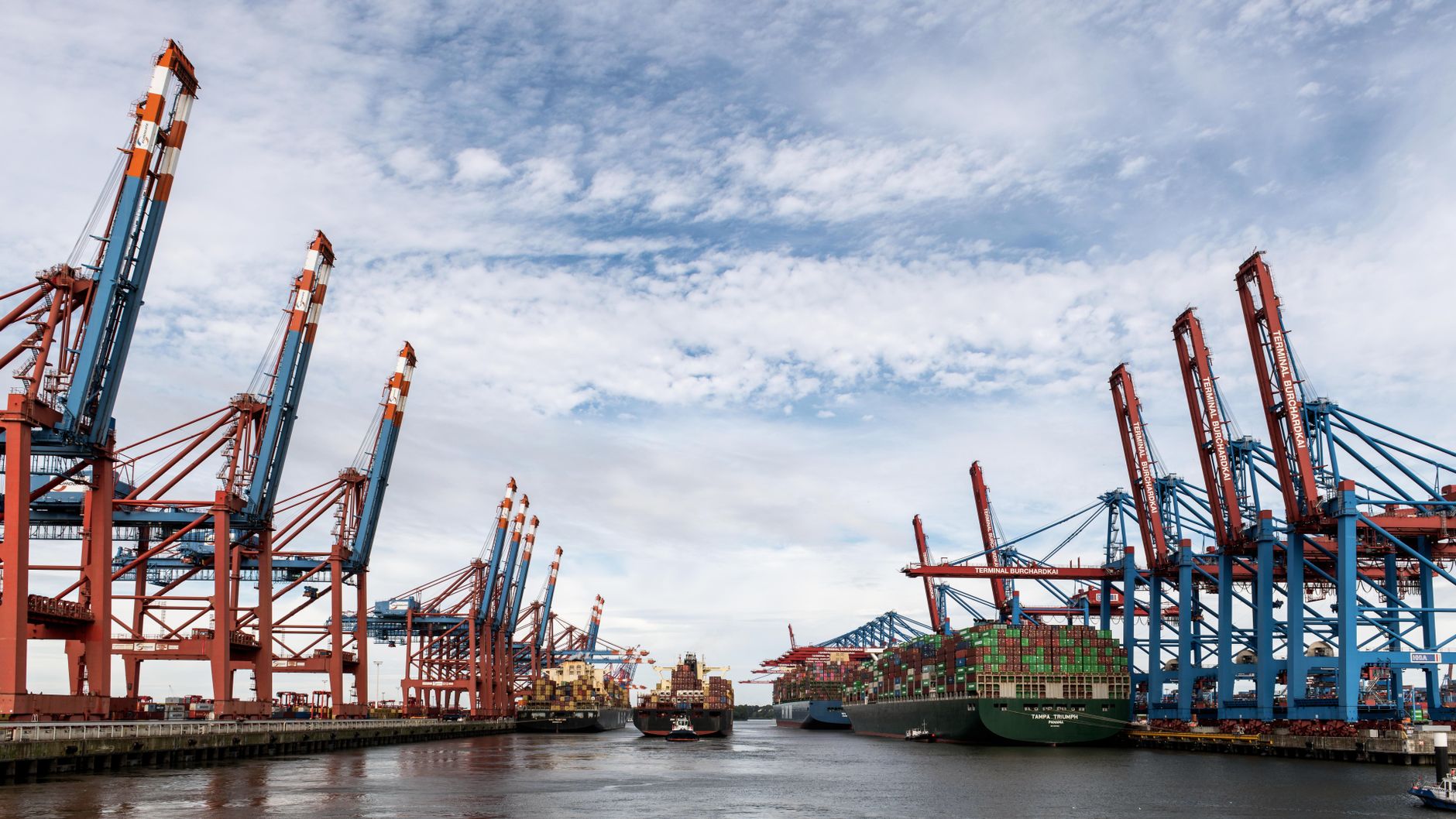
In response to these past crises, many nations, including the United States, established strategic petroleum reserves and diversified their energy sources to a certain extent. However, the foundational dependence on oil has largely persisted. Policies aimed at fostering energy independence, while making some strides, have not fully insulated economies from the ripple effects of international supply disruptions. The current environment, marked by heightened tensions between the U.S. and Iran, directly impacts a crucial shipping lane for oil, the Strait of Hormuz, through which a significant portion of the world's seaborne oil passes. Any perceived threat to this choke point immediately translates into market anxiety and speculative buying, driving prices upward.
Furthermore, the policy landscape has been shaped by decades of complex international relations, including sanctions regimes against countries like Iran. These sanctions, while intended to exert political pressure, inadvertently reduce global oil supply, creating a tighter market where prices are more susceptible to volatility from other geopolitical factors. The interplay of these long-standing policies, current diplomatic stalemates, and the ever-present threat of military confrontation creates a perfect storm for elevated energy costs, directly benefiting oil companies with existing production capacities. This historical context reveals a cyclical pattern where geopolitical instability consistently translates into economic advantage for specific sectors, often at the expense of the broader consumer base.
Who Is Affected
The primary group impacted by soaring energy prices is undoubtedly the average consumer. From the daily commute to heating homes, nearly every aspect of modern life is touched by the cost of oil. Higher gasoline prices directly erode household budgets, forcing families to make difficult choices between essential expenditures. For those in lower-income brackets, this impact is particularly severe, as a larger percentage of their disposable income is allocated to transportation and utilities. This creates a regressive burden, exacerbating economic inequalities and potentially pushing more households into financial precarity. The ripple effect extends beyond direct fuel costs, as businesses pass on increased shipping and production expenses, leading to higher prices for goods and services across the board.
Businesses, especially those in transportation, manufacturing, and agriculture, face significant operational challenges. Airlines, trucking companies, and logistics firms see their fuel bills skyrocket, directly impacting their profitability and potentially leading to higher freight costs. Farmers, reliant on diesel for machinery and natural gas for fertilizers, experience increased input costs, which are then passed on to consumers through higher food prices. This creates a challenging environment for economic growth, as businesses may delay investments, reduce hiring, or even scale back operations to absorb the rising costs. Small and medium-sized enterprises (SMEs) are particularly vulnerable, often lacking the financial reserves to weather prolonged periods of high energy expenses.
Conversely, major oil and gas companies are experiencing unprecedented financial windfalls. With crude oil prices elevated, their revenue streams swell, leading to record profits and increased shareholder dividends. This stark contrast between consumer hardship and corporate prosperity often fuels public debate about corporate responsibility and market fairness. While these companies argue that these profits are necessary for reinvestment in exploration and production, critics contend that a significant portion is directed towards executive compensation and stock buybacks, further enriching shareholders. This dynamic highlights the uneven distribution of economic impacts stemming from global energy market volatility, creating clear winners and losers in the current climate.
The Case For
The argument for allowing market forces to dictate oil prices, even amidst geopolitical tensions, often centers on the principles of economic efficiency and incentivizing supply. Proponents suggest that high prices act as a crucial signal to producers, encouraging them to invest more in exploration, drilling, and production technologies. This increased investment, over time, can lead to greater supply, which eventually helps to stabilize or even lower prices. Interfering with this natural market mechanism, through price caps or excessive regulation, could disincentivize future production, potentially leading to even more severe supply shortages down the line. The free market, in this view, is the most effective allocator of resources and the most robust mechanism for ensuring long-term energy security.
Furthermore, the substantial profits generated by oil companies during periods of high prices are often presented as essential for funding the transition to cleaner energy sources. These companies possess immense capital, technological expertise, and infrastructure that could be leveraged for developing renewable energy projects, carbon capture technologies, and other sustainable solutions. Without these profits, it is argued, the financial capacity for such large-scale investments would be significantly diminished, slowing down the global energy transition. Therefore, allowing these companies to capitalize on current market conditions is seen by some as a necessary evil to accelerate the shift towards a more sustainable energy future, even if it comes with short-term pain for consumers.
Another perspective emphasizes national security. A robust and profitable domestic oil industry can contribute to a nation's energy independence, reducing its reliance on potentially unstable foreign sources. In times of geopolitical crisis, having a strong domestic production capacity becomes a strategic asset, providing a buffer against international supply disruptions and price shocks. The profits earned by these companies can also fund research and development into advanced drilling techniques, cybersecurity for energy infrastructure, and other innovations that bolster national energy resilience. From this viewpoint, the financial health of major oil companies is not just about corporate gain but a vital component of a comprehensive national security strategy.
The Case Against
Critics vehemently argue that allowing major oil companies to reap massive profits during periods of geopolitical instability and consumer hardship is morally reprehensible and economically unjust. They contend that these companies are exploiting global crises, rather than simply responding to market signals, by prioritizing shareholder returns over public welfare. The argument against unchecked profits highlights the regressive impact on consumers, particularly those with limited incomes, who bear the brunt of elevated fuel and utility costs. This disproportionate burden exacerbates economic inequality and can trigger inflationary pressures across the entire economy, undermining stability and growth for the majority of the population. The perception of corporate profiteering during a crisis can also erode public trust in the energy sector and market mechanisms.
Furthermore, opponents argue that these windfall profits do not necessarily translate into increased investment in sustainable energy or even significant new oil production that would alleviate prices. Instead, a substantial portion of these earnings is often channeled into stock buybacks, dividend payouts, and executive bonuses, enriching shareholders and corporate leadership without directly benefiting the broader public or contributing to long-term energy solutions. This practice, critics assert, demonstrates a short-sighted focus on immediate financial gains rather than a commitment to energy security or environmental responsibility. They advocate for policies like a windfall profits tax, which could redirect some of these excess earnings to fund consumer relief, public infrastructure, or accelerate renewable energy development.
The environmental implications also form a core part of the argument against unrestrained fossil fuel profits. High oil prices, while painful, could theoretically accelerate the transition away from fossil fuels by making renewable alternatives more competitive. However, if oil companies are simply maximizing profits from existing infrastructure without significant investment in green technologies, this opportunity is lost. Critics argue that these companies have a vested interest in maintaining the status quo, and their massive profits enable them to lobby against climate action and delay the necessary shift to a low-carbon economy. Therefore, allowing them to accumulate vast wealth during crises is seen as counterproductive to global climate goals and long-term environmental sustainability.

Policy Questions Answered
Implementation Watch
Monitoring the actual implementation of any proposed policies to address high energy prices and oil company profits will be crucial. For instance, if a windfall profits tax is enacted, its design will dictate its effectiveness. Key questions include: what profit thresholds trigger the tax, how will 'windfall' profits be defined, and how will the collected revenue be allocated? A poorly designed tax could inadvertently disincentivize domestic production or lead to capital flight, while an effective one could provide significant relief and fund vital green initiatives. The details of legislative language and the mechanisms for enforcement will determine whether such a policy achieves its intended goals or creates unintended consequences for the energy sector and broader economy.
Beyond taxation, observing how governments manage strategic petroleum reserves (SPR) will be vital. Decisions to release oil from the SPR are complex, balancing immediate price relief with long-term energy security. The timing, volume, and frequency of such releases directly impact market psychology and actual supply. Furthermore, the replenishment strategy for the SPR, especially during periods of high prices, will reveal the government's long-term commitment to maintaining this critical buffer. Any perceived mismanagement or politicization of the SPR could undermine its effectiveness and market confidence, making it less potent as a tool for price stabilization during future crises.
Finally, the actions of major oil companies themselves warrant close scrutiny. Despite record profits, the extent to which they genuinely invest in new production capacity, refine existing infrastructure, or pivot towards renewable energy will be a key indicator. Promises of increased investment must be matched by tangible projects and measurable outcomes, rather than simply increased dividends or share buybacks. Public and regulatory pressure will play a significant role in holding these corporations accountable for their stated commitments, ensuring that their financial windfalls contribute meaningfully to long-term energy stability and the global climate agenda, rather than solely to short-term shareholder value.














Comments
No comments yet. Be the first to comment!