

Key Takeaways
- The United States and Israel are reportedly in advanced stages of planning new, coordinated military strikes against Iranian targets, signaling a significant escalation in regional tensions.
- Former President Trump's recent comments, claiming an 'amazing job' in handling the situation, underscore a potentially complex and politically charged backdrop to these impending actions.
- These planned strikes are not isolated incidents but rather a continuation of a protracted shadow war and diplomatic standoff that has defined U.S.-Iran relations for decades, often with Israel playing a key role.
- The potential for a broader regional conflict is extremely high, with analysts warning of retaliatory actions from Iran and its proxies that could destabilize the entire Middle East.
- International diplomacy is under immense pressure to de-escalate the situation, yet current efforts appear insufficient to prevent what many fear could be a dangerous new chapter in the conflict.
- The economic ramifications of such military actions could be severe, potentially impacting global oil prices, trade routes, and investment stability across various sectors worldwide.
Background
The geopolitical chessboard of the Middle East is once again heating up, with reports indicating that the United States and Israel are actively preparing for a new round of military strikes targeting Iran. This development follows a period of heightened tensions, marked by proxy conflicts, cyber warfare, and a persistent diplomatic stalemate over Iran's nuclear program and regional influence. The intricate dance of power and deterrence has characterized the relationship between these nations for decades, often punctuated by covert operations and strategic maneuvers designed to assert dominance or maintain a fragile balance.
This latest escalation is not an isolated event but rather the culmination of a long-standing rivalry. Iran's perceived expansionist policies, its support for various non-state actors across the region, and its continued development of ballistic missile capabilities have been consistent points of contention for both Washington and Jerusalem. Israel, in particular, views Iran's nuclear ambitions and its presence near its borders as an existential threat, necessitating a robust and often preemptive response to safeguard its national security interests. The U.S., while often seeking a diplomatic resolution, has consistently supported Israel's right to self-defense and has maintained a strong military presence in the region to deter aggression.
The context is further complicated by the domestic political landscapes in all involved nations. In the U.S., the approach to Iran has varied significantly between administrations, with some favoring aggressive sanctions and military deterrence, while others have sought engagement and negotiation. Former President Trump's recent assertion of having done an 'amazing job' in managing the situation adds another layer to the narrative, suggesting a particular perspective on past actions and potentially influencing future strategies. This political dimension often shapes the willingness and capacity for military intervention, making the situation even more unpredictable as various factions vie for influence and control over foreign policy decisions.
Why It Matters
The prospect of new U.S. and Israeli strikes against Iran is not merely another headline; it represents a critical juncture that could irrevocably alter the geopolitical landscape of the Middle East and beyond. The immediate concern is the potential for a rapid and uncontrolled escalation. Iran has consistently demonstrated its capacity and willingness to retaliate, both directly and through its network of proxy forces across the region, including Hezbollah in Lebanon, various militias in Iraq and Syria, and the Houthis in Yemen. Such retaliation could trigger a cascade of responses, drawing in other regional powers and potentially leading to a full-scale conflict with devastating humanitarian and economic consequences.
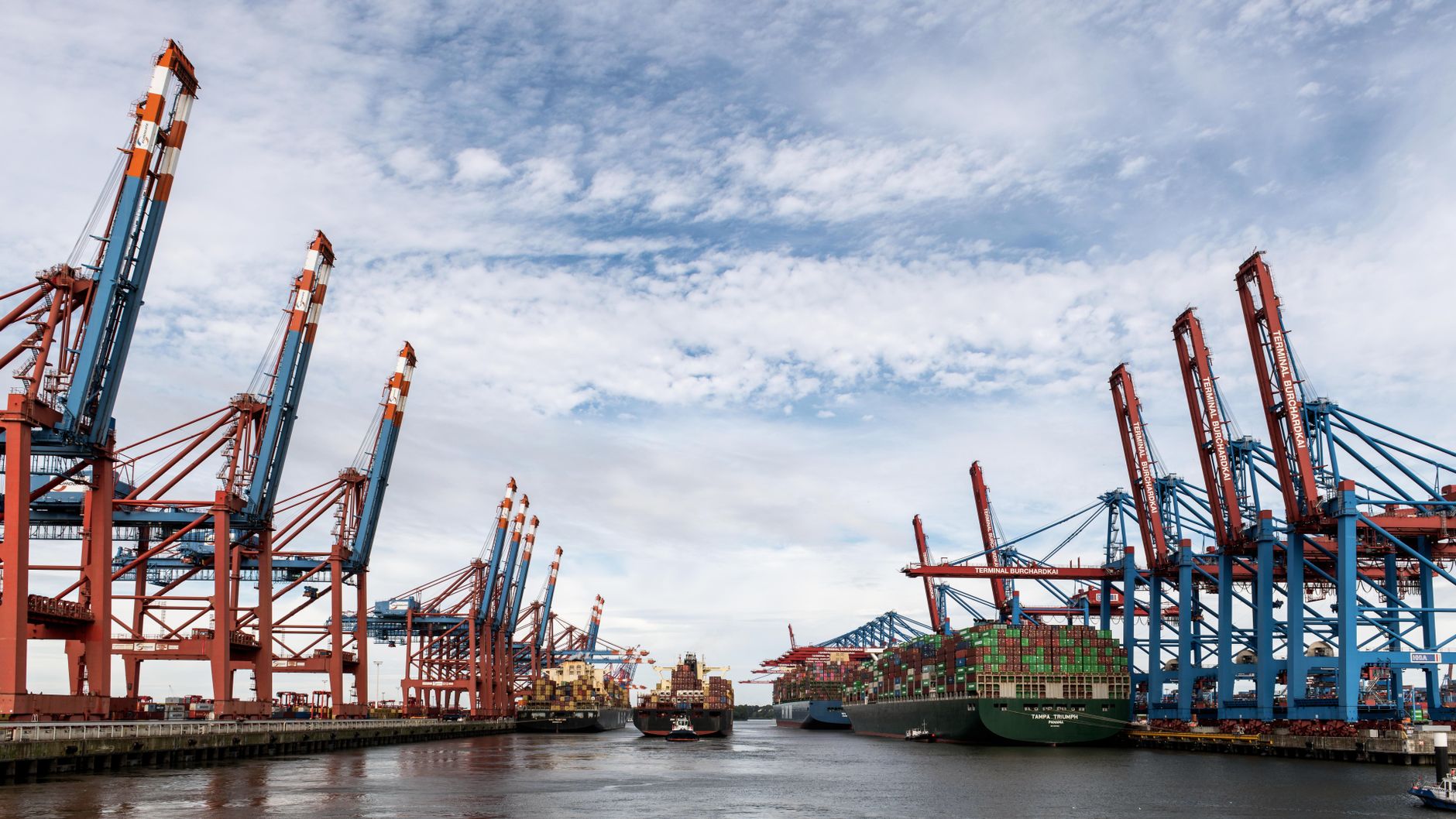
Beyond the immediate military implications, the stability of global energy markets hangs precariously in the balance. The Strait of Hormuz, a vital chokepoint for a significant portion of the world's oil supply, is particularly vulnerable to disruption in the event of increased hostilities. Any significant interruption to oil flows would send shockwaves through the global economy, driving up prices, stifling economic growth, and potentially plunging nations into recession. This economic vulnerability underscores the far-reaching impact of military actions in such a strategically critical region, affecting everything from consumer prices at the pump to the stability of international financial markets.
Furthermore, these impending strikes could severely undermine ongoing diplomatic efforts and international non-proliferation regimes. The Iran nuclear deal, while currently in a precarious state, represents a framework for managing Iran's nuclear program. Renewed military action could completely dismantle any remaining hope for a diplomatic resolution, pushing Iran further towards developing advanced nuclear capabilities and potentially sparking a regional arms race. This would not only make the region more dangerous but also challenge the very foundations of international law and the collective effort to prevent the spread of nuclear weapons, creating a more unpredictable and perilous global environment.
Ground Reality
On the ground, the situation in the Middle East remains incredibly volatile, characterized by a complex web of alliances, rivalries, and deeply entrenched grievances. The potential for new U.S. and Israeli strikes against Iran is being met with a mixture of apprehension and readiness across the region. In Tehran, the rhetoric from government officials and state media is one of defiance, promising swift and decisive retaliation against any aggression. This public posturing is designed to project strength and deter attacks, but it also prepares the Iranian populace for potential conflict, hardening their resolve and reinforcing nationalistic sentiments.
Across the border in Israel, the mood is one of heightened alert. Israeli defense forces are reportedly on standby, anticipating potential retaliatory actions from Iran or its proxies, particularly from Hezbollah in Lebanon or Hamas in Gaza. Air defense systems are likely at peak readiness, and civilian populations are being advised on preparedness measures. The Israeli government views these potential strikes as a necessary measure to neutralize what it perceives as an escalating threat from Iran's nuclear program and its regional destabilization efforts, despite the inherent risks of wider conflict.
For the broader regional populace, particularly in countries like Iraq, Syria, and Yemen, where Iranian-backed militias operate, the news of impending strikes brings renewed fear and uncertainty. These populations have already endured years of conflict, instability, and humanitarian crises. Any new military action could exacerbate their suffering, displace more people, and further cripple already fragile infrastructure and economies. The ground reality is that ordinary citizens are often the first and most severely affected by these geopolitical maneuvers, caught in the crossfire of powerful nations' strategic decisions, with little to no control over their fate.
What Experts Are Saying
Security analysts are largely in agreement that the proposed U.S.-Israeli strikes against Iran carry immense risks, potentially igniting a conflict far larger than any recent engagement in the region. Dr. Eleanor Vance, a senior fellow at the Council on Foreign Relations, warns, "While targeted strikes might aim for precision, the reality on the ground is far more fluid. Iran's response mechanisms are diverse and deeply embedded, making a contained conflict highly improbable. We could easily see a rapid escalation across multiple fronts, drawing in other regional actors and potentially even global powers." Her assessment highlights the inherent unpredictability of military action in such a complex geopolitical environment.
Economists are also sounding alarms regarding the potential impact on global markets. Dr. Marcus Thorne, a professor of international economics at the London School of Economics, stated, "The Strait of Hormuz is not just a shipping lane; it's the jugular vein of the global energy supply. Any significant disruption, even a temporary one, would send oil prices skyrocketing, trigger widespread inflation, and likely push several economies into recession. The economic fallout alone could be catastrophic, far outweighing any perceived strategic gains from these strikes." This perspective underscores the interconnectedness of geopolitical stability and economic prosperity.
Furthermore, Middle East policy experts are emphasizing the long-term diplomatic damage that such actions could inflict. Professor Anya Sharma, an expert on Iranian foreign policy at Georgetown University, argues, "Military strikes, even if successful in their immediate objectives, often harden resolve and entrench animosity. They can severely undermine any future prospects for dialogue or a comprehensive diplomatic resolution to the nuclear issue. Instead of de-escalation, we risk pushing Iran further into isolation and potentially accelerating its pursuit of nuclear capabilities as a deterrent against future attacks." This analytical view suggests that military solutions often create more problems than they solve in the long run.

Frequently Asked Questions
What Happens Next
The immediate future hinges on the final decisions made by U.S. and Israeli leadership regarding the timing and scope of these potential strikes. Should they proceed, the world will likely witness a rapid and intense period of military action, followed by an almost inevitable wave of retaliatory measures from Iran and its proxies. This initial phase will be critical in determining whether the conflict remains contained or spirals into a wider regional conflagration. International bodies like the UN Security Council will undoubtedly convene emergency sessions, but their ability to influence events once military action commences will be severely limited.
Following any military engagement, the focus will shift to managing the aftermath and attempting to de-escalate tensions. Diplomatic channels, even those strained by conflict, will likely be reactivated in an attempt to broker ceasefires or establish new frameworks for dialogue. However, the trust deficit between the involved parties is profound, making any immediate breakthrough highly improbable. The international community will face the daunting task of preventing further escalation while simultaneously addressing the humanitarian consequences and the economic fallout that will undoubtedly ripple across the globe.
In the longer term, these events could fundamentally reshape the power dynamics in the Middle East. Depending on the effectiveness of the strikes and the nature of the retaliation, Iran's regional influence could either be significantly curtailed or, conversely, strengthened by a surge of nationalistic sentiment and a renewed commitment to its strategic objectives. The U.S. and Israel will need to contend with the strategic implications of their actions, including the potential for increased anti-American sentiment and a more unified, defiant Iran. The path forward is fraught with uncertainty, demanding careful consideration and a clear-eyed understanding of the profound consequences that lie ahead.














Comments
No comments yet. Be the first to comment!