
The Numbers
- Iran's oil production capacity has plummeted by an estimated 35-40% following the targeted strikes, severely impacting its primary revenue stream and ability to fund essential services and development projects.
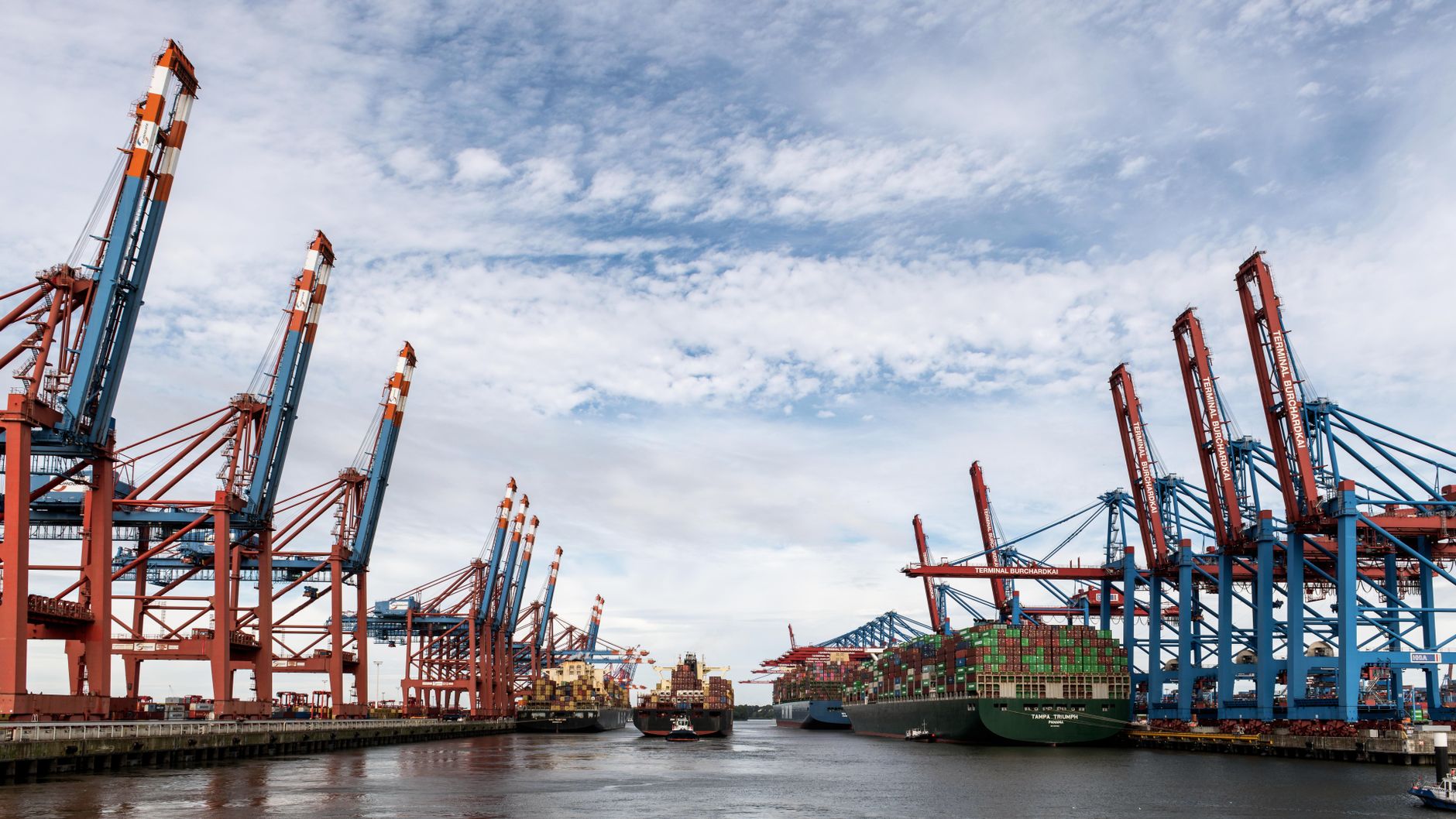
- Damage to critical port infrastructure, including key shipping terminals and oil loading facilities, is projected to cost upwards of $10 billion in repairs and lost trade revenue over the next two years, crippling maritime commerce.
- The national currency, the rial, has depreciated by an additional 25% against major international currencies since the attacks, exacerbating inflation and eroding the purchasing power of ordinary Iranian citizens.
- Foreign direct investment (FDI) into Iran, already minimal due to sanctions, has virtually ceased, with several major international companies announcing withdrawal or indefinite suspension of operations, further isolating the Iranian economy.
- Unemployment rates are anticipated to surge by at least 5-7 percentage points across key industrial and export-oriented sectors, leading to widespread job losses and increasing social unrest in urban centers.
- The cost of essential goods, particularly food and medicine, has risen by an average of 15-20% in recent weeks, placing immense strain on household budgets and threatening a humanitarian crisis for vulnerable populations.
Context Check
The recent infrastructure strikes against Iran did not occur in a vacuum; they are the culmination of years of escalating tensions between the United States and Iran, marked by a cycle of sanctions, proxy conflicts, and rhetorical provocations. The Trump administration's withdrawal from the Joint Comprehensive Plan of Action (JCPOA), commonly known as the Iran nuclear deal, in 2018, was a pivotal moment, re-imposing stringent sanctions that had already begun to cripple Iran's economy. This withdrawal was justified by claims that the deal did not adequately curb Iran's ballistic missile program or its regional destabilizing activities, setting the stage for a more aggressive posture.
Following the JCPOA withdrawal, the 'maximum pressure' campaign intensified, targeting Iran's oil exports, banking sector, and key industrial capabilities. This economic warfare was designed to force Iran back to the negotiating table on terms more favorable to Washington, or to incite internal dissent that could lead to regime change. However, instead of capitulation, Iran responded with its own escalatory measures, including enriching uranium beyond agreed limits, harassing international shipping in the Persian Gulf, and supporting regional militias, creating a dangerous tit-for-tat dynamic that consistently threatened to erupt into open conflict.
The specific targeting of infrastructure, rather than purely military assets, represents a significant shift in strategy, aiming to cripple Iran's economic lifelines and reduce its capacity to project power, both domestically and regionally. This approach seeks to maximize economic pain while theoretically minimizing direct military confrontation, though the line between economic warfare and acts of war remains dangerously blurred. Understanding this broader historical and strategic context is crucial for comprehending the profound implications of these strikes on Iran's internal stability and the delicate balance of power in the Middle East.
Background
The United States, under the Trump administration, initiated a series of covert and overt operations targeting critical Iranian infrastructure, primarily focusing on oil production facilities, port logistics, and key transportation networks. These actions were reportedly in response to perceived Iranian aggression, including attacks on Saudi oil facilities and shipping in the Strait of Hormuz, as well as continued development of ballistic missile technology. The administration's stated goal was to degrade Iran's ability to fund its regional proxies and nuclear program, thereby compelling a change in its foreign policy and domestic behavior. The strikes were meticulously planned to inflict maximum economic disruption while attempting to avoid direct military casualties that could trigger a wider conflict.
Intelligence reports, though often unconfirmed publicly, suggested that sophisticated cyberattacks accompanied kinetic strikes, further amplifying the damage to Iran's operational capabilities. These cyber operations reportedly targeted industrial control systems, disrupting power grids and communication networks essential for managing oil and gas infrastructure. The dual-pronged approach of physical and digital assaults aimed to create a systemic breakdown in Iran's economic backbone, making recovery significantly more challenging and costly. The precision of these attacks indicated a deep understanding of Iran's critical vulnerabilities and a long-term strategy to undermine its economic resilience.
Iran's economy, already reeling from years of international sanctions, was particularly vulnerable to these targeted strikes. Its heavy reliance on oil exports for government revenue meant that any disruption to production or shipping would have immediate and severe consequences. Furthermore, decades of underinvestment in infrastructure, partly due to sanctions and internal mismanagement, left many facilities susceptible to damage. The strikes exploited these pre-existing weaknesses, exacerbating an already precarious economic situation and putting immense pressure on the Iranian leadership to respond, either militarily or diplomatically, to the escalating crisis.
Winners and Losers
The most immediate and profound losers in this escalating conflict are undoubtedly the Iranian people. Ordinary citizens are bearing the brunt of a collapsing economy, facing rampant inflation, soaring unemployment, and shortages of essential goods. The destruction of infrastructure directly impacts their daily lives, from disrupted energy supplies to increased food prices and limited access to medical care. Small businesses are collapsing, and the middle class is rapidly eroding, leading to widespread disillusionment and potential social unrest. The long-term consequences for human development and stability within Iran are dire, threatening to push millions into poverty and despair.
Regionally, countries like Saudi Arabia and Israel, long-standing adversaries of Iran, might perceive themselves as short-term 'winners' by witnessing Iran's economic and strategic capabilities diminish. A weakened Iran could reduce its capacity to support proxy groups and challenge regional hegemony, aligning with their security interests. However, this perceived victory is precarious. The instability generated by a collapsing Iranian economy could spill over, creating a refugee crisis, fostering extremist groups, or provoking unpredictable retaliatory actions from Tehran, ultimately undermining regional stability for all actors involved. The complex web of alliances and rivalries means that no regional player can truly insulate itself from the fallout.
Globally, the United States, under the Trump administration, aimed to project strength and achieve its foreign policy objectives through these aggressive actions. While it may claim a tactical victory in weakening Iran, the broader strategic implications are mixed. The strikes have alienated key European allies who advocate for diplomacy, further fractured international consensus on Iran, and potentially pushed Iran closer to developing nuclear weapons out of perceived necessity. The global oil market has also experienced volatility, impacting consumers worldwide. Ultimately, the long-term 'winner' in such a destructive scenario is elusive, as the costs of instability often outweigh any short-term strategic gains for any nation.
Analyst Perspectives
Many geopolitical analysts view the infrastructure strikes as a dangerous escalation that risks spiraling into a full-blown regional conflict. Dr. Sarah Javan, a Middle East policy expert at Chatham House, noted, "The targeting of economic infrastructure, while not directly military, is a clear act of economic warfare that Iran cannot ignore. It pushes Tehran into a corner, limiting its options and potentially forcing a more aggressive, rather than conciliatory, response. This strategy, while aiming to cripple Iran, might inadvertently strengthen hardliners who advocate for a more confrontational stance against the West." She emphasizes that the long-term damage to Iran's economy could create a failed state scenario, which would be far more destabilizing for the region than a contained, albeit hostile, Iran.
Economists are particularly concerned about the humanitarian consequences. Dr. Amir Khan, an expert in international development at the London School of Economics, stated, "The destruction of critical infrastructure, coupled with existing sanctions, will undoubtedly lead to a severe humanitarian crisis. We're looking at widespread food insecurity, a breakdown in public health services, and mass unemployment. The ripple effects will extend beyond Iran's borders, potentially creating a significant refugee crisis and further destabilizing neighboring countries. This isn't just about economic pressure; it's about the survival of millions of ordinary people caught in the crossfire of geopolitical maneuvering." His analysis underscores the ethical dilemmas inherent in such aggressive economic tactics.
Security strategists, however, offer a more nuanced perspective. Retired General Mark Davies, a former Pentagon advisor, suggested, "While risky, these strikes aimed to demonstrate resolve and impose costs on Iran for its destabilizing actions without resorting to a full-scale invasion. The goal was to degrade their capabilities and force a re-evaluation of their regional strategy. The effectiveness will be measured by whether it ultimately leads to a more compliant Iran or merely entrenches their defiance. The challenge now is to manage the de-escalation, if possible, before the situation becomes irreversible." He highlights the delicate balance between deterrence and provocation that policymakers must navigate in such volatile circumstances.
Key Questions Explained
The Outlook
The immediate outlook for Iran's economy remains bleak, with no clear path to rapid recovery. The extensive damage to critical infrastructure, combined with the continued pressure of international sanctions, will likely keep the country in a deep recession for the foreseeable future. Inflation is expected to persist at high levels, and unemployment will continue to climb, exacerbating social discontent. Without a significant shift in geopolitical dynamics or a breakthrough in diplomatic negotiations, Iran faces a prolonged period of economic hardship and internal instability. The government's ability to maintain public order and provide essential services will be severely tested, potentially leading to further unrest.
Geopolitically, the region is poised for continued tension and potential escalation. The strikes have hardened positions on both sides, making a return to the negotiating table on mutually acceptable terms increasingly difficult. Iran's leadership, feeling cornered, may resort to asymmetric warfare or further support for proxy groups to project power and retaliate, even as its conventional capabilities are degraded. This creates a dangerous cycle of action and reaction, with a constant risk of miscalculation leading to broader military conflict involving multiple regional and international actors. The prospects for de-escalation appear slim in the short term.
Looking further ahead, the long-term consequences could reshape the Middle East. A prolonged period of Iranian weakness could embolden its regional rivals, but also create a power vacuum that extremist groups might exploit. Conversely, a desperate Iran could accelerate its nuclear ambitions, viewing it as the ultimate deterrent against external aggression. The international community faces a critical challenge: finding a diplomatic off-ramp that addresses both Iran's security concerns and its destabilizing actions, while also providing humanitarian relief. Without a concerted and creative diplomatic effort, the current trajectory points towards greater instability and human suffering.








Comments
No comments yet. Be the first to comment!