

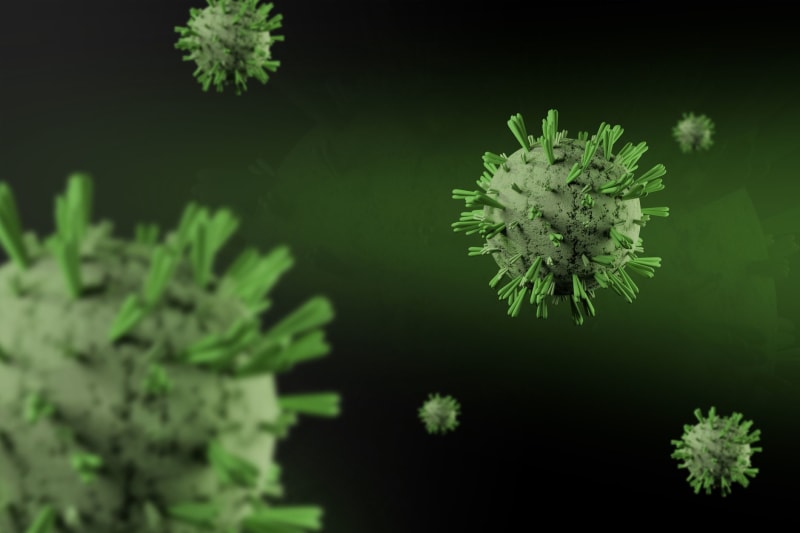
The Story in Brief
- While the acute phase of the COVID-19 pandemic may be behind us, the virus itself remains a pervasive and evolving threat, continuing to circulate globally and cause significant illness, hospitalization, and death.
- The public perception has largely shifted, with many individuals and governments opting to treat COVID-19 as an endemic illness, similar to seasonal influenza, leading to reduced testing, contact tracing, and public health messaging.
- A critical distinction must be made between the ongoing presence of the SARS-CoV-2 virus and the formal declaration of a 'pandemic,' which primarily refers to the widespread global outbreak and its associated public health emergency status.
- Despite the shift in public discourse, healthcare systems worldwide still face considerable strain from COVID-19 cases, particularly during surges, impacting resource allocation and the delivery of other essential medical services.
- The long-term health consequences of COVID-19, commonly known as Long COVID, are emerging as a significant public health crisis, affecting millions globally with debilitating symptoms that persist for months or even years.
- Vaccination efforts have dramatically altered the severity of COVID-19 outcomes, significantly reducing mortality and severe disease, yet vaccine hesitancy and inequitable access continue to pose challenges to achieving widespread immunity.
The Human Face
For many, the pandemic feels like a distant memory, a chapter closed. Yet, for countless individuals and families, COVID-19 remains a daily, often brutal, reality. Consider the millions grappling with Long COVID, whose lives have been irrevocably altered by persistent fatigue, cognitive dysfunction, and chronic pain. These are not just statistics; they are parents unable to work, students struggling to learn, and individuals whose vibrant lives have been dimmed by an illness that the world seems eager to forget. Their struggle underscores the profound human cost that continues long after the headlines fade.
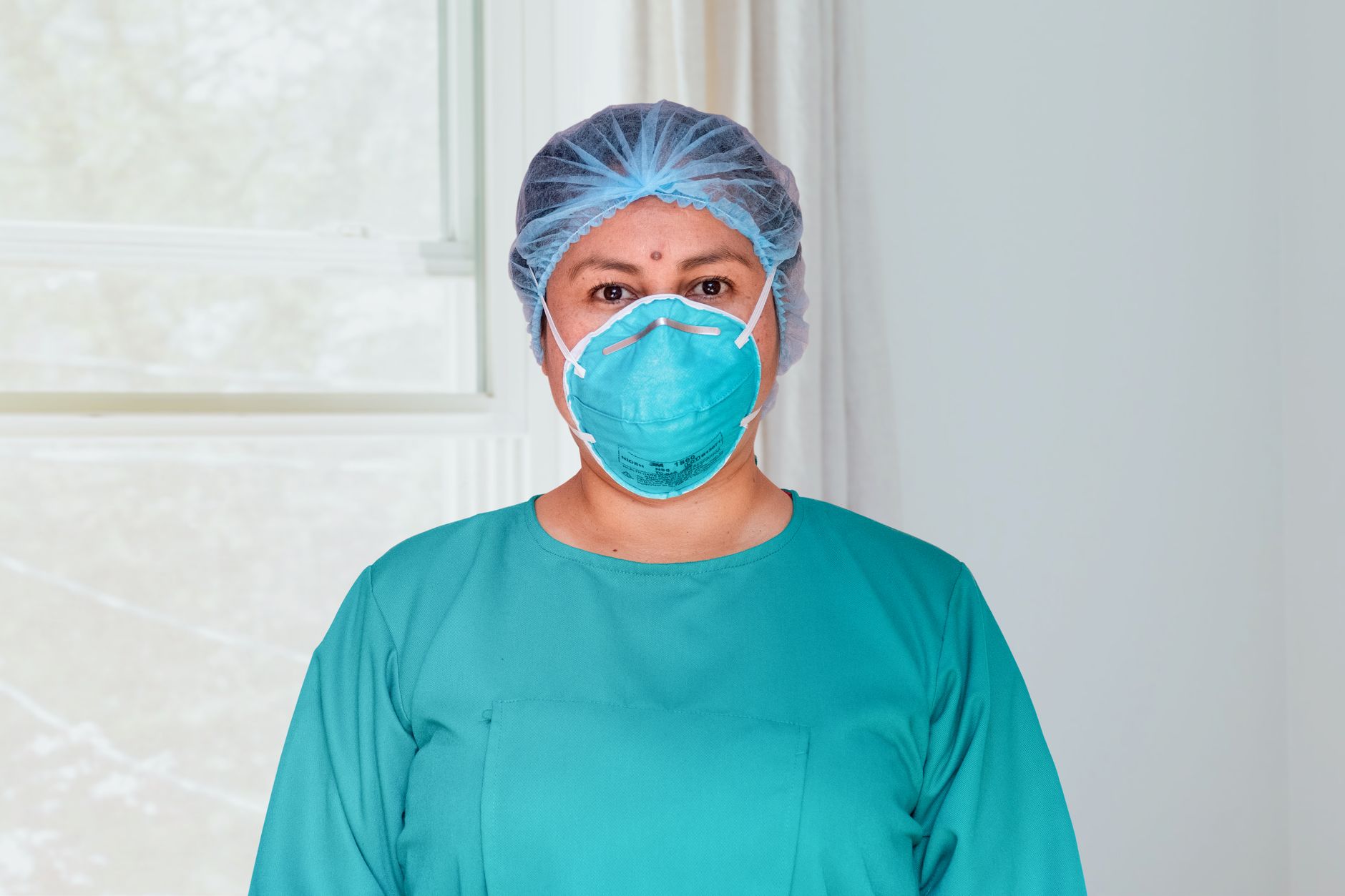
Healthcare workers, too, bear the indelible marks of the pandemic. While the initial waves of overwhelming patient loads may have receded, they still face the emotional and physical toll of managing a persistent, unpredictable virus. They witness firsthand the ongoing suffering, the difficult decisions, and the lingering trauma. The narrative of 'return to normal' often overlooks the exhausted nurses, doctors, and support staff who continue to provide care, often with fewer resources and less public acknowledgment than during the height of the crisis. Their resilience is commendable, but their burnout is a critical concern.
Beyond the direct health impacts, the pandemic's shadow extends to social and economic disparities. Vulnerable communities, often those with limited access to healthcare, stable employment, and adequate housing, continue to disproportionately bear the brunt of the virus. The economic fallout, exacerbated by illness and caregiving responsibilities, has pushed many deeper into poverty, widening existing inequalities. This ongoing struggle for equity highlights that the 'end' of the pandemic is a privileged perspective, not a universal reality, for those still navigating its profound and often devastating consequences.
How We Got Here
The journey from a novel virus outbreak to its current endemic-like status has been complex and fraught with challenges. Initially, the world grappled with an unknown pathogen, leading to unprecedented lockdowns, rapid vaccine development, and a global scramble for resources. Public health measures, though sometimes controversial, were implemented with varying degrees of success, aiming to 'flatten the curve' and prevent healthcare systems from collapsing. The sheer scale of the initial response reflected the profound uncertainty and existential threat posed by SARS-CoV-2.
As vaccination rates increased and new variants emerged, often less severe but more transmissible, the public health strategy began to pivot. The focus shifted from containment to mitigation, emphasizing vaccination, therapeutics, and individual risk assessment. This transition was driven by a combination of scientific advancements, public fatigue with restrictions, and economic pressures to reopen societies. The narrative subtly changed from 'eradicating the virus' to 'learning to live with it,' a significant psychological and policy shift that redefined the parameters of the ongoing crisis.
However, this shift also brought its own set of complications. Reduced widespread testing and contact tracing meant a diminished capacity to monitor the virus's spread and evolution effectively. The dismantling of emergency public health infrastructure, while understandable from a budgetary perspective, left many regions less prepared for future surges or the emergence of new, more dangerous variants. This gradual normalization of COVID-19, while offering a sense of relief, also obscured the persistent dangers and the ongoing need for robust public health surveillance and flexible response mechanisms.
Why This Cannot Be Ignored
Ignoring the persistent reality of COVID-19 carries profound and dangerous implications for public health, economic stability, and social well-being. Firstly, the virus continues to mutate, and each new variant presents a potential threat of increased transmissibility, immune evasion, or greater severity. Without robust surveillance and a proactive approach, we risk being caught off guard by a variant that could once again overwhelm healthcare systems and reverse hard-won progress, leading to renewed lockdowns and economic disruption. The idea that the virus will simply 'fade away' without ongoing attention is a perilous gamble.
Secondly, the long-term health burden of COVID-19, particularly Long COVID, is a ticking time bomb for healthcare systems and national economies. Millions are suffering from debilitating symptoms that prevent them from working, contributing to significant productivity losses and increased demand for medical services, rehabilitation, and disability support. Failing to invest in research, treatment, and support for Long COVID patients is not only a moral failing but also an economic one, as it will inevitably lead to a sicker, less productive workforce and an overburdened social safety net.
Finally, the erosion of public health infrastructure and the normalization of pandemic-level illness set a dangerous precedent for future health crises. If societies become complacent about COVID-19, they may be less willing to invest in preparedness, surveillance, and rapid response capabilities for other emerging infectious diseases. This shortsightedness could leave humanity vulnerable to the next pathogen, potentially leading to even greater devastation. Maintaining vigilance and a robust public health framework is not just about COVID-19; it's about safeguarding global health security for generations to come.
Possible Paths Forward
Navigating the ongoing presence of COVID-19 requires a multi-faceted and adaptable strategy that moves beyond the binary of 'pandemic' or 'over.' One crucial path involves strengthening global surveillance systems to detect new variants and outbreaks rapidly. This includes investing in wastewater monitoring, genomic sequencing, and robust data sharing mechanisms across borders. Early detection is paramount for timely intervention, allowing public health authorities to understand emerging threats and implement targeted responses, rather than reactive, broad-stroke measures.
Another vital direction is the sustained investment in research and development for next-generation vaccines and therapeutics. While current vaccines are highly effective against severe disease, developing pan-coronavirus vaccines that offer broader protection against multiple variants, or even other coronaviruses, would be a game-changer. Similarly, accessible and effective antiviral treatments for all stages of infection could significantly reduce hospitalization and mortality, making COVID-19 more manageable for individuals and less burdensome on healthcare systems. Innovation must not cease simply because the emergency declaration has lifted.
Furthermore, a sustainable public health approach must prioritize health equity and clear, consistent communication. This means ensuring equitable access to vaccines, testing, and treatments for all populations, regardless of socioeconomic status or geographic location. It also involves rebuilding trust through transparent communication about risks, benefits, and evolving scientific understanding, empowering individuals to make informed decisions about their health. Educating the public about the nuances of endemic disease versus pandemic emergency is crucial to fostering continued engagement and preventing complacency, ensuring that communities remain prepared and resilient.

Questions People Are Actually Asking
What to Watch
- **Emergence of New Variants:** Keep a close eye on global genomic surveillance reports for any new SARS-CoV-2 variants that exhibit increased transmissibility, immune evasion, or greater virulence, as these could necessitate a shift in public health strategies and vaccine updates.
- **Long COVID Research and Treatment:** Monitor advancements in understanding the mechanisms behind Long COVID and the development of effective diagnostic tools and therapeutic interventions, which will be crucial for supporting millions of affected individuals and reducing the long-term societal burden.
- **Vaccine Development and Uptake:** Observe the progress of next-generation vaccines, including pan-coronavirus vaccines and nasal sprays, as well as global efforts to improve vaccine equity and address hesitancy, which are vital for maintaining population immunity and preventing future surges.
- **Healthcare System Capacity:** Track metrics related to hospitalizations, ICU admissions, and healthcare worker burnout, particularly during seasonal peaks, to assess the ongoing strain on medical infrastructure and identify areas where resources or support may be insufficient.
- **Public Health Policy Shifts:** Pay attention to how governments and international bodies adapt their public health policies, funding for surveillance, and communication strategies in response to the evolving nature of the virus and the ongoing needs of their populations.
- **Economic Impact of Persistent Illness:** Analyze economic indicators related to workforce participation, disability claims, and healthcare expenditures, as these will reflect the broader societal cost of ongoing COVID-19 infections and Long COVID, influencing future policy decisions.












Comments
No comments yet. Be the first to comment!