

At a Glance
- Sonoma County has issued a critical health advisory, urging residents to take immediate precautions due to significantly deteriorating air quality caused by the ongoing Woodside Fire.
- The advisory specifically targets sensitive groups, including children, the elderly, and individuals with pre-existing respiratory or heart conditions, who are at heightened risk from particulate matter.
- Residents are strongly advised to remain indoors, keep windows and doors sealed, and utilize air conditioning units with recirculating air filters to minimize exposure to harmful smoke.
- Outdoor activities, especially strenuous exercise, should be avoided entirely until air quality conditions demonstrably improve, as physical exertion increases smoke inhalation.
- The Bay Area Air Quality Management District (BAAQMD) is closely monitoring the situation, providing real-time updates on air quality index levels and issuing alerts as conditions evolve.
- Officials emphasize that even healthy individuals can experience adverse effects from prolonged exposure to wildfire smoke, including irritation of the eyes, nose, and throat, coughing, and shortness of breath.
The Record
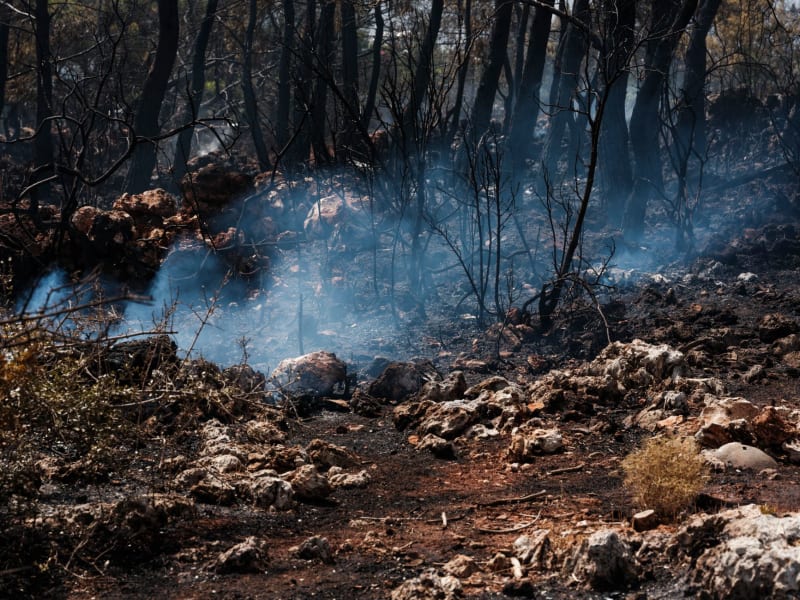
Sonoma County health officials have escalated their public health advisory, directly linking the severe degradation of local air quality to the persistent smoke plumes emanating from the Woodside Fire. This updated guidance underscores the critical need for residents to implement protective measures, moving beyond general awareness to specific actions designed to mitigate health risks. The fire, which has been burning for several days, continues to generate substantial smoke, creating a visible haze and depositing fine particulate matter across a wide geographical area, impacting communities far from the immediate burn zone.
The primary concern revolves around particulate matter, particularly PM2.5, which are microscopic particles capable of penetrating deep into the lungs and even entering the bloodstream. Exposure to these particles can trigger a range of health issues, from immediate respiratory irritation to more severe, long-term cardiovascular and pulmonary complications. The advisory explicitly warns that sensitive populations—including young children, pregnant individuals, the elderly, and those with chronic conditions like asthma, bronchitis, or heart disease—are particularly vulnerable and must exercise extreme caution during this period of elevated air pollution.
In response to the escalating threat, the county's health department, in coordination with regional air quality management authorities, is continuously monitoring air quality levels. They are utilizing a network of sensors to provide real-time data, which informs their recommendations and public alerts. This proactive approach aims to keep the public informed with the most current information, enabling individuals to make informed decisions about their daily activities and health precautions. The duration of this advisory remains uncertain, contingent on the containment efforts of the Woodside Fire and subsequent improvements in atmospheric conditions.
Who Knew and When
The initial warnings regarding potential air quality impacts from the Woodside Fire began to circulate shortly after the fire's ignition. Fire agencies and meteorological services were quick to forecast smoke dispersion patterns, indicating that prevailing winds would likely carry smoke into populated areas of Sonoma County. These early assessments, based on fire behavior models and atmospheric conditions, provided the first indications that residents might need to prepare for degraded air quality, even before the smoke became visibly dense in urban centers.
As the fire intensified and grew in acreage, the Bay Area Air Quality Management District (BAAQMD) stepped up its monitoring efforts, activating additional sensors and issuing preliminary advisories. These advisories, initially framed as cautions, progressively escalated to warnings as the Air Quality Index (AQI) readings consistently moved into unhealthy categories. The BAAQMD's role is crucial in translating complex atmospheric data into actionable public health information, ensuring that residents receive timely updates on the severity and trajectory of air pollution.
Sonoma County's Department of Health Services then formalized these warnings into a comprehensive health advisory, leveraging the data provided by BAAQMD and integrating it with local public health considerations. This official advisory was disseminated through various channels, including emergency alerts, local news outlets, and social media, ensuring broad reach to the affected population. The timing of this official advisory was critical, coinciding with a period when smoke concentrations reached levels that posed a clear and present danger to public health, particularly for vulnerable groups. The continuous flow of information from fire containment teams, air quality experts, and public health officials underscores a coordinated effort to keep the public informed and protected.
Voices from the Ground
Residents across Sonoma County are expressing significant concern and frustration as the persistent smoke from the Woodside Fire continues to blanket their communities. "It's like living under a perpetual cloud," remarked Maria Rodriguez, a mother of two from Santa Rosa. "My kids can't play outside, and even indoors, I worry about the air they're breathing. We've got air purifiers running constantly, but you can still smell it." This sentiment is echoed by many, highlighting the profound disruption to daily life and the underlying anxiety about long-term health impacts, especially for families with young children or elderly relatives.
Local business owners are also feeling the pinch. "Foot traffic has plummeted," stated David Chen, proprietor of a popular cafe in Petaluma. "People are staying home, and those who do venture out aren't lingering. We're seeing a noticeable drop in sales, and it's tough to plan when you don't know how long this will last." The economic ripple effect extends beyond retail, impacting outdoor recreation businesses, tourism, and even construction, as workers face hazardous conditions. The smoke isn't just a health hazard; it's a significant economic damper for the region.
Healthcare professionals in the county are reporting an uptick in respiratory complaints. Dr. Emily Carter, an emergency room physician at a local hospital, noted, "We've definitely seen an increase in patients presenting with asthma exacerbations, bronchitis, and general respiratory distress. It's particularly challenging for our elderly patients and those with pre-existing lung conditions. We're advising everyone to take the health advisory seriously and seek medical attention if their symptoms worsen." These firsthand accounts from the community underscore the tangible and immediate impact of the deteriorating air quality on public health and local livelihoods, painting a vivid picture of a community grappling with an environmental crisis.
The Debate
The ongoing air quality crisis has ignited a broader debate within Sonoma County regarding wildfire preparedness, response protocols, and long-term environmental strategies. While the immediate focus remains on containing the Woodside Fire and protecting public health, discussions are emerging about whether enough is being done to prevent such large-scale events and mitigate their far-reaching consequences. Some residents and environmental groups are questioning the efficacy of current forest management practices, advocating for more aggressive fuel reduction programs and controlled burns to reduce the intensity and spread of future wildfires.
Conversely, local government officials and fire agencies often point to the unprecedented challenges posed by climate change, including prolonged droughts and increased temperatures, which create ideal conditions for catastrophic fires. They argue that despite robust efforts in prevention and suppression, the sheer scale and intensity of modern wildfires often overwhelm existing resources. This perspective emphasizes the need for greater state and federal funding for fire services, advanced firefighting technology, and community-level resilience programs that include defensible space initiatives and early warning systems.
Another facet of the debate centers on public communication and resource allocation during these events. Critics suggest that while advisories are issued, there could be more targeted support for vulnerable populations, such as distributing N95 masks or establishing clean air shelters more proactively. There's also discussion about the economic impact on local businesses and whether emergency relief programs are adequate to support those affected by prolonged disruptions. This multi-faceted debate highlights the complex interplay between environmental policy, public health, economic stability, and community resilience in the face of escalating climate-related disasters.
Your Questions Answered
What Accountability Looks Like
Accountability in the context of the Woodside Fire and its subsequent air quality crisis involves multiple layers, starting with the immediate response and extending to long-term prevention and mitigation. Fire agencies, including Cal Fire and local fire departments, are accountable for their operational effectiveness in containing the blaze, deploying resources efficiently, and protecting lives and property. Their performance is scrutinized based on containment percentages, response times, and the strategic deployment of firefighting assets, all while ensuring the safety of their personnel. This immediate operational accountability is paramount during an active wildfire event.
Beyond the fire line, public health agencies, such as Sonoma County Health Services and the Bay Area Air Quality Management District (BAAQMD), bear accountability for timely and accurate public communication. This includes issuing clear, actionable health advisories, providing accessible air quality data, and ensuring that vulnerable populations receive the necessary support and resources. Their effectiveness is measured by the clarity of their messaging, the reach of their warnings, and their ability to adapt guidance as conditions evolve. Public trust hinges on their transparency and responsiveness during these critical periods.
In the longer term, accountability extends to policymakers and land management authorities. This involves evaluating the effectiveness of current wildfire prevention strategies, including fuel management, forest thinning, and community preparedness programs. Questions arise about whether sufficient investments have been made in infrastructure, early detection systems, and public education. Holding these entities accountable means assessing if proactive measures are robust enough to reduce the frequency and severity of future fires, thereby minimizing their devastating impact on air quality and public health. This comprehensive view of accountability aims to foster continuous improvement in wildfire resilience across the region.

















Comments
No comments yet. Be the first to comment!