

Policy Snapshot
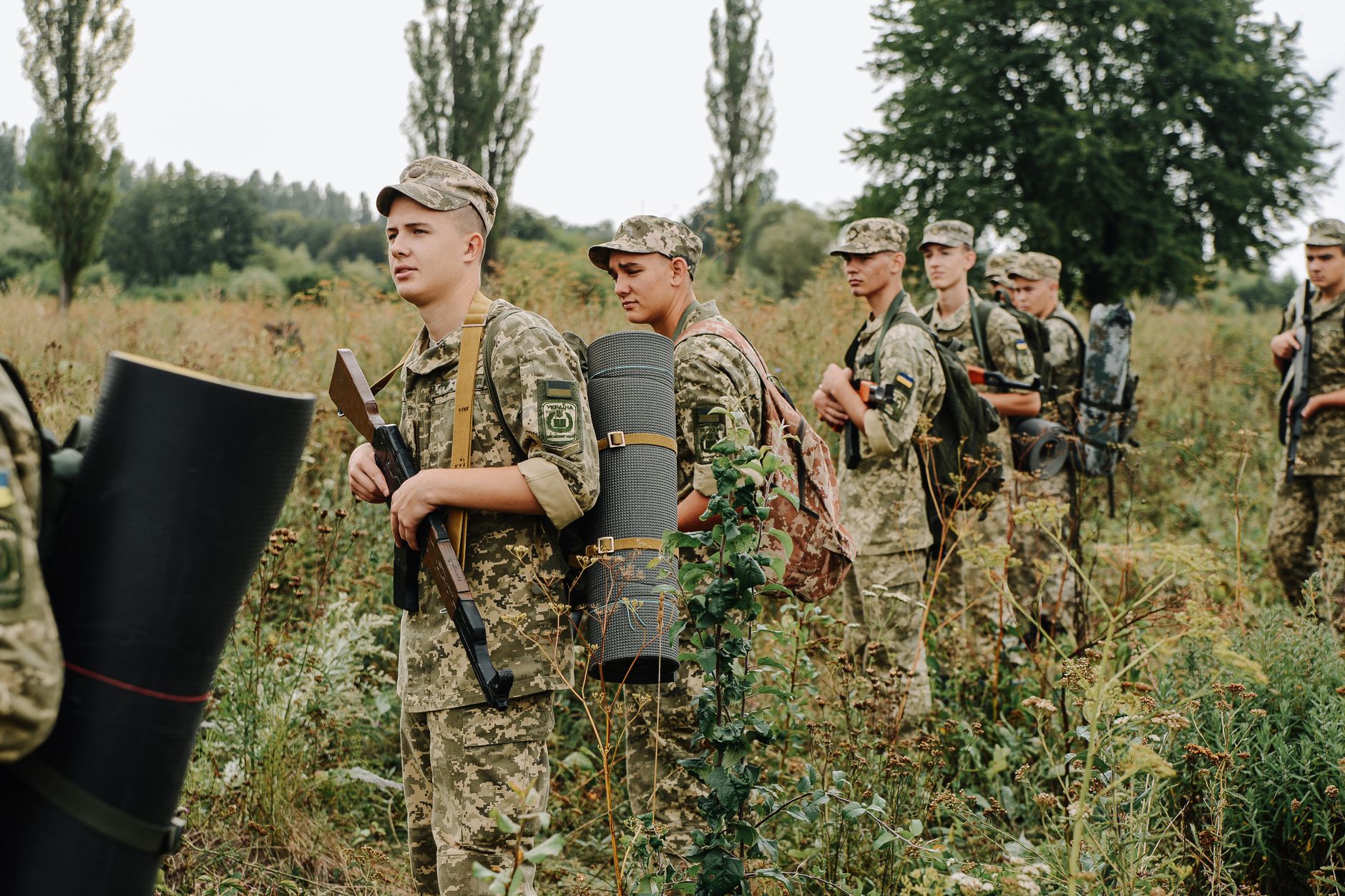
- Spain's national government has activated emergency protocols, deploying military units to the Ceuta border to manage the unprecedented influx of migrants and restore order.
- Under the Schengen Agreement, Spain is obligated to secure its external borders, which include the enclaves of Ceuta and Melilla, acting as the de facto southern frontier of the European Union.
- The policy response involves a dual approach: immediate humanitarian aid for vulnerable arrivals, especially unaccompanied minors, alongside robust border enforcement measures to deter further illegal crossings.
- Repatriation agreements with Morocco, though currently strained, form a critical component of Spain's long-term strategy for managing irregular migration, particularly concerning adults who are not eligible for asylum.
- EU solidarity mechanisms are being invoked, with calls for financial and logistical support from Brussels to assist Spain in managing this significant migratory pressure on its sovereign territory.
- The Spanish government has reiterated its commitment to international law, ensuring that all asylum claims are processed according to established protocols, even amidst the chaos of mass arrivals.
The Policy History
The enclaves of Ceuta and Melilla, situated on the northern coast of Africa, have historically served as flashpoints for migration into Europe. Their unique geographical and political status, bordering Morocco, positions them as direct entry points for individuals seeking a better life or fleeing conflict and poverty. For decades, both Spain and the European Union have invested heavily in reinforcing these borders, constructing formidable fences, installing advanced surveillance systems, and deploying extensive security forces. These efforts reflect a consistent policy objective: to control irregular migration while upholding international human rights obligations, a delicate balance often tested by the sheer volume and desperation of migrants.
Spain's migration policy, particularly concerning Ceuta and Melilla, has evolved significantly over time, often in response to specific crises or shifts in geopolitical dynamics. Early approaches focused primarily on physical deterrence, but subsequent policies have incorporated elements of humanitarian aid, international cooperation, and legal pathways for asylum seekers. The relationship with Morocco is central to this policy framework; bilateral agreements on border control, readmission of irregular migrants, and counter-trafficking efforts are cornerstones. However, this cooperation is frequently susceptible to diplomatic tensions, as evidenced by the recent withdrawal of Moroccan border guards, which directly preceded the current surge.
The current crisis highlights the inherent vulnerabilities in existing policies and the complex interplay of factors driving migration. While Spain maintains its sovereign right to protect its borders, the humanitarian imperative to assist vulnerable individuals, especially children, remains paramount. The European Union's broader migration pact, still under negotiation, aims to create a more unified and resilient response to such challenges across member states. This incident serves as a stark reminder that national policies, however robust, are often insufficient when faced with large-scale migratory movements fueled by regional instability and socio-economic disparities, necessitating a more comprehensive and collaborative European strategy.
Who Is Affected
The most immediately and profoundly affected are the thousands of migrants themselves, many of whom are young men and women, and a significant proportion are unaccompanied minors. These individuals undertake perilous journeys, often swimming around breakwaters or scaling fences, driven by desperation and the hope of reaching European soil. Upon arrival, they face uncertainty, potential detention, and the arduous process of seeking asylum or facing repatriation. Their lives are uprooted, their futures precarious, and they are often traumatized by the journey and the harsh realities of their situation. The sheer scale of this recent influx places immense strain on the limited resources and infrastructure available in Ceuta to provide shelter, food, and medical care.
Residents of Ceuta are also significantly impacted, experiencing disruptions to daily life, increased security presence, and a palpable sense of unease. The sudden arrival of thousands of people, many of whom are visibly distressed and without resources, challenges the city's social fabric and public services. Local authorities and aid organizations are stretched to their limits, struggling to manage the humanitarian needs while maintaining public order. The economic implications are also considerable, as resources are diverted to crisis management, and the city's reputation as a stable European outpost comes under international scrutiny, potentially affecting tourism and investment.
Beyond the immediate borders, both the Spanish and Moroccan governments face significant diplomatic and political repercussions. Spain is under pressure from the EU to secure its external borders effectively, while also upholding humanitarian principles. Morocco, in turn, faces international criticism for its perceived role in facilitating the crossings, which some interpret as a tactic in a diplomatic dispute. This incident strains bilateral relations and highlights the complex, often transactional, nature of border control agreements between sovereign nations. Ultimately, the crisis reverberates across the European Union, reigniting debates about shared responsibility, border management, and the future of migration policy.
The Case For
The deployment of the Spanish military to Ceuta is unequivocally justified as a necessary measure to restore order and assert sovereign control over national borders. When faced with an unprecedented and overwhelming surge of thousands of individuals breaching a frontier, traditional policing methods can become quickly inadequate. The military possesses the logistical capabilities, personnel, and organizational structure to manage large-scale movements, provide immediate humanitarian assistance, and enforce border integrity in a way that civilian forces might struggle to achieve under such extreme pressure. This is not merely about deterrence; it is about capacity and the state's fundamental duty to protect its territory and its citizens.
Furthermore, the military's involvement ensures a more structured and efficient response to the humanitarian crisis unfolding on the ground. With thousands of people, including vulnerable minors, arriving simultaneously, there is an immediate need for shelter, food, water, and medical attention. Military units are trained and equipped for rapid deployment in crisis situations, capable of setting up temporary facilities, distributing aid, and coordinating rescue efforts more effectively than overstretched civilian agencies. Their presence can bring a level of organization and discipline essential for managing the chaos and preventing further suffering, ensuring that basic human needs are met with urgency and scale.
From a strategic perspective, the military deployment sends a clear message about the seriousness with which Spain views its border security and its commitment to preventing uncontrolled entries. This robust response is crucial not only for national security but also for maintaining the integrity of the European Union's external borders. It signals to potential future migrants and, crucially, to countries like Morocco, that such mass breaches will not be tolerated and will be met with decisive action. This firm stance is vital for deterring future irregular migration attempts that could overwhelm resources and destabilize border regions, thereby safeguarding the long-term stability and security of both Spain and the wider EU.
The Case Against
While the immediate crisis in Ceuta is undeniable, deploying the military to manage a migration influx raises significant concerns about the militarization of borders and the potential for human rights violations. Soldiers are trained for combat and defense, not for humanitarian aid or the sensitive processing of asylum seekers. Their presence can create an atmosphere of intimidation and fear, potentially escalating tensions and leading to disproportionate force against vulnerable individuals, including children. This approach risks blurring the lines between national security threats and humanitarian challenges, treating migrants as adversaries rather than people in need of protection.
The use of military force, particularly against unarmed civilians, can also severely damage Spain's international reputation and its commitment to humanitarian principles. Images of soldiers confronting migrants, even if non-violently, can be perceived globally as an overly aggressive response to a humanitarian situation, undermining the country's standing as a defender of human rights. Such actions can also create a dangerous precedent, normalizing the use of armed forces in situations that should primarily be handled by civilian authorities, social workers, and aid organizations, whose expertise lies in compassionate and lawful engagement with vulnerable populations.
Furthermore, relying on military intervention is a short-term, reactive solution that fails to address the root causes of migration. It diverts focus and resources from more sustainable strategies, such as strengthening diplomatic relations with Morocco, investing in economic development in migrants' countries of origin, and establishing more efficient and humane legal pathways for asylum and migration. A military response, while appearing decisive, often only pushes the problem elsewhere or delays its recurrence, without tackling the underlying socio-economic and political factors that compel thousands to undertake such perilous journeys. A comprehensive, long-term approach requires diplomatic engagement, development aid, and robust asylum processing, not just border enforcement.
Policy Questions Answered
Implementation Watch
The immediate implementation of Spain's response has focused on rapidly deploying military personnel to the Ceuta border, effectively reinforcing the overwhelmed Guardia Civil and National Police. This swift action aims to re-establish control over the perimeter and manage the thousands of individuals who have already entered. Critically, the military's role extends beyond mere deterrence; they are actively involved in setting up temporary shelters, distributing essential supplies, and coordinating with humanitarian organizations to process arrivals. The efficiency of this initial phase is paramount, as the sheer volume of migrants, particularly vulnerable minors, necessitates an organized and compassionate approach to prevent further humanitarian catastrophe.
Beyond the immediate border, the Spanish government is closely monitoring the implementation of policies regarding the processing and potential repatriation of migrants. For adults, the focus is on identifying their nationality and eligibility for asylum, with a view to swift repatriation for those who do not qualify for international protection, often under existing agreements with Morocco. However, the diplomatic tensions with Morocco complicate the practical execution of these readmission protocols. For unaccompanied minors, the implementation involves a complex process of identification, age verification, and placement in specialized care facilities, a task made incredibly challenging by the sheer numbers and the limited resources available in Ceuta.
Looking ahead, the effectiveness of Spain's long-term strategy will hinge on sustained diplomatic engagement with Morocco and robust support from the European Union. The current crisis underscores the critical need for a stable and cooperative relationship with Morocco to manage irregular migration flows effectively. Furthermore, the EU's commitment to burden-sharing, both in terms of financial aid and the relocation of asylum seekers, will be crucial for Spain to sustainably manage its external borders. Without these crucial elements, the implementation of any national policy, however well-intentioned, risks being undermined by external pressures and a lack of coordinated international action, leaving Ceuta vulnerable to future, similar surges.













Comments
No comments yet. Be the first to comment!