
Policy Snapshot
- Ukrainian President Volodymyr Zelenskyy has consistently called for enhanced air defense systems from Western allies, emphasizing their critical role in protecting civilian populations and infrastructure from relentless Russian missile and drone attacks.
- The international community, including NATO and the European Union, has condemned the attacks on civilians, reiterating calls for Russia to cease its aggression and respect international humanitarian law, though concrete enforcement mechanisms remain challenging.
- Russia maintains its narrative that its military operations are aimed at 'demilitarizing' Ukraine and protecting its own security interests, often dismissing accusations of targeting civilians as Ukrainian propaganda or collateral damage.
- Humanitarian organizations are actively working to provide aid and support to affected regions, advocating for safe corridors and unimpeded access to deliver essential supplies and medical assistance to those displaced or injured by the conflict.
- The United Nations has repeatedly urged both sides to uphold the principles of distinction, proportionality, and precaution in their military operations, highlighting the devastating impact of the conflict on non-combatants and civilian infrastructure.
- Western nations continue to impose economic sanctions on Russia and provide military and financial assistance to Ukraine, a policy framework designed to pressure Moscow into de-escalation while bolstering Kyiv's defensive capabilities against ongoing aggression.
The Policy History
The conflict between Russia and Ukraine, which escalated dramatically with Russia's full-scale invasion in February 2022, is rooted in a complex history of geopolitical tensions, territorial disputes, and differing strategic alignments. Russia's annexation of Crimea in 2014 and its support for separatists in the Donbas region marked a significant turning point, leading to years of simmering conflict before the broader invasion. This long-standing friction has consistently shaped the policy responses from both nations, with Ukraine striving for closer integration with Western institutions like NATO and the EU, and Russia viewing such moves as direct threats to its security sphere.
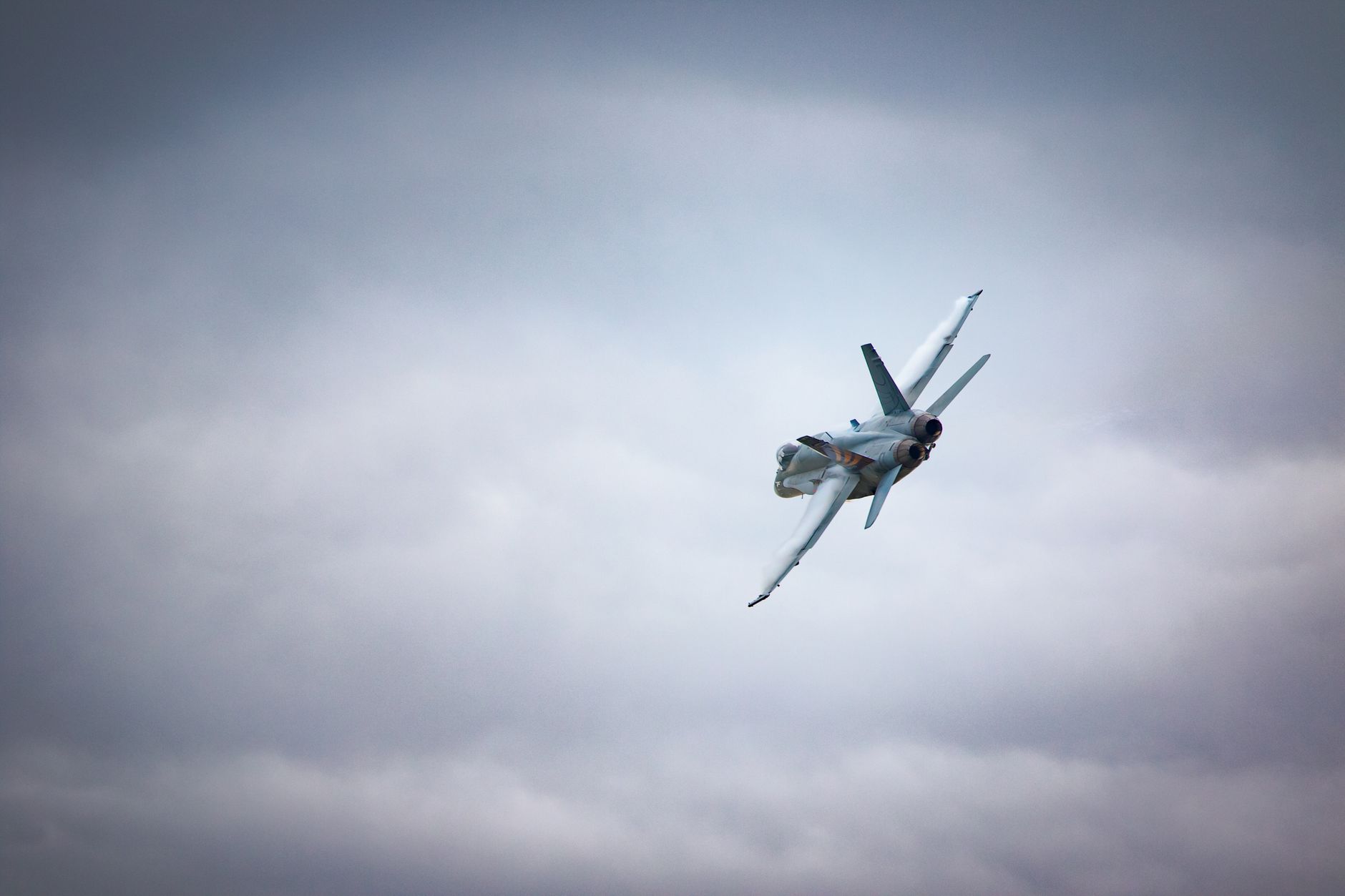
Since the full-scale invasion, the nature of the conflict has evolved, characterized by intense ground battles, extensive use of artillery, and increasingly, long-range missile and drone attacks targeting both military and civilian infrastructure. These attacks, often indiscriminate, have become a grim hallmark of the war, leading to a tragic loss of life among non-combatants and widespread destruction of homes, schools, and hospitals. The international community's policy response has largely coalesced around condemning Russia's aggression, imposing unprecedented sanctions, and providing substantial military and humanitarian aid to Ukraine, though the effectiveness of these measures in halting the conflict remains a subject of ongoing debate and critical assessment.
The recent surge in cross-border attacks, including the devastating strike on Chernihiv and retaliatory actions by Ukraine, represents a dangerous escalation in this protracted conflict. This pattern of tit-for-tat violence underscores the urgent need for a diplomatic resolution, yet the current policy landscape offers little immediate hope for a ceasefire or peace talks. Both sides appear entrenched in their positions, with Ukraine committed to defending its sovereignty and territorial integrity, and Russia determined to achieve its stated objectives. The international community continues to grapple with how to effectively de-escalate the situation and protect civilians, while simultaneously balancing the imperative to support Ukraine with the broader risks of a wider regional conflict.
Who Is Affected
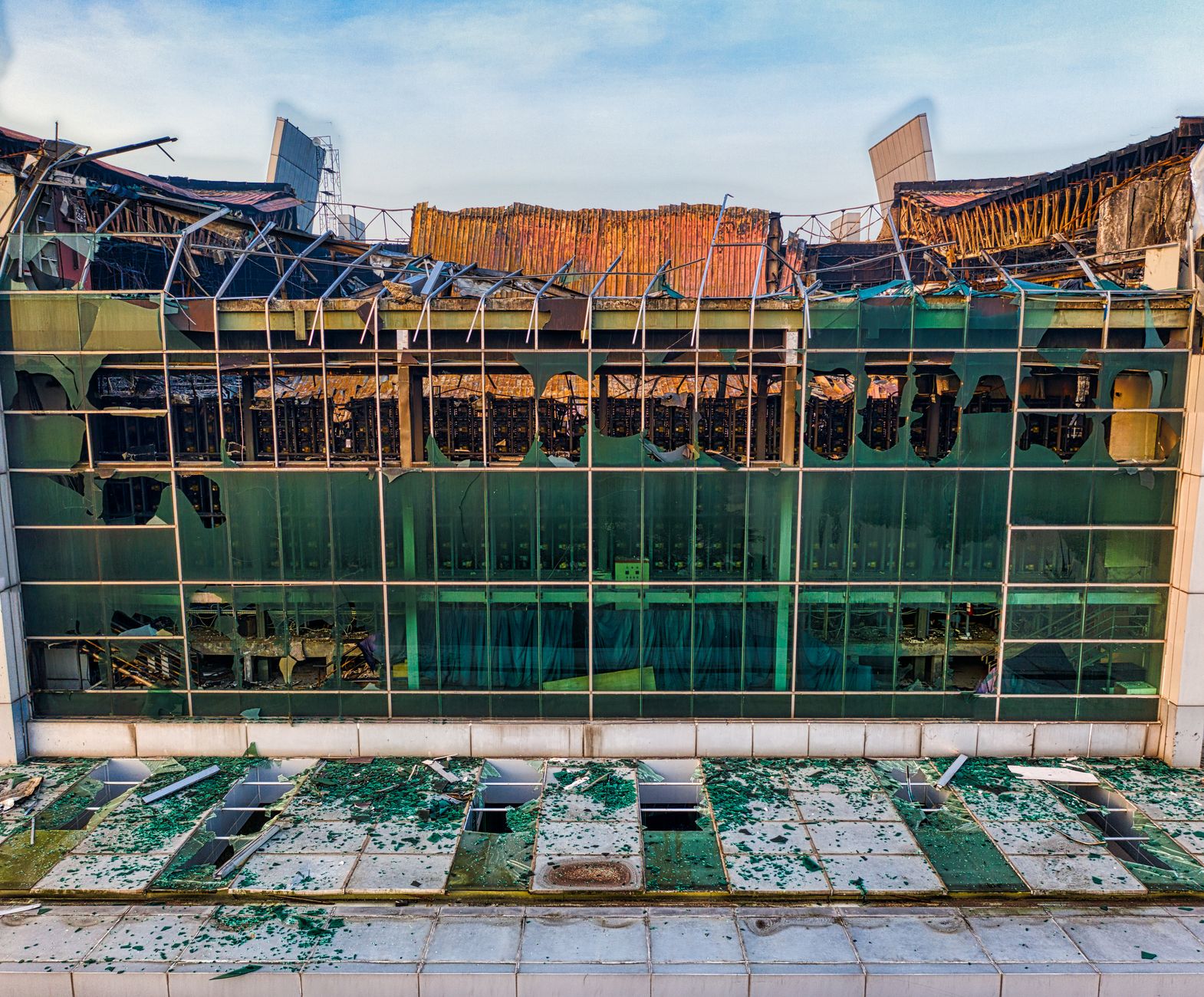
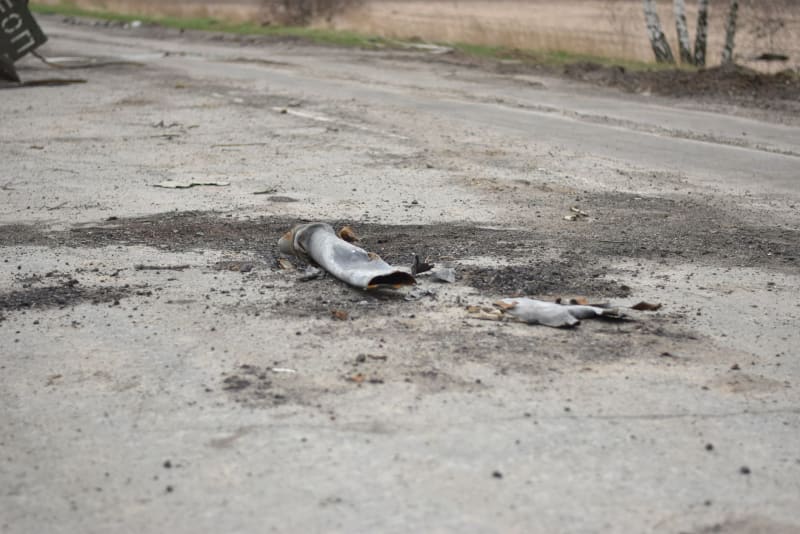
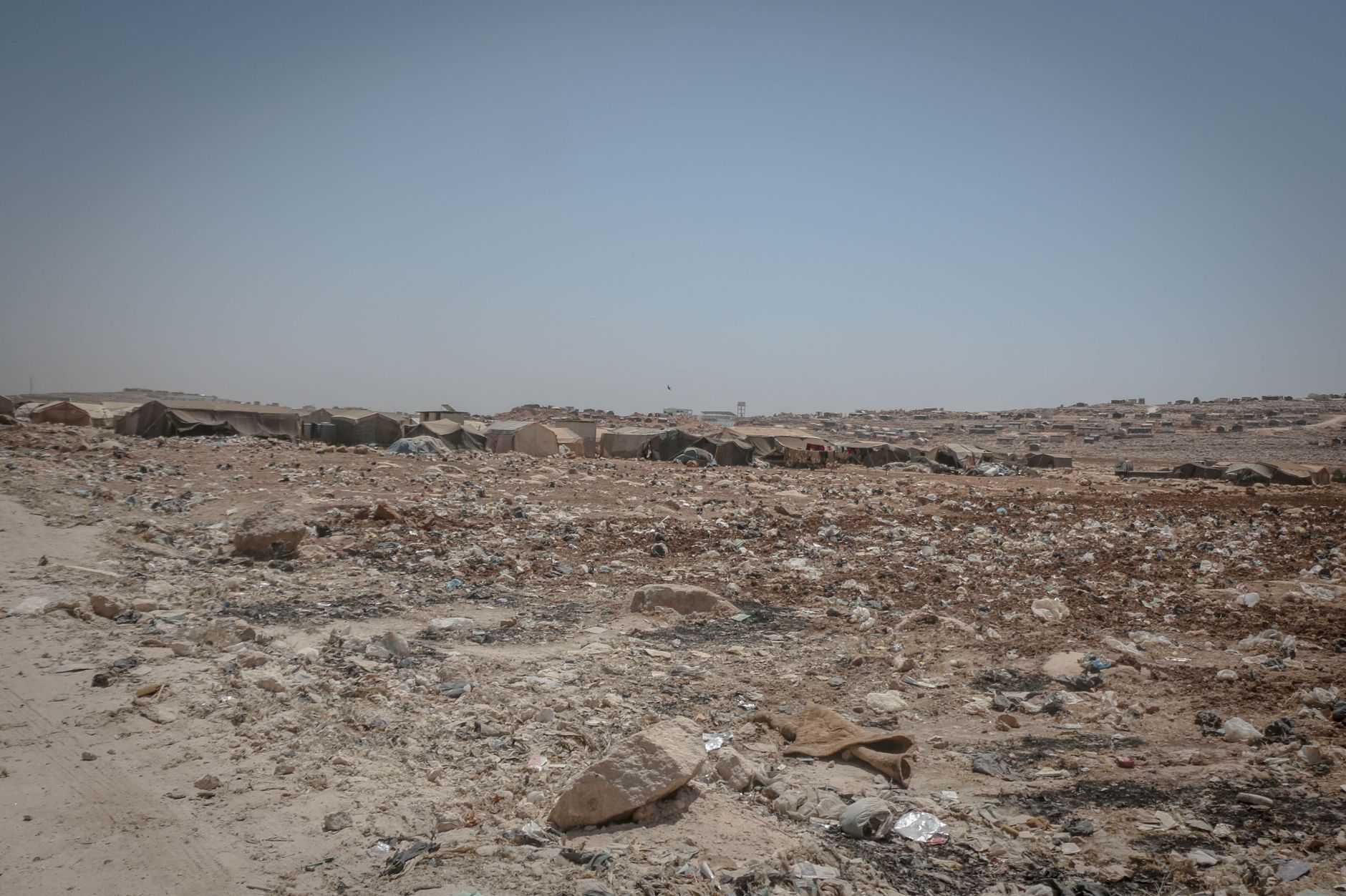
The most immediate and devastating impact of these escalating attacks falls squarely on the civilian populations of both Ukraine and Russia, particularly those residing in border regions or cities targeted by long-range weaponry. In Ukraine, communities like Chernihiv have experienced direct hits on residential areas, markets, and public spaces, leading to tragic loss of life, including children, and leaving countless others injured or traumatized. These individuals face not only the physical dangers of bombardment but also the profound psychological toll of living under constant threat, with their homes destroyed and their sense of security shattered. The fabric of daily life is irrevocably altered, forcing many to flee their homes and become internally displaced persons or refugees.
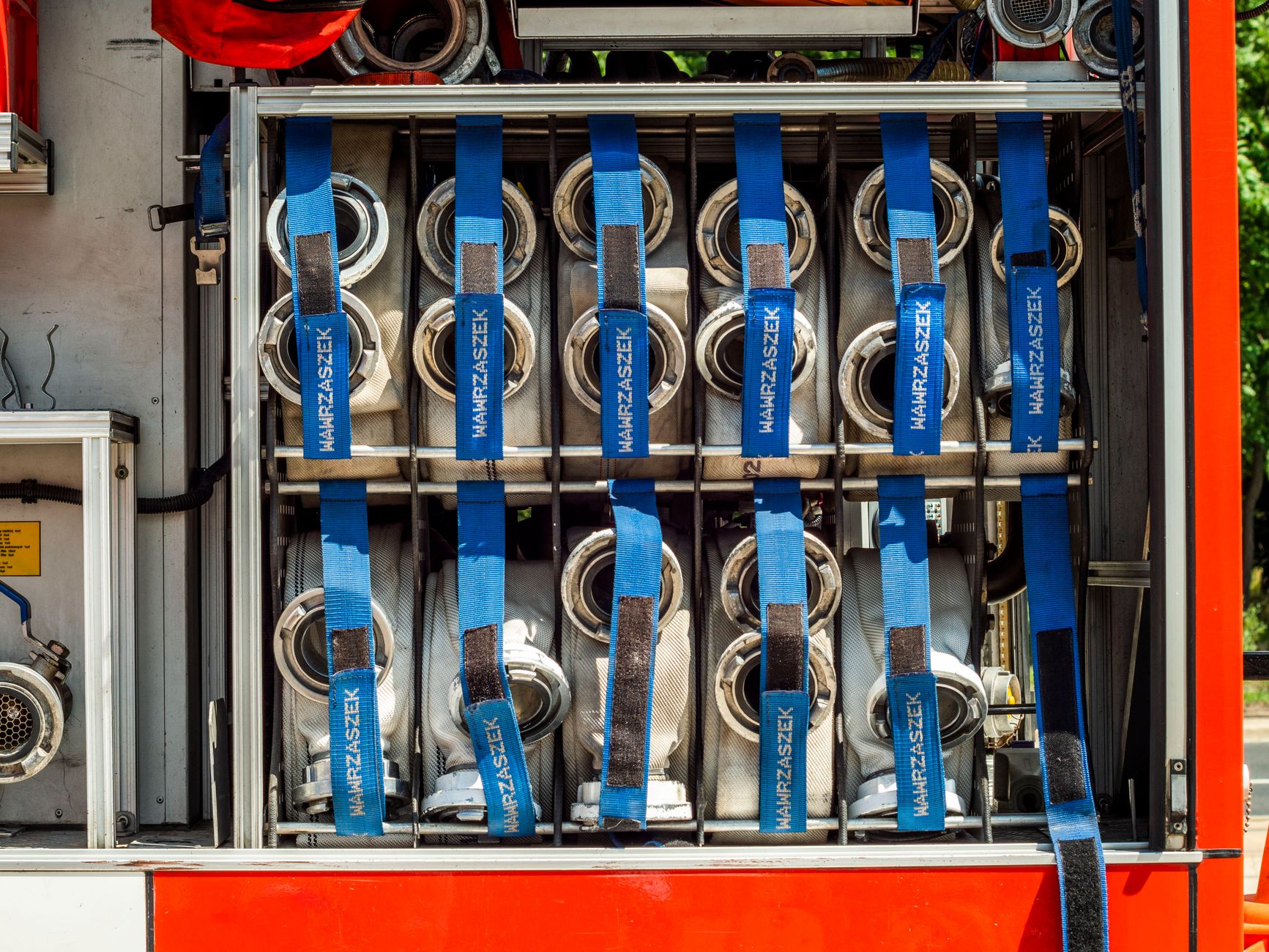
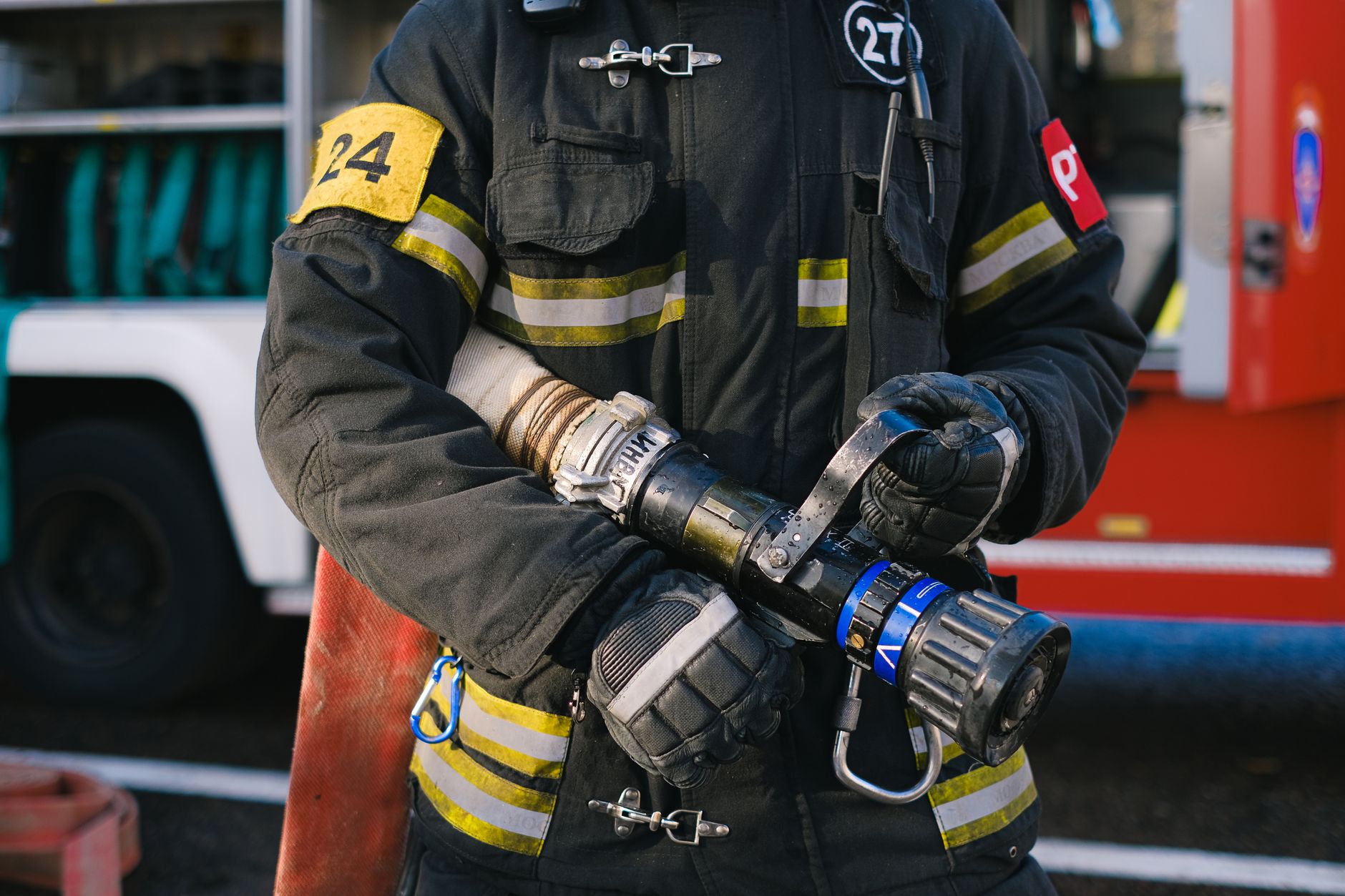
Beyond the immediate casualties, the conflict profoundly affects the healthcare systems, emergency services, and humanitarian organizations operating in these zones. Hospitals are overwhelmed with casualties, often struggling with damaged infrastructure and depleted resources. Emergency responders risk their lives daily to rescue survivors from rubble and provide critical aid under perilous conditions. Humanitarian groups face immense challenges in delivering assistance, navigating active conflict zones, and ensuring the safety of their personnel while trying to reach those most in need. The sustained nature of these attacks places an unbearable strain on these vital services, hindering recovery efforts and exacerbating human suffering.
Economically, the conflict has a far-reaching impact, disrupting supply chains, destroying agricultural land, and crippling industrial infrastructure on both sides of the border. Businesses are forced to close, leading to widespread unemployment and economic instability in affected regions. The long-term consequences include significant reconstruction costs, a decline in foreign investment, and a potential brain drain as skilled workers seek safety and opportunity elsewhere. Furthermore, the geopolitical ramifications extend globally, influencing energy markets, food security, and international relations, demonstrating that the ripple effects of this conflict touch far more than just the immediate combatants and their civilian populations.
The Case For
From Ukraine's perspective, the argument for continued and even escalated defensive actions, including retaliatory strikes, is rooted in the fundamental right to self-defense against an unprovoked invasion. Faced with relentless aggression that targets civilian infrastructure and results in widespread casualties, Ukraine asserts its sovereign right to protect its territory and its people by any means necessary. This includes striking military targets within Russian territory that are directly contributing to the attacks on Ukraine, such as airfields from which missiles are launched or supply depots supporting the invasion. Such actions are framed as essential to degrade Russia's military capabilities and deter further aggression, thereby reducing the overall threat to Ukrainian lives and sovereignty.
Furthermore, proponents of a robust Ukrainian defense argue that demonstrating the capacity and will to strike back is crucial for maintaining morale among its population and armed forces. It sends a clear message that Ukraine will not passively endure attacks and that there will be consequences for Russian aggression. This strategic messaging is vital for sustaining international support, as allies are more likely to provide aid to a nation actively defending itself and showing resilience. The ability to inflict costs on the aggressor is seen as a necessary component of a long-term strategy to achieve peace on Ukraine's terms, which includes the restoration of its territorial integrity.
The continued provision of advanced weaponry and intelligence by Western allies is also justified as a means to level the playing field against a larger, more heavily armed adversary. Without such support, Ukraine's ability to defend itself would be severely hampered, potentially leading to a quicker and more devastating outcome for the invaded nation. Therefore, the case for continued military aid and the allowance for Ukraine to use these weapons to defend its territory, even if it means striking targets within Russia, is seen as a moral and strategic imperative to prevent a complete collapse and to uphold international law against aggression. This approach, while carrying risks, is viewed as the only viable path to eventually force Russia to the negotiating table on terms favorable to Ukraine.
The Case Against
The primary argument against the escalation of cross-border attacks, particularly those involving strikes deep into Russian territory, centers on the significant risk of broadening the conflict and drawing NATO countries directly into a military confrontation with Russia. Critics and some international observers express profound concern that such actions could be perceived by Moscow as a direct threat to its national security, potentially triggering a more aggressive response, including the use of non-conventional weapons. This fear of miscalculation and uncontrolled escalation is a constant underlying tension, as the international community strives to support Ukraine without inadvertently igniting a wider, potentially catastrophic, European war.
Furthermore, there is a strong argument that retaliatory strikes, especially those resulting in civilian casualties within Russia, could undermine international sympathy and support for Ukraine. While Ukraine has a right to self-defense, actions that mirror the indiscriminate nature of Russian attacks could blur the moral lines of the conflict and make it harder for Western nations to justify their continued military and financial aid. Such incidents could be exploited by Russian propaganda to portray Ukraine as an aggressor, potentially eroding the global consensus against Russia's invasion and complicating diplomatic efforts to isolate Moscow.
Another significant concern revolves around the potential for these escalating attacks to further destabilize an already volatile region and exacerbate the humanitarian crisis. Increased cross-border shelling and missile strikes inevitably lead to more civilian deaths, injuries, and displacement on both sides, regardless of the intended military targets. This cycle of violence makes any prospect of a diplomatic resolution even more remote, pushing the possibility of peace further out of reach. Instead of fostering conditions for negotiation, a tit-for-tat escalation risks entrenching both sides in a perpetual state of conflict, with devastating consequences for the populations caught in the crossfire.

Policy Questions Answered
Implementation Watch
The implementation of policies aimed at de-escalating the conflict and protecting civilians remains critically challenging amidst the ongoing cross-border attacks. International calls for restraint and adherence to humanitarian law are frequently issued, but their practical effect on the ground is limited without robust enforcement mechanisms. Monitoring the actual impact of these policies involves tracking civilian casualty rates, the destruction of infrastructure, and the effectiveness of humanitarian aid delivery. The tragic incident in Chernihiv, where a child was among the deceased, starkly underscores the failure of current measures to adequately shield non-combatants from the brutal realities of this war, highlighting an urgent need for more effective international action.
Furthermore, the implementation of military aid packages from Western allies to Ukraine is under constant scrutiny, not only for their quantity and quality but also for their strategic deployment and impact on the battlefield. The debate over whether Ukraine should be permitted to use these weapons for strikes within Russian territory directly affects the operational implementation of defensive strategies. While some argue that such a policy is essential for Ukraine's self-defense, others warn of the potential for dangerous escalation. Observing how these policy decisions translate into military actions and their subsequent consequences for both military objectives and civilian safety is a key area of ongoing assessment.
On the diplomatic front, the implementation of sanctions against Russia and efforts to isolate Moscow internationally continue to be a cornerstone of the global response. However, the effectiveness of these sanctions in altering Russia's military strategy or bringing it to the negotiating table remains a subject of intense debate. Monitoring their long-term economic impact on Russia, as well as their potential ripple effects on global markets, is crucial. Simultaneously, efforts to facilitate peace talks or ceasefires are being watched closely, though progress has been minimal. The ongoing violence demonstrates that current policy implementations, while extensive, have yet to achieve their primary goal of ending the conflict and securing lasting peace.







Comments
No comments yet. Be the first to comment!