
Key Takeaways
- A fragile two-day pause in direct military engagements between the US and Iran has emerged, offering a fleeting moment of de-escalation in a highly volatile region. This unexpected lull could signify a strategic recalculation by both sides, though its durability remains profoundly uncertain.
- The cessation of hostilities follows a period of escalating tensions, marked by retaliatory strikes and heightened rhetoric, which brought the two nations perilously close to a full-scale military confrontation. This pause provides a critical window for diplomatic efforts, however nascent.
- Regional proxies and their activities remain a significant wild card; despite the direct halt, the actions of allied militias or non-state actors could easily reignite the conflict. The complex web of alliances and rivalries in the Middle East means that local incidents can quickly spiral into international crises.
- International observers are cautiously optimistic, viewing the pause as a necessary step back from the brink, yet they emphasize the urgent need for sustained diplomatic engagement to formalize this de-escalation. Without clear communication channels, the risk of miscalculation remains high.
- The economic implications of prolonged conflict in the Middle East are immense, particularly concerning global oil markets and trade routes. This pause, however brief, offers a slight reprieve from the immediate threat of widespread economic disruption that a full-blown war would undoubtedly trigger.
- Both the US and Iran are under considerable domestic and international pressure to avoid a larger conflict, which could explain the current de-escalation. However, internal political dynamics in both countries could shift rapidly, potentially undoing any progress made during this pause.
Background
The relationship between the United States and Iran has been characterized by decades of profound mistrust and intermittent, yet intense, periods of confrontation. This deeply entrenched animosity stems from historical grievances, geopolitical rivalries, and stark ideological differences that frequently manifest in proxy conflicts across the Middle East. The current fragile pause in direct hostilities emerges from a recent cycle of escalating military actions, which saw both nations engaging in retaliatory strikes following a series of provocative incidents. These incidents, often involving attacks on shipping, drone incursions, and assaults on diplomatic or military installations, have consistently pushed the region to the precipice of a wider, more devastating war.
Before this recent de-escalation, the region witnessed a dangerous tit-for-tat dynamic, where each action by one party was met with a proportional, or sometimes disproportionate, response from the other. This pattern created an environment of extreme unpredictability, with analysts and policymakers alike warning of the high probability of miscalculation leading to an uncontrolled escalation. The strategic landscape is further complicated by the presence of numerous non-state actors and regional proxies, many of whom are aligned with either the US or Iran, and whose independent actions can easily ignite a broader conflict, even when the primary antagonists seek to avoid direct engagement. Understanding these layers of complexity is crucial to appreciating the precarious nature of any current calm.
This latest period of heightened tension reached a critical point, prompting urgent calls from international bodies and allied nations for restraint and dialogue. The global community has consistently voiced concerns over the potential for a regional conflict to destabilize international energy markets, disrupt global trade, and trigger a humanitarian crisis of unprecedented scale. The current two-day pause, therefore, is not merely a cessation of fire but a critical test of whether both the US and Iran are willing and able to step back from the brink, even temporarily, and explore avenues for more sustained de-escalation. The historical context of their fraught relationship suggests that any period of calm is inherently fragile and requires constant vigilance and strategic foresight.
Why It Matters
The current two-day pause in hostilities between the US and Iran is far more than a fleeting news item; it represents a critical inflection point that could either pave the way for genuine de-escalation or merely serve as a temporary lull before a more destructive storm. The implications of this pause reverberate across global geopolitics, impacting everything from international security to the stability of energy markets. A sustained de-escalation could prevent a catastrophic regional war, which would undoubtedly draw in multiple international actors and unleash untold human suffering. Conversely, if this pause collapses, the subsequent escalation could be far more severe, given the pent-up tensions and the heightened state of alert on both sides. The world watches with bated breath, understanding that the stakes could not be higher.
Beyond the immediate military implications, the stability of the Middle East is intrinsically linked to global economic health. A full-scale conflict involving the US and Iran would inevitably disrupt vital oil shipping lanes, particularly through the Strait of Hormuz, which is a chokepoint for a significant portion of the world's crude oil supply. Such disruption would trigger a dramatic surge in oil prices, sending shockwaves through global economies already grappling with various challenges. Furthermore, the ripple effects would extend to international trade routes, insurance markets, and investment confidence, potentially precipitating a global economic downturn. The economic consequences alone make this pause a matter of urgent international concern, highlighting the interconnectedness of regional stability and global prosperity.
Moreover, the current situation profoundly impacts the credibility and effectiveness of international diplomacy. If a path to de-escalation can be forged, even incrementally, it demonstrates the potential for dialogue to avert conflict in even the most intractable disputes. However, a failure to capitalize on this pause could further erode faith in diplomatic solutions, empowering hardliners on both sides and increasing the likelihood of future military confrontations. The humanitarian cost of any renewed conflict, characterized by displacement, casualties, and the destruction of infrastructure, would be immense and irreversible. Therefore, this brief period of calm offers a crucial opportunity for all stakeholders to push for a more lasting peace, recognizing that the alternative is too dire to contemplate.
Ground Reality
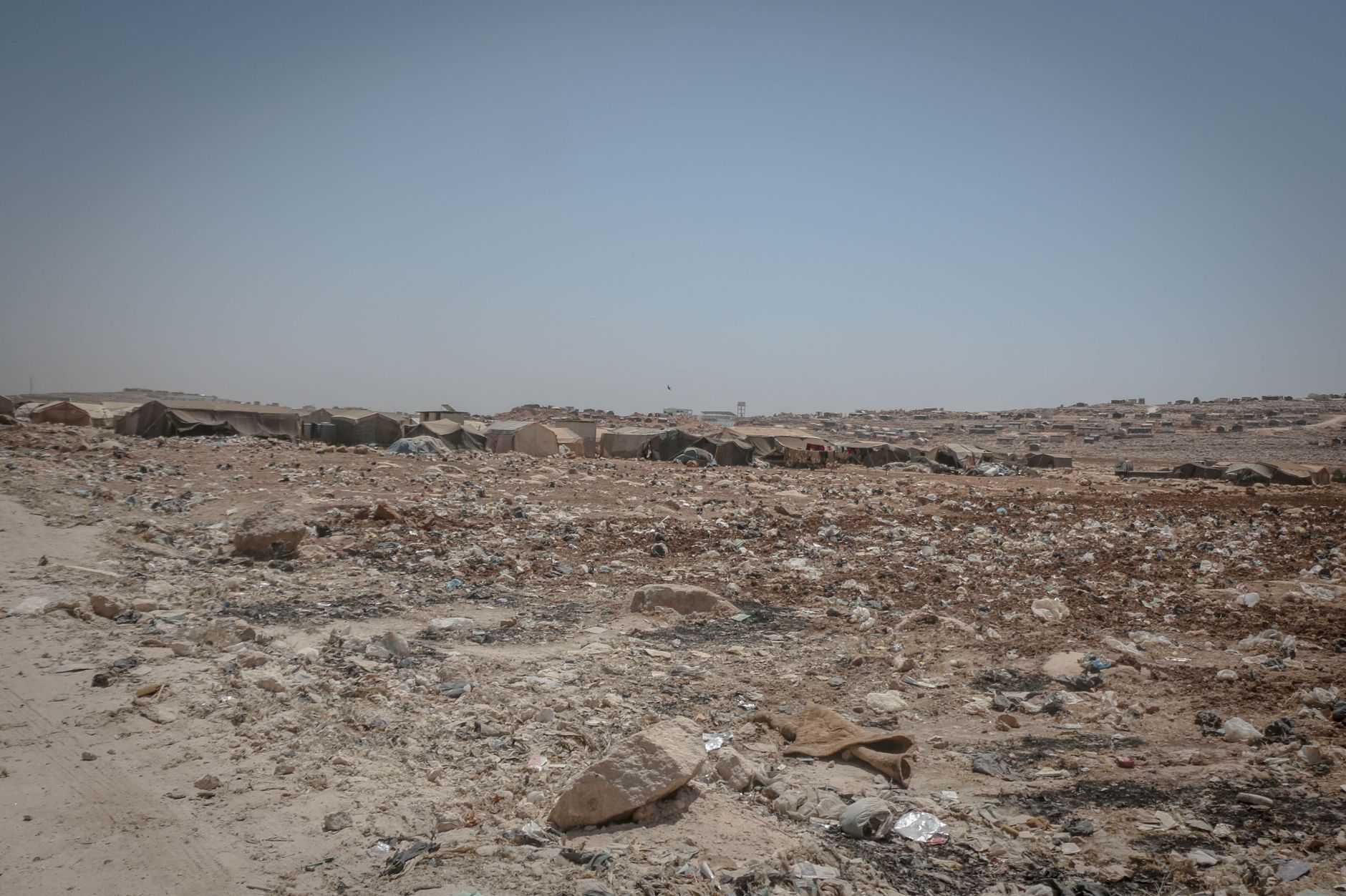
On the ground, the two-day pause has indeed brought a palpable, albeit fragile, sense of relief to populations in Iraq, Syria, and other areas frequently caught in the crossfire of US-Iran proxy conflicts. Residents who have grown accustomed to the constant threat of aerial strikes and missile attacks are experiencing a momentary reprieve, allowing for a brief return to a semblance of normalcy. However, this calm is undergirded by deep-seated apprehension. Local security forces and allied militias remain on high alert, understanding that the cessation of direct strikes does not necessarily mean an end to all forms of hostile activity. Checkpoints are still heavily manned, intelligence gathering continues unabated, and the underlying tensions that fuel regional instability persist, ready to flare up at the slightest provocation. The psychological toll of living under such constant threat is immense, and a two-day pause, while welcome, does little to erase years of fear.
Reports from various regional capitals indicate that while official military operations have halted, the strategic positioning of forces and the monitoring of adversary movements continue with intense scrutiny. Both the US and Iranian-backed forces are likely using this pause to reassess their tactical positions, resupply, and refine their intelligence assessments, rather than truly standing down. This period of quiet could be interpreted as a strategic breather, a chance for both sides to consolidate their gains or prepare for potential future actions, rather than a definitive step towards lasting peace. The intricate network of alliances and rivalries means that even a direct order for a pause from Washington or Tehran may not fully control the actions of every affiliated group or militia, making the ground reality far more complex and unpredictable than official statements might suggest.
Humanitarian organizations operating in the region have welcomed the pause, as it offers a brief window for aid delivery and assessment in areas that have been severely impacted by recent hostilities. However, they also emphasize that the fundamental challenges of displacement, food insecurity, and lack of access to essential services remain largely unaddressed. The infrastructure damage from previous conflicts is extensive, and a short pause does not allow for significant reconstruction or long-term recovery efforts. The hope among these organizations is that this temporary de-escalation can be leveraged into a more sustained period of peace, enabling comprehensive humanitarian responses and laying the groundwork for durable stability. Without such a commitment, the current calm risks being just another fleeting moment in a protracted cycle of violence and suffering.
What Experts Are Saying
Security analysts are largely in agreement that the current two-day pause, while a positive development, should be viewed with extreme caution. Dr. Eleanor Vance, a senior fellow at the Institute for Global Security Studies, notes, "This isn't a peace treaty; it's a deep breath. Both sides likely recognized the unsustainable trajectory of recent escalations and are using this window to recalibrate. The critical question now is whether this pause is a precursor to genuine de-escalation talks or merely a tactical regrouping before the next round of hostilities." Her assessment underscores the inherent fragility of the situation, highlighting that strategic pauses are often part of a broader, more complex military and diplomatic chess game, rather than a definitive end to conflict.
Middle East policy experts like Professor Tariq Al-Hassan from the University of London emphasize the significant role of internal and external pressures on both Washington and Tehran. "Domestically, neither the US nor Iranian leadership wants to be seen as initiating a wider, costly war, especially with upcoming elections or internal economic challenges," Al-Hassan explains. "Internationally, there's immense pressure from allies and global powers to avoid a conflict that would destabilize global energy markets and potentially draw in other regional actors. This pause could be a direct response to these combined pressures, a tacit acknowledgment that the costs of continued escalation outweigh the perceived benefits for now." This perspective suggests that the de-escalation is driven by pragmatic considerations as much as by any genuine desire for rapprochement.
However, not all experts are entirely optimistic. Dr. Lena Petrova, a geopolitical risk consultant, warns against complacency. "While a pause is welcome, the fundamental issues that fuel US-Iran tensions remain unresolved: Iran's nuclear program, its regional proxy network, and the US presence in the Middle East. Until these core grievances are addressed through robust diplomatic channels, any pause will be temporary," she asserts. Petrova suggests that the current calm might simply be a strategic maneuver to test the other side's resolve or to buy time. She stresses that without a clear, verifiable commitment to dialogue and a framework for addressing these deep-seated disagreements, the region remains a powder keg, and a return to open hostilities is a constant and significant risk.
Frequently Asked Questions
What Happens Next
The immediate future hinges precariously on whether this two-day pause can be extended into a more sustained period of de-escalation. The most critical next step involves the establishment of clear, direct, and reliable communication channels between Washington and Tehran. Without such channels, the risk of miscalculation, misinterpretation, or an accidental escalation remains extraordinarily high, even with the best intentions. International mediators, including European powers and regional actors, are likely working intensely behind the scenes to facilitate these communications, pushing for a more formal agreement to maintain the ceasefire and explore avenues for dialogue. The success of these efforts will largely determine whether this moment is a fleeting reprieve or a genuine turning point.
Beyond direct communication, the focus will inevitably shift towards addressing the underlying issues that fuel the US-Iran rivalry. This includes Iran's nuclear program, its ballistic missile capabilities, and its extensive network of regional proxies, which the US views as destabilizing. For Iran, the lifting of crippling economic sanctions and a guarantee of its regional security interests are paramount. Any meaningful de-escalation would require both sides to demonstrate a willingness to compromise on these deeply entrenched positions, a task that has proven exceptionally difficult in the past. The international community will be pressing for a comprehensive diplomatic framework that can tackle these complex challenges, moving beyond tactical pauses to strategic solutions.
However, the path forward is fraught with potential pitfalls. The actions of regional proxies, who may not always align perfectly with the strategic objectives of their patrons, could easily disrupt the fragile calm. A single provocative act by a militia group or a misjudgment on the ground could swiftly unravel any progress made. Furthermore, domestic political pressures in both the US and Iran could influence decision-making, potentially pushing leaders towards more confrontational stances to appease hardliners. Therefore, while the current pause offers a glimmer of hope, the coming days and weeks will be a critical test of diplomatic resolve and strategic patience, determining whether the region can truly step back from the brink of a wider, devastating conflict.






Comments
No comments yet. Be the first to comment!