

The Story in Brief
- Syrian President Ahmed al-Sharaa has publicly announced that Syria is actively seeking a comprehensive security agreement with Israel, marking a significant and unexpected shift in long-standing diplomatic positions.
- This unprecedented overture from Damascus suggests a potential re-evaluation of regional priorities, moving towards direct engagement with a nation with whom it has historically maintained an adversarial relationship.
- The proposed security deal aims to establish a framework for de-escalation and mutual assurances, potentially addressing border security, military presence, and intelligence sharing between the two nations.
- President al-Sharaa's statement, delivered during a key address, underscores a strategic pivot, indicating a desire to stabilize Syria's borders and potentially secure its post-conflict future through diplomatic means.
- International observers and regional analysts are closely scrutinizing this development, as it could have profound implications for the broader Middle East peace process and existing alliances.
- The initiative represents a bold step for Syria, signaling a willingness to explore non-traditional pathways to security and stability in a region often characterized by entrenched hostilities and complex geopolitical rivalries.
The Human Face
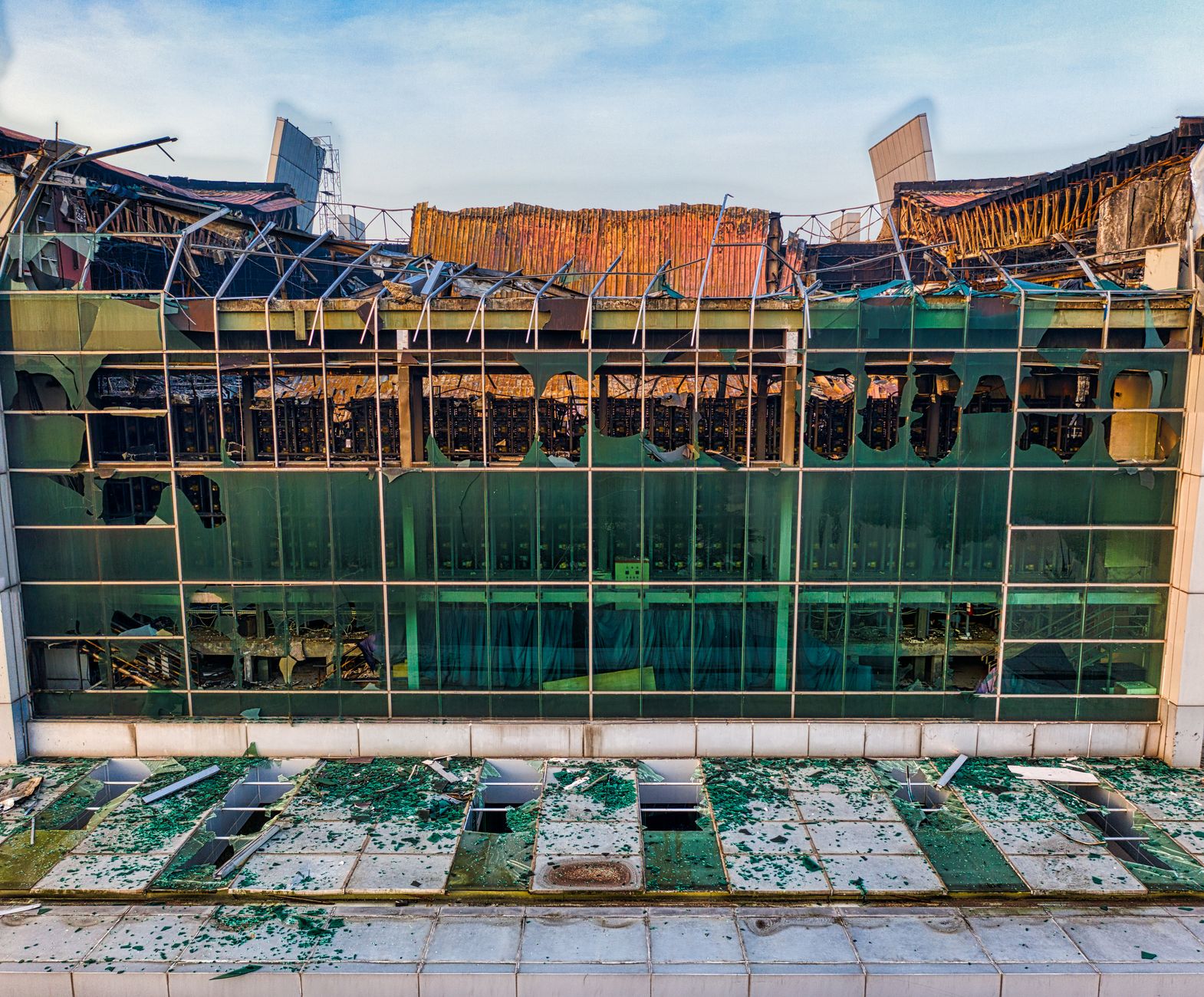
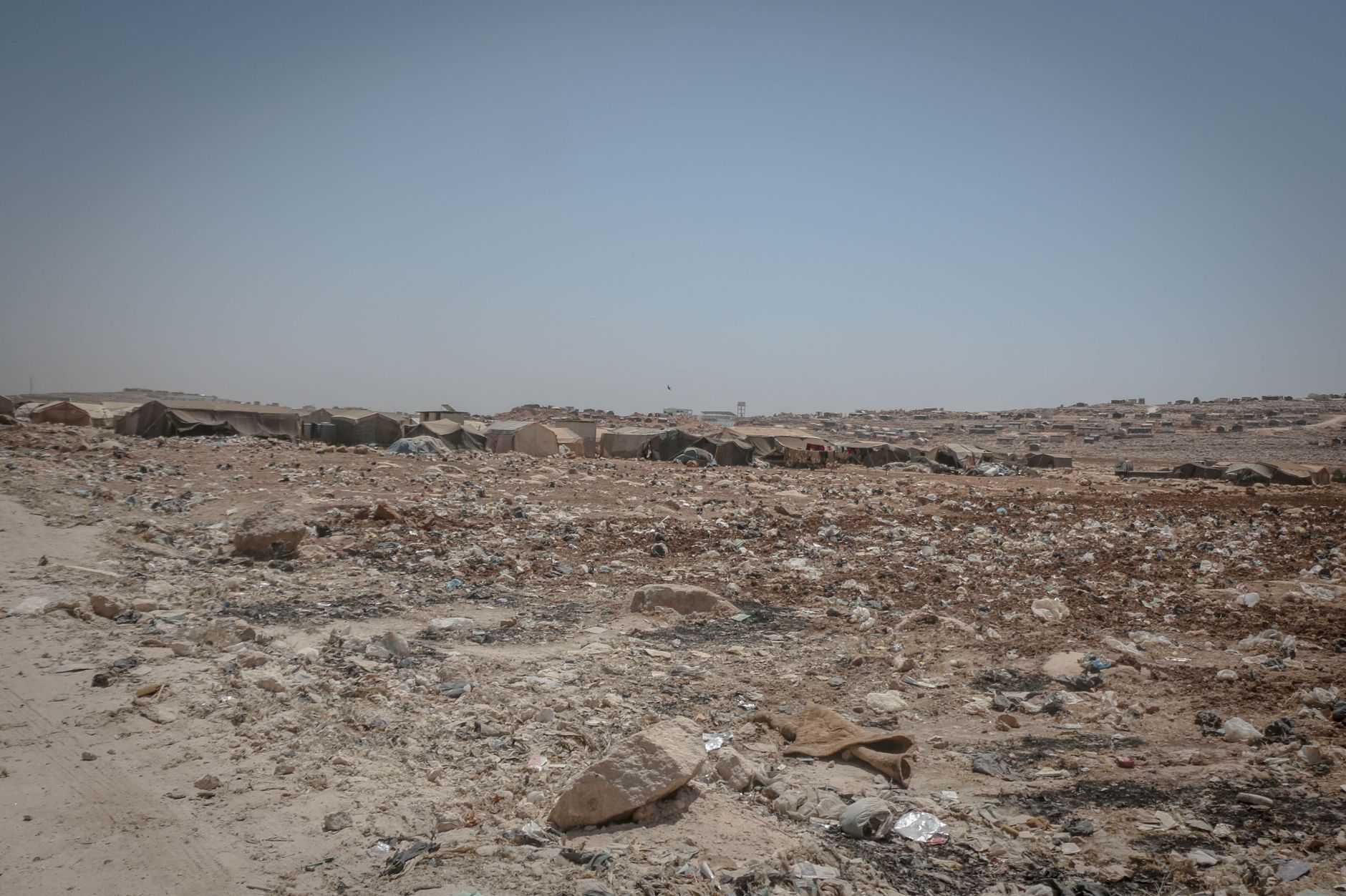
For decades, the lives of ordinary Syrians and Israelis have been overshadowed by a state of perpetual conflict, marked by sporadic skirmishes, proxy wars, and a pervasive sense of insecurity. Families on both sides of the contested borders have lived with the constant threat of escalation, their daily routines punctuated by the distant echoes of conflict or the immediate impact of cross-border incidents. This enduring tension has stifled economic development, hindered cultural exchange, and perpetuated a cycle of mistrust that has deeply affected generations. The human cost of this prolonged animosity is immeasurable, manifesting in displaced populations, shattered infrastructure, and a collective psychological burden that weighs heavily on communities.
The prospect of a security deal, however nascent, offers a glimmer of hope for these populations. Imagine a future where farmers near the Golan Heights can tend their fields without fear of stray munitions, where families are not constantly monitoring news for signs of impending conflict, and where resources currently diverted to military readiness could instead be invested in education, healthcare, and infrastructure. This potential shift from a war footing to a diplomatic one could fundamentally alter the daily realities for millions, fostering an environment where peace, rather than conflict, becomes the default expectation. It's a vision of stability that has long seemed unattainable, yet now, through this unexpected overture, appears marginally within reach.
Beyond the immediate security implications, a successful agreement could pave the way for broader normalization, potentially leading to increased trade, tourism, and people-to-people connections that have been unthinkable for decades. Such developments would not only alleviate immediate suffering but also begin to heal the deep wounds of historical animosity, building bridges between communities that have been separated by political divides. While the path ahead is fraught with challenges and skepticism, the human desire for peace and stability remains a powerful driving force, and any genuine effort to achieve it resonates deeply with those who have borne the brunt of the conflict.
How We Got Here
The relationship between Syria and Israel has been characterized by profound hostility since the establishment of the State of Israel in 1948. This antagonism intensified through multiple wars, most notably the 1967 Six-Day War, which resulted in Israel's occupation of the Golan Heights, a territory Syria continues to claim. Decades of indirect negotiations, UN resolutions, and various peace initiatives have consistently failed to bridge the fundamental disagreements, particularly regarding the status of the Golan Heights and Syria's alignment with anti-Israel factions. The absence of direct diplomatic ties and the frequent military confrontations along their shared border have cemented a deeply adversarial dynamic, making any talk of a security agreement seem almost unimaginable until recently.
Syria's devastating civil war, which erupted in 2011, dramatically reshaped the regional landscape and, by extension, its relationship with Israel. The conflict weakened the Syrian state, drew in numerous international actors, and created a complex web of alliances and proxy conflicts. While Israel largely maintained a policy of non-intervention in the internal Syrian conflict, it frequently conducted airstrikes against Iranian-backed forces and Hezbollah targets within Syria, aiming to prevent the establishment of a permanent Iranian military presence near its borders. This period of internal strife and external intervention further complicated the already fraught relationship, yet it also arguably created new strategic imperatives for Damascus.
President al-Sharaa's recent declaration marks a significant departure from Syria's historical stance. This shift can be attributed to several converging factors: the ongoing need for national reconstruction and stability after years of war, a potential reassessment of regional alliances in a rapidly changing Middle East, and perhaps a strategic calculation that a direct security arrangement with Israel could offer a more predictable and stable future than continued confrontation. The precise motivations remain subject to intense speculation, but the overture itself signals a profound re-evaluation of Syria's long-term security strategy, moving away from ideological rigidity towards pragmatic engagement in an effort to secure its borders and consolidate its post-war position.
Why This Cannot Be Ignored
This unexpected move by Syrian President Ahmed al-Sharaa to seek a security deal with Israel is not merely a diplomatic footnote; it represents a potentially seismic shift in the geopolitical landscape of the Middle East. For decades, the Syrian-Israeli border has been a flashpoint, a constant source of regional instability and a proxy battleground for larger international powers. A formal security agreement could fundamentally alter this dynamic, reducing the risk of accidental escalation, curbing the influence of non-state actors operating near the border, and potentially opening channels for communication that have been nonexistent. Ignoring this development would be to overlook a rare opportunity for de-escalation in one of the world's most volatile regions, with profound implications for global security.
Furthermore, such an agreement would have ripple effects across the entire region, potentially influencing the calculations of other Arab states, Iran, and various militant groups. If Syria, a long-standing member of the 'Axis of Resistance,' can engage in direct security talks with Israel, it could challenge established narratives and alliances, potentially paving the way for broader regional normalization efforts or, conversely, intensifying opposition from hardline factions. The implications extend beyond the immediate parties, touching upon the future of the Iranian presence in Syria, the stability of Lebanon, and the ongoing Israeli-Palestinian conflict. The international community, therefore, cannot afford to dismiss this as a minor development; its ramifications are far-reaching and complex.
Finally, the very act of Syria, a nation that has endured a brutal civil war and significant external intervention, seeking a security pact with its historical adversary underscores a profound shift in strategic thinking. It signals a potential prioritization of national stability and reconstruction over ideological purity, a pragmatic approach born from the harsh realities of conflict. This could set a precedent for other conflict-ridden regions, demonstrating that even the most entrenched hostilities can be re-evaluated in the pursuit of peace and security. The world must pay close attention, not only to the immediate outcomes but also to the underlying motivations and potential for a new paradigm in conflict resolution.
Possible Paths Forward
One potential path forward involves a phased approach to de-escalation and confidence-building measures. This could begin with indirect talks, possibly facilitated by a neutral third party like the United Nations or a major power, focusing initially on technical security arrangements. These might include establishing clear communication channels to prevent misunderstandings, agreeing on buffer zones along the border, and sharing intelligence regarding non-state actors that pose a threat to both nations. Such an incremental strategy would allow both Syria and Israel to test the waters, build trust gradually, and demonstrate their commitment to the process without immediately tackling the most contentious issues like the Golan Heights, which would likely be reserved for later, more comprehensive negotiations. This cautious approach could mitigate risks and allow for a more stable foundation.
A more ambitious, albeit riskier, path could involve direct, high-level negotiations aimed at a comprehensive security treaty that addresses not only immediate border concerns but also broader strategic issues. This would require significant political will from both President al-Sharaa and the Israeli leadership to make difficult concessions. Such a treaty might include mutual recognition of security interests, agreements on military deployments, and even provisions for economic cooperation in areas like water management or energy. While offering the potential for a more robust and lasting peace, this path would necessitate overcoming decades of entrenched animosity and navigating complex domestic political landscapes in both countries, facing potential resistance from hardliners on both sides who view any compromise as a betrayal of national interests.
Another crucial element for any successful path forward is the role of international guarantees and support. For a security deal to be truly effective and durable, it would likely require the backing of major global powers, such as Russia, the United States, or European Union members. These powers could provide diplomatic assurances, economic incentives for compliance, and potentially even deploy monitoring missions to ensure adherence to any agreed-upon terms. Without such external validation and support, any bilateral agreement might be vulnerable to shifts in domestic politics or regional dynamics. The involvement of international actors could lend credibility and stability to the process, making it more palatable for both Damascus and Jerusalem to commit to a long-term vision of peace and security.
Questions People Are Actually Asking
What to Watch
- Monitor any official statements or leaks from Israeli officials regarding their willingness to engage in direct or indirect talks, as their response will be critical to the initiative's viability.
- Observe the reactions of key regional players, particularly Iran and Hezbollah, as their positions could significantly influence Syria's commitment and the broader geopolitical context of any potential deal.
- Look for any signs of third-party mediation efforts, especially from Russia or the United Nations, which could indicate serious diplomatic momentum and a structured approach to negotiations.
- Pay close attention to any changes in military activity along the Syrian-Israeli border, as a reduction in incidents or a shift in operational patterns could signal an informal de-escalation or preliminary understandings.
- Track internal Syrian political discourse for any dissent or support for President al-Sharaa's initiative, which could reveal the level of consensus within the Syrian leadership and public.
- Analyze international media coverage and expert opinions for insights into the perceived sincerity and strategic implications of Syria's overture, helping to gauge global sentiment and potential support for the process.









Comments
No comments yet. Be the first to comment!