
Key Takeaways
- Massive wildfires have erupted across the French Riviera, particularly impacting the Var region, leading to widespread destruction and significant disruption for both residents and holidaymakers.
- Over 20,000 individuals, including a substantial number of tourists, have been urgently evacuated from popular coastal towns like Bormes-les-Mimosas, underscoring the rapid escalation and danger of the blazes.
- The fires are primarily fueled by a combination of exceptionally dry conditions, strong winds, and record-breaking heatwaves, creating an extremely volatile environment conducive to rapid fire spread.
- Emergency services, including thousands of firefighters, are battling the infernos around the clock, utilizing aerial support like water-bombing planes to contain the widespread and unpredictable fronts.
- The economic impact on the region's vital tourism industry is expected to be severe, with cancellations and damage to infrastructure likely to cause significant financial losses for local businesses and the broader economy.
- This crisis serves as a stark reminder of the increasing frequency and intensity of extreme weather events, prompting renewed calls for robust climate change mitigation strategies and enhanced disaster preparedness across Europe.
Background
The French Riviera, renowned globally for its picturesque coastline, luxurious resorts, and vibrant tourism, is currently grappling with an unprecedented series of wildfires. These infernos have swept across the Var region, a jewel in the crown of southeastern France, transforming idyllic landscapes into scorched earth. The fires have not only devastated natural habitats but have also encroached upon residential areas and popular tourist destinations, creating a humanitarian and environmental crisis of significant proportions. This region, typically a haven of sun-drenched tranquility, is now a battleground where firefighters are relentlessly combating the encroaching flames.
The genesis of these catastrophic fires can be attributed to a confluence of extreme meteorological conditions. Southern France has been experiencing a prolonged period of intense heat, leading to parched vegetation and extremely dry ground. This tinderbox environment has been exacerbated by powerful, erratic winds, which act as a formidable accelerant, fanning the flames and propelling them across vast distances with alarming speed. These conditions create a perfect storm, making containment efforts exceptionally challenging and contributing to the rapid expansion of the fire fronts across diverse terrains, from dense forests to scrubland.
Historically, the Mediterranean basin is no stranger to wildfires, particularly during its arid summer months. However, the current scale and intensity of these blazes are widely considered to be beyond the norm, even for this fire-prone region. Experts and local authorities are increasingly linking the severity of these events to the broader patterns of climate change, which are manifesting as more frequent and intense heatwaves and prolonged droughts. This shift in climatic patterns is escalating the risk and destructive potential of wildfires, forcing a reevaluation of traditional fire management strategies and highlighting the urgent need for adaptive measures to protect communities and ecosystems.
Why It Matters
The ongoing wildfires in the French Riviera represent far more than a localized disaster; they are a stark, urgent warning about the escalating global climate crisis. The destruction of vast tracts of forests and natural habitats contributes significantly to carbon emissions, further accelerating climate change in a dangerous feedback loop. Beyond the immediate environmental devastation, these fires highlight the vulnerability of even highly developed nations to extreme weather events. The sheer scale of the evacuations, impacting tens of thousands, underscores the profound societal disruption that such climate-induced catastrophes can unleash, challenging emergency response capabilities and straining public resources.
Economically, the impact on the French Riviera, a region heavily reliant on tourism, will be devastating. The images of burning landscapes and evacuated towns will undoubtedly deter future visitors, leading to substantial revenue losses for hotels, restaurants, and countless small businesses that form the backbone of the local economy. This economic fallout is not merely temporary; it can have long-lasting effects, potentially leading to job losses and a protracted recovery period. The damage to infrastructure, including homes and public amenities, will also necessitate massive reconstruction efforts, diverting funds and resources that could otherwise be used for development or other critical public services.
Furthermore, these fires carry a significant psychological toll on the affected populations. The trauma of forced evacuation, the loss of homes, and the constant threat of danger can leave deep scars on individuals and communities. For many, these are not just properties but cherished memories and livelihoods gone up in smoke. The incident serves as a critical test for France's disaster preparedness and response mechanisms, prompting a crucial examination of how effectively authorities can protect their citizens and natural heritage in the face of increasingly frequent and intense climate-related challenges. It demands a collective re-evaluation of our relationship with the environment and the urgency of implementing sustainable practices.
Ground Reality
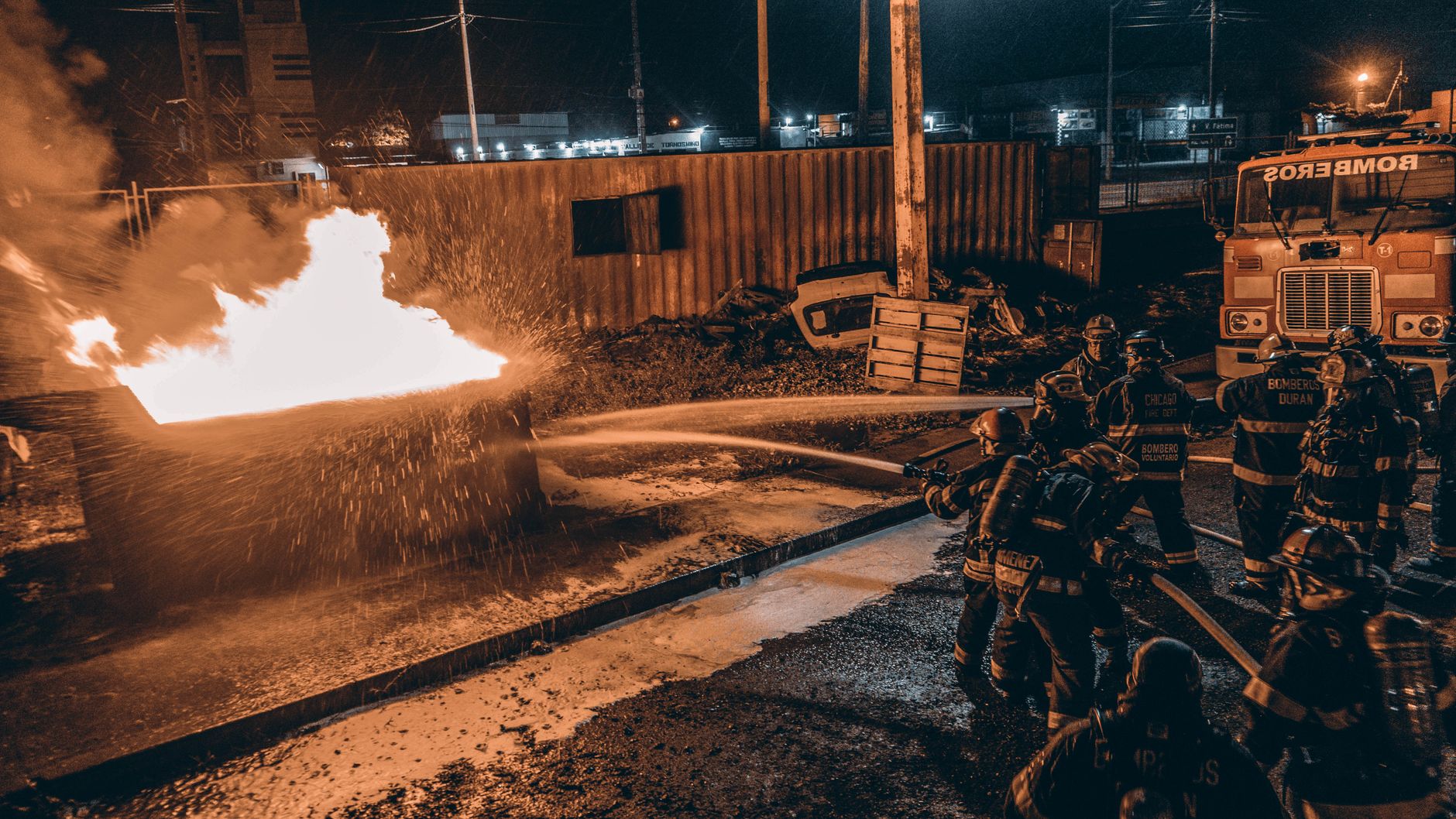
On the ground, the situation in the French Riviera is nothing short of chaotic and heartbreaking. Flames, often reaching towering heights, are consuming everything in their path, driven by relentless winds that make predicting their trajectory almost impossible. The air is thick with acrid smoke, reducing visibility and posing severe health risks to those in the vicinity. Thousands of firefighters, many working shifts stretching well beyond exhaustion, are battling multiple fronts simultaneously, a testament to their unwavering courage and commitment. They are supported by a fleet of water-bombing aircraft, including Canadair planes, which make dramatic passes, dropping thousands of liters of water directly onto the infernos, a critical but often insufficient measure against such widespread blazes.
The human element of this crisis is particularly poignant. Over 20,000 people, a mix of local residents and vacationing tourists, have been forced to abandon their homes and holiday accommodations with little notice. The evacuation process itself is fraught with anxiety, as families scramble to gather essentials and navigate congested roads, often under the ominous glow of distant fires. Many have found temporary refuge in emergency shelters set up in community centers and gymnasiums, where uncertainty about their homes and futures hangs heavy in the air. The scenes of people leaving everything behind, often with only what they can carry, paint a grim picture of the immediate impact of the disaster.
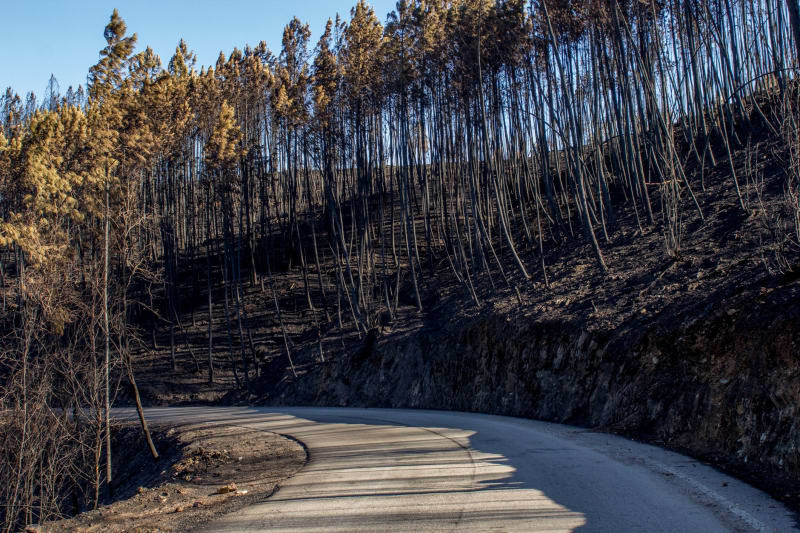
The scale of destruction is becoming clearer as firefighters gain some control in certain areas. Homes have been reduced to ashes, vast expanses of forest have been incinerated, and the ecological damage is immense. The once vibrant green landscapes are now a desolate, blackened moonscape. Beyond the immediate threat to life and property, there are significant concerns about the long-term environmental recovery, including soil erosion, water contamination, and the loss of biodiversity. The ground reality is one of ongoing struggle, profound loss, and an urgent need for continued resources and support to mitigate the immediate crisis and begin the arduous process of recovery and rebuilding.
What Experts Are Saying
Climate scientists are unequivocal in their assessment: the intensity and frequency of these wildfires are consistent with projections for a warming planet. Dr. Elise Moreau, a leading climatologist specializing in Mediterranean weather patterns, stated, "What we are witnessing in the Var region is not an anomaly, but a clear manifestation of climate change. Increased heatwaves, prolonged droughts, and stronger winds create a perfect storm for mega-fires. We must understand that these events will become more common and more severe unless drastic measures are taken to reduce global emissions." Her analysis underscores the urgent need for both mitigation and adaptation strategies, emphasizing that simply fighting fires after they start is no longer a sustainable long-term solution.
Forestry and fire management experts are highlighting the critical role of land management practices in exacerbating or mitigating these disasters. Professor Jean-Luc Dubois, an expert in forest ecology, noted, "Years of inadequate forest thinning and the accumulation of dry biomass create fuel ladders that allow fires to spread rapidly and intensely. While climate change sets the stage, human practices on the ground significantly influence the outcome. We need a holistic approach that combines aggressive emission reductions with proactive, ecologically sound forest management, including controlled burns and creating firebreaks, to make our landscapes more resilient." This perspective points to a multi-faceted problem requiring multi-faceted solutions.
Sociologists and disaster preparedness specialists are also weighing in on the societal implications. Dr. Sophie Lambert, a researcher on disaster resilience, commented, "The mass evacuations highlight critical challenges in urban planning and public communication. Ensuring that vulnerable populations, including tourists unfamiliar with local terrain, can safely and efficiently evacuate requires robust, well-practiced protocols. The psychological impact on those who lose homes or face repeated threats of evacuation is also immense and often underestimated. Building community resilience means not just physical infrastructure but also strong social networks and effective mental health support systems." Her insights emphasize the human dimension of disaster response and recovery.
Frequently Asked Questions
What Happens Next
In the immediate future, the primary focus remains on containing the remaining active fire fronts and ensuring the safety of all residents and emergency personnel. Firefighting efforts will continue around the clock, with authorities closely monitoring weather patterns for any shifts in wind direction or intensity that could reignite controlled areas or create new threats. Once the fires are fully extinguished, the arduous process of damage assessment will begin, quantifying the destruction to homes, businesses, and natural landscapes. This assessment is crucial for determining the scale of humanitarian aid and reconstruction efforts required.
Following the immediate crisis, attention will shift towards the long-term recovery and resilience of the affected communities. This will involve significant financial investment in rebuilding infrastructure, providing support to displaced families, and assisting local businesses in their recovery. Environmental rehabilitation will also be a monumental task, including efforts to prevent soil erosion, reforest burned areas, and restore damaged ecosystems. Experts will likely conduct thorough investigations into the causes and spread of the fires to refine future prevention strategies and emergency response protocols, incorporating lessons learned from this devastating event.
Looking further ahead, these wildfires will undoubtedly intensify the debate and urgency surrounding climate change policies in France and across Europe. There will be increased pressure on governments to implement more robust climate mitigation measures, invest in advanced fire prevention technologies, and develop more comprehensive adaptation strategies for communities vulnerable to extreme weather events. This crisis serves as a powerful catalyst for re-evaluating land management practices, urban planning in fire-prone areas, and public awareness campaigns about fire safety, aiming to build a more resilient future against the backdrop of a changing climate.









Comments
No comments yet. Be the first to comment!