

The Numbers
- The Pentagon has officially confirmed a staggering total expenditure of $37.5 billion dedicated solely to active military operations in the Middle Eastern theater since the current escalation cycle began.
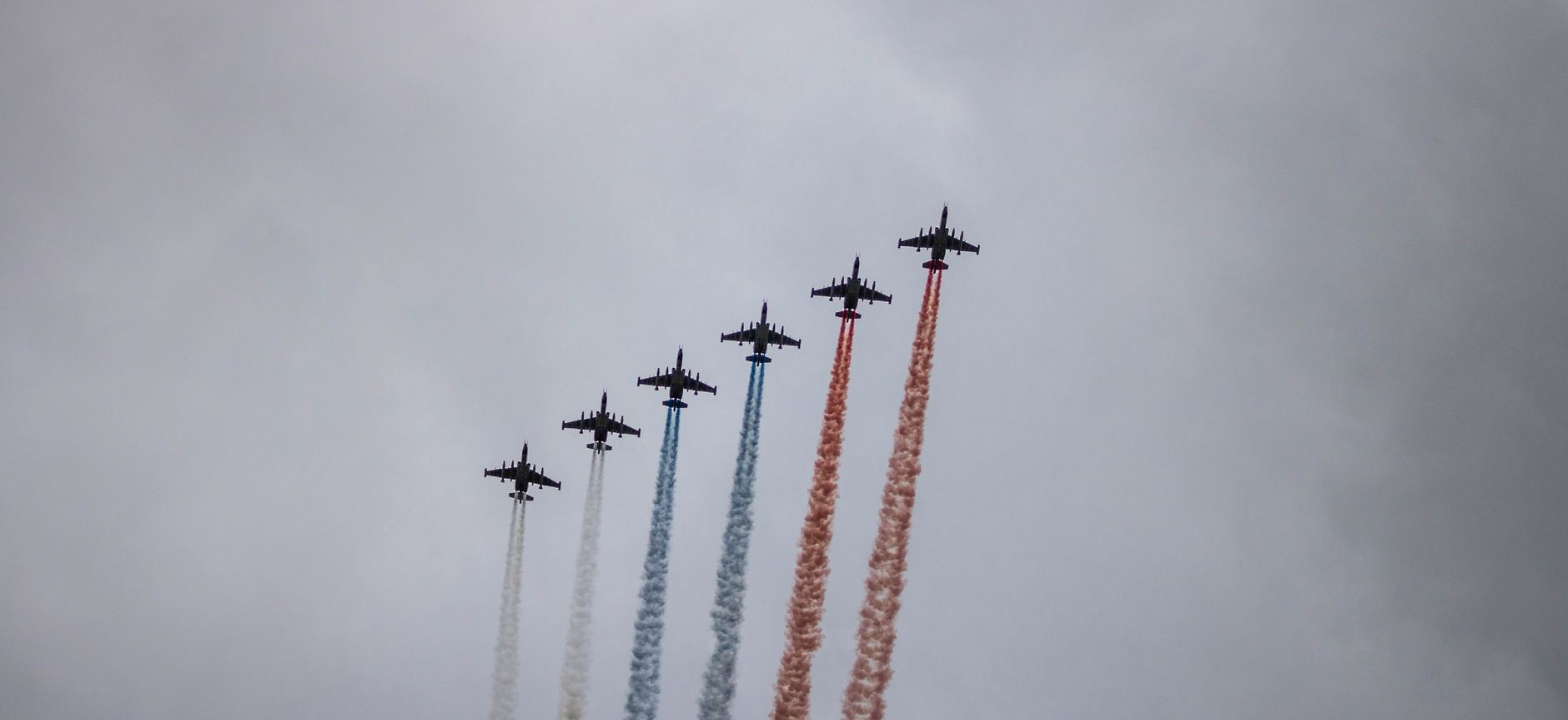
- US coalition forces have completed their eleventh consecutive night of heavy precision airstrikes, targeting command centers, radar installations, and missile storage facilities deep inside sovereign Iranian territory.
- Over 150 precision-guided munitions were deployed by carrier-based Navy F/A-18 Super Hornets and Air Force B-2 stealth bombers during the latest 24-hour operational cycle alone.
- Defense officials estimate that over 65% of Iran's primary air defense radar networks along the western border have been temporarily degraded or completely destroyed by continuous suppression missions.
- Congress has been notified of an emergency supplemental funding request of $12.4 billion to immediately replenish rapidly depleting stockpiles of critical smart bombs and long-range cruise missiles.
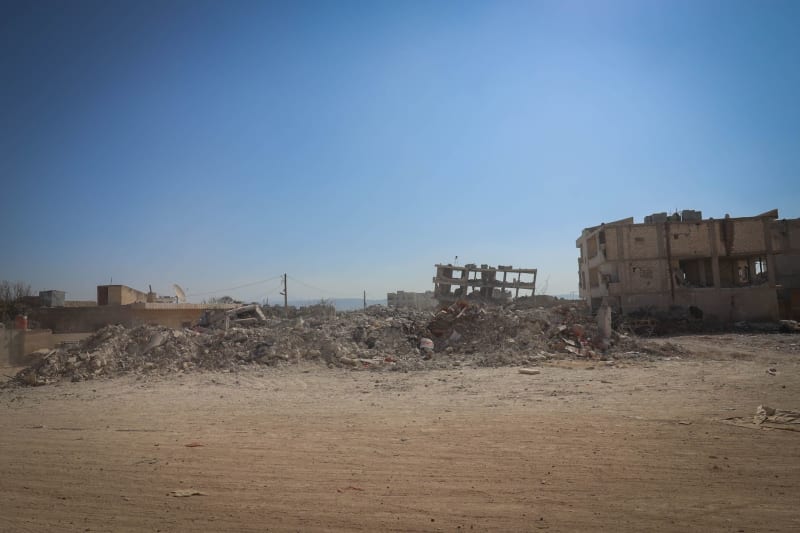
- Intelligence reports indicate that civilian displacement in target zones has surged by 40%, with local humanitarian agencies struggling to provide basic shelter for families fleeing the nightly bombardment.
Context Check
The current military campaign represents the most intense direct confrontation between Washington and Tehran in decades, fundamentally shifting the geopolitical landscape of the Middle East. For years, the conflict was waged through shadow operations, cyber warfare, and regional proxy networks, but the transition to overt, sustained aerial bombardment marks a dangerous new chapter. This eleventh consecutive night of strikes signals that the United States is no longer seeking merely to deter Iranian actions, but is actively attempting to systematically dismantle its state military infrastructure.
Defense Secretary Pete Hegseth's sudden public disclosure of the $37.5 billion price tag has sent shockwaves through Capitol Hill, where fiscal conservatives and anti-war progressives are beginning to form an unusual coalition of skepticism. This massive financial drain comes at a time when the domestic US economy is facing intense scrutiny, raising difficult questions about the sustainability of open-ended foreign interventions. Critics argue that spending billions of dollars per week on overseas bombing runs distracts from pressing domestic infrastructure and economic priorities.
Regionally, the continuous bombardment has created an incredibly volatile environment, threatening to drag neighboring Gulf states and international maritime trade routes into a wider, uncontrollable conflagration. Shipping lanes through the Strait of Hormuz, which carry a significant portion of the world's daily petroleum supply, are operating under maximum security alerts, driving global energy markets into a state of extreme anxiety. The risk of a miscalculation or a retaliatory strike on a commercial vessel remains at an all-time high as the campaign shows no signs of slowing down.
Background
To understand the gravity of the current crisis, one must trace the rapid deterioration of diplomatic channels over the past eighteen months. The collapse of backchannel negotiations regarding regional security frameworks left a dangerous diplomatic vacuum, which was quickly filled by escalating provocations. When proxy attacks on US bases in the region resulted in American casualties, the administration shifted from a posture of proportional retaliation to one of comprehensive strategic degradation, culminating in the current air campaign.
The decision to launch sustained airstrikes directly onto Iranian soil represents a complete departure from the established rules of engagement that governed US-Iran relations for forty years. Previously, military actions were confined to third-party territories like Iraq or Syria to avoid triggering a direct state-on-state war. By targeting assets within Iran's sovereign borders, the United States has crossed a red line, forcing Tehran to choose between humiliating acquiescence or a potentially catastrophic regional retaliation.
Furthermore, the domestic political environment in Washington has heavily influenced the trajectory of this military operation. With an election cycle looming, the administration is under immense pressure to project strength and resolve, making any diplomatic off-ramp politically risky. This hardline stance has been reinforced by defense contractors and hawkish think tanks, who argue that any pause in the bombing would be interpreted by Tehran as a sign of American weakness and indecision.
Winners and Losers
The primary beneficiaries of this escalating conflict are the major Western defense contractors, who are seeing their stock prices surge to record highs as the Pentagon scrambles to replenish its depleted munitions stockpiles. Companies manufacturing precision-guided missiles, stealth aircraft components, and advanced radar systems are securing lucrative multi-billion-dollar emergency contracts. This massive influx of capital into the defense industrial base guarantees long-term profitability for shareholders, even as public coffers are drained to fund the daily operations.
Conversely, the clear losers in this scenario are the civilian populations caught in the crossfire and the global taxpayers who must foot the astronomical bill. In Iran, ordinary citizens are enduring terrifying nightly bombardments, severe disruptions to basic utilities, and the immediate threat of economic collapse as the national currency plummets. Meanwhile, American taxpayers are watching billions of dollars vanish into a foreign military campaign with no clear exit strategy or measurable definition of victory.
Politically, regional adversaries of Iran, such as Israel and certain Gulf monarchies, view the degradation of Tehran's military capabilities as a positive development for their own national security. However, this satisfaction is tempered by the acute fear that a desperate Iranian regime might launch asymmetric retaliatory strikes against their critical infrastructure, such as desalination plants or oil refineries, turning a localized conflict into a regional economic disaster.
Analyst Perspectives
Military strategists are increasingly questioning the long-term efficacy of the current air campaign, pointing out that history shows aerial bombardment alone rarely forces a determined adversary to capitulate. Analysts argue that while the strikes have undoubtedly damaged Iran's physical military assets, they may also be hardening the regime's resolve and uniting a fractured public behind the government. Without a credible diplomatic track, the military campaign risks becoming an expensive, endless exercise in destructive futility.
Financial analysts are focusing on the broader macroeconomic implications of the $37.5 billion expenditure disclosed by Secretary Hegseth. They warn that if the conflict drags on for several more months, the total cost could easily surpass $100 billion, severely straining the US federal budget and contributing to inflationary pressures. This massive diversion of public funds limits the government's ability to respond to potential economic downturns or invest in critical domestic programs.
Regional experts emphasize that the current strategy fails to account for Iran's deeply entrenched network of regional proxies, which remain largely intact despite the strikes on the Iranian mainland. These groups possess the capability to launch asymmetric attacks across the Middle East, targeting US bases, commercial shipping, and allied nations. By focusing primarily on conventional military targets within Iran, the US may be leaving itself vulnerable to a decentralized, unconventional counter-offensive.
Key Questions Explained
The Outlook
The immediate outlook suggests that the military campaign will continue in the near term, as neither side has shown any willingness to back down or offer diplomatic concessions. The Pentagon is already preparing for the possibility of extended operations, adjusting logistics chains and rotating naval assets to sustain the high tempo of airstrikes. Without a clear diplomatic mediator, the conflict is likely to settle into a destructive war of attrition with unpredictable regional consequences.
In the medium term, the financial strain of this campaign will inevitably force a difficult debate in the US Congress regarding the limits of military spending. As the costs continue to climb toward the $50 billion mark, lawmakers will demand greater transparency and a concrete exit strategy from the administration. This domestic political pressure may eventually force a shift in strategy, prompting the US to seek a diplomatic off-ramp or scale back the intensity of the strikes.
Ultimately, the long-term stability of the Middle East has been profoundly compromised by this confrontation. Even if a ceasefire is eventually reached, the destruction of military infrastructure and the deepening of mutual hostility will guarantee a highly volatile security environment for years to come. The risk of proliferation, proxy warfare, and sudden escalations will remain a permanent feature of the region, overshadowing any temporary tactical successes achieved by the air campaign.
















Comments
No comments yet. Be the first to comment!