
The Story in Brief
- The Reserve Bank of Australia (RBA) is now confronting a significantly elevated probability of a rate hike, with market indicators suggesting a 40% chance of an increase by November, a stark rise from just 20% a week prior. This dramatic shift underscores growing concerns about persistent inflationary pressures.
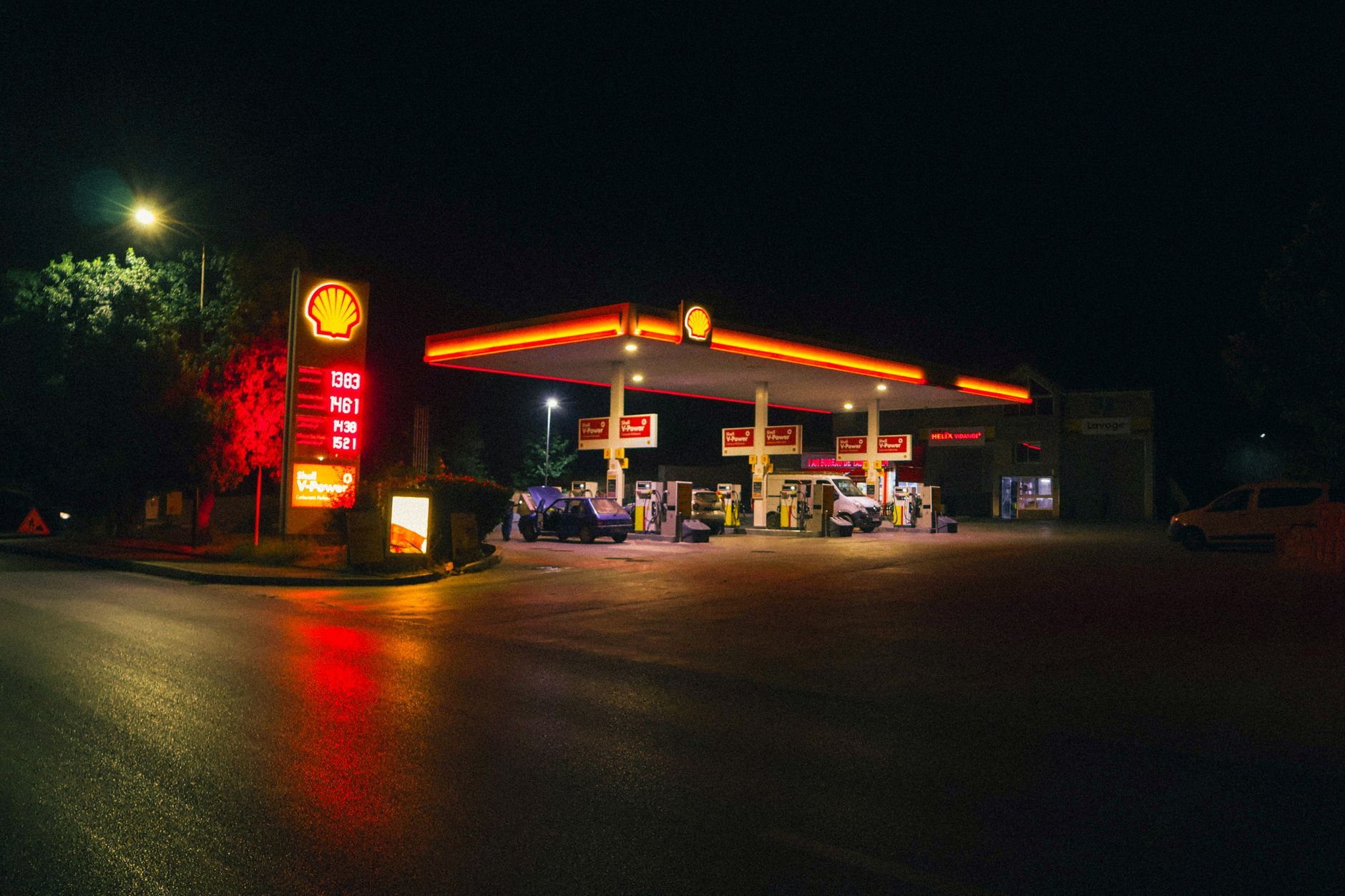
- A primary catalyst for this heightened hawkish sentiment is the escalating geopolitical tension between the US and Iran, which has directly translated into a substantial surge in global oil prices. This external shock is reverberating through the Australian economy, impacting fuel costs and broader inflation.
- Economists are increasingly revising their forecasts, with many now anticipating that the RBA will be compelled to tighten monetary policy sooner than previously expected, potentially adding further strain to household budgets already grappling with cost-of-living increases.
- The Australian dollar has experienced a notable depreciation against the US dollar, falling to US63.5¢, a level not seen since November. This currency weakness exacerbates inflationary pressures by making imported goods and services more expensive for Australian consumers and businesses.
- The surge in fuel prices is not merely an inconvenience; it represents a significant inflationary impulse that directly impacts transportation costs, supply chains, and consumer spending power, creating a challenging environment for economic stability.
- Financial markets are now pricing in a more aggressive RBA stance, reflecting a collective belief that the central bank will prioritize inflation containment, even if it means further tightening conditions for borrowers and potentially slowing economic growth.
The Human Face
For millions of Australian households, the specter of another interest rate hike looms large, threatening to push already stretched budgets to their breaking point. Families are meticulously scrutinizing every expense, from weekly groceries to essential utilities, as the cumulative effect of inflation and previous rate increases continues to erode their purchasing power. The dream of homeownership, or even just maintaining current mortgage repayments, becomes increasingly tenuous when the cost of borrowing rises unexpectedly. This financial strain isn't just a number on a spreadsheet; it translates into difficult choices at the dinner table, deferred medical appointments, and foregone opportunities for leisure and education.
Small businesses, the backbone of the Australian economy, are also feeling the acute pressure. Rising fuel costs directly impact their operational expenses, from delivery services to employee commutes, forcing them to either absorb these higher costs, thereby reducing profit margins, or pass them on to consumers, risking a drop in demand. Many small business owners are already navigating a complex landscape of supply chain disruptions and labor shortages, and an additional interest rate hike could be the tipping point for some, leading to difficult decisions about staffing levels or even the viability of their operations. The ripple effect of these challenges extends far beyond individual businesses, impacting local communities and regional economies.
The psychological toll of this economic uncertainty cannot be overstated. Constant news of rising inflation, potential rate hikes, and geopolitical instability creates a pervasive sense of anxiety among the populace. Consumers become more cautious with their spending, businesses delay investment decisions, and overall economic confidence wanes. This cautious behavior, while understandable, can inadvertently contribute to a slowdown in economic activity, creating a feedback loop that exacerbates the very problems policymakers are trying to address. The human face of this economic challenge is one of worry, resilience, and a desperate hope for stability.
How We Got Here
The current economic landscape, characterized by persistent inflation and the looming threat of further interest rate hikes, is the culmination of several interconnected global and domestic factors. For an extended period, the RBA maintained an accommodative monetary policy, with interest rates at historic lows, aiming to stimulate economic growth and employment in the wake of the pandemic. This period of ultra-low rates, while beneficial for borrowers and economic recovery, also contributed to an accumulation of household debt and a significant boom in the housing market, creating vulnerabilities that are now being exposed as conditions tighten.
Globally, the post-pandemic recovery has been uneven, marked by unprecedented supply chain disruptions, robust consumer demand fueled by fiscal stimulus, and the lingering effects of geopolitical tensions. The conflict in Ukraine, for instance, sent shockwaves through global energy and food markets, contributing significantly to inflationary pressures worldwide. More recently, the escalating rhetoric and actions between the US and Iran have directly impacted crude oil prices, pushing them higher and adding another layer of complexity to the global inflation narrative. These external shocks are particularly challenging for an open economy like Australia, which is highly susceptible to international commodity price fluctuations.
Domestically, despite the RBA's aggressive rate hike cycle over the past year and a half, inflation has proven to be more stubborn than initially anticipated. While headline inflation has shown signs of moderating, underlying inflation, particularly in services, remains elevated. This persistence is partly attributed to a tight labor market, robust wage growth in some sectors, and strong consumer spending, which collectively indicate that demand-side pressures are still contributing to price increases. The RBA's challenge lies in taming inflation without triggering an economic recession, a delicate balancing act made even more precarious by external geopolitical shocks that are largely beyond its control.
Why This Cannot Be Ignored
The potential for another RBA interest rate hike, amplified by global geopolitical instability, is not merely an abstract economic forecast; it represents a tangible threat to the financial stability of millions of Australians. Each rate increase directly translates into higher mortgage repayments, squeezing household disposable income and forcing families to make difficult choices about essential spending. This erosion of purchasing power can lead to a significant downturn in consumer confidence and spending, which in turn can stifle economic growth and potentially push the economy towards a recessionary environment. The cumulative effect of multiple rate hikes can be devastating for highly indebted households, increasing the risk of mortgage stress and defaults, which could have broader implications for the banking sector.
Beyond individual households, the ripple effects of rising interest rates and elevated fuel prices permeate every sector of the economy. Businesses face increased operational costs, from transportation and logistics to manufacturing and energy, which can compress profit margins and deter investment. Small and medium-sized enterprises (SMEs), often operating on thinner margins, are particularly vulnerable to these pressures, potentially leading to job losses and reduced economic activity. The competitiveness of Australian exports can also be affected if domestic costs rise disproportionately, impacting the nation's trade balance and overall economic health. This interconnectedness means that ignoring these signals could lead to a systemic slowdown.
Furthermore, the current situation highlights Australia's vulnerability to global geopolitical events, particularly those impacting critical commodities like oil. The reliance on international markets for energy supplies means that conflicts far from Australian shores can have immediate and profound domestic economic consequences. This underscores the importance of robust economic planning, diversification of energy sources, and strategic international relations to mitigate such risks. The RBA's dilemma — balancing inflation control with economic stability in the face of external shocks — is a stark reminder that domestic policy decisions are increasingly intertwined with the volatile landscape of global politics and economics. Failing to acknowledge and address these complex interdependencies could leave Australia exposed to future shocks.
Possible Paths Forward
As the RBA grapples with persistent inflation and external shocks, several policy paths are under consideration, each with its own set of risks and potential rewards. One immediate path involves the RBA proceeding with another interest rate hike, potentially as early as November, to decisively curb inflationary pressures. This aggressive approach aims to signal the central bank's commitment to its inflation target, even if it means accepting a period of slower economic growth or increased financial strain for some households. Proponents argue that a swift and decisive action now could prevent inflation from becoming entrenched, ultimately leading to a more stable economic environment in the long run. However, this path risks pushing the economy into a recession, exacerbating mortgage stress, and dampening consumer and business confidence significantly.
Another potential path involves the RBA adopting a more cautious 'wait-and-see' approach, holding rates steady for now to assess the full impact of previous hikes and monitor the evolution of global geopolitical events. This strategy would allow the central bank to gather more data on wage growth, consumer spending, and international oil prices before making another move. Such an approach could provide a much-needed reprieve for households and businesses, allowing them to adjust to current conditions without the immediate burden of higher borrowing costs. The risk here, however, is that inflation could remain stubbornly high or even accelerate, forcing the RBA to implement even larger and more disruptive rate hikes further down the line, potentially losing credibility in its commitment to price stability.
Beyond monetary policy, there is also a critical role for fiscal policy and broader economic reforms. The government could implement targeted support measures for vulnerable households struggling with the cost of living, providing a buffer against the impact of rising rates and fuel prices without broadly stimulating demand. Furthermore, long-term strategies to enhance Australia's energy security, diversify supply chains, and boost productivity could help mitigate the impact of future external shocks. These structural reforms, while not immediate solutions, are crucial for building a more resilient economy capable of weathering global volatility. A coordinated approach between monetary and fiscal policy, alongside strategic long-term planning, offers the most comprehensive path forward to navigate these complex economic challenges.
Questions People Are Actually Asking
What to Watch
- The RBA's upcoming monetary policy meeting minutes and any public statements from Governor Michele Bullock will be scrutinized for clearer signals on the central bank's evolving stance and its assessment of current economic conditions. Any deviation from expected rhetoric could significantly sway market sentiment.
- Key inflation data releases, particularly the monthly Consumer Price Index (CPI) and the quarterly CPI report, will be paramount. A sustained deceleration in underlying inflation, especially in services, could provide the RBA with justification to pause its tightening cycle.
- Global oil prices, specifically the Brent crude benchmark, will remain a critical indicator. Any further escalation in US-Iran tensions or other geopolitical events impacting major oil-producing regions could trigger another surge, directly influencing domestic fuel costs and inflationary pressures.
- The Australian dollar's performance against major currencies, particularly the US dollar, will be closely watched. A continued depreciation could exacerbate imported inflation, while a strengthening AUD might offer some relief from external price pressures.
- Updates on the US Federal Reserve's monetary policy decisions are crucial, as the Fed's actions often influence global capital flows and central bank policies worldwide. A more hawkish Fed could put additional pressure on the RBA.
- Consumer confidence and retail spending figures will provide insights into the resilience of household budgets and the broader economy. A significant drop in these indicators could suggest that previous rate hikes are having a stronger dampening effect, potentially influencing the RBA's next move.














Comments
No comments yet. Be the first to comment!