

The Story in Brief
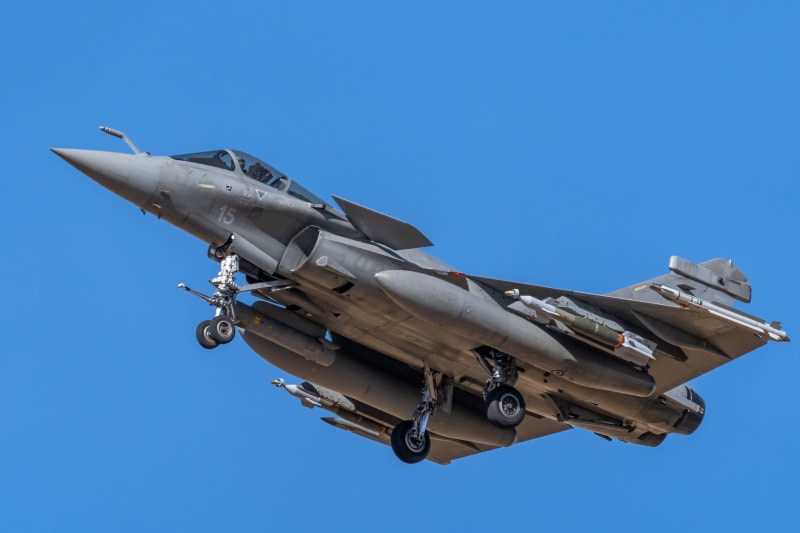
- The United States military has confirmed its tenth consecutive night of targeted strikes against Iranian-backed forces and infrastructure, marking a significant and sustained escalation of military action in the Middle East.
- These ongoing operations are reportedly in response to a series of attacks on U.S. personnel and assets in the region, particularly those carried out by various proxy groups linked to Tehran.
- The consistent rhythm of these nightly strikes indicates a deliberate strategy by the Pentagon to degrade Iranian capabilities and deter further aggression, moving beyond isolated retaliatory actions.
- Regional analysts are closely monitoring the situation, expressing grave concerns that this prolonged military engagement could easily spiral into a much broader, direct confrontation between the U.S. and Iran.
- International calls for de-escalation are growing louder, with global powers urging both sides to exercise restraint and seek diplomatic solutions to prevent a full-scale regional war.
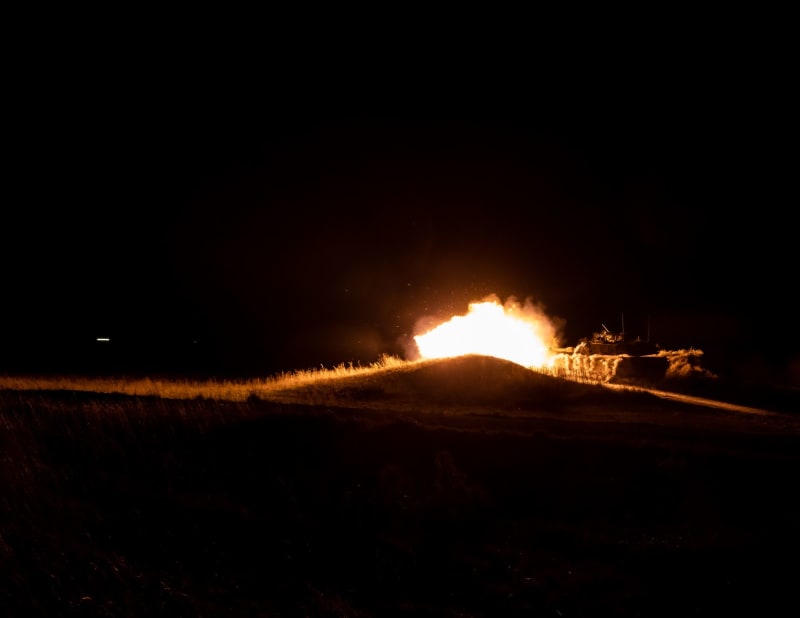
- The precise targets of these latest strikes remain undisclosed, though previous operations have focused on weapons depots, command centers, and missile launch sites associated with Iranian-supported militias.
The Human Face
Behind the headlines of military strikes and geopolitical maneuvering lie the profound human consequences that ripple across the Middle East. For ordinary citizens in countries like Iraq, Syria, and Yemen, the relentless drumbeat of conflict is not an abstract concept but a daily reality filled with fear, displacement, and uncertainty. Families are forced to make agonizing decisions about fleeing their homes, leaving behind livelihoods and communities built over generations, all to escape the escalating violence that threatens their very existence. The psychological toll on children witnessing constant instability and warfare is immeasurable, often leading to long-term trauma and developmental challenges.
Healthcare systems, already fragile from years of conflict and underinvestment, are pushed to their breaking point. Hospitals struggle with shortages of medical supplies, personnel, and infrastructure, making it nearly impossible to adequately treat the wounded or provide essential services. Civilian infrastructure, including schools, markets, and vital utilities, frequently becomes collateral damage, further disrupting daily life and exacerbating humanitarian crises. Access to clean water, food, and shelter becomes precarious, turning basic survival into a daily struggle for millions caught in the crossfire of proxy wars and direct military engagements.
The economic impact on these communities is equally devastating. Businesses shutter, unemployment soars, and the prospect of rebuilding seems increasingly distant amidst continuous instability. The international community's efforts to provide humanitarian aid are often hampered by security concerns and logistical challenges, meaning assistance frequently fails to reach those who need it most. The human face of this conflict is one of resilience in the face of unimaginable hardship, but also one of profound suffering that demands greater attention and more effective, sustained efforts towards peace and stability, rather than further military escalation.
How We Got Here
The current surge in U.S. military action is the culmination of a deeply entrenched and volatile geopolitical dynamic that has characterized the Middle East for decades. At its core, the escalating tensions stem from Iran's persistent efforts to expand its regional influence through a network of proxy militias and political allies, often directly challenging U.S. interests and the security of its partners. These proxies, including groups in Iraq, Syria, Lebanon, and Yemen, have been instrumental in projecting Iranian power, but have also been responsible for numerous attacks on American forces and diplomatic missions, creating an untenable situation for Washington.
A critical turning point in this recent escalation was the significant uptick in drone and rocket attacks targeting U.S. bases and personnel across Iraq and Syria. These assaults, which intensified dramatically over the past few months, have resulted in injuries to American service members and have been explicitly attributed by U.S. intelligence to Iranian-backed groups. The Biden administration, initially pursuing a strategy of de-escalation and diplomatic engagement with Tehran, found itself under increasing domestic and international pressure to respond decisively to protect its forces and deter further aggression, leading to a shift towards more robust military responses.
Furthermore, the broader context of the Israel-Hamas conflict has undeniably exacerbated regional instability, creating a fertile ground for proxy groups to act more aggressively, often framing their actions as solidarity with Palestinians. This complex interplay of long-standing rivalries, recent provocations, and the ripple effects of other regional conflicts has pushed the U.S. and Iran into a dangerous cycle of tit-for-tat retaliation. The tenth consecutive night of strikes signifies a deliberate and sustained U.S. strategy to re-establish deterrence and degrade the capabilities of these groups, moving beyond isolated punitive actions to a more consistent application of military pressure.
Why This Cannot Be Ignored
The sustained U.S. military strikes against Iranian targets represent a perilous escalation that could ignite a full-scale regional conflagration with catastrophic global implications. This isn't merely a localized skirmish; it's a dangerous dance on the precipice of a wider war between major powers and their proxies, threatening to engulf an already volatile region. A direct conflict between the United States and Iran would not only destabilize the Middle East beyond recognition but would also send shockwaves through international energy markets, potentially triggering a global economic crisis as oil prices skyrocket and supply chains are severely disrupted.
Beyond the immediate economic fallout, the humanitarian cost of such a conflict would be immense and irreversible. Millions more would be displaced, exacerbating existing refugee crises and placing an unbearable strain on international aid organizations. Civilian casualties would undoubtedly mount, and critical infrastructure, already fragile in many parts of the region, would be decimated, setting back decades of development. The long-term consequences, including radicalization and the rise of new extremist groups in the vacuum of state authority, could plague the region for generations, creating an enduring legacy of instability and suffering.
Moreover, this escalating confrontation carries significant geopolitical risks, potentially drawing in other regional and global actors, further complicating diplomatic efforts and making a peaceful resolution increasingly elusive. The credibility of international institutions and norms of conflict resolution are also at stake, as unchecked military action could embolden other states to pursue similar aggressive strategies. Ignoring these sustained strikes and the trajectory they indicate is to gamble with global peace and stability, making it imperative for international diplomacy to urgently intervene and de-escalate this dangerous trajectory before it's too late.
Possible Paths Forward
Navigating the treacherous landscape of U.S.-Iran relations requires a multifaceted approach, with several distinct paths forward, each carrying its own set of risks and potential rewards. One immediate option is a concerted diplomatic push for de-escalation, involving direct, high-level talks between Washington and Tehran, potentially facilitated by neutral third parties like Oman or Switzerland. This path would prioritize establishing clear communication channels to prevent miscalculation, agreeing to a mutual cessation of hostilities from both the U.S. and Iranian-backed groups, and working towards a framework for regional security dialogues. The goal would be to freeze the current escalation and create space for more comprehensive negotiations on broader issues, including Iran's nuclear program and its regional activities.
Another strategic direction involves intensifying economic and diplomatic pressure on Iran, coupled with a continued, but more targeted, military deterrence. This approach would entail tightening sanctions on sectors critical to Iran's economy and its Revolutionary Guard Corps, while simultaneously engaging with key allies to present a united front against Iranian destabilizing actions. Militarily, this would mean maintaining a robust presence in the region and conducting precision strikes only in direct response to attacks, rather than sustained campaigns, aiming to degrade specific threats without provoking a full-scale war. The challenge here is balancing pressure with off-ramps, ensuring that Iran perceives a credible path to reduced tensions if it alters its behavior, rather than feeling cornered into further escalation.
A third, more ambitious, but potentially transformative path would involve a grand bargain or comprehensive regional security architecture. This would require not only U.S.-Iran engagement but also the inclusion of other regional powers like Saudi Arabia, the UAE, and Israel, to address the root causes of instability. Such an initiative would aim to establish non-aggression pacts, arms control agreements, and mechanisms for conflict resolution, ultimately seeking to integrate Iran into a cooperative regional framework. While incredibly complex and fraught with historical mistrust, this long-term vision offers the most sustainable solution for lasting peace, moving beyond mere de-escalation to fundamental shifts in regional dynamics and fostering genuine stability for all stakeholders.
Questions People Are Actually Asking
What to Watch
- The frequency and intensity of future U.S. strikes: Will the U.S. maintain this sustained pace, or will it revert to more sporadic, targeted responses? A shift in strategy could signal either a de-escalation attempt or a preparation for a more significant military action.
- Iran's direct response: While Iran has largely used proxies, any direct military action by Tehran against U.S. assets or personnel would mark a critical escalation point, demanding immediate and severe international attention.
- Statements from regional powers: Observe how countries like Saudi Arabia, the UAE, and Israel react to the ongoing strikes. Their public and private comments could indicate their level of concern, potential involvement, or diplomatic initiatives.
- International diplomatic efforts: Pay close attention to any mediation attempts by neutral countries or international bodies like the UN. A concerted diplomatic push could be the only way to prevent a wider conflict.
- Impact on global oil markets: Any significant disruption to oil production or shipping lanes in the Persian Gulf would immediately affect global energy prices, providing a tangible measure of the conflict's economic reach.
- The humanitarian situation in affected areas: Monitor reports from humanitarian organizations regarding civilian casualties, displacement, and access to aid. These indicators will reveal the human cost of the escalating tensions and the urgency of intervention.







Comments
No comments yet. Be the first to comment!