
The Numbers
- Iran's uranium enrichment level has reportedly reached 60%, a significant step closer to weapons-grade purity, raising alarms among international observers and intelligence agencies.
- Over 2,000 centrifuges are estimated to be operational in Iran, accelerating its capacity for uranium enrichment and shortening its potential 'breakout time' to develop a nuclear weapon.
- The 2015 Joint Comprehensive Plan of Action (JCPOA) limited Iran's enrichment to 3.67%, a threshold now far surpassed, indicating a severe erosion of the original nuclear agreement's safeguards.
- Israel has conducted hundreds of airstrikes in Syria against Iranian-backed targets over the past decade, demonstrating its proactive and often unilateral approach to counter Iranian regional influence.
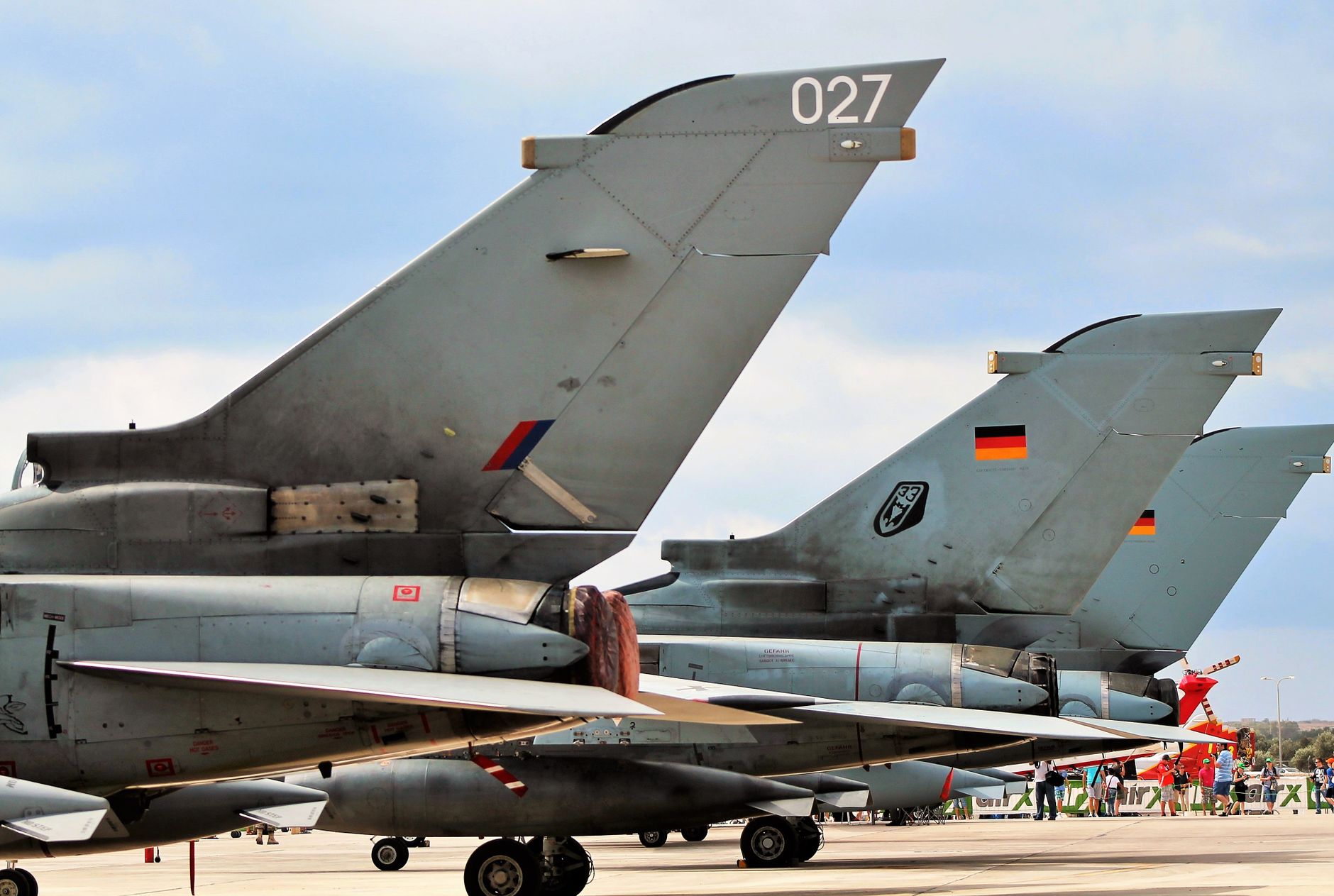
- The US maintains a significant military presence in the Persian Gulf region, including naval assets and airbases, underscoring its commitment to regional security and its capacity for rapid intervention.
- Economic sanctions imposed by the US and its allies have reportedly cost Iran hundreds of billions of dollars in lost oil revenue and foreign investment, severely impacting its economy and public services.
Context Check
The current geopolitical landscape in the Middle East is characterized by a dangerous and accelerating confrontation involving the United States, Israel, and Iran. This complex dynamic is fueled by Iran's advancing nuclear program, its extensive network of regional proxies, and the unwavering determination of both Washington and Jerusalem to prevent Tehran from acquiring nuclear weapons. The stakes are incredibly high, with each move and counter-move carrying the potential to ignite a broader regional conflict that could destabilize global energy markets and draw in other international actors. Understanding the historical grievances, strategic objectives, and perceived threats of each party is crucial to grasping the gravity of the situation.
Iran's nuclear ambitions are at the heart of this crisis. While Tehran consistently asserts its program is purely for peaceful energy generation and medical research, its escalating uranium enrichment levels and refusal to grant full access to international inspectors raise serious doubts. The memory of past nuclear proliferation crises, coupled with Iran's revolutionary ideology and ballistic missile capabilities, makes the prospect of a nuclear-armed Iran an existential threat for Israel and a major security concern for the United States and its Gulf allies. The perceived failure of diplomacy, particularly after the US withdrawal from the JCPOA, has pushed the region closer to military confrontation, with few viable off-ramps in sight.
Beyond the nuclear issue, Iran's regional influence, exerted through proxies like Hezbollah in Lebanon, Hamas in Gaza, and various militia groups in Iraq and Syria, is a significant destabilizing factor. These groups often act as extensions of Iranian foreign policy, challenging Israeli security, undermining US interests, and fueling sectarian tensions. Israel views these proxies as direct threats to its borders and national security, while the US sees them as impediments to regional stability and a challenge to its strategic partnerships. The interconnectedness of these issues means that any military action, whether against Iran's nuclear facilities or its proxies, could easily spiral into a wider, unpredictable conflict with devastating consequences for millions.
Background
The roots of the current standoff stretch back decades, deeply intertwined with the 1979 Iranian Revolution and the subsequent shift in Iran's geopolitical alignment. Prior to the revolution, Iran was a key US ally in the region. However, the establishment of the Islamic Republic brought about a radical change, transforming Iran into an anti-Western, anti-Israeli power. This ideological shift immediately put Tehran on a collision course with both the United States and Israel, laying the groundwork for a prolonged period of mistrust, proxy conflicts, and covert operations that continue to define their relationship today. The hostage crisis at the US embassy in Tehran further cemented the adversarial nature of this new relationship.
The discovery of Iran's clandestine nuclear program in the early 2000s dramatically intensified these tensions. For years, Iran had been secretly developing nuclear capabilities, prompting international alarm and leading to a series of UN Security Council resolutions imposing sanctions. This period saw a concerted effort by world powers to prevent Iran from acquiring nuclear weapons, culminating in the landmark 2015 Joint Comprehensive Plan of Action (JCPOA). This agreement, signed by Iran and the P5+1 nations (US, UK, France, China, Russia, and Germany), aimed to curtail Iran's nuclear program in exchange for sanctions relief. It represented a fragile moment of diplomatic success, albeit one built on deep-seated skepticism from some quarters.
However, the JCPOA's future was irrevocably altered in 2018 when the Trump administration unilaterally withdrew the United States from the agreement, reimposing crippling sanctions on Iran. This decision, driven by concerns that the deal was insufficient to curb Iran's ballistic missile program and its regional behavior, was met with strong criticism from other signatories and effectively dismantled the diplomatic framework. In response, Iran gradually began to roll back its commitments under the JCPOA, increasing uranium enrichment and limiting international inspections, thus reigniting fears of nuclear proliferation and pushing the region back to the precipice of conflict. This withdrawal is widely seen as a pivotal moment that accelerated the current crisis.
Winners and Losers
In the immediate aftermath of heightened tensions, hardliners within Iran often emerge as perceived winners. The narrative of external aggression and existential threat, frequently propagated by the US and Israel, can be skillfully leveraged by conservative factions to consolidate power, suppress dissent, and rally public support around a nationalistic agenda. This internal strengthening allows them to justify increased military spending and a more assertive foreign policy, often at the expense of domestic reforms or economic liberalization. The current climate of confrontation inadvertently provides a powerful tool for these elements to maintain their grip on power and deflect criticism regarding internal governance.
Conversely, the Iranian populace, particularly those advocating for greater openness and economic prosperity, consistently bear the brunt of these escalating tensions. Sanctions, whether imposed or threatened, cripple the economy, leading to inflation, unemployment, and a general decline in living standards. The focus on national security and military readiness diverts crucial resources from social programs, infrastructure development, and healthcare, directly impacting the daily lives of ordinary citizens. The cycle of confrontation and isolation perpetuates their suffering, making them significant losers in this geopolitical struggle, often caught between their government's policies and international pressure.
Regional stability is undoubtedly a major loser. The constant threat of military action, whether from direct strikes or proxy conflicts, creates an environment of pervasive uncertainty and fear across the Middle East. This instability deters foreign investment, disrupts trade routes, and exacerbates existing humanitarian crises, particularly in countries like Syria, Iraq, and Yemen where Iranian proxies are active. The potential for a miscalculation or an unintended escalation remains alarmingly high, threatening to plunge the entire region into a devastating conflict from which no party would truly emerge victorious. The ripple effects of such a conflict would be felt globally, impacting energy prices and international security.
Analyst Perspectives
Many analysts contend that the current strategy of 'maximum pressure' against Iran, spearheaded by the United States, has largely failed to achieve its stated objectives. Instead of compelling Tehran to capitulate or negotiate a more favorable deal, it has arguably pushed Iran closer to developing nuclear weapons and intensified its regional assertiveness. Experts like Trita Parsi of the Quincy Institute for Responsible Statecraft argue that this approach has eliminated diplomatic off-ramps, leaving both sides with fewer options beyond confrontation. They suggest that a return to robust diplomacy, potentially involving a revised JCPOA or a new regional security framework, is the only viable path to de-escalation.
Conversely, a significant contingent of security analysts, particularly those aligned with Israeli strategic thinking, maintain that a firm stance against Iran is essential. They argue that any perceived weakness or concession would only embolden Tehran to further its nuclear ambitions and expand its malign regional influence. Michael Oren, a former Israeli ambassador to the US, has often articulated the view that Iran understands only the language of strength, and that military options, while undesirable, must remain credible to deter Iran from crossing critical thresholds. This perspective emphasizes the need for unwavering resolve and a readiness to act decisively if diplomatic efforts fail.
A third school of thought emphasizes the critical role of regional actors and the need for a more inclusive security dialogue. Analysts like Sanam Vakil of Chatham House highlight that focusing solely on the US-Iran-Israel dynamic overlooks the legitimate security concerns of Gulf Arab states, which are directly impacted by Iranian actions. They advocate for a regional security architecture that includes all stakeholders, fostering trust-building measures and de-escalation mechanisms to prevent accidental conflicts. This approach suggests that a sustainable solution cannot be imposed externally but must emerge from within the region, addressing the complex web of rivalries and alliances.

Key Questions Explained
The Outlook
The immediate outlook for the US-Israel-Iran dynamic remains precariously balanced on the edge of further escalation. With Iran continuing to advance its nuclear program and Israel maintaining its 'all options on the table' stance, the window for a diplomatic resolution appears to be narrowing. The Biden administration faces immense pressure to prevent Iran from acquiring nuclear weapons without initiating another costly Middle East war, a delicate tightrope walk that demands both strategic patience and credible deterrence. Any misstep, whether a provocative action by Iran or a preemptive strike by Israel, could trigger a chain reaction that quickly spirals out of control, making the coming months critically important.
Looking further ahead, the long-term stability of the Middle East hinges on a fundamental shift in regional security paradigms. The current zero-sum game, where one nation's gain is perceived as another's loss, is unsustainable. A more inclusive security architecture, one that acknowledges the legitimate concerns of all regional actors and fosters genuine dialogue, is essential. This would require significant concessions and trust-building measures from all sides, including a willingness from Iran to curb its destabilizing regional activities and a commitment from the US and Israel to engage in good-faith diplomacy. Without such a shift, the region will remain trapped in a cycle of confrontation and instability, perpetually on the brink of conflict.
Ultimately, the path forward demands a renewed commitment to diplomacy, backed by a credible and unified international front. While military options may always exist, their devastating consequences underscore the imperative of exhausting every diplomatic avenue. The international community, led by major powers, must exert concerted pressure on all parties to de-escalate tensions, return to the negotiating table, and work towards a comprehensive agreement that addresses both nuclear proliferation and regional security. The alternative is a future defined by perpetual conflict, with profound implications not only for the Middle East but for global peace and stability.






Comments
No comments yet. Be the first to comment!