

The Story in Brief
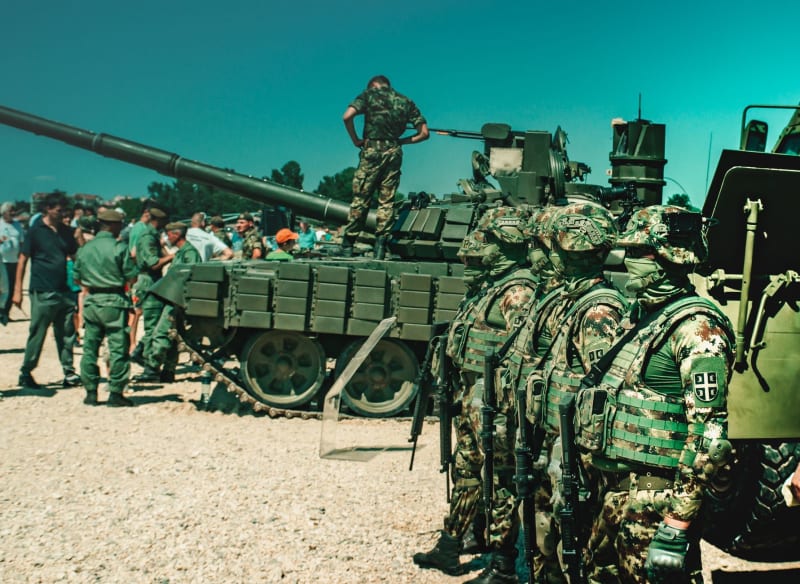
- The United States has launched its tenth consecutive night of military strikes across the Middle East, targeting various sites in Iraq, Syria, and Yemen. This sustained campaign marks a significant escalation of hostilities in an already volatile region, demonstrating a firm resolve to respond to recent provocations.
- These intensified U.S. actions come in direct response to a deadly drone attack on a U.S. military outpost in Jordan, which tragically resulted in the deaths of three American service members and left nearly 100 others injured. The attack has been attributed to Iran-backed militia groups, further complicating regional dynamics.
- The retaliatory strikes have focused on infrastructure and weaponry associated with these Iran-backed groups, aiming to degrade their capabilities and deter future aggression against U.S. personnel and interests. The precision and scope of these operations indicate a calculated effort to re-establish deterrence.
- The broader context for these strikes includes ongoing tensions in the Red Sea, where Houthi rebels in Yemen have repeatedly targeted international shipping lanes, prompting additional U.S. and allied naval responses. This multi-front engagement highlights the interconnected nature of regional conflicts.
- International observers and regional leaders are closely monitoring the situation, expressing concerns about the potential for a wider regional conflict. The delicate balance of power and the intricate web of alliances mean that each military action carries significant geopolitical implications, potentially drawing in more actors.
- The Biden administration has affirmed its commitment to protecting U.S. forces and interests while seeking to avoid a full-scale war with Iran. This balancing act involves calibrated military responses alongside diplomatic efforts, though the path to de-escalation remains fraught with challenges and uncertainties.
The Human Face
Behind the headlines of geopolitical maneuvering and military operations lies the profound human cost of conflict. The recent drone attack in Jordan, which claimed the lives of three American service members and left nearly a hundred wounded, serves as a stark reminder of the ultimate sacrifice made by those deployed in harm's way. Each casualty represents a family irrevocably altered, a community in mourning, and a nation grappling with the painful realities of its global commitments. The emotional toll extends far beyond the immediate victims, impacting their comrades, their loved ones, and the broader military community who live with the constant threat of such incidents.
The injured, many of whom sustained traumatic brain injuries and other severe wounds, face long and arduous roads to recovery. These injuries are not merely physical; they often carry invisible scars, including psychological trauma that can persist for years. The ripple effect of these injuries touches spouses, parents, and children who must navigate the complexities of caregiving and support, often far from home. Their stories, though frequently overshadowed by strategic analyses, are central to understanding the true impact of these escalating tensions and underscore the urgent need for robust support systems for service members and their families.
Moreover, the human cost is not confined to military personnel. Civilian populations in Iraq, Syria, and Yemen, already enduring years of conflict and instability, face renewed fears as U.S. retaliatory strikes target areas within their countries. The constant threat of airstrikes, the displacement from homes, and the disruption of daily life contribute to a pervasive sense of insecurity and despair. The potential for unintended civilian casualties, even in precision strikes, is a grim reality that further exacerbates humanitarian crises in these war-torn regions, highlighting the urgent need for all parties to prioritize the protection of non-combatants.
How We Got Here
The current surge in U.S. military action is the culmination of a rapidly deteriorating security situation in the Middle East, particularly since the onset of the Israel-Hamas conflict in October. This regional conflagration has ignited a series of proxy confrontations, with Iran-backed groups seizing the opportunity to challenge U.S. presence and influence. Prior to the deadly Jordan attack, U.S. forces in Iraq and Syria had already endured dozens of drone and rocket attacks, largely attributed to militias aligned with Tehran, signaling a clear pattern of increasing aggression and a deliberate strategy to test American resolve. These attacks, while often resulting in minor injuries or damage, were clear precursors to the more devastating incident that ultimately triggered the current widespread retaliation.
The fatal drone strike on Tower 22, a critical U.S. logistical support base in northeastern Jordan near the Syrian border, marked a significant turning point. This attack, which penetrated air defenses and caused the first U.S. combat deaths in the region since 2021, crossed a red line for the Biden administration. The immediate aftermath saw intense pressure on Washington to respond decisively, not only to deter future attacks but also to reassure allies and demonstrate the credibility of American power. The choice of targets for the initial retaliatory strikes—over 85 sites in Iraq and Syria linked to Iran's Islamic Revolutionary Guard Corps (IRGC) Quds Force and its affiliated militias—underscored the gravity of the U.S. response and its intent to degrade the operational capabilities of these groups.
Compounding these tensions, the Houthi rebels in Yemen, also supported by Iran, have dramatically escalated their attacks on commercial shipping in the Red Sea. Their stated aim is to pressure Israel over its actions in Gaza, but these disruptions have had a global economic impact, forcing major shipping companies to reroute vessels and increasing costs. The U.S. and its allies responded by forming Operation Prosperity Guardian to protect maritime traffic and have conducted their own series of strikes against Houthi missile and drone launch sites. This multi-front engagement illustrates the interconnected nature of regional conflicts, where actions in one theater inevitably spill over into others, creating a complex and dangerous web of hostilities that continues to expand.
Why This Cannot Be Ignored
The ongoing escalation of U.S. military operations in the Middle East, particularly the sustained retaliatory strikes, carries profound implications that extend far beyond the immediate conflict zones. This is not merely a localized skirmish; it represents a dangerous inflection point that could easily spiral into a broader regional war, drawing in major powers and destabilizing global energy markets. The intricate web of alliances and proxy forces means that each strike, each casualty, and each political statement has the potential to trigger unforeseen consequences, making the current situation a critical concern for international security and stability. The risk of miscalculation by any party remains exceptionally high, threatening to ignite a wider conflagration with devastating global repercussions.
Economically, the Red Sea shipping crisis, exacerbated by Houthi attacks and subsequent U.S. responses, is already having a tangible impact on global trade and supply chains. Rerouting vessels around the Cape of Good Hope adds significant time and cost, leading to increased freight rates, delayed deliveries, and inflationary pressures on consumer goods worldwide. A prolonged or intensified conflict in the Middle East, a region vital for global oil and gas supplies, could send energy prices soaring, further fueling inflation and potentially triggering an economic downturn. The stability of global commerce is directly tied to the security of these critical maritime routes and energy supplies, making the current situation a direct threat to economic prosperity everywhere.
Furthermore, the escalating tensions risk undermining diplomatic efforts to de-escalate other regional conflicts and could empower extremist groups. A distracted or overstretched international community may struggle to address humanitarian crises or push for peace initiatives in places like Gaza or Ukraine. The focus on military responses also risks alienating local populations and inadvertently creating fertile ground for radicalization, perpetuating cycles of violence and instability. This situation demands a comprehensive approach that prioritizes de-escalation, protects civilian lives, and seeks sustainable political solutions, rather than allowing the region to descend further into a protracted and devastating conflict.
Possible Paths Forward
One potential path forward involves a meticulously calibrated de-escalation strategy, where the U.S. continues its targeted strikes against Iran-backed militia infrastructure but simultaneously opens direct, albeit discreet, diplomatic channels with Tehran. This approach would aim to signal resolve while also providing an off-ramp for further escalation. The goal would be to establish clear red lines and mutual understandings to prevent unintended clashes, perhaps through intermediaries or back-channel communications. Such a strategy would require immense diplomatic skill and a willingness from all parties to step back from the brink, focusing on preventing a full-scale regional war rather than achieving outright victory. It would also necessitate a clear articulation of U.S. interests and a willingness to engage in complex, multi-layered negotiations.
Another avenue could involve a more robust international coalition to secure maritime routes and stabilize the region, moving beyond unilateral U.S. actions. This would entail strengthening Operation Prosperity Guardian in the Red Sea and potentially expanding its mandate or membership to include more regional and global partners. A broader coalition could share the burden of security, lend greater legitimacy to interventions, and present a more unified front against disruptive actors. However, forming such a coalition would be challenging, given differing national interests and sensitivities, particularly regarding the involvement of certain Western powers in the Middle East. It would require significant diplomatic heavy lifting to align diverse agendas and secure meaningful commitments from participating nations.
A third, more assertive, path might involve a significant increase in economic sanctions against Iran and its proxies, coupled with a more overt strategy of containment. This approach would seek to cripple the financial networks supporting these groups, thereby limiting their ability to conduct attacks. While potentially effective in the long term, this strategy carries the risk of further isolating Iran and potentially provoking a more aggressive response, as a cornered regime might feel it has little to lose. Any path forward must carefully weigh the immediate tactical gains against the broader strategic implications, always prioritizing the prevention of a wider, more devastating conflict in an already fragile region. The consequences of misjudgment are simply too high to ignore, demanding a nuanced and adaptable foreign policy.

Questions People Are Actually Asking
What to Watch
- **Iranian Response and Proxy Actions:** Closely monitor any direct or indirect responses from Iran. Will Tehran escalate its support for proxies, or will it seek to de-escalate? Any new attacks on U.S. forces or critical infrastructure by Iran-backed groups will be a key indicator of the conflict's trajectory and the effectiveness of U.S. deterrence.
- **Diplomatic Overtures and Back-Channels:** Watch for any signs of diplomatic engagement, either overt or covert, between the U.S. and Iran, or through intermediaries. Even subtle signals of a willingness to negotiate could indicate a path away from further military escalation and towards a more stable, albeit fragile, regional understanding.
- **Impact on Global Shipping and Oil Prices:** Keep a keen eye on the Red Sea. Continued Houthi attacks on commercial vessels, or further U.S.-led responses, will directly affect global shipping costs, supply chains, and, critically, international oil prices, signaling broader economic consequences.
- **Regional Alliances and Reactions:** Observe how regional powers like Saudi Arabia, UAE, and Israel react to the ongoing U.S. strikes. Their statements, military posturing, or shifts in diplomatic alignment could significantly influence the regional balance of power and the potential for a wider conflict involving more actors.
- **U.S. Domestic Political Climate:** The U.S. presidential election year adds a layer of complexity. Domestic political pressures on the Biden administration to demonstrate strength while avoiding a protracted war will shape future policy decisions and public discourse surrounding the Middle East.
- **Humanitarian Impact and Civilian Casualties:** Pay close attention to reports from humanitarian organizations regarding civilian casualties, displacement, and the overall humanitarian situation in Iraq, Syria, and Yemen. These reports will provide a crucial, albeit grim, measure of the true cost of the escalating military actions and their impact on vulnerable populations.










Comments
No comments yet. Be the first to comment!