

What We Know
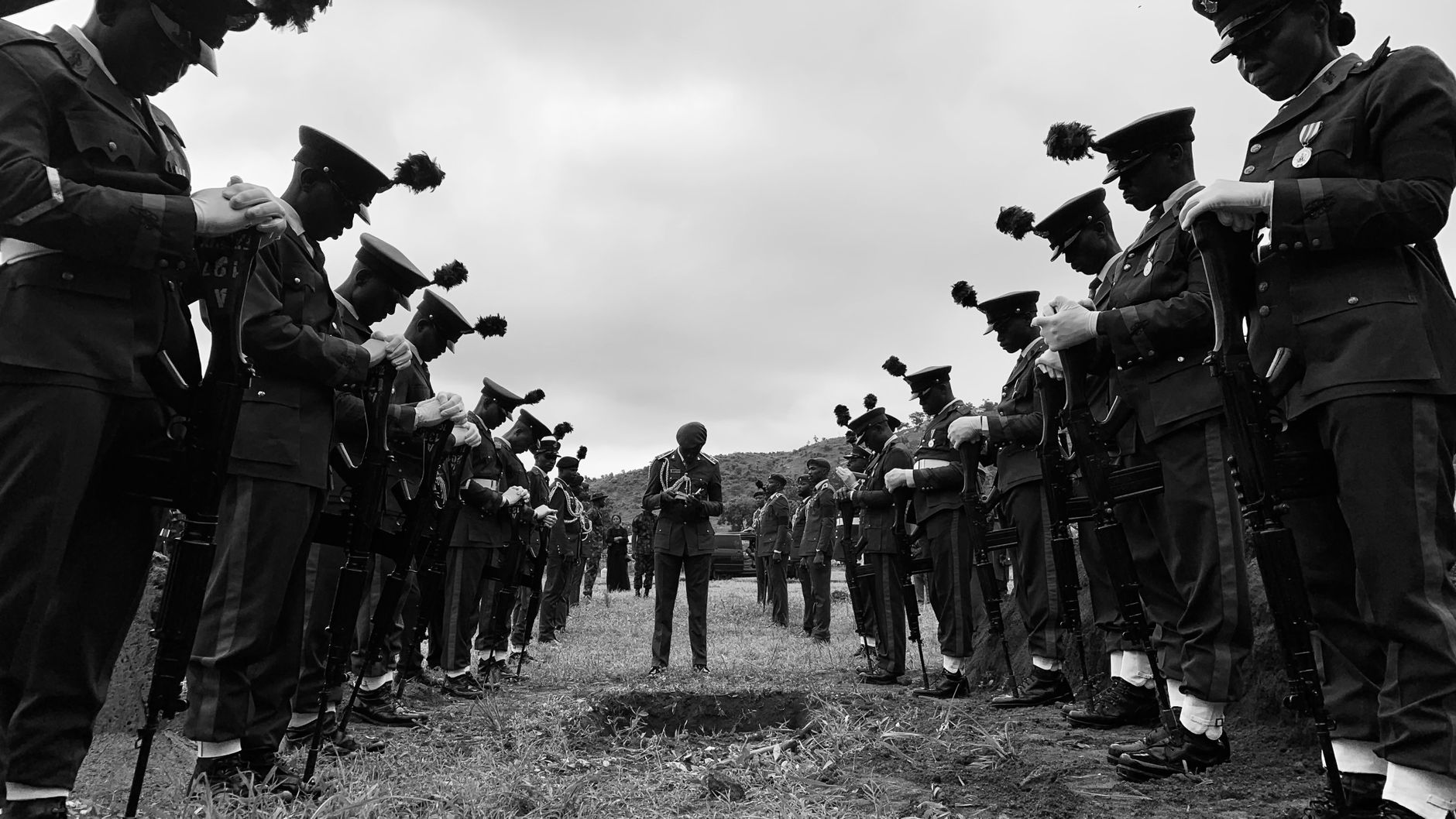
- A U.S. service member was tragically killed in a recent attack, marking a somber escalation in the ongoing regional conflicts and underscoring the severe risks faced by American forces deployed in the Middle East.
- Israel has issued explicit and urgent warnings that Iran's proxy attacks are dangerously close to their borders, signaling a critical phase in the long-standing shadow war between the two nations.
- The United States has condemned the attack that resulted in the troop's death, reiterating its commitment to the safety of its personnel and its allies in the volatile Middle Eastern theater.
- Regional tensions are demonstrably at an all-time high, with various state and non-state actors engaged in a complex web of military actions and retaliations across multiple fronts, from Syria to the Red Sea.
- International diplomatic efforts are reportedly underway, albeit with limited public success, to de-escalate the situation and prevent a full-blown regional war that could have devastating global consequences.
- The precise group responsible for the attack on U.S. forces has been identified, though the full extent of their operational capabilities and direct links to state sponsors remain subjects of intense intelligence analysis.
What We Do Not Know Yet
- The exact nature and scale of the retaliatory measures the U.S. plans to take in response to the death of its service member remain undisclosed, keeping regional actors on edge regarding potential escalation.
- The specific intelligence Israel possesses regarding the imminence and nature of Iran's alleged attacks has not been fully revealed, leaving room for speculation about the immediate threat level.
- Whether the recent U.S. troop death will fundamentally alter Washington's strategic posture in the Middle East, potentially leading to a significant redeployment or increased military presence, is still unclear.
- The full extent of coordination and direct command-and-control between Iran and its various proxy groups involved in recent attacks is not publicly known, complicating attribution and response strategies.
- What specific diplomatic channels are being actively pursued by international bodies to mediate between Israel and Iran, and what progress, if any, is being made towards de-escalation, remains largely opaque.
- How the recent escalation will impact the broader regional alliances and rivalries, particularly among Gulf states and other key players, and whether it will lead to new alignments or deepen existing divides, is an open question.
Background
The Middle East has been a crucible of geopolitical tension for decades, but the current confluence of events marks a particularly perilous period. The U.S. military maintains a significant presence across the region, primarily focused on counter-terrorism operations, safeguarding vital shipping lanes, and supporting regional allies. These deployments often place American forces in close proximity to various conflict zones, making them vulnerable to attacks from state-sponsored militias and extremist groups. The death of a U.S. service member is a stark reminder of the inherent dangers and the sacrifices made in maintaining stability in such a volatile area, often drawing immediate and forceful responses from Washington.
Israel and Iran have been engaged in a protracted shadow war, characterized by cyberattacks, covert operations, and proxy conflicts across the Levant. This rivalry is deeply rooted in ideological differences, regional hegemony aspirations, and the existential threat perceptions each nation holds about the other. Iran supports a network of armed groups, including Hezbollah in Lebanon and various militias in Syria and Iraq, which Israel views as direct threats to its security. These proxies often operate close to Israel's borders, leading to frequent skirmishes and heightened states of alert, with both sides often trading accusations of aggression and destabilization.
Recent months have seen a noticeable intensification of this shadow conflict, fueled by ongoing developments in the broader Israeli-Palestinian conflict and a perceived power vacuum in certain areas. Attacks on shipping in the Red Sea, drone strikes in Iraq and Syria, and cross-border shelling have all contributed to a dangerously escalating cycle of violence. The current warnings from Israel about Iran's proximity to its borders suggest a potential shift from proxy engagements to more direct confrontations, raising the specter of a wider regional conflagration that could draw in international powers and have severe economic and humanitarian repercussions far beyond the immediate conflict zones.
Why It Matters
The death of a U.S. service member is not merely a tragic isolated incident; it carries profound geopolitical implications. It often triggers a robust response from the United States, which could range from targeted retaliatory strikes to a significant recalibration of its military posture in the region. Such actions risk further entangling American forces in an already complex and multi-faceted conflict, potentially drawing the U.S. into direct confrontations with state or non-state actors. This escalation could destabilize global energy markets, disrupt international trade routes, and divert critical diplomatic and military resources away from other pressing global challenges, making the situation a top priority for international policymakers.
Israel's explicit warnings about Iran's proximity signal a critical juncture in the long-standing rivalry between the two nations. Should these warnings materialize into direct attacks, or if Israel perceives an imminent threat requiring pre-emptive action, the region could plunge into an unprecedented level of conflict. A direct military confrontation between Israel and Iran, or its major proxies, would undoubtedly trigger a cascade of retaliations, potentially involving other regional powers and their international backers. The humanitarian cost would be immense, and the ripple effects on global security and economic stability would be catastrophic, impacting everything from oil prices to refugee flows.
Beyond the immediate military implications, the escalating tensions threaten to unravel years of delicate diplomatic efforts aimed at fostering regional stability and promoting peace. The current climate of distrust and aggression makes it incredibly difficult for constructive dialogue to take place, further entrenching animosities and making peaceful resolutions seem increasingly remote. The international community faces a daunting challenge in de-escalating this volatile situation, requiring concerted and coordinated diplomatic pressure, clear communication channels, and a renewed commitment to finding sustainable solutions that address the root causes of conflict and prevent further loss of life.
Timeline of Events
- Early morning, [Date]: A U.S. military base in [Location, e.g., northeastern Syria] comes under a sophisticated drone attack, resulting in significant damage and casualties, including the tragic death of one U.S. service member.
- Hours later, [Date]: The U.S. Central Command (CENTCOM) issues an official statement confirming the attack, identifying the fallen service member, and vowing a swift and decisive response against those responsible for the egregious act.
- Mid-day, [Date]: Israeli intelligence sources begin to leak information to international media outlets, indicating a heightened state of alert regarding potential Iranian-backed attacks originating from neighboring countries, specifically citing increased missile and drone activity.
- Afternoon, [Date]: The Israeli Prime Minister's office releases a public statement, directly warning Tehran that its proxy actions are crossing red lines and that Israel is prepared to defend itself with full force against any direct or indirect aggression.
- Evening, [Date]: The Pentagon holds an emergency press briefing, where officials condemn the attack on U.S. forces and reiterate Washington's unwavering commitment to its allies and its strategic interests in the Middle East, while also hinting at forthcoming retaliatory actions.
- Next day, [Date]: International bodies, including the United Nations Security Council, convene emergency sessions to discuss the escalating regional tensions, with several member states calling for immediate de-escalation and a return to diplomatic engagement to prevent a wider conflict.

Rapid-Fire Q&A
What Is Coming
- Expect a swift and forceful response from the United States against the perpetrators of the attack that killed its service member, likely involving targeted military strikes against identified militia positions and infrastructure.
- Increased rhetoric and potentially further military posturing from both Israel and Iran, as each side seeks to demonstrate resolve and deter further aggression, creating a highly volatile environment.
- Intensified diplomatic efforts from international bodies and key global powers, urging restraint and working to establish de-escalation mechanisms to prevent a full-blown regional war, though success remains uncertain.
- A heightened state of alert for all U.S. forces and allied personnel stationed in the Middle East, with enhanced security measures and readiness protocols implemented across bases and operational zones.
- Potential for further disruptions to global shipping and energy markets, particularly if critical waterways in the region become targets or are deemed unsafe due to escalating military activity.
- A renewed focus on intelligence gathering and sharing among allies to better anticipate and counter future threats, as the nature of proxy warfare and asymmetric attacks continues to evolve rapidly.









Comments
No comments yet. Be the first to comment!