
At a Glance
- A second individual has tragically succumbed to Legionnaires' disease in the ongoing outbreak, intensifying concerns among public health officials and residents alike.
- The New York City Department of Health and Mental Hygiene (DOHMH) has confirmed this latest fatality, underscoring the severe and potentially lethal nature of the bacterial infection.
- The outbreak has now seen a total of 24 confirmed cases, all linked to a specific cluster within the Washington Heights neighborhood of Upper Manhattan, prompting targeted investigations.
- Health authorities are actively investigating potential sources of the Legionella bacteria, with a primary focus on cooling towers and large water systems in the affected area, which are common breeding grounds.
- Residents, particularly those with underlying health conditions or weakened immune systems, are strongly advised to remain vigilant for symptoms and seek immediate medical attention if they experience any signs of illness.
- Public health campaigns are being amplified across Washington Heights to educate the community on prevention strategies, symptom recognition, and the importance of early diagnosis and treatment to mitigate further spread and fatalities.
The Record
The New York City Department of Health and Mental Hygiene (DOHMH) has officially announced a second death linked to the escalating Legionnaires' disease outbreak in Washington Heights. This somber development follows the initial fatality reported just days prior, bringing the total number of confirmed cases to 24. The rapid succession of these severe outcomes underscores the urgent public health crisis unfolding in Upper Manhattan, demanding immediate and comprehensive action from both city officials and the community.
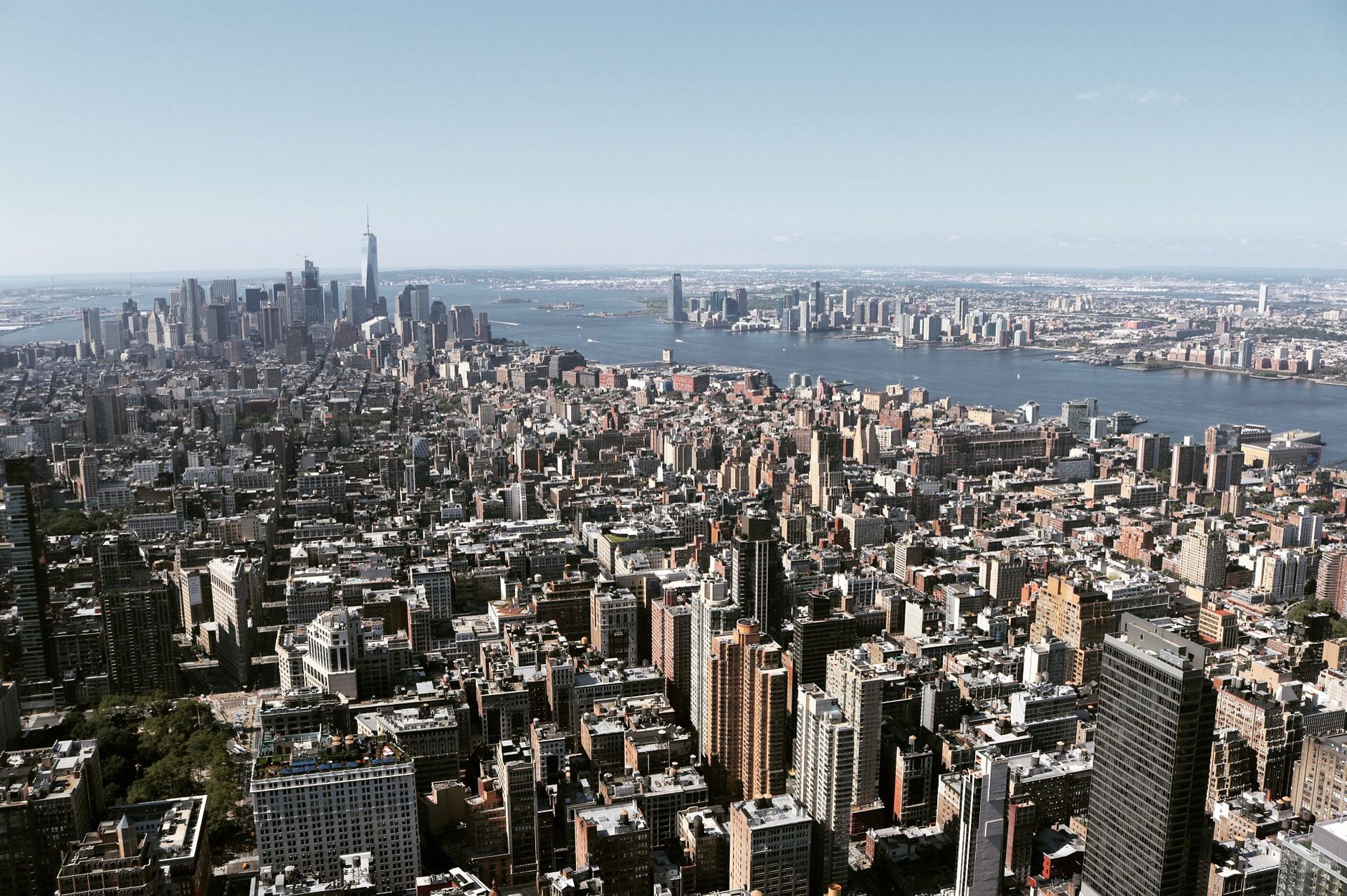
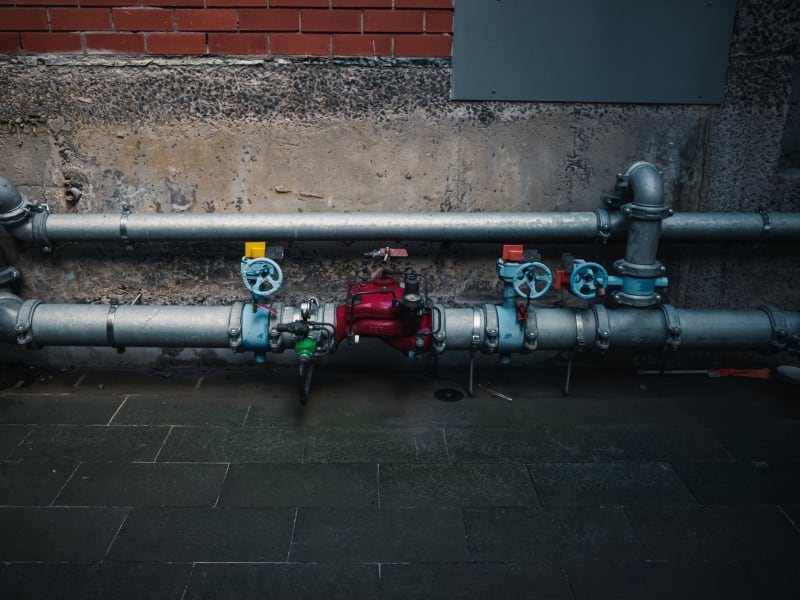
All 24 confirmed cases, including the two tragic fatalities, have been geographically concentrated within the Washington Heights area, specifically between West 175th Street and West 188th Street. This tight clustering strongly suggests a localized source of the Legionella bacteria, which thrives in warm, stagnant water systems. Health investigators are meticulously examining cooling towers, large plumbing systems, and other potential environmental reservoirs that could be aerosolizing the bacteria into the air, where it can then be inhaled by susceptible individuals.
Legionnaires' disease, a severe form of pneumonia, is caused by the Legionella bacterium. While not spread person-to-person, it can be particularly dangerous for older adults, smokers, and individuals with compromised immune systems. The DOHMH is intensifying its efforts to identify and remediate the source, deploying environmental health teams to conduct extensive testing and disinfection protocols. Public awareness campaigns are also being ramped up to inform residents about symptoms, risk factors, and the critical importance of seeking prompt medical care if they experience fever, cough, shortness of breath, or muscle aches.
Who Knew and When
The initial cluster of Legionnaires' cases in Washington Heights began to surface in early July, prompting the New York City Department of Health and Mental Hygiene (DOHMH) to launch an immediate investigation. Health officials were alerted to an unusual increase in pneumonia-like illnesses among residents in a specific geographic area, a critical early warning sign. Epidemiologists and public health experts quickly mobilized to identify common exposures and potential sources, understanding the rapid progression and severity of Legionnaires' disease.
By mid-July, the DOHMH publicly acknowledged the outbreak, confirming multiple cases and the first fatality. This announcement triggered widespread concern among residents and initiated a more intensive phase of the investigation, including widespread environmental sampling of cooling towers. The city's protocol for such outbreaks mandates swift communication with the public, even as the source remains unconfirmed, to ensure residents are aware of the risks and preventative measures. This transparency is crucial for building trust and encouraging community cooperation in disease surveillance.
The confirmation of a second death, reported in late July, further escalated the urgency of the situation. This tragic development underscored the persistent threat posed by the outbreak and the challenges in quickly identifying and neutralizing the source of the bacteria. Health officials continue to work around the clock, collaborating with building owners and community leaders, to contain the spread and protect vulnerable populations. The timeline of events reflects a reactive yet determined effort to manage a complex public health emergency, with each new case and fatality adding pressure to accelerate resolution.
Voices from the Ground
Residents of Washington Heights are grappling with a palpable sense of anxiety following the confirmation of a second Legionnaires' death. Maria Rodriguez, a long-time resident and grandmother, expressed her deep concern: "We're scared. First one death, now two. We need to know what's happening and if our families are truly safe. My neighbor, who is elderly, is now afraid to even open her windows." This sentiment reflects a community on edge, seeking clear, decisive answers and reassurances from health authorities amidst the escalating crisis. The fear of an invisible threat impacting daily life is a heavy burden.
Local community leaders are echoing these calls for transparency and accelerated action. "Our community deserves more than just updates; we need solutions," stated Reverend Thomas Greene of the Washington Heights Community Alliance. "Many of our residents are elderly or have pre-existing health conditions, making them particularly vulnerable. The city must redouble its efforts to pinpoint the source and implement effective remediation strategies immediately. We are organizing informational sessions to help residents understand the risks and what steps they can take to protect themselves, but the ultimate responsibility lies with public health officials to eradicate this threat." This highlights the proactive role community organizations are playing.
Healthcare workers in the area are also reporting an increase in patient inquiries and heightened vigilance. Dr. Elena Petrov, an emergency room physician at a local hospital, noted, "We've seen a noticeable uptick in patients presenting with respiratory symptoms, many of whom are understandably worried about Legionnaires'. While not all are confirmed cases, the heightened awareness is crucial. We are educating patients on symptoms and emphasizing the importance of early diagnosis, especially for high-risk individuals. The emotional toll on the community is significant, and we are doing our best to provide both medical care and reassurance." The medical community is on high alert, preparing for potential increases in cases.
The Debate
The ongoing Legionnaires' outbreak in Washington Heights has ignited a fierce debate regarding the adequacy of current public health regulations and enforcement mechanisms for building water systems. Critics argue that the city's existing laws, particularly those pertaining to cooling tower maintenance and inspection, may not be robust enough to prevent such outbreaks. Some community advocates are calling for more frequent mandatory inspections, stricter penalties for non-compliance, and real-time public disclosure of inspection results to ensure greater accountability from building owners. This perspective emphasizes proactive prevention over reactive response.
Conversely, city officials and some industry representatives contend that New York City already possesses some of the most comprehensive Legionella prevention regulations in the nation, implemented after previous outbreaks. They argue that the challenge lies not necessarily in the laws themselves, but in the sheer scale of the city's infrastructure and the difficulty of perfectly monitoring every single cooling tower and water system. This viewpoint often highlights the complexities of managing an urban environment with thousands of potential sources, suggesting that outbreaks, while tragic, can sometimes be an unavoidable reality despite best efforts. They stress that resources are finite and must be allocated strategically.
The debate also extends to the speed and transparency of communication during public health emergencies. While the DOHMH has provided regular updates, some residents and local politicians believe that initial warnings could have been issued sooner and with greater specificity to the affected neighborhoods. This argument centers on the principle of public's right to know, especially when a potentially fatal disease is circulating. Striking a balance between preventing panic and providing timely, actionable information remains a perennial challenge for public health authorities, and this outbreak has certainly brought that tension to the forefront, prompting calls for a review of communication protocols.
Your Questions Answered
What Accountability Looks Like
Accountability in the context of this Legionnaires' outbreak hinges significantly on the city's ability to swiftly and accurately identify the source of the Legionella bacteria. Once the specific cooling tower or water system responsible is pinpointed, the focus will shift to the building owner or management company. Existing city regulations mandate regular inspection and maintenance of these systems. If negligence or non-compliance with these established protocols is found to be a contributing factor to the outbreak, then severe penalties, including substantial fines and mandatory remediation, should be levied to ensure future adherence and deter similar occurrences.
Beyond immediate penalties, true accountability also involves a thorough review of the city's public health response. This includes evaluating the speed of the initial investigation, the effectiveness of public communication strategies, and the adequacy of resources allocated to outbreak control. A post-outbreak analysis should assess whether any systemic failures in oversight or enforcement contributed to the severity or duration of the crisis. Such a review, conducted transparently and involving independent experts, can lead to crucial policy adjustments and strengthen the city's capacity to prevent and manage future public health threats, demonstrating a commitment to continuous improvement.
Ultimately, accountability must extend to providing support and justice for the affected individuals and their families. This includes ensuring access to comprehensive medical care for those who fell ill and addressing the profound loss experienced by the families of the two fatalities. While no amount of compensation can truly replace a life, transparent processes for claims and support can offer some measure of redress. Furthermore, the city has a responsibility to rebuild trust within the Washington Heights community by demonstrating a clear, unwavering commitment to public safety and by implementing all necessary measures to prevent such a tragic outbreak from ever recurring.












Comments
No comments yet. Be the first to comment!