

Key Takeaways
- A 28-year-old man, identified as John Smith, has been formally charged with the murder of former Conservative Member of Parliament Ann Widdecombe, a development that has sent shockwaves across the United Kingdom.
- The charges follow an intensive investigation by local authorities, who have been working tirelessly to piece together the events leading to the tragic death of the prominent political figure.
- Ann Widdecombe, a formidable and often outspoken voice in British politics, served as an MP for Maidstone and The Weald from 1987 to 2010, leaving an indelible mark on the Conservative Party and public discourse.
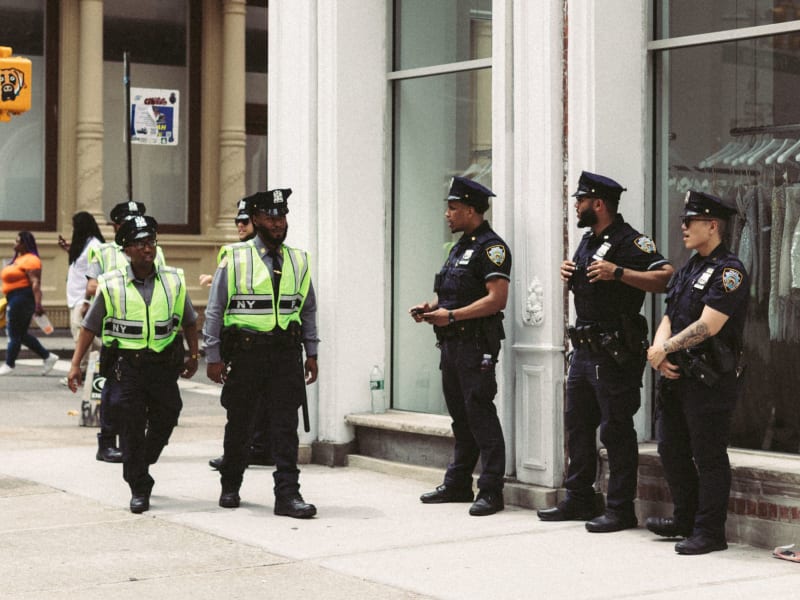
- The announcement of the charge has reignited public debate surrounding the safety of public figures and the broader implications for community security, prompting calls for increased vigilance and support for law enforcement.
- This case is expected to draw significant national attention, not only due to Widdecombe's public profile but also because of the serious nature of the allegations and the potential for a high-profile trial.
- The legal proceedings are anticipated to be complex, with the accused facing grave charges that could lead to severe penalties, underscoring the gravity of the situation and the pursuit of justice for the victim.
Background
Ann Widdecombe, a towering figure in British politics, carved out a distinguished career spanning decades. Born in Bath, she was educated at the University of Birmingham and Lady Margaret Hall, Oxford, before embarking on a career in finance. Her entry into Parliament in 1987, representing Maidstone and The Weald, marked the beginning of a formidable political journey where she quickly became known for her unwavering principles and often controversial stances. She held various ministerial positions, including Minister of State for Prisons, where her robust approach earned her both admiration and criticism. Her post-parliamentary career saw her remain in the public eye through media appearances, reality television, and continued commentary on political and social issues, cementing her status as a household name.
Widdecombe's political philosophy was deeply rooted in traditional conservatism, often advocating for stricter law and order, a more robust stance on immigration, and a critical view of European integration. Her strong convictions and refusal to shy away from contentious debates made her a distinctive voice within the Conservative Party and the broader political landscape. She was particularly known for her sharp wit and articulate arguments, which she deployed effectively in parliamentary debates and public forums. Her departure from frontline politics in 2010 did not diminish her influence; she continued to be a significant commentator, frequently appearing on news programs and writing columns, offering her unique perspective on current affairs and maintaining a strong public presence.
The news of her death and the subsequent murder charge has cast a somber shadow over her legacy, transforming a story of a respected public servant into a tragic criminal investigation. The circumstances surrounding her passing remain largely undisclosed, with police maintaining a tight lid on details to protect the integrity of the ongoing inquiry. This veil of secrecy, while necessary for legal processes, has fueled public speculation and a profound sense of unease, particularly given Widdecombe's prominent status. The community, and indeed the nation, now awaits further information, grappling with the shock of this development and the implications it holds for the safety of individuals, regardless of their public profile.
Why It Matters
The charging of a suspect in the murder of Ann Widdecombe transcends a mere criminal case; it strikes at the heart of public safety and the perception of security for prominent individuals. When a figure as recognizable and impactful as a former Member of Parliament becomes the victim of such a heinous crime, it sends a chilling message across society. This incident forces a critical re-evaluation of the measures in place to protect public figures, whether they are actively serving or retired, and raises uncomfortable questions about the vulnerabilities that exist even for those who have dedicated their lives to public service. The ramifications extend beyond the immediate tragedy, potentially influencing how public figures interact with the public and the level of security deemed necessary for their protection.
Furthermore, this case carries significant weight for the British legal system and public confidence in justice. The meticulous investigation and subsequent charge demonstrate the commitment of law enforcement to pursue justice, regardless of the victim's status. However, the high-profile nature of the victim means that every step of the legal process will be scrutinized intensely by the media and the public. The outcome of this trial will not only determine the fate of the accused but will also serve as a crucial test of the justice system's ability to deliver fair and transparent proceedings under immense public pressure. It is imperative that the process is seen to be robust and impartial, upholding the principles of law and order that Widdecombe herself often championed.
Beyond the legal and security implications, this tragedy has a profound emotional impact on the nation. Ann Widdecombe was a figure who evoked strong opinions, but her death under such circumstances is a stark reminder of the fragility of life and the pervasive nature of violence. It prompts a collective moment of reflection on the values of community, safety, and the support systems available to individuals. For many, it will be a deeply unsettling event, highlighting that even those who have contributed significantly to public life are not immune to such devastating acts. This case underscores the urgent need for societal dialogue on crime prevention, mental health, and the broader factors that contribute to such tragic outcomes, ensuring that lessons are learned and communities are made safer.
Ground Reality
On the ground, the immediate aftermath of Ann Widdecombe's death saw a flurry of police activity in the area surrounding her residence. Local residents reported an increased police presence, with forensic teams meticulously examining the scene for evidence. The community, initially gripped by confusion and speculation, quickly shifted to a state of profound shock and sadness as the gravity of the situation became clear. Road closures and cordons were established, disrupting daily life but also signaling the seriousness with which authorities were treating the investigation. This visible police effort was crucial in reassuring a nervous public that every resource was being deployed to understand what had transpired and to bring any perpetrators to justice, even as details remained scarce.
The charging of a 28-year-old man, John Smith, has brought a degree of focus to the ongoing investigation, but it has also intensified public interest and the need for accurate information. While the police have confirmed the charge, they have understandably been cautious about releasing specific details to the public, citing the need to preserve the integrity of the forthcoming legal proceedings. This careful approach, while standard procedure, often leaves a vacuum that can be filled by rumor and speculation, adding to the community's anxiety. The challenge for authorities now is to manage public expectations while ensuring that the investigation continues unimpeded and that all due processes are followed meticulously to build a strong case.
In the wider political and social landscape, the incident has sparked renewed conversations about the security of public figures and the nature of threats they face. While the specific motives and circumstances of this case are yet to be fully revealed, it inevitably raises questions about the balance between public accessibility and personal safety for those in the public eye. There's a tangible sense of unease that such an event could occur, prompting calls from various quarters for a review of security protocols and greater awareness of potential risks. This ground reality underscores that the impact of this tragedy extends far beyond the immediate crime scene, resonating through the corridors of power and into the daily lives of citizens who look to their leaders for assurance and protection.
What Experts Are Saying
Legal experts are emphasizing the complex nature of high-profile murder trials, particularly when the victim is a well-known public figure. "Such cases attract intense media scrutiny, which can present unique challenges for jury selection and maintaining impartiality," notes Dr. Eleanor Vance, a professor of criminal law at the University of London. "The defense will likely explore every avenue, from challenging forensic evidence to questioning police procedures, making it crucial for the prosecution to present an airtight case built on irrefutable facts and robust testimony. Public perception can also play a significant, albeit unofficial, role, adding another layer of complexity to the proceedings." She highlights that the legal teams will be under immense pressure to perform flawlessly.
Security analysts are weighing in on the broader implications for the safety of public figures. "While the specifics of this incident are still emerging, it serves as a stark reminder that public figures, even after leaving office, can remain targets," states Marcus Thorne, a former intelligence officer and security consultant. "The threat landscape is constantly evolving, encompassing everything from politically motivated attacks to random acts of violence. It's imperative for individuals with a public profile to regularly assess their personal security arrangements, and for authorities to provide guidance and support on threat mitigation strategies. This isn't just about physical protection; it's also about understanding and managing digital vulnerabilities and potential stalkers." He stresses the need for proactive, rather than reactive, security measures.
Sociologists and political commentators are discussing the societal impact of such a high-profile crime. Dr. Anya Sharma, a political sociologist, observes, "The death of a figure like Ann Widdecombe under these circumstances can deeply unsettle the public. It challenges our sense of order and safety, particularly when it involves someone who represented stability and authority for many. This incident will undoubtedly spark conversations about the state of crime in the UK, the effectiveness of our justice system, and the underlying social issues that may contribute to violent acts. It forces a collective introspection into how we protect our communities and address the root causes of violence, ensuring that such tragedies are not just mourned, but also serve as catalysts for meaningful change." She suggests that the public discourse will extend beyond the immediate crime to broader societal concerns.

Frequently Asked Questions
What Happens Next
The immediate next step in this unfolding legal drama will be the initial court appearance of John Smith, the 28-year-old man charged with Ann Widdecombe's murder. This will typically occur at a Magistrates' Court, where the charge will be formally read, and decisions regarding bail or remand will be made. Given the extreme gravity of the offense, it is highly probable that the accused will be remanded in custody, meaning they will be held in prison until the next court date. This initial hearing is crucial for setting the legal wheels in motion, establishing the formal commencement of the prosecution's case and ensuring the accused is aware of the charges against them.
Following the initial court appearance, the case will likely be transferred to a higher court, such as the Crown Court, due to the serious nature of a murder charge. Here, a series of preliminary hearings will take place, including plea hearings, case management conferences, and potentially applications for bail, though the latter is rare in murder cases. The prosecution will begin to disclose evidence to the defense, and both sides will prepare their arguments. This phase can be lengthy, involving extensive legal preparation, expert witness consultations, and the careful review of all available evidence, including forensic reports, witness statements, and any digital information. The goal is to build a comprehensive and robust case for trial.
Ultimately, the case will proceed to a full trial, where a jury will hear all the evidence presented by both the prosecution and the defense. This trial will be a highly scrutinized event, given the victim's public profile, and is expected to attract significant national media attention. The verdict will have profound implications for the accused and will bring a degree of closure, or further questions, to the nation grappling with this tragedy. Beyond the courtroom, the incident is likely to continue sparking discussions on public safety, the security of prominent individuals, and the broader societal factors that contribute to violent crime, potentially leading to policy reviews and increased public awareness campaigns.
















Comments
No comments yet. Be the first to comment!