

What We Know
- A US service member tragically lost their life during a controlled detonation operation in Syria, underscoring the inherent risks involved in military operations.
- The incident occurred while forces were disposing of an Iranian-made drone that had been previously shot down, highlighting the persistent threat posed by such unmanned aerial systems.
- The US Central Command (CENTCOM) confirmed the fatality, emphasizing that the service member was killed in action, a designation that carries significant weight and recognition.
- The specific location of the incident was northeastern Syria, a region where US forces maintain a presence as part of ongoing counter-terrorism and stability operations.
- The drone in question was identified as Iranian-made, indicating the continued proliferation of advanced military technology from Iran into various conflict zones.
- An investigation has been launched to determine the precise circumstances that led to this tragic accident, focusing on operational procedures and equipment integrity.
What We Do Not Know Yet
- The exact identity of the fallen service member has not been publicly released, pending notification of their next of kin and adherence to military protocols.
- The specific unit or branch of the military to which the service member belonged remains undisclosed, as do details about their rank or years of service.
- The precise cause of the detonation failure or unforeseen event that led to the fatality is still under investigation, with technical and procedural aspects being examined.
- Whether the drone contained any unexpected or additional explosive components that contributed to the incident is a critical question the investigation will seek to answer.
- The full extent of the damage or any other casualties resulting from the detonation is not yet clear, though initial reports focus on the single fatality.
- The broader implications for US military operations in Syria, particularly regarding protocols for handling downed enemy drones, are yet to be determined following the investigation's findings.
Background
The tragic death of a US service member during the controlled detonation of an Iranian-made drone in northeastern Syria casts a stark light on the persistent dangers faced by American forces operating in the region. This incident is not an isolated event but rather a grim reminder of the complex and often perilous environment where US troops are deployed. For years, US military personnel have been actively engaged in Syria, primarily focused on counter-terrorism operations against remnants of ISIS, as well as supporting local partners in maintaining regional stability. The presence of Iranian-backed groups and their advanced weaponry, including unmanned aerial systems, adds another layer of complexity and risk to these critical missions.
Iranian-made drones have become a significant concern for US and allied forces across the Middle East. These unmanned aerial vehicles (UAVs) are increasingly sophisticated, capable of reconnaissance, surveillance, and even delivering explosive payloads. Their proliferation to various non-state actors and proxies has complicated regional security dynamics, posing a direct threat to military installations and personnel. The downing of this particular Iranian drone, prior to its controlled detonation, underscores the ongoing efforts by US forces to neutralize these threats and protect their operational integrity. The incident highlights the critical importance of robust intelligence gathering and defensive capabilities against such advanced adversaries.
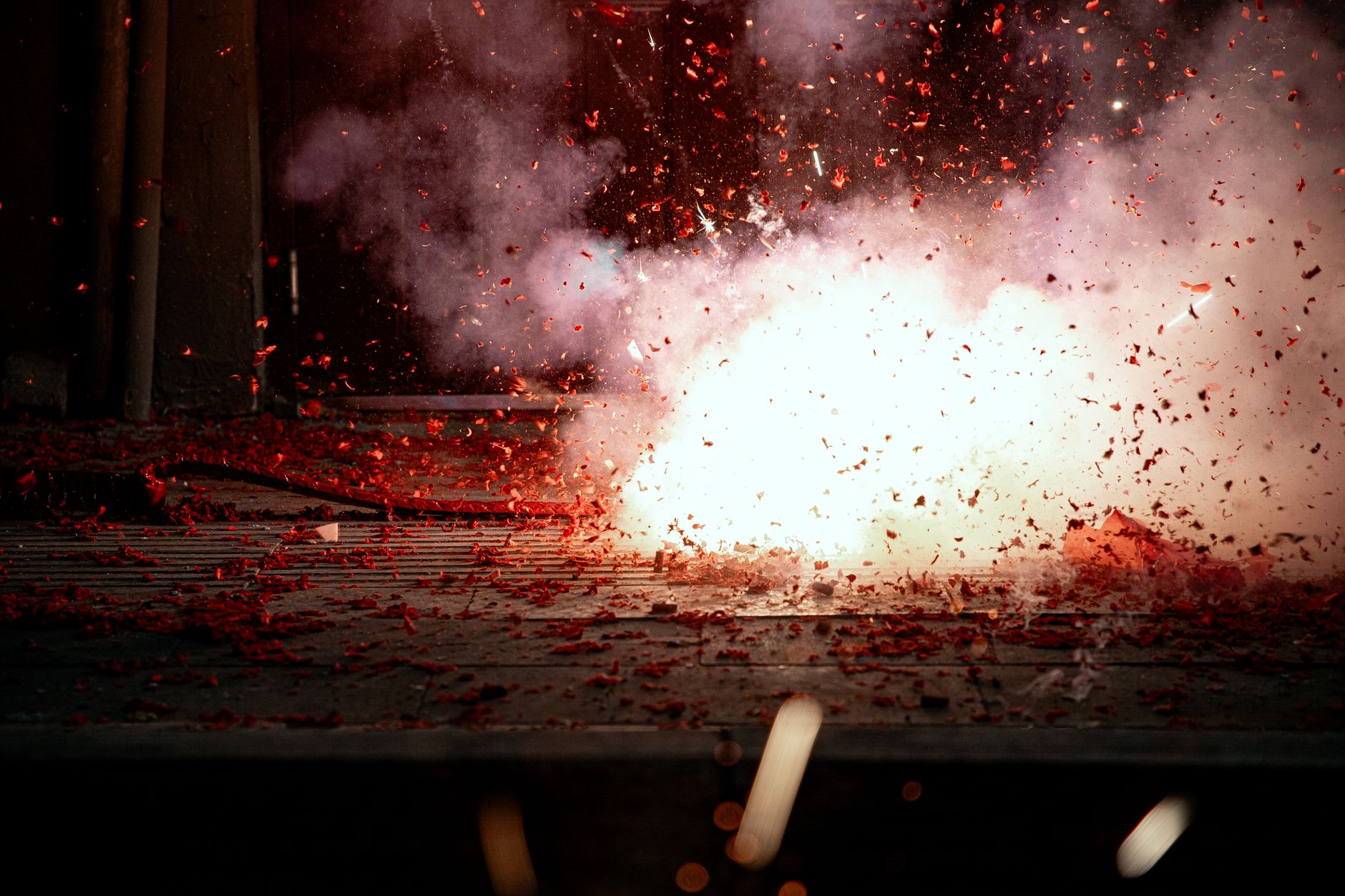
Controlled detonations are standard procedures for safely neutralizing explosive ordnance, including downed drones that may still contain hazardous materials or unexploded munitions. These operations are meticulously planned and executed by highly trained specialists, often in remote locations to minimize risk to personnel and civilians. However, even with the most stringent protocols, unforeseen circumstances can arise, leading to tragic outcomes. This incident will undoubtedly prompt a thorough review of existing procedures, equipment, and training to identify any potential vulnerabilities and prevent similar tragedies in the future. The safety of service members remains paramount, and every lesson learned from such an event is crucial for enhancing operational security.
Why It Matters
This tragic loss of a US service member during a controlled detonation operation in Syria reverberates far beyond the immediate incident. It underscores the profound and continuous sacrifices made by military personnel in the line of duty, often in missions that receive little public attention. The death serves as a stark reminder of the inherent dangers associated with military operations, even those deemed routine or controlled. It highlights the human cost of maintaining security and stability in volatile regions, demanding somber reflection on the responsibilities and risks borne by those who serve. The nation mourns this loss, and the incident will undoubtedly spark renewed conversations about troop deployments and the safety of our forces abroad.
Furthermore, the incident brings into sharp focus the escalating threat posed by advanced weaponry, particularly Iranian-made drones, in the Middle East. The fact that a US service member was killed while disposing of such a drone underscores the lethality and sophistication of these systems. This event will likely prompt an intensified focus on counter-UAV technologies and tactics, as well as a deeper examination of the supply chains that enable the proliferation of these weapons to various state and non-state actors. The incident serves as a critical data point in understanding the evolving nature of modern warfare and the challenges faced by forces operating against technologically capable adversaries.
Finally, the ongoing investigation into the circumstances of this fatality is paramount. The findings will not only provide closure to the family of the fallen service member but will also be instrumental in informing future operational protocols, training regimens, and equipment upgrades. Every detail uncovered can contribute to preventing similar tragedies and enhancing the safety of military personnel globally. This incident is a harsh lesson that even in controlled environments, vigilance and continuous improvement are absolutely essential. It reinforces the critical need for constant adaptation and learning in the face of complex and unpredictable threats.
Timeline of Events
- Prior to the incident, US forces in northeastern Syria successfully intercepted and downed an Iranian-made drone, neutralizing an immediate aerial threat.
- Following the drone's downing, military specialists initiated preparations for a controlled detonation to safely dispose of the wreckage and any potential explosive components.
- On an unspecified date, a US service member was tragically killed during the controlled detonation operation, indicating an unforeseen and catastrophic event during the procedure.
- Immediately after the incident, emergency protocols were activated, and an investigation was promptly launched by military authorities to ascertain the exact cause of the fatality.
- US Central Command (CENTCOM) issued an official statement confirming the death of the service member, categorizing it as 'killed in action' and initiating notification procedures for the next of kin.
- The investigation is currently ongoing, involving forensic analysis of the site, review of operational procedures, and examination of all available evidence to determine the precise sequence of events.
Rapid-Fire Q&A
What Is Coming
- The US military will continue its thorough investigation into the precise circumstances that led to the service member's death, with findings expected to inform future operational safety protocols.
- There will likely be a detailed review of existing procedures for handling and detonating captured or downed enemy drones, potentially leading to updated guidelines and enhanced training for EOD teams.
- The incident may prompt further discussions within military and intelligence circles regarding the evolving threat posed by Iranian-made drones and the need for advanced countermeasures.
- Public and congressional scrutiny may increase regarding the safety of US forces deployed in Syria and other conflict zones, potentially leading to calls for greater transparency or policy adjustments.
- The family of the fallen service member will receive full military honors and support, and the identity of the service member may be released publicly after appropriate notifications are completed.
- The broader geopolitical implications of Iran's drone proliferation will continue to be a focal point, with potential diplomatic or strategic responses being considered by the US and its allies.










Comments
No comments yet. Be the first to comment!