
What We Know
- Former President Trump delivered a prime-time address where he reiterated unsubstantiated claims regarding the integrity of past U.S. elections, specifically targeting the 2020 presidential results.
- His speech included broad accusations of widespread voter fraud, ballot manipulation, and systemic irregularities, despite numerous state and federal courts, as well as independent audits, finding no evidence to support these assertions.
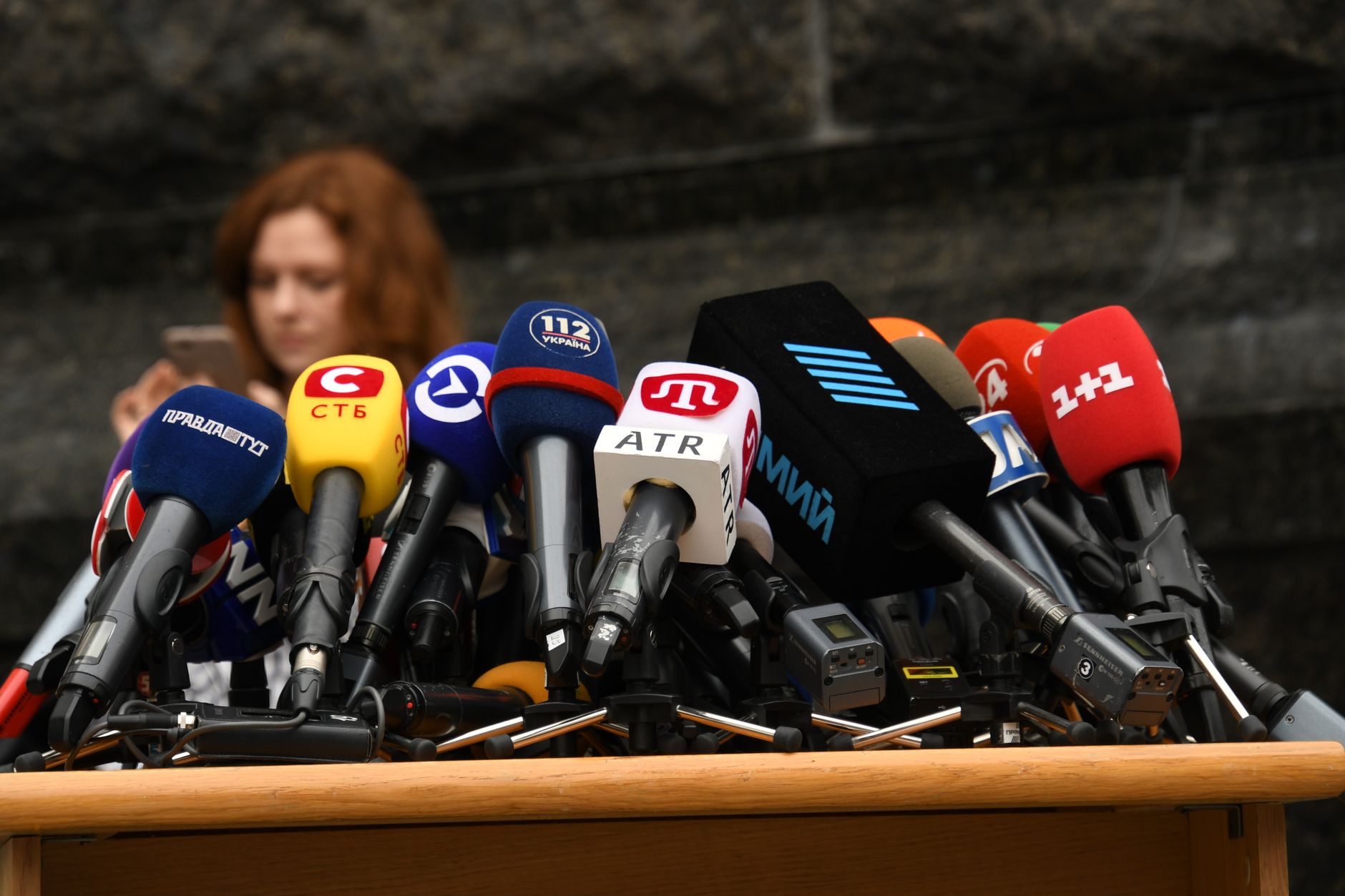
- The address was broadcast across major news networks, ensuring a wide reach for his message, which has been consistently challenged by election officials from both political parties.
- Trump's rhetoric directly contradicts findings from his own administration's Department of Homeland Security, which declared the 2020 election 'the most secure in American history.'
- Key figures within the Republican Party have either distanced themselves from or openly condemned Trump's continued propagation of election falsehoods, acknowledging the potential damage to democratic institutions.
- The former President's statements have consistently fueled a narrative among a segment of the electorate that elections are inherently rigged, leading to a significant decline in trust in democratic processes.
What We Do Not Know Yet
- The full long-term impact of Trump's sustained rhetoric on voter turnout and participation in future elections, particularly among those who believe his claims, remains to be seen.
- Whether his repeated challenges to election legitimacy will translate into concrete policy changes at the state or federal level, such as stricter voting laws or altered election administration procedures, is still uncertain.
- The extent to which Republican candidates in upcoming elections will embrace or reject Trump's election fraud narrative, and how this stance will affect their electoral success, is an open question.
- How international allies and adversaries perceive the stability of American democracy in light of a former president consistently questioning its electoral foundations is not yet fully understood.
- The specific strategies that election integrity groups and governmental bodies will deploy to counter misinformation and rebuild public trust in the electoral system are still being developed and refined.
- Whether a definitive, bipartisan consensus can be reached on the security and fairness of U.S. elections, effectively neutralizing the impact of these persistent doubts, remains an ongoing challenge.
Background
The controversy surrounding election integrity did not begin with this recent address but has been a recurring theme since the 2020 presidential election. Following his defeat, former President Trump launched an unprecedented campaign to challenge the results, alleging widespread fraud without presenting credible evidence. This campaign involved numerous lawsuits, public statements, and pressure on state election officials, all of which ultimately failed to overturn the election outcome. His persistent claims have created a deep rift in American political discourse, with a significant portion of the population believing the election was stolen, despite overwhelming evidence to the contrary from election officials, courts, and independent audits.
This sustained narrative of a 'rigged election' has had profound implications for the public's perception of democratic institutions. It has eroded trust in the electoral process, a cornerstone of any functioning democracy, and has fueled partisan divisions to an alarming degree. The repeated assertions of fraud, even after being debunked, resonate with a base that feels disenfranchised and distrustful of mainstream media and governmental bodies. This environment makes it increasingly difficult for factual information about election security and administration to penetrate, creating an echo chamber where misinformation thrives and becomes entrenched.
Historically, challenges to election results have occurred, but rarely with such a sustained and broad-reaching effort to delegitimize the entire process. The U.S. electoral system, while not without its imperfections, has robust mechanisms for verification, recounts, and legal challenges. The systemic nature of Trump's claims, however, goes beyond individual disputes, suggesting a fundamental breakdown of the system itself. This has forced election officials nationwide to not only perform their duties but also to actively defend the integrity of their work against a relentless barrage of unsubstantiated accusations, diverting resources and attention from other critical aspects of election administration.
Why It Matters
The former President's continued efforts to sow doubt about the integrity of U.S. elections are not merely political rhetoric; they represent a direct assault on the foundational principles of American democracy. When a significant portion of the populace loses faith in the fairness and accuracy of their elections, the legitimacy of elected officials and the very system of governance comes under severe threat. This erosion of trust can lead to decreased civic participation, increased political instability, and a greater willingness to accept authoritarian solutions, fundamentally altering the fabric of our republic. The implications extend far beyond any single election, potentially undermining the peaceful transfer of power for generations.
Furthermore, these unsubstantiated claims create a dangerous precedent for future elections. By normalizing the idea that election results are inherently suspect unless they favor a particular outcome, it becomes increasingly difficult for any election to be accepted as legitimate by all sides. This environment breeds cynicism and encourages a 'winner-take-all' mentality that can escalate political tensions and even incite violence, as witnessed during the January 6th Capitol riot. The constant questioning of electoral processes also distracts from genuine policy debates and the critical work of governing, diverting national attention and resources to defending basic democratic functions.
The international standing of the United States as a beacon of democracy is also significantly impacted. When a former U.S. President repeatedly undermines his own country's electoral system, it provides ammunition for authoritarian regimes globally to dismiss democratic norms and processes. It weakens America's ability to advocate for human rights and free and fair elections abroad, as its own internal divisions and doubts are highlighted. This global perception shift can have tangible consequences for diplomatic relations, alliances, and the broader struggle between democratic and autocratic systems worldwide, making the domestic debate resonate on a much larger, global stage.
Timeline of Events
- November 3, 2020: Election Day sees widespread voting, including a significant increase in mail-in ballots due to the COVID-19 pandemic, which Trump immediately begins to criticize.
- November 4-7, 2020: As vote counting continues, Trump and his campaign launch numerous lawsuits in key swing states, alleging fraud and demanding recounts, none of which gain significant legal traction.
- November 19, 2020: Trump's legal team holds a press conference making outlandish claims of a vast conspiracy to rig the election, which are widely debunked by legal experts and journalists.
- December 14, 2020: The Electoral College formally casts its votes, confirming Joe Biden as the winner of the presidential election, despite ongoing challenges from Trump and his allies.
- January 6, 2021: A rally in Washington D.C., where Trump speaks, precedes a violent insurrection at the U.S. Capitol, with rioters seeking to prevent the certification of the election results.
- January 20, 2021: Joe Biden is inaugurated as the 46th President of the United States, marking the peaceful transfer of power despite Trump's continued refusal to concede the election.
- Throughout 2021-2023: Trump continues to hold rallies and issue statements reiterating his claims of a stolen election, maintaining a consistent narrative of electoral malfeasance.
- Recent Prime-Time Address: Trump delivers a televised address, once again using a national platform to amplify his unsubstantiated claims about the integrity of past U.S. elections, reigniting public debate.

Rapid-Fire Q&A
What Is Coming
- Expect continued rhetoric from former President Trump and his allies regarding election integrity, particularly as the next presidential election cycle approaches, keeping the issue at the forefront of political discourse.
- Increased legislative efforts at the state level to either tighten voting laws in response to fraud claims or to expand voting access, leading to ongoing legal and political battles over election administration.
- A heightened focus on election security and misinformation campaigns from both governmental agencies and non-profit organizations, aiming to educate the public and protect the electoral process from undue influence.
- Potential for more aggressive fact-checking and content moderation policies from social media platforms and news organizations in an attempt to curb the spread of election-related falsehoods.
- Ongoing debates within the Republican Party about how to address Trump's influence and his election claims, which could shape primary contests and the party's platform for future elections.
- Increased civic engagement and activism from groups dedicated to protecting voting rights and ensuring fair elections, likely leading to more organized efforts to counter voter suppression and misinformation.















Comments
No comments yet. Be the first to comment!