


Key Takeaways
- A confirmed outbreak of Legionnaires' disease has been identified in a specific area of New York City, leading to serious public health concerns and requiring immediate attention from residents.
- Tragically, one individual has succumbed to the illness, underscoring the severe and potentially fatal nature of Legionnaires' disease, particularly for vulnerable populations.
- Health officials are actively investigating the source of the outbreak, with a strong focus on identifying and mitigating contaminated water systems, which are the primary vector for Legionella bacteria.
- Residents, especially those with weakened immune systems, chronic lung disease, or who are elderly, are advised to be acutely aware of symptoms such as fever, cough, and muscle aches, and to seek medical attention promptly if they experience them.
- The New York City Department of Health and Mental Hygiene has issued comprehensive guidelines and recommendations to help prevent further spread and protect the community from this bacterial infection.
- Public awareness and adherence to health advisories are crucial in containing the outbreak and minimizing its impact, as early detection and treatment significantly improve patient outcomes.
Background
Legionnaires' disease is a severe form of pneumonia caused by the Legionella bacterium, which thrives in warm, stagnant water. While not spread person-to-person, it is contracted by inhaling microscopic water droplets containing the bacteria, often from contaminated cooling towers, hot tubs, or large plumbing systems. The disease can manifest with symptoms similar to other types of pneumonia, including cough, shortness of breath, high fever, muscle aches, and headaches. The incubation period typically ranges from 2 to 10 days, making it challenging to pinpoint the exact exposure source immediately.
New York City has a history of Legionnaires' outbreaks, particularly during warmer months when cooling towers are in heavy use. The city has established robust protocols for cooling tower maintenance and inspection following previous incidents, aiming to prevent such outbreaks. These regulations mandate regular cleaning, disinfection, and testing of cooling towers to ensure they do not become breeding grounds for Legionella. Despite these measures, isolated outbreaks can still occur, highlighting the persistent challenge of managing environmental pathogens in a dense urban environment.
The current outbreak underscores the critical importance of public health surveillance and rapid response mechanisms. When an outbreak is identified, health authorities move swiftly to investigate potential sources, notify the public, and implement control measures. This includes sampling water sources, identifying affected individuals, and providing guidance to healthcare providers. The goal is always to contain the spread, treat those infected, and prevent future occurrences through targeted interventions and enhanced preventative strategies.
Why It Matters
The tragic death of one individual from Legionnaires' disease in New York City is a stark reminder of the serious public health threat posed by this often-underestimated bacterial infection. While many people recover, Legionnaires' can be fatal, especially for the elderly, individuals with compromised immune systems, or those with underlying health conditions. This fatality elevates the urgency of the situation, transforming a localized cluster into a critical concern that demands immediate and comprehensive action from both public health officials and the community at large.
Beyond the immediate health risks, an outbreak of Legionnaires' disease can erode public trust and create widespread anxiety. Residents rely on city infrastructure and public health oversight to protect them from preventable illnesses. When an outbreak occurs, it raises questions about the effectiveness of existing regulations and monitoring systems, potentially leading to public apprehension about everyday activities, such as using public water systems or being near buildings with cooling towers. Restoring confidence requires transparent communication and decisive action.
Economically, outbreaks can also have significant repercussions. Investigations, remediation efforts, and public awareness campaigns require substantial resources. Furthermore, businesses in affected areas might experience reduced patronage due to public fear, impacting local economies. For individuals, the disease can lead to prolonged hospital stays, extensive medical treatments, and long-term health complications, imposing considerable personal and financial burdens. Therefore, proactive prevention and swift containment are not just health imperatives but also economic and social necessities for a thriving urban center.
Ground Reality
On the ground in the affected New York City neighborhood, a palpable sense of concern has emerged. While health officials have not yet disclosed the exact location of the outbreak, residents in surrounding areas are understandably on edge, scrutinizing local water sources and paying closer attention to any respiratory symptoms. Local community centers and clinics are reporting an uptick in inquiries about Legionnaires' disease, with many residents seeking clarity on prevention and early detection. This heightened awareness, while crucial, also underscores the stress and uncertainty that such an outbreak can impose on daily life.
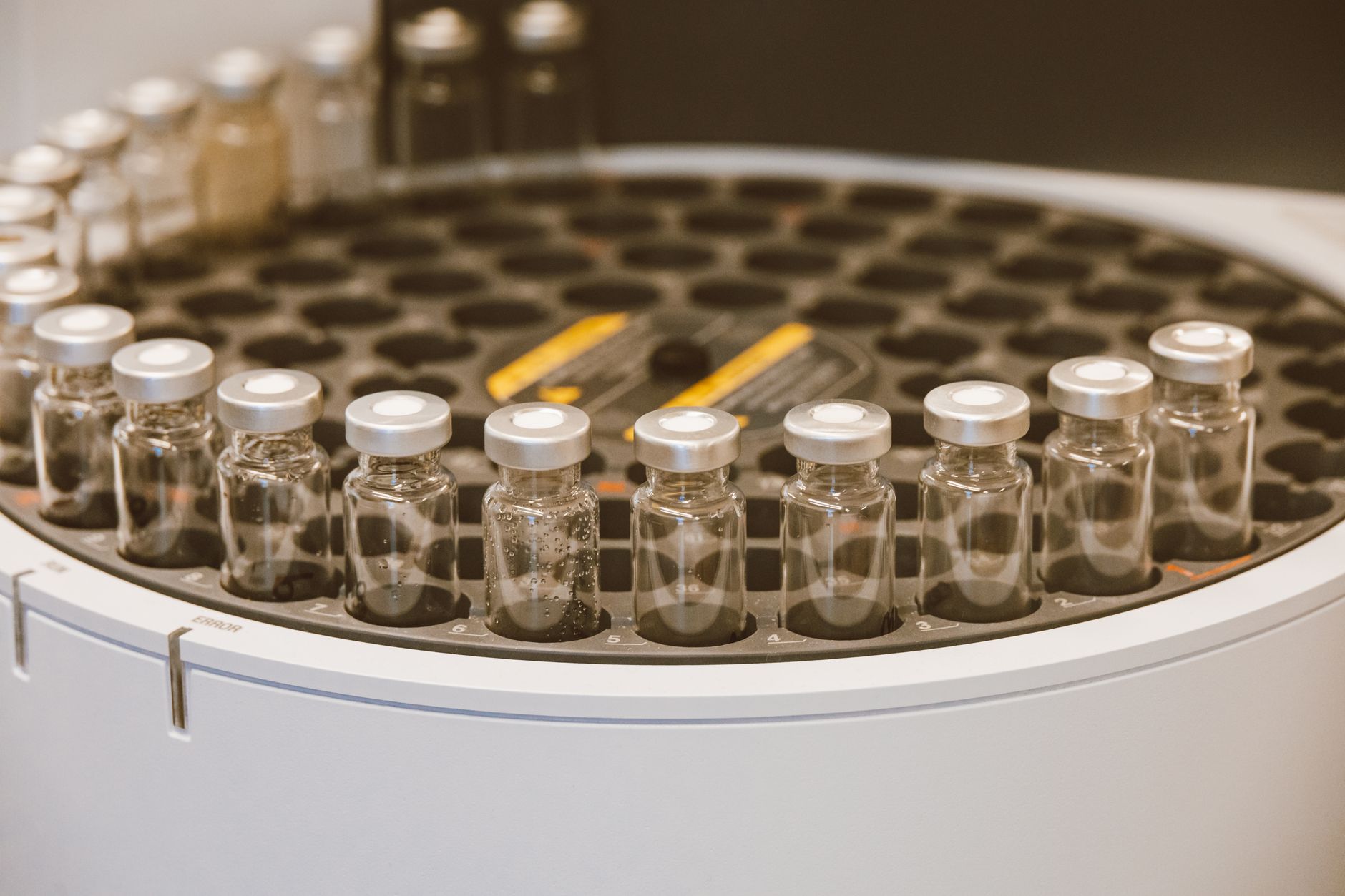
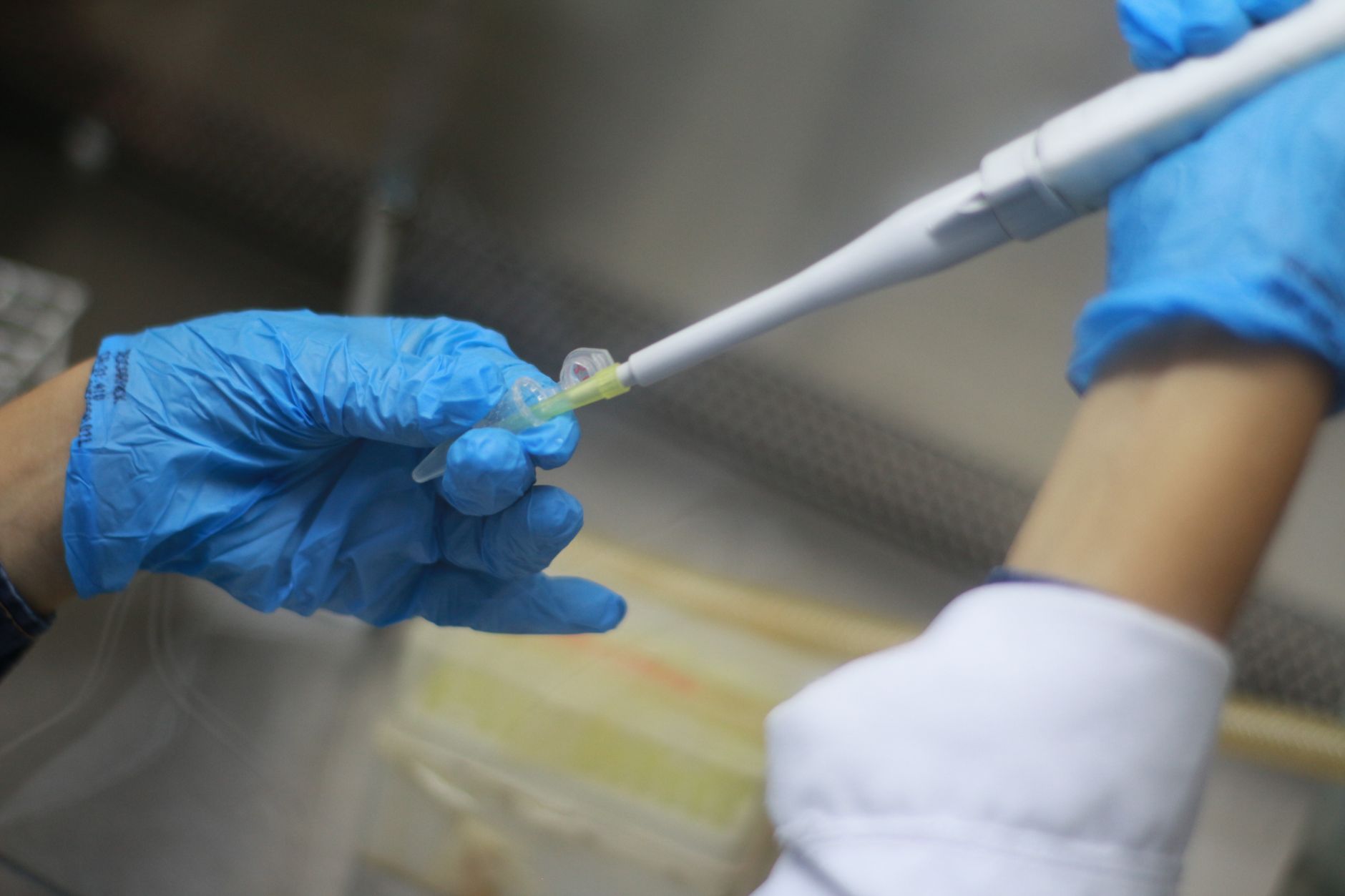
Health department teams are actively engaged in rigorous environmental investigations, meticulously sampling water from cooling towers and other potential sources within the suspected cluster area. This painstaking process involves identifying all buildings with cooling systems, conducting detailed inspections, and collecting samples for laboratory analysis to pinpoint the exact source of the Legionella bacteria. The speed and thoroughness of this investigation are paramount, as every day that passes without identifying the source increases the potential for further exposure and illness within the community.
For healthcare providers in the city, the ground reality means an increased vigilance for patients presenting with pneumonia-like symptoms. Doctors are being reminded to consider Legionnaires' disease in their differential diagnoses, especially for patients residing in or having recently visited the affected areas. This often involves specific diagnostic tests, such as urine antigen tests, to confirm the presence of Legionella. Early diagnosis and appropriate antibiotic treatment are critical for improving patient outcomes and reducing the severity of the illness, making rapid communication between public health and clinical sectors absolutely essential.
What Experts Are Saying
Public health experts emphasize that while Legionnaires' disease can be severe, it is preventable. Dr. Lena Wen, an emergency physician and public health professor, highlighted the importance of robust building management practices. "Cooling towers, decorative fountains, and large plumbing systems are common culprits. Regular maintenance, cleaning, and disinfection protocols are not just recommendations; they are critical public health interventions," she stated. "Cities like New York have stringent regulations, but continuous vigilance and enforcement are key to preventing these outbreaks, especially as infrastructure ages and climate patterns shift."
Environmental microbiologists are stressing the complexity of identifying the exact source in urban environments. Dr. Michael Osterholm, director of the Center for Infectious Disease Research and Policy, noted, "Legionella is ubiquitous in natural water sources, but it becomes a threat when it amplifies in man-made systems and aerosolizes. Pinpointing the specific cooling tower or water system responsible in a dense city can be like finding a needle in a haystack, requiring sophisticated epidemiological tracking and rapid laboratory testing." He added that public cooperation in reporting symptoms is vital for mapping the outbreak's spread.
Infectious disease specialists are also weighing in on the clinical management of the disease. Dr. Anthony Fauci, former director of NIAID, commented, "Early recognition and prompt initiation of appropriate antibiotic therapy, typically macrolides or fluoroquinolones, are crucial for improving patient outcomes. Healthcare providers must maintain a high index of suspicion for Legionnaires' disease in patients presenting with pneumonia, particularly those with risk factors or residing in affected areas." He underscored that while the disease can be serious, most individuals who receive timely treatment make a full recovery, reinforcing the importance of public awareness and seeking medical attention.

Frequently Asked Questions
What Happens Next
The immediate priority for New York City health officials is to conclusively identify the source of the Legionella contamination. This involves intensive environmental sampling and testing of cooling towers and other water systems within the identified cluster area. Once a source is pinpointed, immediate remediation measures, including cleaning and disinfection, will be implemented to eliminate the bacteria and prevent further exposures. This process is often complex and time-consuming, requiring meticulous investigation and coordination with property owners.
Concurrently, public health authorities will continue to monitor for new cases of Legionnaires' disease. This includes active surveillance in emergency rooms and clinics, ensuring that healthcare providers are aware of the outbreak and are testing for Legionella in patients presenting with pneumonia-like symptoms. Transparent and consistent communication with the public will remain critical, providing updates on the investigation, reinforcing prevention messages, and advising residents on what steps to take if they develop symptoms. This ongoing vigilance is essential to contain the outbreak effectively.
In the longer term, this outbreak may prompt a review of existing cooling tower regulations and enforcement mechanisms. While New York City has some of the most stringent rules in the nation, every outbreak provides an opportunity to identify potential gaps or areas for improvement in monitoring, maintenance, and rapid response protocols. The goal will be to strengthen preventative measures, enhance early detection capabilities, and ultimately minimize the risk of future Legionnaires' disease outbreaks, safeguarding the health of millions of New Yorkers.













Comments
No comments yet. Be the first to comment!