
What We Know
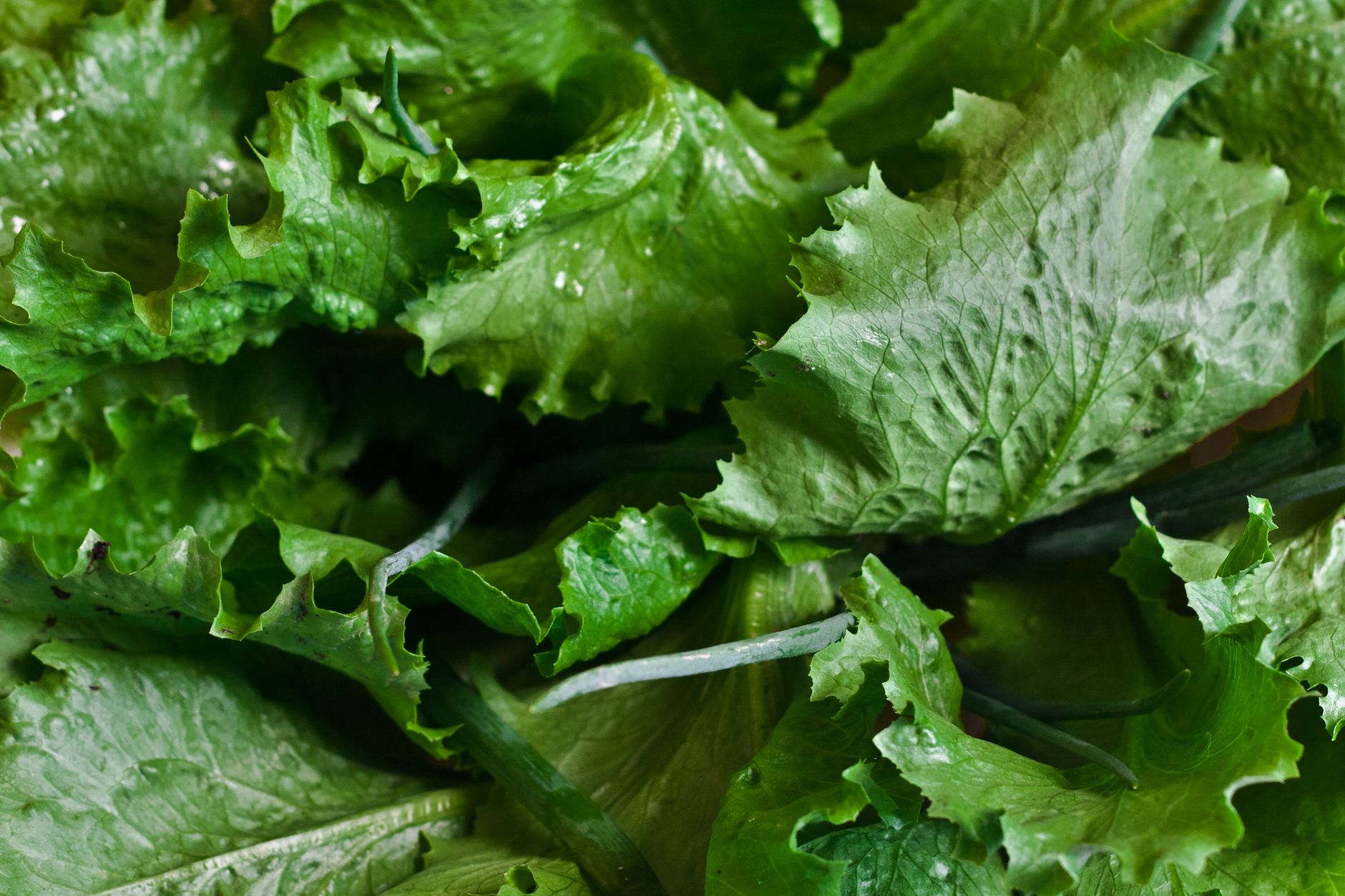
- Public health officials have confirmed a significant outbreak of cyclosporiasis, a parasitic illness, with a definitive link established to contaminated lettuce products used in Taco Bell menu items across multiple states, affecting a growing number of individuals who consumed these foods.
- The Centers for Disease Control and Prevention (CDC) and state health departments are actively investigating the scope and source of the contamination, working to identify the specific batches of lettuce involved and tracing the supply chain to prevent further exposure and understand the full extent of the outbreak.
- Symptoms of cyclosporiasis typically include watery diarrhea, loss of appetite, weight loss, abdominal cramping, bloating, gas, nausea, and fatigue, which can manifest several days to weeks after consuming contaminated food or water, requiring prompt medical attention for diagnosis and treatment.
- Numerous individuals across at least five states have reported falling ill with symptoms consistent with cyclosporiasis, prompting a coordinated response from health agencies to monitor the situation, provide guidance to the public, and collaborate with the restaurant chain to address the source of the contamination.
- Taco Bell has reportedly cooperated with health authorities, taking steps to remove the implicated lettuce from its supply chain and restaurants as investigations continue, aiming to mitigate the immediate risk to consumers and demonstrate a commitment to food safety and public health during this ongoing crisis.
- The parasite Cyclospora cayetanensis, responsible for this outbreak, thrives in warm, moist conditions and can contaminate produce through contaminated water used for irrigation or washing, highlighting the critical importance of rigorous food handling and sanitation practices throughout the agricultural and food service industries.
What We Do Not Know Yet
- The precise origin of the Cyclospora contamination within the lettuce supply chain remains unclear, with investigations ongoing to pinpoint whether the contamination occurred during cultivation, harvesting, processing, or distribution stages before reaching Taco Bell restaurants.
- The exact number of individuals affected by this outbreak is still being determined, as not all cases may have been reported or definitively linked to Taco Bell consumption, necessitating ongoing surveillance and data collection by public health agencies to accurately assess the outbreak's true scale.
- The specific time frame during which the contaminated lettuce was distributed and served to consumers has not been fully delineated, making it challenging to advise individuals who may have consumed affected products at an earlier date about potential delayed symptom onset.
- The long-term health implications for individuals who have contracted cyclosporiasis from this outbreak are not yet fully understood, particularly concerning potential persistent gastrointestinal issues or other complications that might arise following the acute infection.
- Whether other food products or restaurant chains may have been inadvertently exposed to the same contaminated lettuce source is an area requiring further investigation to ensure no broader public health risk exists beyond the currently identified Taco Bell outbreak.
- The effectiveness of the immediate containment measures implemented by Taco Bell and health authorities in completely eradicating the risk of future exposure from any remaining contaminated product or through cross-contamination pathways requires ongoing monitoring and evaluation.
Background
Cyclosporiasis is a diarrheal disease caused by the microscopic parasite Cyclospora cayetanensis. This parasite is transmitted to humans typically through the ingestion of food or water contaminated with human feces containing the parasite's oocysts. The oocysts are not immediately infectious when passed in the stool; they require a period of maturation in the environment, often several days to weeks, before they become capable of causing infection. This incubation period means that contaminated produce, if consumed shortly after contamination, might not immediately lead to illness, complicating outbreak investigations. The illness is characterized by a range of gastrointestinal symptoms, often including frequent, watery bowel movements, which can be debilitating and significantly impact an individual's quality of life and ability to function.
Outbreaks of cyclosporiasis have been a recurring public health concern, particularly in the United States and Canada, often linked to the consumption of fresh produce imported from tropical or subtropical regions where sanitation and agricultural practices may differ. Berries, basil, and various types of lettuce have been identified as common vehicles for transmission in past outbreaks. The cyclical nature of these outbreaks, often peaking during warmer months, suggests environmental factors play a role in the parasite's life cycle and prevalence. Public health agencies continuously monitor food supplies and work with the food industry to implement preventive measures, including enhanced testing and improved agricultural water quality standards, to reduce the risk of contamination.
The food service industry, with its complex supply chains and high volume of food preparation, presents unique challenges in preventing and controlling foodborne illnesses. Restaurants, in particular, must adhere to stringent food safety protocols to minimize the risk of contamination from raw ingredients to the final prepared meal. This includes proper storage, handling, cooking (where applicable), and sanitation of all food items and preparation surfaces. When a widespread outbreak is identified, rapid communication and collaboration between the restaurant, its suppliers, and public health authorities are critical to quickly identify the source, remove contaminated products from circulation, and inform the public to prevent further infections and manage the public health crisis effectively.
Why It Matters
This cyclosporiasis outbreak linked to Taco Bell lettuce underscores the persistent vulnerabilities within our food supply chain, demonstrating that even large, established restaurant chains are not immune to the devastating consequences of contaminated ingredients. The widespread nature of the illness across multiple states highlights the interconnectedness of food distribution networks and the potential for a single point of contamination to impact thousands of consumers. It serves as a stark reminder that vigilance in food safety practices, from farm to fork, is paramount to protecting public health and preventing widespread illness that can disrupt lives and erode consumer confidence in the food system.
The economic implications of such outbreaks extend beyond the immediate costs of medical treatment and lost productivity. Reputational damage to the implicated restaurant chain can be substantial, leading to decreased sales and long-term customer distrust. Furthermore, the public health response, including investigations, recalls, and public advisories, consumes significant resources from regulatory agencies, diverting attention and funding from other critical public health initiatives. Ensuring the safety and integrity of our food supply is therefore not just a matter of health, but also a crucial component of economic stability and efficient resource allocation within the public sector.
Beyond the immediate health and economic impacts, this outbreak raises critical questions about regulatory oversight and the effectiveness of current food safety standards, particularly concerning imported produce. It compels a re-evaluation of how potential contamination points are identified and mitigated throughout the agricultural supply chain. Consumers have a right to expect that the food they purchase and consume is safe, and when that trust is broken, it necessitates a thorough examination of the systems in place and a commitment to implementing stronger preventive measures to safeguard against future occurrences.
Timeline of Events
- Initial reports of individuals experiencing gastrointestinal distress consistent with cyclosporiasis began to emerge from various states, prompting preliminary investigations by local and state health departments to identify potential common sources of exposure among the affected populations.
- Public health agencies, including the CDC, started to notice a pattern of illness clustering among individuals who had recently consumed food from Taco Bell, leading to a focused epidemiological investigation to determine if the restaurant chain was a common link in the outbreak.
- Through detailed interviews with ill individuals and analysis of food consumption data, investigators identified a strong association between reported illnesses and the consumption of specific menu items containing lettuce at Taco Bell locations across several states, solidifying the suspected link.
- Health authorities officially confirmed the outbreak and publicly announced the link between the cyclosporiasis cases and Taco Bell's lettuce, issuing advisories urging consumers to be aware of the symptoms and to seek medical attention if they became ill after eating at the restaurant.
- Taco Bell, in response to the confirmed outbreak and public health advisories, began taking proactive measures, including cooperating with investigators and potentially removing the implicated lettuce from its supply chain and restaurant operations to prevent further exposure.
- Ongoing investigations continue to trace the source of the contaminated lettuce, aiming to pinpoint the origin of the Cyclospora parasite within the agricultural or distribution process and to implement corrective actions to prevent recurrence in the future.

Rapid-Fire Q&A
What Is Coming
- Health authorities will continue their intensive investigations to pinpoint the exact source of the Cyclospora contamination within the lettuce supply chain, examining agricultural practices, processing facilities, and distribution channels to identify and rectify any systemic failures.
- Further updates on the number of affected individuals and the geographic spread of the outbreak are expected as surveillance systems continue to monitor new cases and epidemiological links are established, providing a clearer picture of the outbreak's full scope.
- Taco Bell and its suppliers will likely implement enhanced food safety protocols and rigorous testing procedures for lettuce and other produce to prevent future contamination incidents and rebuild consumer trust following this significant public health event.
- Regulatory agencies may review and potentially strengthen existing food safety standards and import regulations for fresh produce, particularly those sourced from regions with a higher risk of parasitic contamination, to enhance consumer protection nationwide.
- Consumers are advised to remain vigilant about food safety, practice good hand hygiene, and be aware of symptoms of foodborne illnesses, reporting any suspected cases to their healthcare providers and local health departments to aid in ongoing public health monitoring efforts.
- Public health campaigns may be launched or intensified to educate consumers about the risks associated with certain foods, proper food handling techniques, and the importance of seeking prompt medical attention for symptoms of foodborne diseases like cyclosporiasis.

















Comments
No comments yet. Be the first to comment!