


At a Glance
- Meta is actively pursuing a senior executive from Amazon Web Services (AWS) to spearhead its critical infrastructure division, a strategic move to fortify its technological backbone.
- The targeted executive is expected to oversee Meta's vast array of data centers, networking, and critical hardware, forming the bedrock for its ambitious AI and metaverse initiatives.
- This recruitment effort underscores Meta's urgent need for top-tier cloud infrastructure expertise, especially as it navigates the complex demands of scaling its AI models and virtual worlds.
- The potential hire would report directly to Meta's Chief Technology Officer, Andrew Bosworth, signaling the immense strategic importance placed on this role within the company's hierarchy.
- Meta's aggressive talent acquisition strategy reflects a broader industry trend where tech giants are fiercely competing for specialized cloud and AI infrastructure leadership.
- The move is seen as a direct response to the escalating computational requirements of Meta's generative AI projects and the foundational infrastructure needed to realize the metaverse vision.
The Record
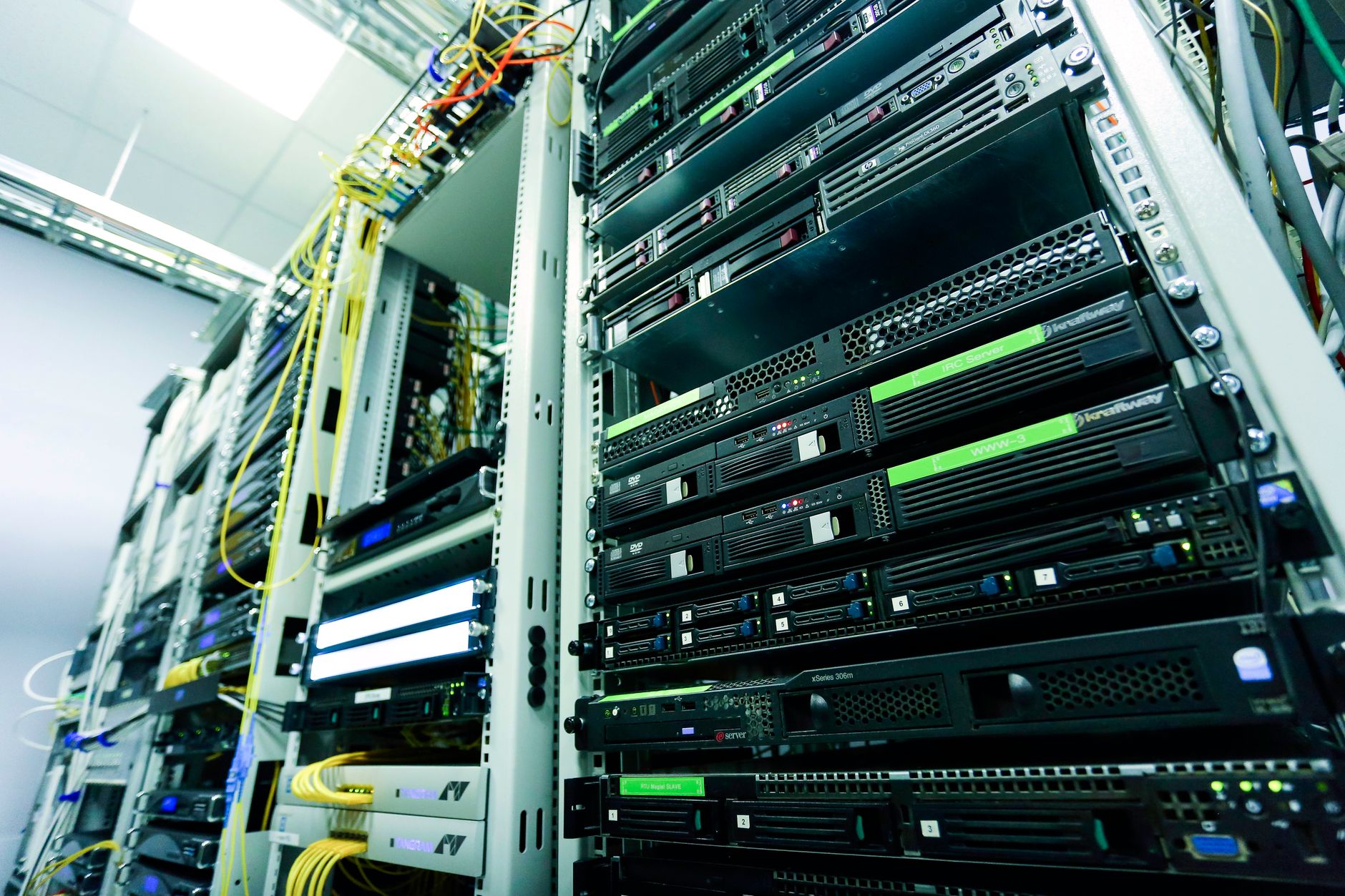
Meta Platforms, the tech behemoth formerly known as Facebook, is reportedly making a significant play to poach a high-ranking executive from Amazon Web Services (AWS). This aggressive recruitment drive is not merely about adding another name to the roster; it's a strategic maneuver to inject world-class cloud infrastructure leadership directly into the heart of Meta's operations. The individual in question is slated to take the helm of Meta's expansive infrastructure division, a critical role that underpins every facet of the company's future, from its burgeoning AI research to its audacious metaverse ambitions. This division is responsible for the colossal network of data centers, the intricate web of global networking, and the cutting-edge hardware that powers Meta's vast ecosystem of applications and services.
The urgency behind this executive search is palpable. Meta is currently pouring billions into developing advanced generative AI capabilities and constructing the foundational elements of the metaverse. Both ventures demand an unprecedented level of computational power, storage, and network efficiency. Securing a leader with a proven track record from AWS, the undisputed global leader in cloud computing, would provide Meta with invaluable expertise in scaling infrastructure to meet these monumental demands. This isn't just about managing existing systems; it's about innovating at the bleeding edge to build the next generation of digital infrastructure capable of supporting immersive virtual worlds and hyper-intelligent AI.
Sources close to the matter indicate that the targeted executive would report directly to Andrew Bosworth, Meta's Chief Technology Officer. This reporting structure highlights the elevated importance of the infrastructure role within Meta's strategic priorities. It signifies that the company views its underlying technological framework not just as a support function, but as a core competitive differentiator. In an era where AI dominance and metaverse realization hinge on robust, scalable, and efficient infrastructure, bringing in a seasoned AWS veteran could be a game-changer for Meta, potentially accelerating its progress and mitigating the complex technical challenges inherent in its long-term vision.
Who Knew and When
Whispers of Meta's aggressive talent acquisition strategy, particularly targeting top-tier cloud infrastructure experts, began circulating within industry circles several months ago. These early indications suggested a deliberate and sustained effort to bolster the company's foundational technology teams. The specific pursuit of a high-profile AWS executive, however, only became more concrete in recent weeks, with detailed reports emerging from reputable financial news outlets. These reports, citing anonymous sources with direct knowledge of the matter, pinpointed the advanced stages of the recruitment process, indicating that Meta has been actively engaging with the candidate for some time.
The timing of this revelation aligns with Meta's increasingly public pivot towards AI and the metaverse. As the company has unveiled more ambitious projects and products in these domains, the inherent need for robust, scalable infrastructure has become undeniably clear. Industry analysts and observers have long speculated that Meta would need to significantly upgrade its infrastructure leadership to effectively execute its long-term vision. The current news confirms these predictions, suggesting that Meta's internal leadership recognized this critical gap and initiated the search for external expertise well in advance of public announcements.
While the identity of the specific AWS executive remains undisclosed in public reports, the fact that Meta is willing to target such a senior individual from a direct competitor like Amazon speaks volumes about the strategic importance of this role. It indicates a calculated move by Meta's senior management, including CEO Mark Zuckerberg and CTO Andrew Bosworth, to invest heavily in the human capital necessary to build the next generation of digital platforms. The decision to pursue an AWS veteran, specifically, suggests an acknowledgment of Amazon's unparalleled success in cloud infrastructure and a desire to replicate or adapt that expertise within Meta's unique operational context.
Voices from the Ground
Within Meta's engineering ranks, the news of potentially bringing in a top AWS infrastructure leader is met with a mix of anticipation and cautious optimism. Many engineers recognize the immense challenges of scaling infrastructure for the metaverse and advanced AI, acknowledging that external expertise could provide a much-needed boost. "Our current infrastructure is robust, but the demands of AI and the metaverse are on a different scale entirely," commented a senior software engineer working on Meta's AI platform. "Someone with deep experience from AWS, where they've built and managed the world's largest cloud, could bring invaluable insights and accelerate our progress significantly. It's about learning from the best to tackle unprecedented problems."
However, there's also an underlying current of concern about cultural integration and potential shifts in existing processes. "While the expertise is undoubtedly welcome, there's always a period of adjustment when a high-level external hire comes in," noted a long-time infrastructure architect at Meta. "Our internal culture and operational methodologies are distinct. The key will be how effectively this new leader can integrate with our existing teams and leverage their knowledge, rather than imposing a completely new system. It needs to be a collaborative evolution, not a disruptive revolution." This sentiment highlights the delicate balance between importing new talent and preserving internal strengths.
From the perspective of AWS employees, the news of a potential defection, even if unconfirmed, sparks conversations about talent retention and the intense competition for cloud specialists. "It's not surprising that Meta, or any big tech company, would target our top talent," an AWS solutions architect shared. "We've built a world-class infrastructure, and the people who did that are highly sought after. It just underscores the value of the work we do here, but it also means AWS needs to keep innovating and ensuring our own talent feels valued and challenged to prevent further brain drain." This reflects the broader industry battle for the most skilled individuals in cloud computing.
The Debate
The potential hiring of a senior AWS executive by Meta has ignited a significant debate among industry analysts and tech observers regarding the implications for both companies and the broader cloud computing landscape. One school of thought argues that this move is a brilliant strategic coup for Meta, demonstrating its commitment to building out its own robust infrastructure rather than relying heavily on external cloud providers. By bringing in a leader with deep expertise in hyperscale cloud operations, Meta could significantly enhance its efficiency, reduce operational costs in the long run, and gain greater control over its technological destiny, particularly crucial for resource-intensive projects like the metaverse and advanced AI.
Conversely, some critics suggest that while the talent acquisition is valuable, it might not be a silver bullet for Meta's complex infrastructure challenges. They argue that the cultural and operational differences between AWS, a pure-play cloud provider, and Meta, a social media and metaverse company, are substantial. Integrating an AWS leader into Meta's unique environment could present significant hurdles, potentially leading to friction or a misalignment of priorities. Furthermore, the sheer scale and complexity of Meta's existing infrastructure, which has evolved over decades, might require a different approach than what a traditional cloud provider executive is accustomed to, raising questions about the effectiveness of such a transition.
Another facet of the debate centers on the broader talent war in the tech industry. This high-profile recruitment effort highlights the intense competition for specialized skills in cloud infrastructure and AI. For AWS, losing a senior executive could be seen as a minor setback, but it also underscores the constant pressure to retain top talent amidst aggressive poaching by competitors. For Meta, it signifies a recognition that internal growth alone might not be sufficient to meet its ambitious goals, necessitating strategic external hires. This ongoing battle for human capital is shaping the future of technology, with companies willing to invest heavily to secure the expertise needed to lead the next wave of innovation.
Your Questions Answered
What Accountability Looks Like
For the incoming AWS executive, accountability at Meta will be multifaceted and intensely scrutinized. Their primary responsibility will be to ensure the robust, scalable, and cost-efficient operation of Meta's global infrastructure, which directly impacts the performance and reliability of all Meta products. Success will be measured not just by uptime and efficiency metrics, but also by the ability to innovate and build the next generation of infrastructure capable of supporting the exponential growth of AI models and the immersive demands of the metaverse. This includes optimizing existing data centers, enhancing network capabilities, and strategically planning for future hardware and software requirements.
Beyond technical performance, this leader will be held accountable for fostering a culture of innovation within the infrastructure division, driving down operational costs without compromising reliability, and attracting and retaining top engineering talent. Their ability to integrate seamlessly with Meta's existing leadership and engineering teams will be crucial. Accountability will also extend to strategic foresight: anticipating future technological needs, evaluating emerging trends in cloud computing and hardware, and making informed decisions that position Meta for long-term success in an increasingly competitive landscape. Failure to deliver on these fronts could significantly impede Meta's ambitious strategic objectives.
Ultimately, the success of this hire will be judged by Meta's ability to effectively scale its AI and metaverse initiatives, turning ambitious visions into tangible, high-performing realities. If Meta's platforms become more resilient, faster, and more capable of handling unprecedented user loads and computational demands, it will be a clear indicator of this executive's positive impact. Conversely, if infrastructure bottlenecks persist, costs spiral out of control, or Meta lags behind competitors in deploying cutting-edge AI or metaverse features due to foundational limitations, the accountability will squarely rest on the shoulders of this critical new leader.














Comments
No comments yet. Be the first to comment!