

The Numbers
- Apple's market capitalization currently hovers around $2.6 trillion, making it one of the most valuable companies globally, granting it immense financial leverage for strategic acquisitions in the AI sector.
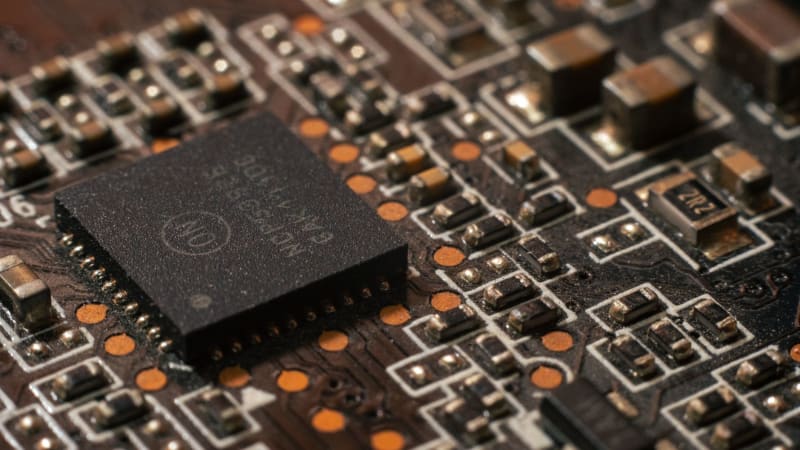
- The global AI chip market is projected to reach over $100 billion by 2025, underscoring the massive growth potential and strategic importance of this sector for tech giants like Apple.
- Apple has reportedly acquired at least 30 AI companies since 2017, demonstrating a consistent, albeit quiet, strategy of integrating AI capabilities through strategic buyouts rather than solely internal development.
- Competitors like Google and Amazon have also significantly invested in custom AI silicon, with Google's Tensor Processing Units (TPUs) and Amazon's Inferentia chips already deployed in their respective cloud services and devices, intensifying the race.
- Analysts estimate that developing a cutting-edge AI chip from scratch can cost hundreds of millions to billions of dollars, making strategic acquisitions a more time-efficient and potentially cost-effective route for rapid integration.
- The average valuation of AI chip startups has surged by over 50% in the last two years, reflecting intense investor interest and a recognition of the critical role these companies play in the future of technology.
Context Check
Apple's reported pursuit of AI chip companies is not merely a tactical move; it represents a fundamental shift in the company's long-term strategy to maintain its competitive edge in an increasingly AI-driven world. For years, Apple has relied on third-party suppliers for various components, but the unique demands and strategic importance of AI processing power necessitate a more integrated, proprietary approach. This initiative aims to bring crucial AI hardware development in-house, ensuring tighter control over performance, power efficiency, and security—all hallmarks of the Apple ecosystem. The move also reflects a broader industry trend where major tech players are developing custom silicon to optimize their AI workloads, moving away from generic, off-the-shelf solutions that may not fully meet their specific needs.
The urgency behind Apple's search is amplified by the rapid advancements in generative AI and large language models, which demand unprecedented levels of computational power, especially for on-device processing. Integrating powerful AI capabilities directly into iPhones, iPads, and Macs could unlock a new generation of intelligent features, from more sophisticated Siri interactions to advanced photo and video editing, all performed locally without relying heavily on cloud infrastructure. This local processing not only enhances user privacy but also provides faster response times and greater reliability, critical factors for a premium user experience. The company understands that future differentiation will largely hinge on its ability to deliver superior AI experiences directly on its devices.
This strategic pivot also positions Apple to mitigate future supply chain risks and reduce its dependency on external chip manufacturers, a lesson perhaps learned from recent global chip shortages. By owning the core AI silicon technology, Apple can better control its product roadmap, innovate more rapidly, and potentially achieve cost efficiencies in the long run. The investment in AI chip companies is therefore not just about acquiring technology; it's about securing intellectual property, talent, and a strategic advantage that will be crucial for navigating the next decade of technological evolution. The stakes are incredibly high, as the company that masters on-device AI will likely dominate the consumer electronics market.
Background
Apple's journey into custom silicon began in earnest with its A-series chips for iPhones and iPads, which evolved into the groundbreaking M-series chips for Macs. These proprietary processors have consistently delivered industry-leading performance and power efficiency, giving Apple a significant competitive advantage over rivals relying on Intel or Qualcomm. The success of these chips has undoubtedly emboldened Apple to extend its in-house development capabilities to specialized AI silicon. Historically, Apple has preferred to acquire smaller, innovative companies to integrate their technology and talent rather than embarking on entirely greenfield projects, a strategy that has proven effective in areas ranging from camera technology to mapping services. This pattern suggests that the current search for AI chip companies is a natural progression of its established acquisition playbook.
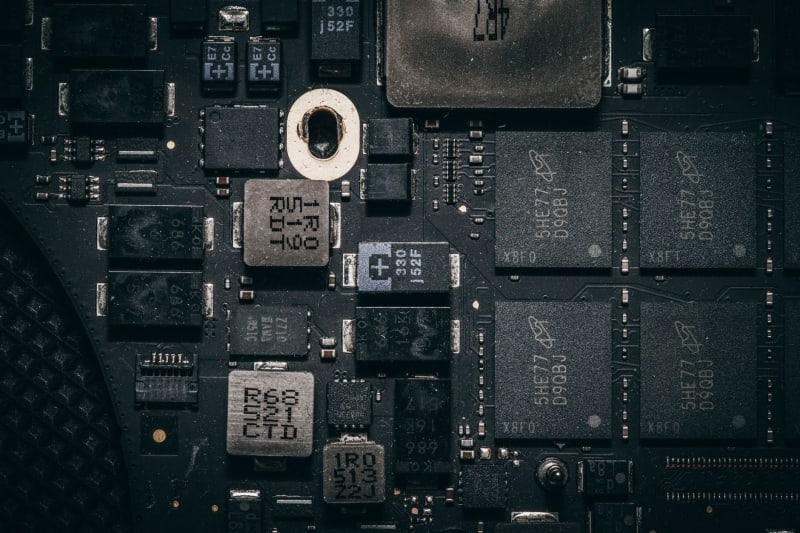
The burgeoning field of AI, particularly on-device AI, presents unique challenges and opportunities. Traditional CPUs and GPUs, while powerful, are not always optimally designed for the specific computations required by neural networks and machine learning algorithms. This has led to the rise of specialized AI accelerators, or neural processing units (NPUs), which are purpose-built to handle AI workloads with greater efficiency. Companies like Google, with its Tensor Processing Units (TPUs), and Amazon, with its Inferentia chips, have already demonstrated the strategic value of custom AI hardware in their data centers and cloud services. Apple's focus, however, is likely more geared towards optimizing AI performance directly on consumer devices, where power consumption and thermal management are paramount concerns. This distinction highlights Apple's unique approach to the AI hardware race.
Furthermore, the competitive landscape in AI is intensifying at an unprecedented pace. Every major tech company, from Microsoft to Meta, is pouring billions into AI research and development, recognizing it as the next frontier of technological innovation. For Apple, maintaining its premium brand image and user experience requires not just keeping pace, but setting the standard. This means having cutting-edge AI capabilities that are seamlessly integrated into its hardware and software. Acquiring companies with established expertise in AI chip design, manufacturing, or software optimization can significantly accelerate Apple's timeline to deliver these next-generation features, ensuring it remains at the forefront of innovation rather than playing catch-up. The stakes are incredibly high, as the future of personal computing is increasingly intertwined with advanced artificial intelligence.
Winners and Losers
The most immediate winners in this scenario are undoubtedly the AI chip startups that become acquisition targets. These companies, often rich in intellectual property and engineering talent but potentially lacking the resources for mass production and market penetration, stand to gain immense capital, global reach, and the opportunity to see their innovations integrated into products used by billions. An acquisition by Apple would validate their technology and provide a massive platform for their work, offering a lucrative exit for founders and investors. Furthermore, the broader AI chip ecosystem could benefit from increased investment and competition, spurring further innovation as companies strive to develop technologies attractive to tech giants.
Apple itself stands to be a significant winner. By acquiring specialized AI chip expertise, it can accelerate its development of on-device AI capabilities, enhance user privacy through local processing, and further differentiate its products from competitors. This move would strengthen its control over its supply chain, reduce reliance on external vendors, and potentially lead to more optimized, power-efficient, and secure AI solutions tailored specifically for its hardware and software ecosystem. The ability to integrate AI deeply at the silicon level will be a critical differentiator in the next generation of consumer electronics, allowing Apple to offer features and experiences that rivals may struggle to replicate without similar vertical integration.
On the other hand, traditional chip manufacturers who primarily supply generic AI components or those who have not invested heavily in specialized AI accelerators might find themselves on the losing end. As Apple, and potentially other tech giants, increasingly bring AI chip development in-house, the market for third-party AI silicon could shrink or become more fragmented. This could lead to reduced revenue streams and increased pressure to innovate rapidly or risk becoming obsolete. Additionally, smaller tech companies or startups that cannot afford to develop custom AI silicon or acquire specialized firms might struggle to compete with the advanced AI capabilities offered by vertically integrated giants, potentially widening the technology gap and creating an uneven playing field in the future of AI.
Analyst Perspectives
Industry analysts largely view Apple's reported pursuit of AI chip companies as a highly strategic and inevitable move. "This isn't just about keeping up; it's about setting the pace," states Dr. Anya Sharma, a lead analyst at TechInsights. "Apple's history with custom silicon, from the A-series to the M-series, demonstrates their commitment to vertical integration for performance and efficiency. AI is the next logical frontier for this strategy. Acquiring specialized AI chip firms allows them to leapfrog years of internal R&D and immediately gain access to cutting-edge designs and crucial intellectual property, solidifying their competitive advantage in on-device AI processing." This perspective underscores the importance of speed and proprietary technology in the current AI race.
Another prominent view, articulated by financial analyst Michael Chen from GlobalTech Research, focuses on the economic implications. "While acquisitions can be costly in the short term, the long-term benefits for Apple are immense," Chen explains. "By owning the core AI silicon, Apple can reduce its dependency on external suppliers, potentially leading to significant cost savings in the future and greater control over its product roadmap. More importantly, it allows them to build truly differentiated products that offer superior AI experiences, justifying their premium pricing and maintaining customer loyalty. This is a smart investment in futureproofing their ecosystem against rapidly evolving technological demands." This highlights the dual benefits of strategic control and financial optimization.
However, not all perspectives are without caution. Sarah Jenkins, a senior technology consultant specializing in M&A, warns about the integration challenges. "Acquiring a company is one thing; successfully integrating its technology, culture, and talent into Apple's notoriously secretive and demanding ecosystem is another," Jenkins notes. "There's always a risk of culture clash, talent drain, or technical hurdles that can delay or even derail the benefits of an acquisition. Apple has a strong track record, but the complexity of AI hardware and software integration means this is not a guaranteed success. The true measure of this strategy will be seen in the seamless, innovative AI features that eventually reach consumers." This provides a critical counterpoint, reminding us that execution is key.
Key Questions Explained
The Outlook
The outlook for Apple's AI chip strategy appears robust, driven by the undeniable shift towards ubiquitous artificial intelligence. As AI becomes increasingly embedded in every aspect of technology, from personal devices to smart homes, the ability to control and optimize the underlying hardware will be a paramount differentiator. Apple's aggressive pursuit of AI chip companies signals a clear commitment to leading this charge, rather than simply reacting to market trends. This proactive stance is likely to result in a new generation of Apple products that are significantly more intelligent, intuitive, and efficient, further solidifying its ecosystem and potentially expanding its market share in an increasingly competitive tech landscape. The future of Apple's innovation hinges on these strategic investments.
Looking ahead, we can anticipate a continued acceleration in the development of specialized AI silicon across the industry. Apple's moves will undoubtedly put pressure on competitors to either ramp up their own in-house chip development or forge stronger partnerships with leading AI chip designers. This competitive environment will foster rapid innovation, leading to more powerful, energy-efficient, and versatile AI chips that can handle increasingly complex tasks directly on devices. The long-term implications include more personalized user experiences, enhanced privacy through local processing, and a reduction in latency for AI-driven features, fundamentally reshaping how we interact with technology on a daily basis. The race for AI hardware supremacy is just beginning, and Apple is positioning itself at the forefront.
However, the path forward is not without potential pitfalls. The high valuations of promising AI chip startups mean that Apple will need to make substantial financial commitments, and there's always the risk of overpaying or acquiring technologies that don't fully integrate as expected. Furthermore, the rapid pace of AI innovation means that today's cutting-edge technology could be superseded quickly, requiring continuous investment and adaptation. Apple's success will ultimately depend on its ability to not only acquire the right companies but also to seamlessly integrate their expertise and intellectual property into its long-term product vision, delivering tangible, innovative benefits to its vast customer base. The execution of this strategy will be critical in determining its ultimate impact on the tech giant's future.














Comments
No comments yet. Be the first to comment!