
What We Know
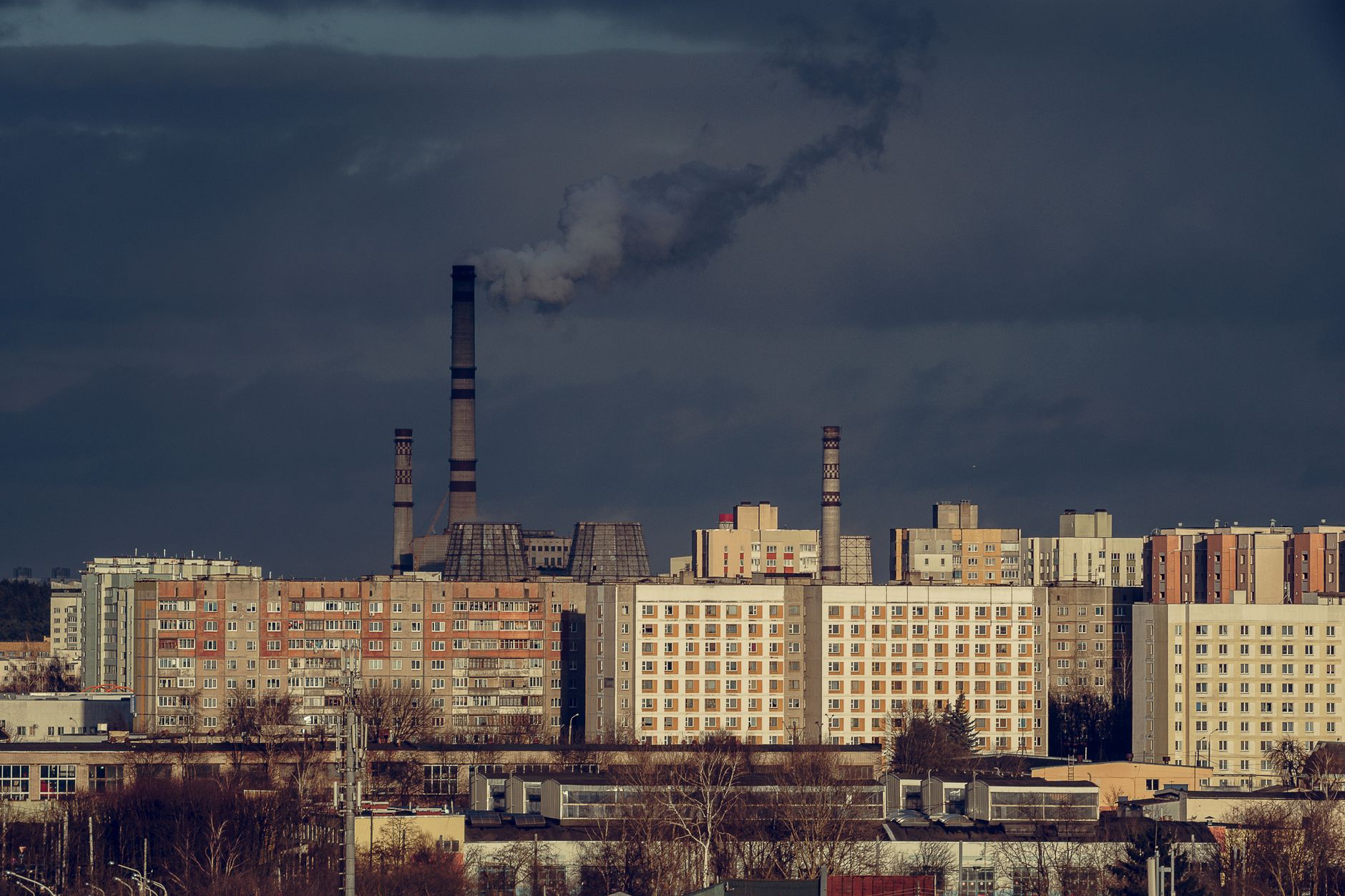
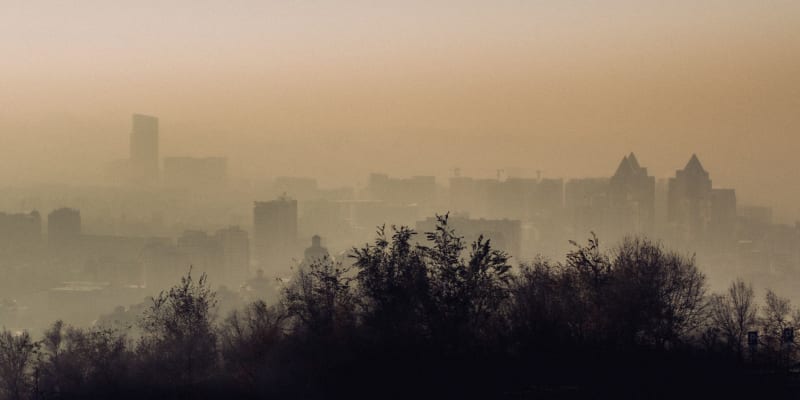
- Air quality has deteriorated significantly across at least 20 US states, with some regions experiencing hazardous levels of particulate matter due to wildfire smoke.
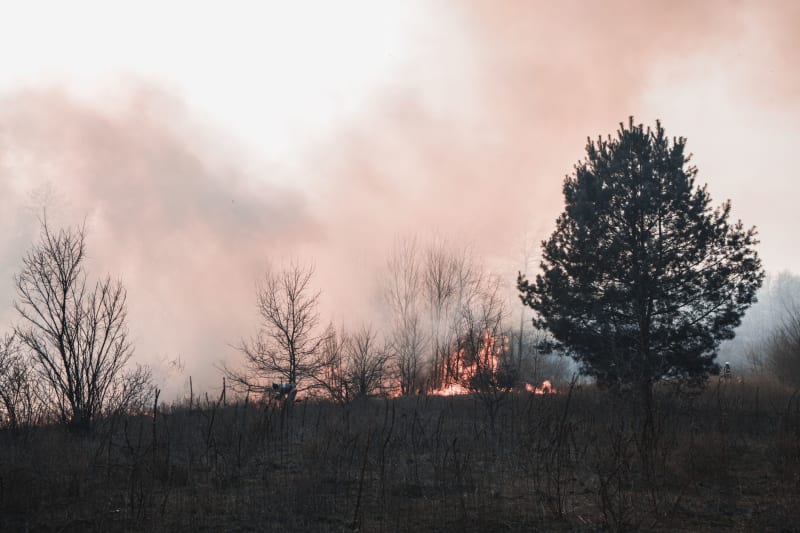
- The primary source of this widespread air pollution is the unprecedented number and intensity of wildfires currently raging across various provinces in Canada, particularly Quebec and Ontario.
- Millions of Americans, especially those in the Northeast and Midwest, are directly affected, facing health advisories, school closures, and recommendations to stay indoors.
- Fine particulate matter (PM2.5) in wildfire smoke can penetrate deep into the lungs and enter the bloodstream, posing serious health risks including respiratory issues, cardiovascular problems, and exacerbating existing conditions like asthma and COPD.
- Visibility has been severely reduced in many affected areas, leading to disruptions in air travel and ground transportation, creating hazardous driving conditions.
- Emergency services and public health officials are issuing continuous updates and guidance, urging vulnerable populations such as children, the elderly, and individuals with pre-existing health conditions to take extreme precautions.
- The current weather patterns, including persistent high-pressure systems, are effectively trapping and transporting the smoke southward, preventing its dispersal and prolonging the crisis over densely populated areas.
What We Do Not Know Yet
- The exact duration and intensity of this prolonged smoke event remain uncertain, as it is heavily dependent on the containment of Canadian wildfires and significant shifts in prevailing wind patterns.
- The long-term health impacts on individuals exposed to extended periods of high-level wildfire smoke are still being studied, particularly for those without pre-existing conditions.
- The full economic cost of this air quality crisis, including healthcare expenditures, lost productivity, and impacts on various industries, has not yet been comprehensively calculated.
- The precise effectiveness of current mitigation strategies, such as widespread N95 mask recommendations and indoor air purification, across diverse populations and exposure levels is an ongoing area of research.
- Whether this event will prompt new, more aggressive cross-border environmental agreements or policy changes between the US and Canada regarding wildfire management and climate change adaptation is yet to be seen.
- The specific ecological impacts on natural environments within the US, beyond immediate air quality, such as effects on local flora and fauna from prolonged smoke exposure, are not fully understood.
Background
The current air quality crisis has its roots in an exceptionally active and early wildfire season across Canada. Large swaths of forest, particularly in Quebec and Ontario, have been burning uncontrollably for weeks, fueled by unusually dry conditions and higher-than-average temperatures. This year's fire season has already surpassed historical averages in terms of acres burned, setting a grim precedent and overwhelming Canadian firefighting resources. The sheer scale of these fires generates enormous plumes of smoke, laden with fine particulate matter and various hazardous gases, which are then carried across international borders by prevailing atmospheric currents.
Meteorological patterns play a crucial role in the trajectory and concentration of this smoke. A persistent high-pressure system has been situated over the eastern United States, creating a stable atmospheric lid that traps pollutants close to the ground. Simultaneously, winds circulating around this system have consistently drawn smoke from the Canadian fires southward, effectively funneling it directly into densely populated regions of the US Northeast, Midwest, and even parts of the Southeast. This combination of intense source fires and unfavorable atmospheric conditions has created a perfect storm for widespread air quality degradation.
While wildfire smoke events are not entirely new to the United States, particularly from fires in the western US, the current situation is distinct due to its origin and the vast geographical area affected on the East Coast. Historically, western US wildfires have primarily impacted states west of the Mississippi. This event, however, demonstrates the interconnectedness of atmospheric systems and the far-reaching consequences of climate-driven environmental disasters, highlighting how a crisis originating thousands of miles away can directly impact the daily lives and health of millions across an entire continent.
Why It Matters
This unprecedented air quality emergency matters profoundly because it directly jeopardizes public health on a massive scale. Fine particulate matter (PM2.5) from wildfire smoke is microscopic, capable of bypassing the body's natural defenses and embedding deep within the lungs. This can trigger a cascade of adverse health effects, ranging from immediate respiratory distress, coughing, and shortness of breath to exacerbating chronic conditions like asthma, bronchitis, and emphysema. For vulnerable populations—children, the elderly, pregnant women, and individuals with heart or lung diseases—the risks are significantly elevated, potentially leading to emergency room visits, hospitalizations, and even premature death.
Beyond immediate health concerns, the economic and social ramifications are substantial. Schools and outdoor activities are being canceled, businesses are experiencing reduced foot traffic, and supply chains could face disruptions due to reduced visibility and transportation hazards. The psychological toll of living under a perpetual orange haze, coupled with constant health warnings, can also contribute to increased anxiety and stress within communities. This event underscores the fragility of our daily routines and the profound impact that environmental crises, even those originating far away, can have on societal functioning and economic stability.
Furthermore, this crisis serves as a stark reminder of the escalating consequences of climate change. Scientists have long warned that warmer temperatures and drier conditions contribute to more frequent and intense wildfires globally. The current Canadian wildfire season, and its subsequent impact on the US, is a tangible manifestation of these predictions. It highlights the urgent need for robust climate action, improved international cooperation on disaster management, and enhanced public health infrastructure to cope with increasingly common and severe environmental challenges. Ignoring these signals would be a perilous oversight, setting the stage for even greater crises in the future.
Timeline of Events
- Early May 2023: Wildfires begin to intensify across several Canadian provinces, particularly Alberta, leading to initial smoke plumes impacting parts of the US Midwest.
- Late May 2023: Fire activity significantly escalates in Quebec and Ontario, with numerous large, uncontrolled blazes emerging, generating massive smoke output.
- June 5-6, 2023: Prevailing winds begin to consistently push dense smoke plumes directly into the US Northeast, leading to initial air quality alerts in states like New York and Pennsylvania.
- June 7, 2023: Air quality rapidly deteriorates to 'unhealthy' and 'very unhealthy' levels across major metropolitan areas including New York City, Philadelphia, and Washington D.C., prompting widespread health advisories and school closures.
- June 8, 2023: The air quality index in some areas reaches 'hazardous' levels (AQI over 300), triggering emergency warnings and recommendations for all individuals to stay indoors, impacting millions of residents.
- June 9-10, 2023: Smoke spreads further south and west, affecting a total of 20 US states, with varying degrees of air quality degradation, as Canadian fires continue to burn intensely.
- Ongoing: Public health officials continue to monitor air quality, issue updated guidance, and coordinate responses while firefighters in Canada battle the persistent blazes, with no immediate end in sight for the smoke impacts.
Rapid-Fire Q&A
What Is Coming
- Continued monitoring and public health advisories will remain in effect across affected US states, with updates issued as wind patterns and fire conditions in Canada evolve.
- Meteorologists will closely track shifts in atmospheric pressure systems and wind directions, which are the primary determinants of smoke trajectory and concentration over the coming days and weeks.
- Increased focus on international cooperation between the US and Canada is anticipated, particularly regarding resource sharing for wildfire suppression and coordinated public health messaging.
- Discussions around long-term strategies for wildfire prevention and climate change adaptation are likely to intensify at both federal and state levels, given the widespread impact of this event.
- Healthcare systems may see an uptick in patients presenting with respiratory issues, particularly in regions that have experienced prolonged periods of 'unhealthy' or 'hazardous' air quality.
- Public awareness campaigns on indoor air quality and personal protective measures, such as proper mask usage and air purifier maintenance, are expected to be amplified.
- Further economic impacts, including potential disruptions to outdoor events, tourism, and agricultural activities, could emerge if the smoke event persists for an extended duration.












Comments
No comments yet. Be the first to comment!