
The Numbers
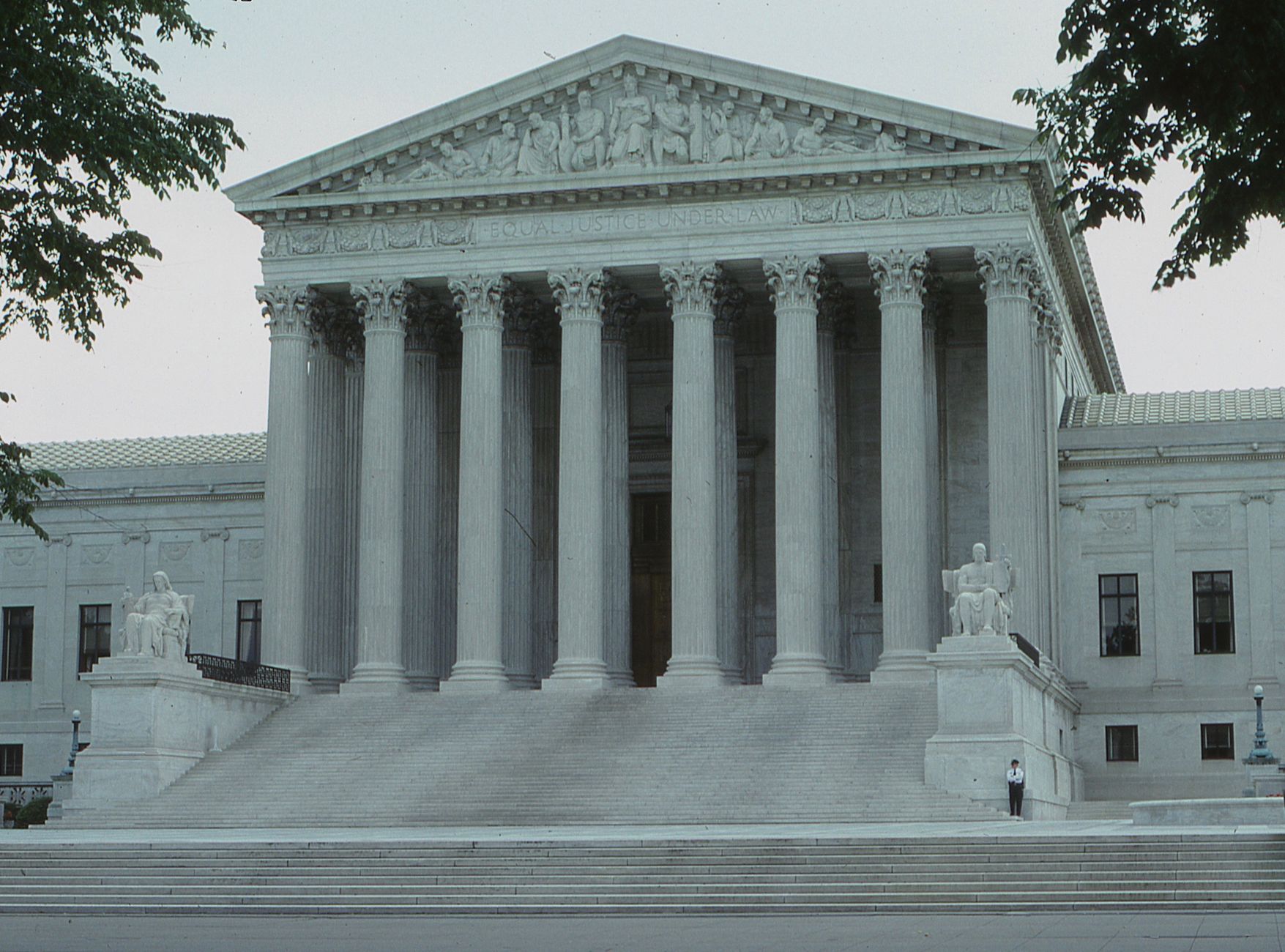
- Seven years have passed since the last instance of Supreme Court justices testifying before a congressional committee, underscoring the rarity and significance of this current event in the landscape of American governance.
- Only two Supreme Court justices appeared before the House Appropriations subcommittee, a stark contrast to the full bench, highlighting the selective nature of their engagement with legislative oversight.
- The hearing focused primarily on the Supreme Court's budget request, a crucial annual process that dictates the operational capacity and resource allocation for the nation's highest judicial body.
- The Supreme Court's annual budget, while substantial, represents a minuscule fraction of the overall federal budget, often leading to debates about its allocation and the perception of its financial independence.
- This specific congressional hearing marks a pivotal moment in the ongoing discussion surrounding judicial ethics and transparency, with public and legislative pressure mounting for greater accountability from the judiciary.
- The last time justices testified, the political climate was markedly different, reflecting a period before several high-profile and controversial rulings that have since intensified public scrutiny of the Court's impartiality and decision-making processes.
Context Check
The appearance of Supreme Court justices before Congress is an exceedingly rare event, typically reserved for exceptional circumstances. This week's testimony marks the first such instance in seven years, breaking a long-standing tradition of judicial insulation from direct legislative questioning. The judiciary, by design, operates as an independent branch, a cornerstone of the American system of checks and balances. However, this independence has increasingly come under scrutiny, particularly in an era of heightened political polarization and public debate over the Court's decisions and ethical standards. This hearing, while ostensibly focused on budgetary matters, inevitably delves into broader questions of accountability and the perception of the Court's role in a democratic society.
Historically, justices have maintained a considerable distance from congressional oversight, arguing that direct testimony could compromise their impartiality and the perception of judicial independence. This stance is rooted in the principle of separation of powers, which seeks to prevent any single branch from unduly influencing another. Yet, the current political climate, characterized by intense public interest in the Court's composition and rulings, has fueled calls for greater transparency. Critics argue that the Court's perceived lack of accountability erodes public trust, making these rare appearances all the more significant as a potential bridge between the judiciary and the public it serves. The very act of testifying, regardless of the subject matter, represents a concession to these growing demands for engagement.
The specific context of this hearing is crucial: it occurs amidst ongoing debates about judicial ethics, particularly concerning financial disclosures and potential conflicts of interest involving justices. While the official agenda centers on the Court's budget, the underlying tension surrounding these ethical questions is palpable. This backdrop transforms a routine budgetary hearing into a moment of heightened political and public interest. The questions posed by lawmakers, even if framed around fiscal responsibility, are likely to touch upon the broader issues that have dominated headlines, putting the justices in an unusual and potentially uncomfortable position of directly addressing concerns about the institution's integrity. The optics of this appearance are as important as the substance of the testimony itself, shaping public perception of the Court's willingness to engage with oversight.
Background
The Supreme Court, as the highest judicial body in the United States, plays a critical role in interpreting the Constitution and federal laws, thereby shaping the legal and social fabric of the nation. Its decisions have far-reaching implications, affecting everything from civil rights to economic policy. Despite its immense power, the Court operates with a unique degree of autonomy compared to the executive and legislative branches. Justices are appointed for life, a design intended to shield them from political pressures and allow them to make decisions based solely on legal principles. This lifetime tenure, however, has also become a point of contention, particularly when the Court's ideological balance shifts dramatically, leading to accusations of judicial activism or overreach. The ongoing debate about the Court's role and its accountability is a perennial feature of American political discourse, intensifying during periods of significant social and legal change.
The tradition of Supreme Court justices rarely testifying before Congress is deeply ingrained in the institutional norms of the American government. This practice is largely a self-imposed one, born from a desire to protect the judiciary's independence and prevent it from becoming entangled in partisan political battles. The argument is that if justices are regularly called to account by Congress, it could undermine their ability to render impartial judgments and could create an appearance of political subservience. However, this tradition has come under increasing strain in recent years, as public confidence in the Court has wavered. High-profile cases, coupled with controversies surrounding judicial appointments and ethical conduct, have fueled calls for greater transparency and direct engagement from the justices. This tension between historical precedent and contemporary demands for accountability defines the current moment.
The specific impetus for this week's hearing, while framed around the Court's budget request, cannot be entirely divorced from the broader climate of scrutiny. Congress, through its appropriations power, holds the purse strings for all federal agencies, including the judiciary. This provides a legitimate avenue for oversight, even if direct questioning of justices on their judicial philosophy or specific rulings is generally avoided. The budget hearing offers a rare opportunity for lawmakers to directly engage with the Court's representatives, even if the scope of questioning is formally limited. It allows for a public forum where concerns about the Court's operations, security, and administrative needs can be aired, and implicitly, where broader questions about its institutional health and public trust can be raised. This convergence of fiscal oversight and public concern creates a unique and impactful moment.
Winners and Losers
In the immediate aftermath of this rare congressional testimony, the concept of 'winners' and 'losers' is complex and nuanced. Arguably, the American public emerges as a significant winner. The very act of Supreme Court justices appearing before Congress, even for a budget hearing, enhances transparency and offers a glimpse into the inner workings of an often-opaque institution. This direct engagement, however limited, provides an opportunity for citizens to see their representatives question members of the highest court, fostering a sense of accountability. Increased transparency, particularly concerning the Court's administrative and ethical practices, is a crucial step towards rebuilding public trust, which has seen significant erosion in recent years. This visibility, even if symbolic, is a victory for democratic principles and public oversight.
Conversely, the Supreme Court as an institution might be seen as a 'loser' in the short term, as its long-held tradition of insulation from direct congressional questioning is further chipped away. While the justices' appearance demonstrates a willingness to engage, it also signals a concession to external pressures, potentially setting a precedent for more frequent or more intrusive oversight in the future. This could be viewed by some within the judiciary as an encroachment on their independence, potentially complicating the delicate balance of power. The need to defend budgetary requests and, by extension, the Court's operational integrity in a public forum, places the justices in a position they have historically sought to avoid, potentially exposing them to political critiques that could be perceived as undermining their impartiality.
Members of Congress, particularly those advocating for greater judicial accountability and transparency, can be considered 'winners' from this event. Their persistent calls for oversight have culminated in this rare testimony, validating their efforts and demonstrating the legislative branch's capacity to exert influence over the judiciary. This hearing provides a platform for lawmakers to articulate public concerns, even if indirectly, and to push for reforms related to judicial ethics and conduct. By bringing the justices to Capitol Hill, Congress reasserts its constitutional role in checks and balances, signaling that no branch of government is entirely beyond scrutiny. This strengthens the legislative branch's position in the ongoing inter-branch dialogue and can empower future oversight initiatives.
Analyst Perspectives
Legal scholars and political analysts widely view this congressional testimony as a significant, albeit incremental, step towards greater judicial accountability. Many experts highlight that while the official purpose was budgetary, the underlying context of intense public scrutiny over judicial ethics cannot be ignored. "This isn't just about dollars and cents; it's about the Court's legitimacy," noted Professor Eleanor Vance, a constitutional law expert. "The fact that justices felt compelled to appear, even for this limited purpose, indicates a recognition within the judiciary that the old norms of complete isolation are no longer sustainable in the face of mounting public and political pressure." This perspective suggests that the hearing serves as a symbolic acknowledgment of the need for the Court to engage more directly with external demands for transparency, even if the engagement remains cautious and controlled.
Other analysts, however, caution against overstating the impact of this single event. Dr. Marcus Thorne, a political science professor specializing in inter-branch relations, pointed out that "while the optics are important, the actual scope of questioning was narrowly confined to administrative matters. It's a far cry from a full-blown inquiry into judicial philosophy or specific rulings." Thorne suggests that while the hearing might appease some critics in the short term, it doesn't fundamentally alter the power dynamics or address the deeper structural issues concerning judicial ethics and oversight. He argues that true accountability would require more robust mechanisms, such as a binding code of conduct or a more formalized process for investigating ethical complaints, rather than sporadic appearances before congressional committees.
Furthermore, some judicial watchdogs and advocacy groups interpret the testimony as a strategic move by the Court to preempt more aggressive legislative action. "The Court is acutely aware of the legislative proposals circulating to impose a code of ethics," stated Sarah Chen, director of a non-partisan judicial reform organization. "By appearing voluntarily, even if reluctantly, they are attempting to demonstrate a degree of self-regulation and responsiveness, hoping to stave off more intrusive congressional mandates." This perspective posits that the justices' appearance is less about genuine transparency and more about institutional self-preservation, a calculated effort to manage public perception and maintain as much autonomy as possible in a challenging political environment. The long-term implications of this strategy remain to be seen, but it underscores the delicate dance between the branches.
Key Questions Explained
The Outlook
The immediate outlook following this rare congressional testimony suggests a continued, albeit slow, shift towards greater transparency and accountability for the Supreme Court. While the justices' appearance was limited in scope, it undeniably set a precedent for direct engagement that will be difficult to fully retract. Future congressional committees, emboldened by this event, may feel more justified in requesting testimony from justices on a wider range of administrative and ethical issues. This could lead to a more regularized process of oversight, potentially culminating in the establishment of a formal, binding code of ethics for the Supreme Court, a measure many lawmakers and advocacy groups have long championed. The pressure for the Court to be more open about its operations and conduct is unlikely to diminish.
However, the path forward is fraught with challenges and potential resistance from within the judiciary. Justices are likely to continue asserting their independence and pushing back against what they perceive as undue legislative interference. The delicate balance of power between the branches means that any significant shift in oversight will be met with careful consideration and potential constitutional challenges. The Court may seek to implement its own internal reforms, such as a more robust internal ethics review process, as a means to preempt more aggressive congressional action. This internal response would be an attempt to demonstrate self-regulation while preserving institutional autonomy, a strategy that has been employed by the Court in various forms throughout its history.
Ultimately, the long-term outlook points to an evolving relationship between the Supreme Court and Congress, one where the traditional boundaries of judicial independence are being re-evaluated in the face of modern demands for transparency and public trust. The current political climate, characterized by deep divisions and intense scrutiny of all governmental institutions, ensures that the judiciary will remain a focal point of public debate. This recent testimony is not an endpoint but rather a significant milestone in an ongoing dialogue about how the nation's highest court can best serve its constitutional role while remaining accountable to the democratic principles it upholds. The coming years will likely see continued tension and negotiation over the precise nature and extent of judicial oversight.
















Comments
No comments yet. Be the first to comment!