
What We Do Not Know Yet
- The precise extent of damage inflicted by the recent Iranian-backed attacks on commercial vessels and infrastructure remains largely unconfirmed, with various reports circulating but lacking official verification from affected parties.
- The full scope of Iran's strategic objectives behind this latest wave of aggression is still being debated among analysts, with questions arising about whether these actions are purely retaliatory or part of a larger, more calculated geopolitical maneuver.
- Whether the recent US retaliatory strikes will effectively deter future attacks or inadvertently provoke a more significant and direct confrontation with Iran and its proxies is a critical unknown, with experts divided on the potential outcomes.
- The specific rules of engagement for international naval forces operating in the Gulf, particularly regarding responses to non-lethal but disruptive actions like drone swarms, are not entirely clear, creating potential ambiguities in crisis situations.
- How the global oil markets will react to sustained disruptions in Gulf shipping, and whether major economies have sufficient strategic reserves to mitigate prolonged supply chain issues, is a developing situation that bears close watching.
- The level of internal consensus within the Iranian leadership regarding these aggressive actions, and whether different factions hold varying views on the risks and rewards of escalating regional tensions, remains an opaque aspect of the current crisis.
Background
The Persian Gulf has long been a crucible of geopolitical tension, primarily due to its immense strategic importance as a conduit for a significant portion of the world's oil supply. For decades, the region has been characterized by a delicate balance of power, often disrupted by proxy conflicts, territorial disputes, and the intricate interplay of regional rivalries, particularly between Iran and its Gulf Arab neighbors, often backed by Western powers. This historical context of simmering distrust and sporadic confrontation forms the bedrock upon which the current escalation is built, making any new incident a potential flashpoint with far-reaching consequences.
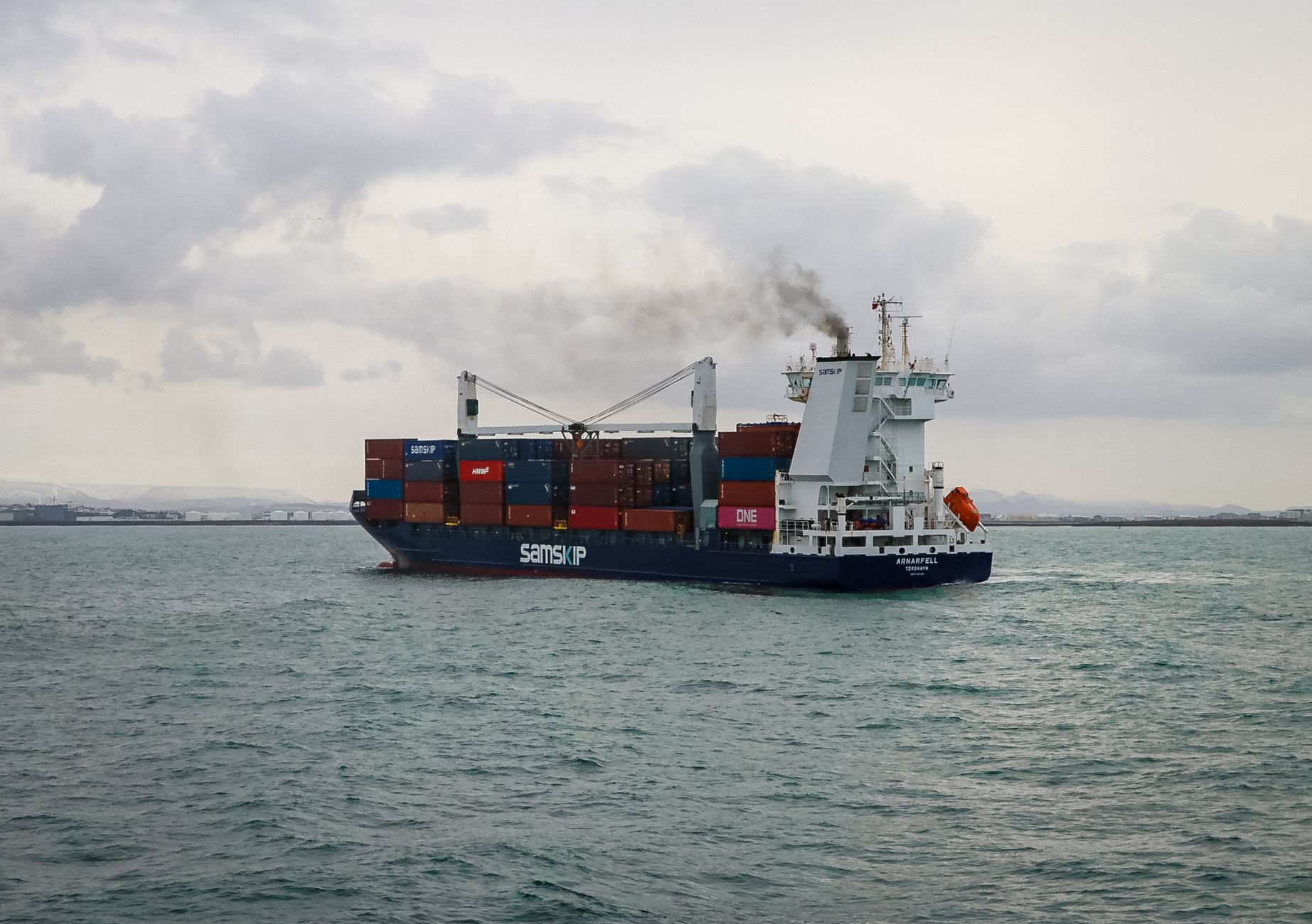
Recent years have witnessed a marked increase in maritime incidents, including attacks on oil tankers, drone assaults on critical infrastructure, and the seizure of commercial vessels, all largely attributed to Iranian-backed entities. These actions are often seen as responses to international sanctions, perceived Western aggression, or as a means for Iran to project power and demonstrate its capacity to disrupt global commerce. The recurring nature of these incidents has created a pervasive sense of instability, forcing international shipping companies to reassess their operational risks and increasing insurance premiums for vessels traversing these perilous waters.
The ongoing conflict in Yemen, where Iranian-backed Houthi rebels have been locked in a protracted struggle with a Saudi-led coalition, further complicates the regional security landscape. The Houthis' demonstrated capability to launch long-range missiles and drones targeting Saudi Arabia and now, increasingly, international shipping in the Red Sea and Gulf of Aden, directly links the Yemeni civil war to broader maritime security concerns. This interconnectedness means that any escalation in one theater can rapidly spill over into another, making a comprehensive and diplomatic resolution to the Yemeni crisis an even more urgent imperative for regional stability.
Why It Matters
The escalating hostilities in the Gulf pose an immediate and severe threat to global energy security. A substantial portion of the world's crude oil and liquefied natural gas (LNG) transits through the Strait of Hormuz and the Bab el-Mandeb Strait. Any significant disruption, whether through direct attacks on tankers or the imposition of blockades, could trigger a sharp increase in oil prices, leading to widespread economic instability and potentially pushing already fragile global economies into recession. This isn't merely a regional issue; it's a direct challenge to the arteries of global commerce and energy supply, impacting every consumer and industry worldwide.
Beyond economics, the current escalation risks a broader regional conflagration. The intricate web of alliances and rivalries in the Middle East means that a localized incident can quickly spiral into a wider conflict involving multiple state and non-state actors. Direct military confrontations between Iran and the United States, or between Iran and its regional adversaries, would have catastrophic humanitarian consequences, displace millions, and further destabilize an already volatile region. The potential for miscalculation on any side is alarmingly high, making diplomatic de-escalation an absolute necessity to prevent a full-blown war.
Furthermore, the credibility of international maritime law and the principle of freedom of navigation are directly challenged by these aggressive acts. If major shipping lanes become unsafe due to unchecked aggression, it undermines the foundational principles of global trade and international cooperation. This could set a dangerous precedent, emboldening other actors to challenge established norms and potentially leading to a more fragmented and less secure global maritime environment. The international community's response, or lack thereof, will send a powerful message about the enforcement of these critical principles.
Timeline of Events
- January 10: Initial reports emerge of multiple drone attacks targeting a commercial oil tanker in the Gulf of Oman, causing minor damage but raising immediate alarms among maritime security agencies.
- January 11: A US Navy destroyer intercepts and neutralizes several unmanned aerial vehicles (UAVs) believed to be launched from Houthi-controlled areas in Yemen, preventing potential attacks on coalition vessels.
- January 12: Iranian state media issues a statement condemning US military presence in the Gulf, calling it a destabilizing factor and warning against any aggressive maneuvers near Iranian territorial waters.
- January 13: US Central Command (CENTCOM) confirms targeted airstrikes against three Houthi missile launch sites in western Yemen, stating the actions were taken in self-defense to protect international shipping.
- January 14: A major shipping company announces a temporary halt to all non-essential transit through the Bab el-Mandeb Strait, citing extreme security risks and advising vessels to reroute via the Cape of Good Hope.
- January 15: An emergency meeting of the UN Security Council is convened to discuss the escalating crisis, with calls from several member states for immediate de-escalation and a diplomatic resolution to the heightened tensions.

Rapid-Fire Q&A
What Is Coming
- Expect continued heightened military presence from the United States and its allies in the Gulf, focusing on intelligence, surveillance, and reconnaissance (ISR) operations to preempt and counter future threats to maritime security.
- Further targeted retaliatory strikes against Iranian-backed proxy infrastructure are highly probable if attacks on commercial shipping or military assets persist, potentially escalating the cycle of violence in the region.
- Global energy markets are likely to remain volatile, with oil and gas prices susceptible to sudden spikes based on new incidents or perceived threats to the stability of supply routes through the Strait of Hormuz and Bab el-Mandeb.
- Intensified diplomatic efforts, possibly spearheaded by the UN or European Union, will likely aim to establish de-escalation frameworks and open channels for dialogue, though immediate breakthroughs remain uncertain given the entrenched positions.
- Increased pressure on international shipping companies to implement enhanced security protocols, consider alternative routes, and manage significantly higher insurance costs, potentially impacting global trade efficiency and consumer prices.
- The potential for miscalculation leading to a direct confrontation between major powers and Iran remains a critical concern, necessitating extreme caution and clear communication from all parties involved to prevent an unintended full-scale conflict.











Comments
No comments yet. Be the first to comment!