
Policy Snapshot
- The Venezuelan government has declared a national state of emergency, mobilizing all available domestic resources for search and rescue operations and immediate disaster relief. This declaration streamlines bureaucratic processes, allowing for faster deployment of aid and personnel to the hardest-hit regions, which are struggling with widespread destruction and a critical lack of infrastructure.
- International aid appeals have been launched, with the United Nations Office for the Coordination of Humanitarian Affairs (OCHA) leading efforts to solicit financial contributions, medical supplies, and specialized rescue teams from member states. These appeals are crucial for bridging the significant gaps in local capacity and ensuring a coordinated global response to the unfolding catastrophe.
- Neighboring countries, including Colombia and Brazil, have offered immediate assistance, including medical personnel, search and rescue dogs, and emergency food supplies. This regional solidarity is vital, as geographical proximity allows for quicker deployment and sustained support, especially in areas where access remains challenging due to damaged roads and communication breakdowns.
- The Ministry of Health is prioritizing the establishment of temporary field hospitals and the distribution of essential medicines to prevent outbreaks of disease in overcrowded shelters and areas with compromised sanitation. This proactive measure is critical to mitigating secondary health crises that often follow large-scale natural disasters, particularly concerning waterborne illnesses.
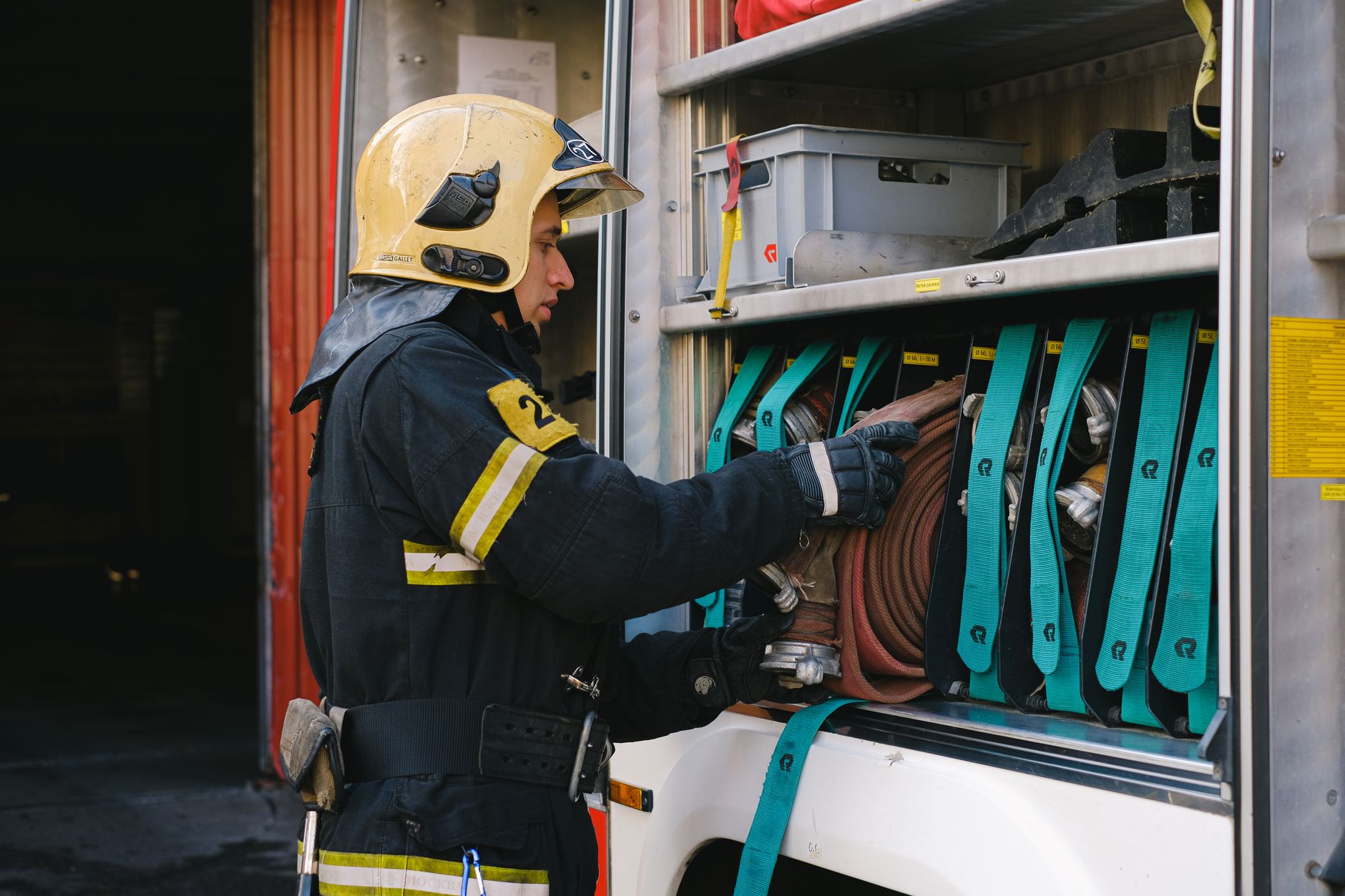
- Infrastructure assessment teams are being deployed to evaluate the extent of damage to critical facilities like roads, bridges, and power grids, which is essential for restoring connectivity and enabling the delivery of humanitarian aid. Rebuilding these vital lifelines is a long-term endeavor, but initial assessments are crucial for planning immediate logistical routes and long-term recovery strategies.
- A national task force has been formed, comprising representatives from various government ministries, military, and civil defense organizations, to coordinate the overall disaster response. This integrated approach aims to ensure efficient resource allocation, prevent duplication of efforts, and provide a unified command structure for managing the complex aftermath of the earthquake.
The Policy History
Venezuela, situated in a seismically active zone, has a long history of earthquake preparedness policies, though their effectiveness has often been hampered by economic instability and political challenges. Historically, the nation has adopted building codes inspired by international standards, particularly those from Chile and California, which are known for their robust seismic engineering requirements. However, consistent enforcement and regular updates to these codes have been sporadic, leading to a patchwork of compliance across different regions and construction eras. Many older structures, especially in densely populated urban areas, were built before modern seismic standards were widely adopted or rigorously enforced, making them particularly vulnerable to significant tremors.
In the wake of previous, less severe seismic events, the government has periodically launched public awareness campaigns and emergency drills aimed at educating citizens on earthquake safety protocols. These initiatives typically focus on 'drop, cover, and hold on' techniques, evacuation routes, and the importance of emergency kits. While well-intentioned, the reach and frequency of these campaigns have varied significantly, often diminishing in intensity during periods of economic hardship or political unrest. This inconsistent public engagement means that a substantial portion of the population may not be adequately prepared to react effectively when a major earthquake strikes, exacerbating the human cost of such disasters.
Furthermore, the nation's capacity for disaster response has been severely tested by its ongoing economic crisis. Years of underinvestment in public services, including healthcare infrastructure and civil defense, have left the country with limited resources to handle a catastrophe of this magnitude. Hospitals often lack essential medical supplies, and emergency services are stretched thin even during normal times. The current earthquake exposes these systemic vulnerabilities, highlighting the urgent need for not only immediate international aid but also a sustained commitment to rebuilding and strengthening Venezuela's disaster resilience framework, ensuring that future policies are not only well-conceived but also adequately funded and consistently implemented.
Who Is Affected
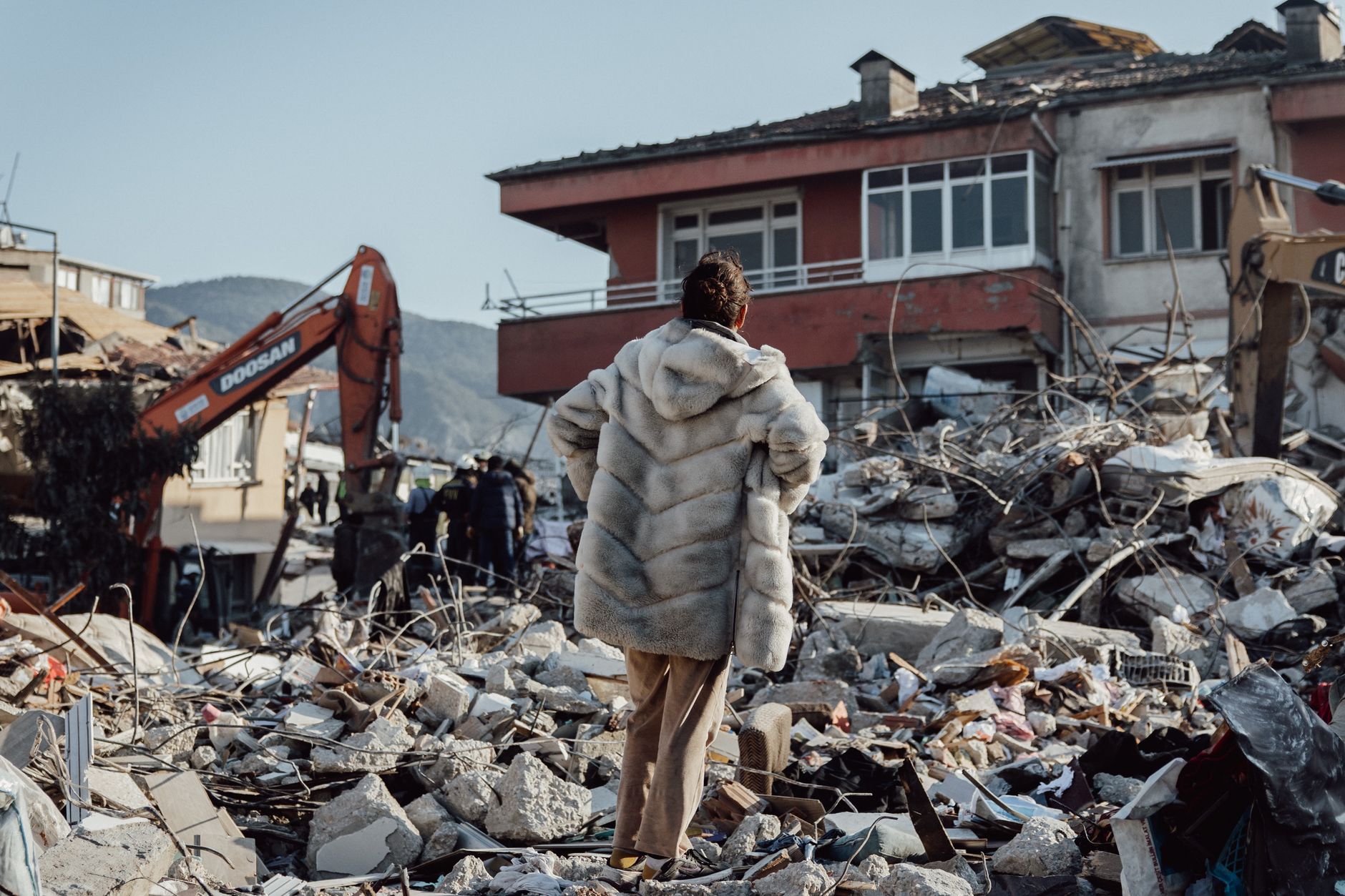
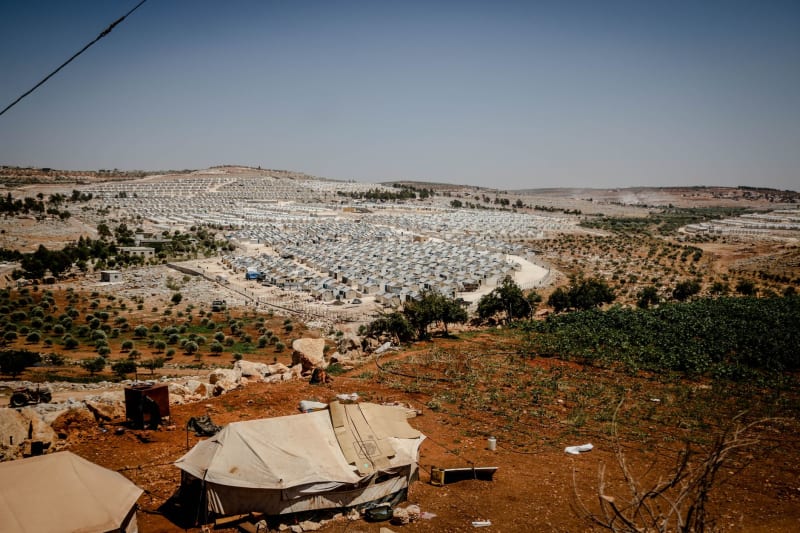
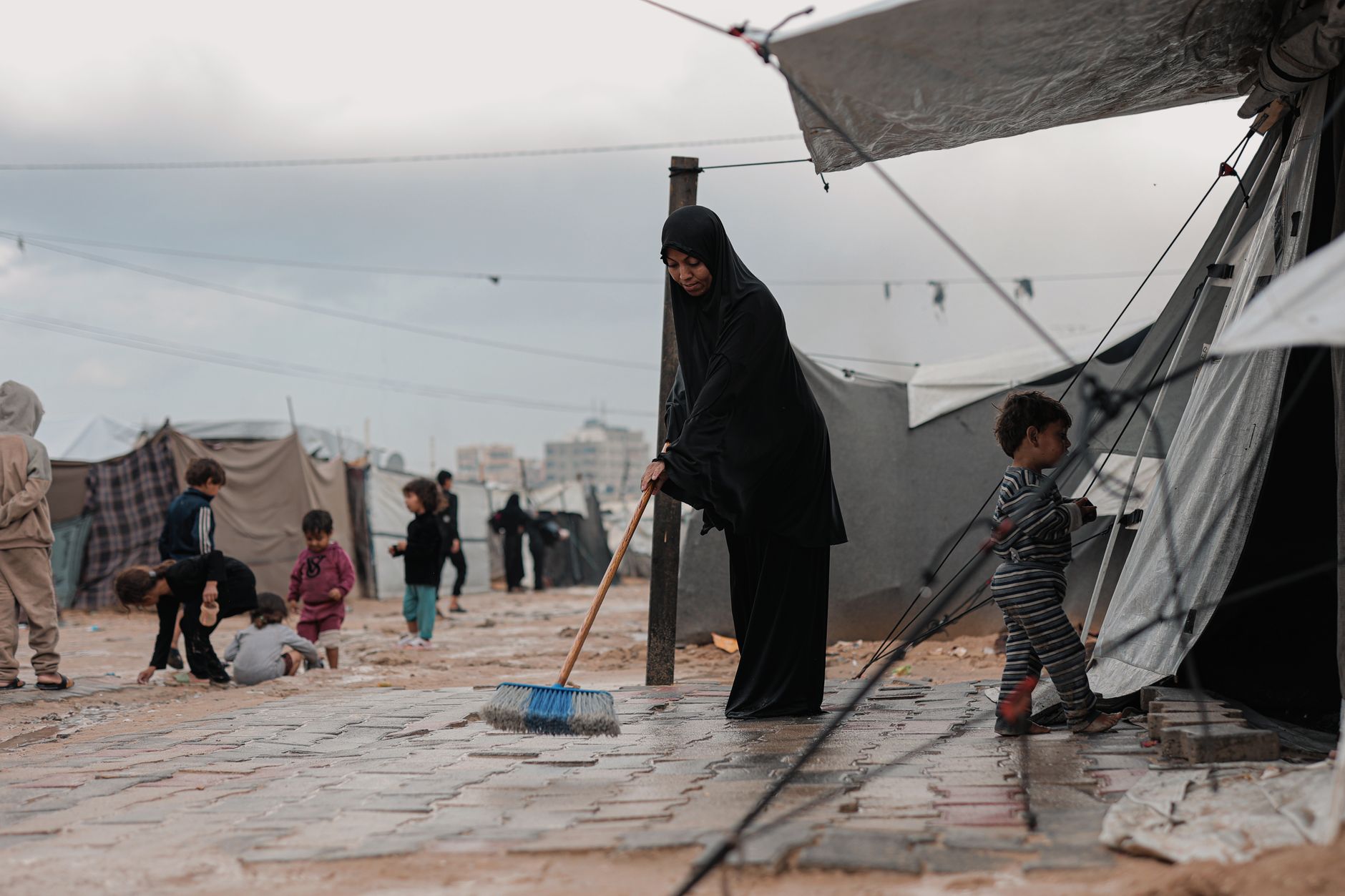
The immediate and most devastating impact of the earthquake has fallen upon the residents of the affected regions, particularly those living in densely populated urban centers and vulnerable rural communities where infrastructure is often older and less resilient. Thousands have lost their homes, their livelihoods, and, tragically, their loved ones. The sheer scale of the destruction means that entire families have been displaced, forced to seek shelter in temporary camps or with relatives, grappling with the profound trauma of witnessing their communities crumble. Many survivors are now facing a desperate struggle for basic necessities like clean water, food, and medical attention, with access to these vital resources severely hampered by damaged roads and communication breakdowns.
Beyond the immediate casualties, the earthquake has created a ripple effect of suffering across various demographics. Children, already a vulnerable group, are experiencing significant psychological distress, with many separated from parents or witnessing unimaginable scenes of devastation. The elderly and those with pre-existing medical conditions are particularly at risk, as access to specialized care and consistent medication has been severely disrupted. Women and girls in displacement camps face heightened risks, including issues related to hygiene, safety, and protection. The long-term mental health consequences for all survivors, including widespread PTSD and anxiety, will require sustained psychological support that is currently in short supply.
The economic fabric of the affected regions has been shattered, impacting small business owners, farmers, and daily wage earners who have seen their sources of income vanish overnight. Agricultural lands may be compromised, and local markets, which are the lifeblood of many communities, have been destroyed. This economic devastation will undoubtedly lead to increased poverty and food insecurity, creating a protracted recovery challenge that extends far beyond the immediate emergency phase. The international community's response will need to consider not only immediate humanitarian relief but also long-term strategies for economic rehabilitation and community rebuilding to prevent a secondary crisis of widespread destitution.
The Case For
The overwhelming humanitarian imperative serves as the primary argument for immediate and robust intervention. With thousands dead and tens of thousands injured, the scale of human suffering demands an urgent, coordinated global response. Providing aid is not merely an act of charity but a fundamental moral obligation to alleviate pain, save lives, and uphold human dignity in the face of an unforeseen catastrophe. Every hour counts in search and rescue operations, and the rapid deployment of medical teams, emergency shelters, food, and clean water can dramatically reduce the death toll and prevent secondary crises such as disease outbreaks and starvation among the displaced populations.
Furthermore, international assistance can significantly bolster Venezuela's strained national response capacity. The country's economic challenges have severely depleted its resources, leaving it ill-equipped to handle a disaster of this magnitude independently. External support, including specialized search and rescue units, heavy machinery for debris removal, and logistical expertise, can fill critical gaps that local authorities simply cannot address. This collaborative approach ensures that relief efforts are more efficient, effective, and far-reaching, reaching the most remote and hardest-hit areas that might otherwise remain cut off and without aid for extended periods, exacerbating their already dire situation.
Beyond immediate relief, international engagement can lay the groundwork for long-term recovery and resilience. By participating in the reconstruction efforts, global partners can help Venezuela rebuild safer infrastructure, implement more robust building codes, and strengthen its disaster preparedness mechanisms. This isn't just about restoring what was lost but about building back better, incorporating lessons learned from this tragedy to create communities that are more resilient to future seismic events. Such sustained support fosters goodwill, strengthens diplomatic ties, and demonstrates a collective commitment to global stability and humanitarian principles, ensuring that the country is better equipped to face future challenges.
The Case Against
While the humanitarian crisis is undeniable, some arguments against unrestricted international aid often stem from concerns about the Venezuelan government's capacity and transparency in managing such assistance. Critics point to past instances where aid has allegedly been mismanaged, diverted, or politicized, failing to reach the intended beneficiaries. There are legitimate fears that aid could be used to prop up a regime facing international sanctions or that it might not be distributed equitably, with certain regions or groups receiving preferential treatment. These concerns, while not negating the need for aid, call for stringent oversight mechanisms and direct channels for distribution to ensure accountability and effectiveness.
Another significant concern revolves around the potential for political interference or the perception of it. In a country with a complex political landscape and strained international relations, the entry of foreign aid organizations and personnel can be viewed with suspicion by the host government. There's a delicate balance between providing necessary assistance and respecting national sovereignty. Some argue that an overly robust international presence could be seen as an infringement on Venezuela's internal affairs, potentially leading to bureaucratic hurdles, restrictions on access, and even a backlash that could impede rather than facilitate aid delivery. Navigating these geopolitical sensitivities requires careful diplomatic engagement and a clear understanding of the local context.
Furthermore, the long-term sustainability and impact of external aid are often debated. While immediate emergency relief is critical, a reliance on foreign assistance for reconstruction and recovery can sometimes undermine local capacity building and create dependency. Critics suggest that without a clear strategy for transitioning from emergency aid to sustainable, locally-driven development, the benefits of international intervention might be fleeting. The argument is that aid should be structured to empower local communities and institutions, fostering self-sufficiency rather than creating a perpetual need for external support, especially in a country already grappling with significant economic and governance challenges that predate the earthquake.
Policy Questions Answered
Implementation Watch
The immediate phase of disaster response is critically focused on search and rescue operations, a monumental task complicated by the sheer scale of collapsed structures and the potential for aftershocks. The effectiveness of these operations hinges on rapid deployment, access to specialized equipment, and coordination among diverse teams, both domestic and international. Observers are closely monitoring how quickly and efficiently rescue efforts are reaching the most remote and hardest-hit areas, as initial hours are paramount for saving lives trapped under rubble. Logistical bottlenecks, such as damaged roads and communication outages, pose significant challenges that could severely impede the pace and reach of these life-saving missions, making real-time information sharing and adaptive strategies absolutely essential for success.
Beyond the immediate rescue, the distribution of humanitarian aid—food, water, medical supplies, and shelter—is under intense scrutiny. The challenge lies not only in securing sufficient supplies but also in ensuring their equitable and timely delivery to the tens of thousands of displaced and injured individuals. Concerns about potential aid diversion or politicization necessitate robust monitoring mechanisms. International organizations are working to establish transparent supply chains and direct distribution channels, often bypassing traditional government structures where trust might be low. The ability to reach vulnerable populations without undue bureaucratic delays or interference will be a key indicator of the overall success of the relief effort and the government's commitment to humanitarian principles.
Looking ahead, the long-term implementation of recovery and reconstruction policies will define Venezuela's path forward. This includes the enforcement of updated building codes, investment in resilient infrastructure, and the establishment of sustainable housing solutions for those who have lost everything. The challenge will be to translate initial emergency responses into a coherent, well-funded, and transparent recovery plan that addresses both immediate needs and systemic vulnerabilities. International financial institutions and donor countries will be watching closely to ensure that aid is not just spent but invested wisely, building a more resilient Venezuela and fostering accountability in the reconstruction process, which could take years, if not decades, to complete.








Comments
No comments yet. Be the first to comment!