


Policy Snapshot
- Iran is currently navigating a critical period of national mourning and political transition following the death of its Supreme Leader, Ayatollah Ali Khamenei.
- The succession process for the Supreme Leader is constitutionally defined, involving the Assembly of Experts, a body of 88 clerics responsible for selecting the next spiritual and political head of the nation.
- International observers are closely monitoring the stability of Iran's internal power structures and the potential implications for its foreign policy, particularly regarding its nuclear program and regional influence.
- Former U.S. President Donald Trump has publicly stated a policy of non-aggression during the funeral period, indicating a temporary de-escalation of rhetoric from a key international player.
- The global community remains vigilant, assessing how this leadership change might impact ongoing diplomatic efforts and regional security dynamics in the Middle East.
- Economic sanctions against Iran, primarily imposed by the United States, continue to be a significant factor influencing the country's internal stability and its engagement with the international financial system.
The Policy History
The office of the Supreme Leader in Iran, established after the 1979 Islamic Revolution, is the paramount religious and political authority in the country. This position holds ultimate power over all major state policies, including foreign policy, military, and judicial decisions. The Supreme Leader is not merely a figurehead; he is the commander-in-chief of the armed forces, controls the state media, and has the final say on all significant national matters. The passing of Ayatollah Ali Khamenei, who held this position for over three decades, marks a monumental shift in Iran's political landscape, triggering a meticulously defined, yet inherently complex, succession process.
Historically, the transition of power for the Supreme Leader has been a moment of both national unity and underlying political tension. The Assembly of Experts, an elected body of senior clerics, is constitutionally tasked with selecting the new leader. This process involves rigorous deliberation and often behind-the-scenes maneuvering among various clerical factions and political power brokers. The criteria for selection include religious scholarship, political acumen, and the ability to command the respect of the Shi'ite clergy and the Iranian populace. The selection of Khamenei himself after Ayatollah Ruhollah Khomeini's death was a pivotal moment, demonstrating the adaptability and resilience of the Islamic Republic's institutional framework.
The international community's response to such transitions is always fraught with speculation and strategic calculations. Given Iran's significant role in regional geopolitics, its nuclear program, and its complex relationship with Western powers, any change at the apex of its leadership sends ripples across the globe. Previous transitions have seen varying degrees of international engagement, from cautious observation to direct diplomatic overtures. The current context, marked by heightened tensions in the Middle East and ongoing discussions about Iran's nuclear ambitions, makes this particular succession even more critical for global stability and regional security.
Who Is Affected
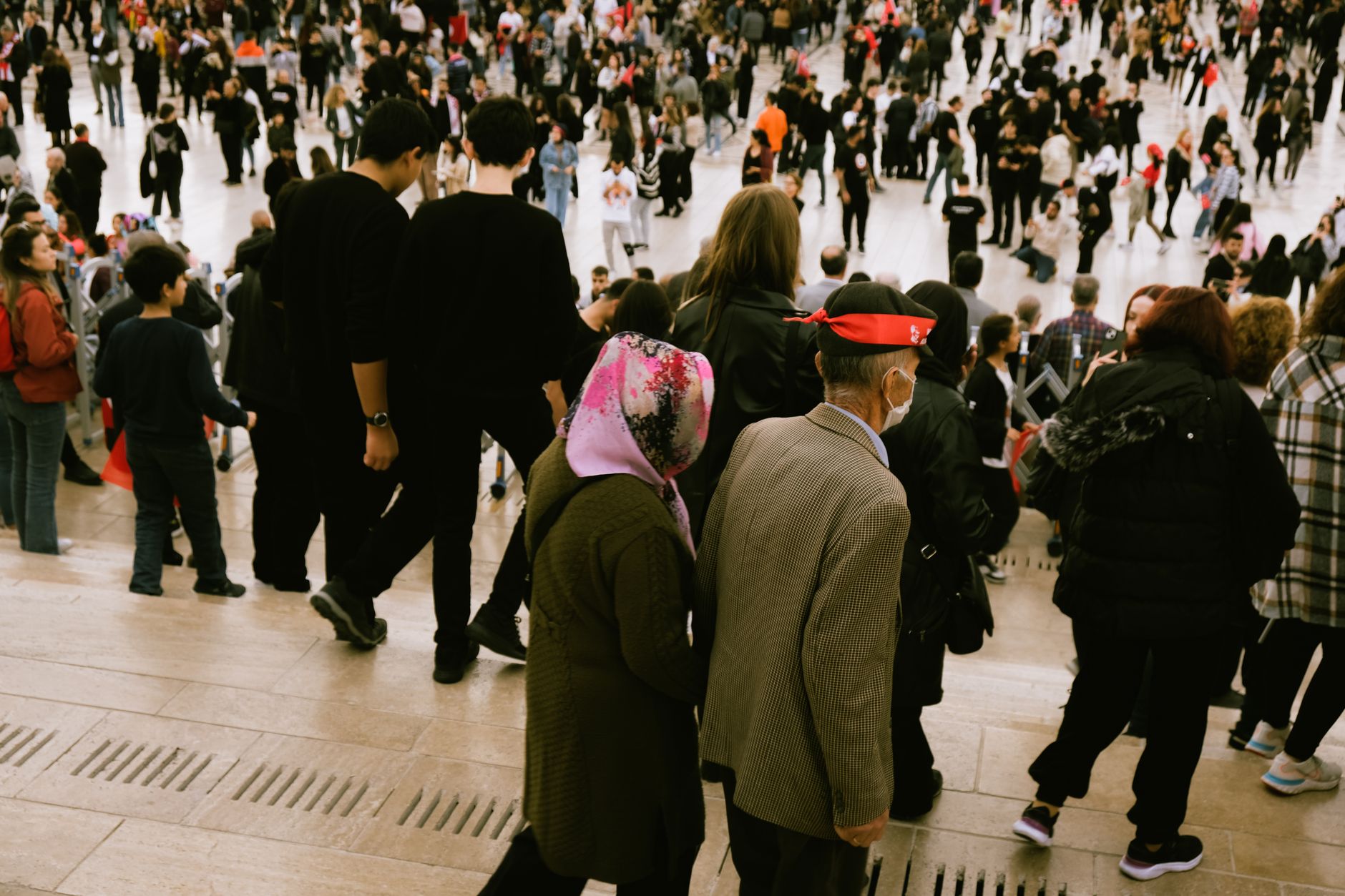
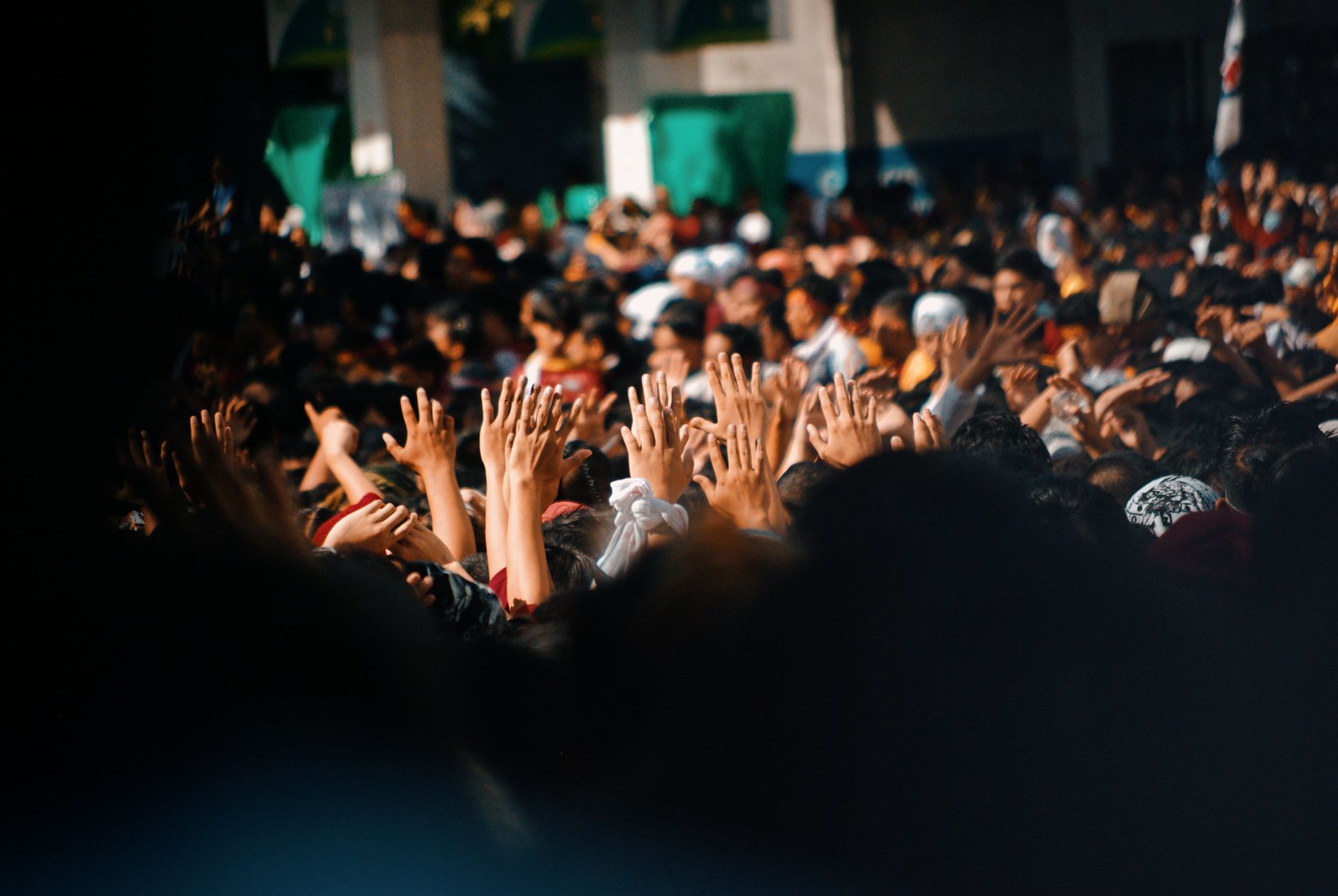
The immediate and most profoundly affected are the citizens of Iran. Millions have poured into the streets, demonstrating a deep sense of national mourning and religious devotion. For many, the Supreme Leader is not just a political figure but a spiritual guide, and his passing leaves a significant void. Beyond the emotional impact, the transition introduces an element of uncertainty into daily life, potentially affecting economic stability, social policies, and the overall direction of the country. Businesses, both large and small, will be watching for any shifts in economic policy or international relations that could impact trade and investment.
Regionally, Iran's allies and adversaries alike are on high alert. Proxies and allied groups across the Middle East, from Hezbollah in Lebanon to various militias in Iraq and Syria, will be closely observing the new leadership for signals regarding continued support and strategic direction. Conversely, countries like Saudi Arabia and Israel, which view Iran as a primary threat, are meticulously analyzing the potential for shifts in Iranian foreign policy that could either escalate or de-escalate regional tensions. The delicate balance of power in the Persian Gulf could be significantly altered depending on the new leader's stance and priorities.
Globally, major powers such as the United States, European Union nations, China, and Russia are all directly affected by this transition. Iran's nuclear program, its role in global oil markets, and its influence on international terrorism and cybersecurity are all factors that demand close attention. The potential for a more hardline or more moderate leader could reshape diplomatic engagements, international sanctions regimes, and even global energy prices. Former President Trump's statement of restraint during the funeral period underscores the global recognition of the sensitivity and potential volatility of this leadership change, highlighting the need for cautious international engagement.
The Case For
From an internal Iranian perspective, the structured succession process, overseen by the Assembly of Experts, is a testament to the institutional strength and stability of the Islamic Republic. This mechanism ensures a smooth transfer of power, preventing a vacuum that could lead to widespread instability or internal conflict. The very existence of such a defined process, enshrined in the constitution, provides a framework for continuity, allowing the state to maintain its functions and policies even during a period of profound national mourning. This orderly transition reinforces the legitimacy of the system, both domestically and internationally.
Furthermore, a new Supreme Leader could potentially bring fresh perspectives and a renewed mandate to address pressing national and international challenges. While the core ideological tenets of the Islamic Revolution are expected to remain, a new leader might adopt different approaches to economic reform, social policy, or diplomatic engagement. This could open avenues for more pragmatic solutions to issues like the ongoing economic hardships faced by the Iranian populace, or even a recalibration of Iran's stance on its nuclear program, potentially leading to more constructive dialogue with the international community. The potential for a strategic pivot, however subtle, represents an opportunity for evolution.
For the international community, the measured response, exemplified by former President Trump's statement, highlights a collective understanding of the need for de-escalation during such a sensitive period. This cautious approach minimizes the risk of miscalculation or unintended escalation, which could have catastrophic consequences in an already volatile region. By refraining from provocative rhetoric or actions, global powers create an environment conducive to stability, allowing Iran to manage its internal transition without external pressures exacerbating existing tensions. This period of restraint can serve as a crucial window for diplomatic groundwork, even if informal, to prepare for future engagements with the new Iranian leadership.
The Case Against
The primary concern surrounding the succession is the inherent unpredictability of a new, untested leader. While the Assembly of Experts follows a constitutional process, the political leanings, ideological rigidity, and diplomatic style of the incoming Supreme Leader are unknown variables. A more hardline successor could lead to a significant escalation of regional tensions, a more aggressive stance on the nuclear program, and a further deterioration of relations with Western powers. This uncertainty can destabilize an already fragile Middle East, potentially sparking new conflicts or intensifying existing ones, thereby undermining global security efforts.
Internally, the transition could exacerbate existing social and economic grievances within Iran. The passing of a long-serving leader often creates an opportunity for various factions to vie for influence, potentially leading to internal power struggles or increased dissent. If the new leader fails to address the deep-seated economic challenges, such as inflation and unemployment, or if they adopt more repressive social policies, it could ignite widespread protests and civil unrest. Such internal instability would not only be detrimental to the Iranian people but could also spill over its borders, creating a refugee crisis or further regional destabilization.
From an international relations perspective, the lack of a clear, unified global strategy for engaging with the new Iranian leadership presents a significant challenge. While some nations may advocate for continued diplomatic pressure and sanctions, others might push for renewed engagement and negotiation. This divergence in approaches could weaken the international community's ability to effectively address critical issues like nuclear proliferation, regional proxy conflicts, and human rights concerns. The absence of a cohesive international front might embolden a hardline Iranian leadership to pursue policies that are contrary to global stability and peace, making future diplomatic breakthroughs increasingly difficult.
Policy Questions Answered
Implementation Watch
The immediate focus of implementation will be on the smooth and constitutional selection of the new Supreme Leader by the Assembly of Experts. This process, while seemingly internal, will be meticulously watched by both domestic factions and international observers for any signs of dissent, political maneuvering, or deviation from established protocols. The speed and consensus with which a new leader is chosen will be a critical indicator of the stability and unity within Iran's ruling establishment. Any prolonged deadlock or visible internal strife during this period could signal deeper challenges to the regime's authority and control.
Once a new Supreme Leader is in place, the world will be closely monitoring the initial policy pronouncements and appointments made under his authority. These early decisions will provide crucial insights into the direction Iran intends to take on key issues, including its nuclear program, regional foreign policy, and economic strategy. Changes in the leadership of key institutions, such as the Revolutionary Guard Corps, the judiciary, or the foreign ministry, will be particularly telling. The international community will be looking for signals that either reinforce the status quo, indicate a more confrontational approach, or suggest a willingness for renewed engagement.
Furthermore, the implementation of any new policies or shifts in strategic direction will be complicated by the ongoing economic challenges facing Iran, exacerbated by international sanctions. The new leadership will need to navigate a complex domestic landscape marked by public expectations for improved living standards and a desire for greater social freedoms. How effectively the new Supreme Leader addresses these internal pressures, while simultaneously managing Iran's external relations and strategic objectives, will be a defining test of his leadership and will significantly impact the country's trajectory in the coming years. The world watches with bated breath as this critical transition unfolds.









Comments
No comments yet. Be the first to comment!