
The Story in Brief
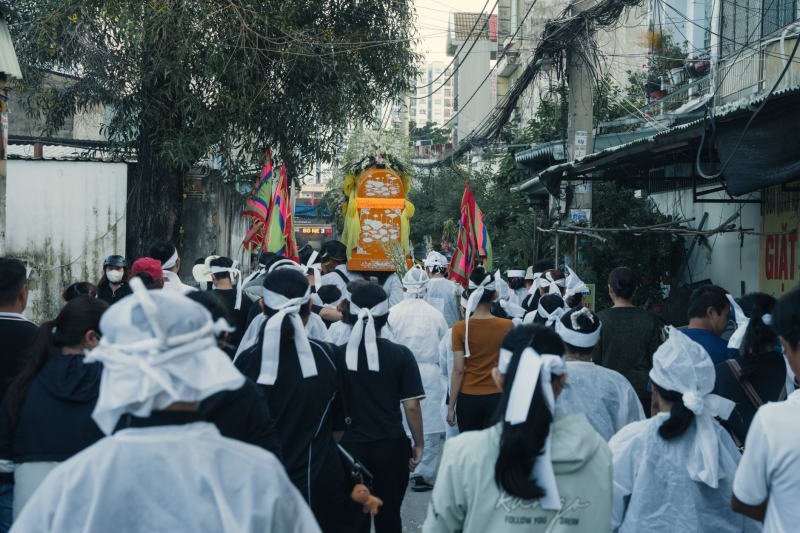
- Iran has officially commenced a multi-day funeral procession for its Supreme Leader, Ayatollah Ali Khamenei, following his sudden and unexpected death, marking a pivotal moment in the nation's history.
- The Supreme Leader's passing occurred amidst an active conflict, raising immediate concerns about leadership stability and the potential for intensified regional tensions during this critical transition period.
- Millions of mourners are expected to participate in the elaborate ceremonies, which will span several major cities, underscoring the profound impact of Khamenei's leadership on the Iranian populace and the state's religious-political identity.
- The death of Ayatollah Khamenei triggers a complex and highly sensitive succession process, with the Assembly of Experts now tasked with selecting his successor, a decision that will shape Iran's trajectory for decades.
- International observers are closely monitoring the unfolding events, anticipating significant geopolitical ramifications for the Middle East and global powers, particularly concerning Iran's nuclear program and its proxy networks.
- Security forces across Iran have been placed on high alert to manage the massive crowds and prevent any potential unrest or opportunistic challenges to the established order during this period of national mourning and political uncertainty.
The Human Face
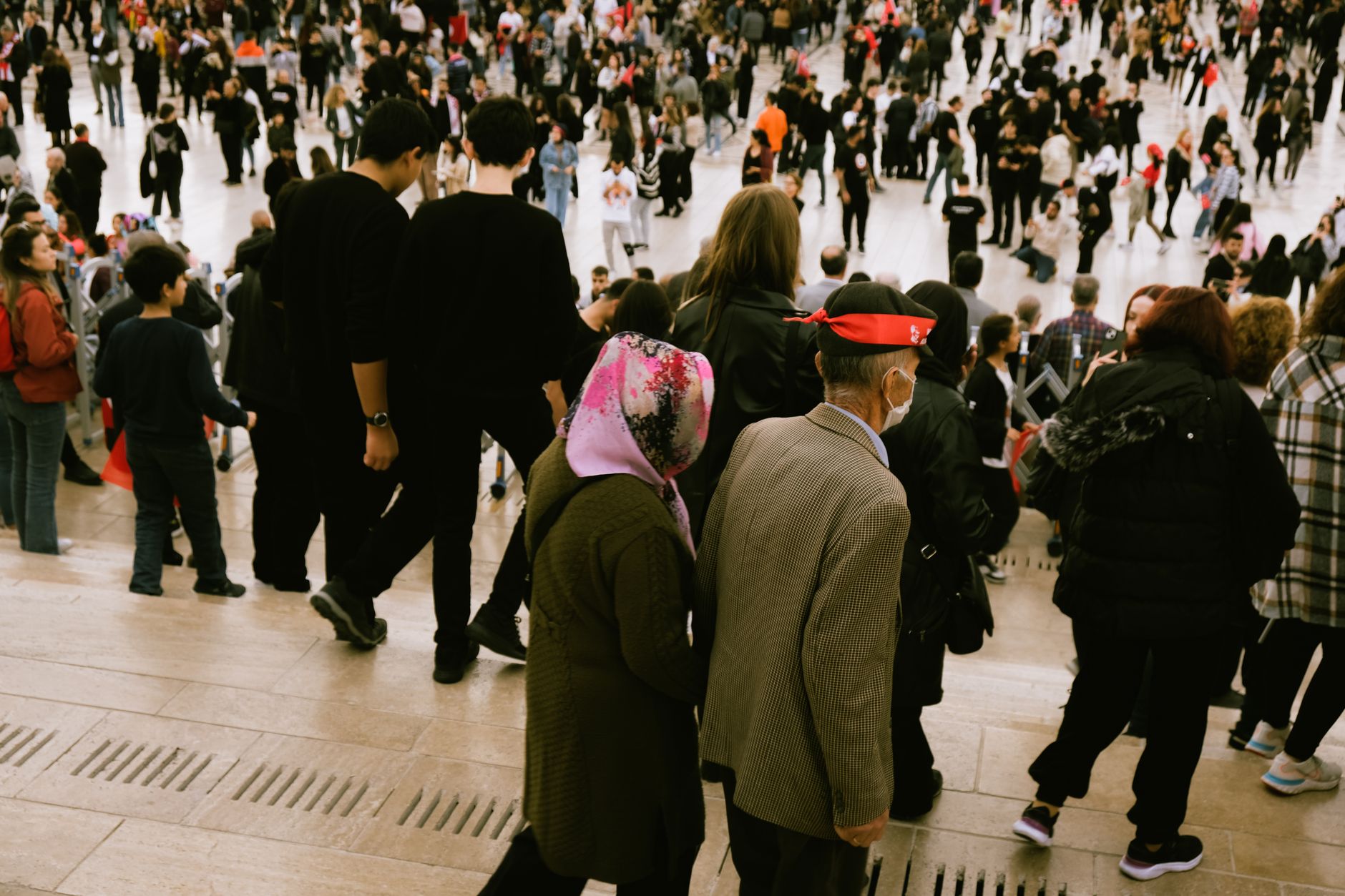
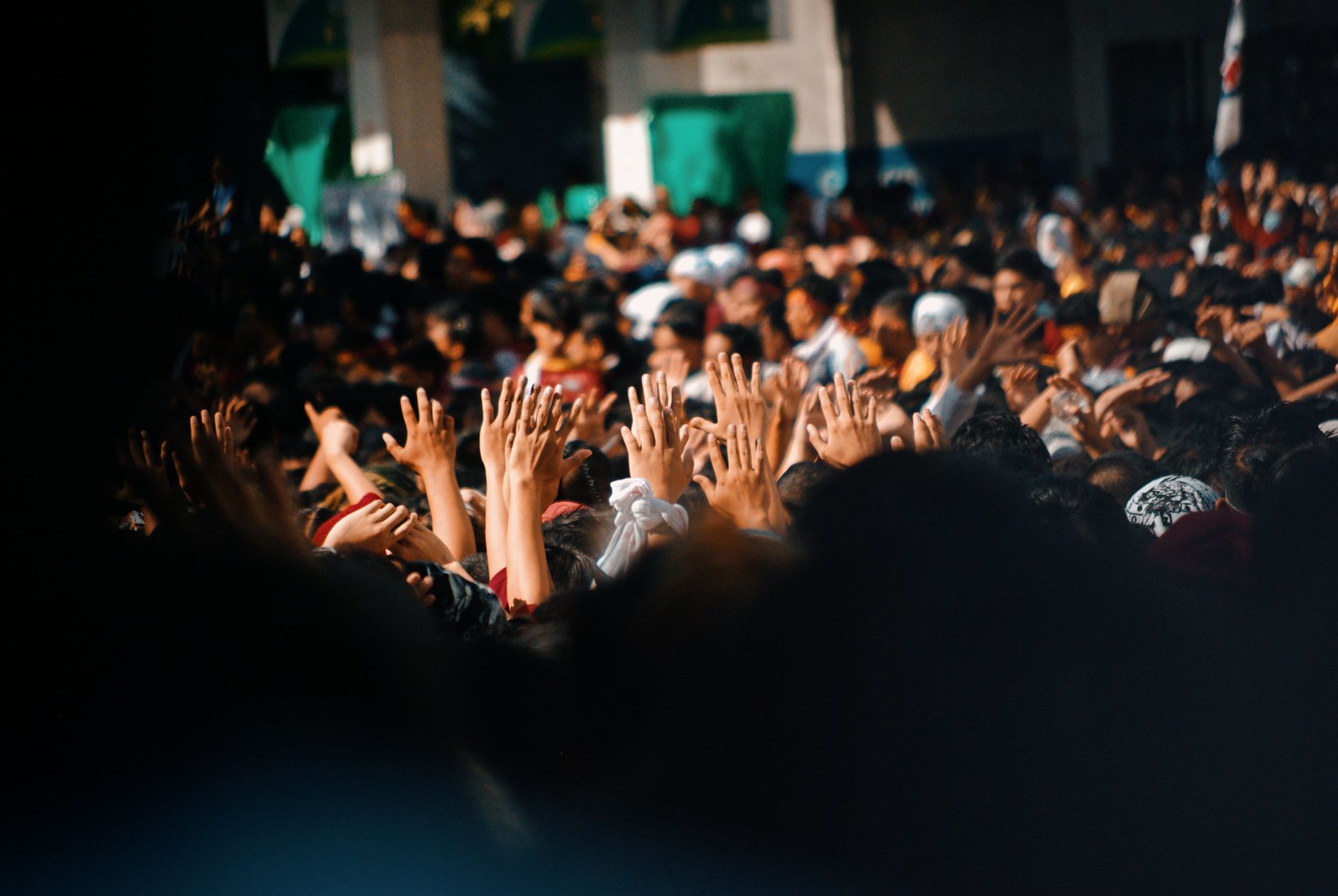
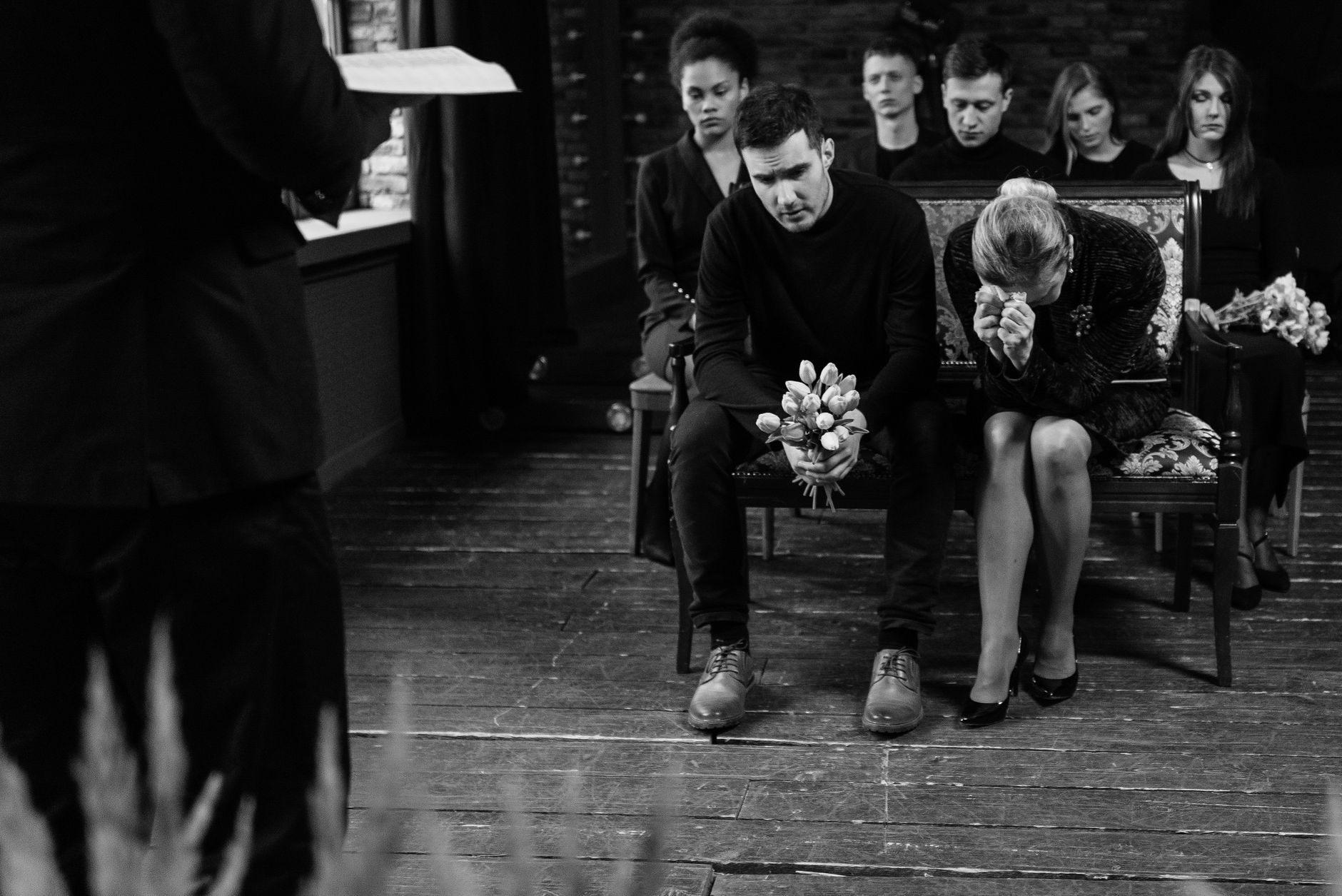
The streets of Tehran and other major Iranian cities are now awash with a sea of black-clad mourners, their faces etched with a complex mix of grief, uncertainty, and nationalistic fervor. For many, Ayatollah Ali Khamenei was more than just a political leader; he was the spiritual guide, the embodiment of the Islamic Revolution, and a constant presence in their lives for over three decades. His death, particularly in the midst of an ongoing war, has sent shockwaves through every household, forcing individuals to confront a future without the figurehead who has steered the nation through countless crises and triumphs. The emotional outpouring is palpable, ranging from genuine sorrow among his devout followers to a more subdued, watchful apprehension among those who harbored dissent, all united by the sheer scale of this historical transition.
Families gather, discussing the implications of this seismic shift. The elderly recount memories of the revolution and the early days of Khamenei's leadership, sharing stories that intertwine personal histories with the nation's narrative. Younger generations, who have known no other Supreme Leader, grapple with the abstract concept of a new era, wondering how it will impact their daily lives, their economic prospects, and their freedoms. The collective psyche of Iran is undergoing a profound reorientation, as individuals process not just the loss of a leader, but the potential redefinition of their national identity and their place in a volatile world. This period of mourning is also a period of deep introspection for millions.
Beyond the official ceremonies, whispers of hope and fear circulate. Some express cautious optimism for potential reforms or a softening of hardline policies, while others dread the possibility of increased internal repression or heightened external conflict as factions vie for power. The human face of this transition is one of profound emotional complexity, where personal grief intersects with national destiny. The coming days and weeks will reveal how these individual sentiments coalesce into a collective response, shaping the ground reality for every Iranian citizen as the nation navigates its most significant leadership change in decades, all while the specter of war looms large.
How We Got Here
Ayatollah Ali Khamenei assumed the mantle of Supreme Leader in 1989, following the death of the Islamic Republic's founder, Ayatollah Ruhollah Khomeini. His ascension was not without controversy, as he lacked the highest clerical rank of Grand Ayatollah at the time, a prerequisite traditionally considered essential for the position. However, through a swift constitutional amendment and the backing of key political figures, he consolidated power, embarking on a tenure that would span over three decades. During this extensive period, Khamenei meticulously shaped Iran's domestic and foreign policies, asserting ultimate authority over all major state decisions, from military strategy to economic directives and cultural affairs. His leadership was characterized by a steadfast commitment to revolutionary ideals, anti-Western rhetoric, and the expansion of Iran's regional influence through a network of proxy forces.
Throughout his rule, Khamenei navigated numerous domestic challenges, including widespread protests, economic sanctions, and internal political factionalism. He skillfully maintained a delicate balance of power among various conservative and reformist elements, always ensuring that the ultimate authority remained firmly within the hands of the clerical establishment. Internationally, his era saw Iran develop its controversial nuclear program, engage in protracted negotiations with world powers, and play a central, often confrontational, role in Middle Eastern conflicts, particularly in Syria, Iraq, Yemen, and with Israel. His strategic vision consistently prioritized national sovereignty and resistance against perceived external pressures, cementing Iran's position as a formidable regional actor.
The immediate context of his death is particularly fraught. Iran is currently embroiled in a significant regional conflict, which has seen direct military confrontations and heightened tensions with adversaries. This wartime backdrop amplifies the urgency and potential instability of a leadership transition. For years, speculation about Khamenei's health and potential successors has been a constant undercurrent in Iranian politics, but the actual event of his passing, especially at such a critical juncture, has caught many by surprise. The stage is now set for a high-stakes succession process that will test the resilience of Iran's political system and inevitably redefine its domestic and international posture, all while the nation is actively engaged in conflict.
Why This Cannot Be Ignored
The death of Ayatollah Ali Khamenei is not merely an internal Iranian affair; it represents a seismic shift with profound implications for global stability and regional dynamics. As the Supreme Leader, Khamenei held ultimate authority over Iran's nuclear program, its vast military and intelligence apparatus, and its extensive network of proxy forces across the Middle East. His successor will inherit this immense power, and their ideological leanings, strategic vision, and approach to international relations will directly impact the trajectory of one of the world's most critical geopolitical flashpoints. Any misstep during this transition could escalate existing conflicts, destabilize fragile alliances, or even trigger new confrontations, making it imperative for international actors to closely monitor every development.
Beyond the immediate security concerns, the succession process will also dictate the future of Iran's domestic landscape. Khamenei's death opens a rare window for potential internal reforms or, conversely, a hardening of the existing hardline stance. The direction taken by the new Supreme Leader will affect the rights and freedoms of millions of Iranian citizens, influence the nation's economic policies, and determine its social fabric. A more repressive regime could spark renewed internal dissent, while a more moderate one might open avenues for engagement. The world has a vested interest in a stable, less confrontational Iran, and the choices made in the coming weeks will set the tone for decades to come.
Furthermore, the timing of this leadership change, amidst an active war, amplifies its significance. A power vacuum or a contested succession could embolden adversaries or create opportunities for opportunistic interventions, potentially drawing more regional and global powers into the conflict. The ripple effects could extend far beyond the Middle East, impacting global energy markets, international trade routes, and the broader geopolitical balance. Ignoring these developments would be a grave error, as the stability of Iran, a nation at the crossroads of major civilizations and strategic interests, is inextricably linked to the peace and security of the entire international community. The world must pay close attention to prevent unintended consequences from spiraling out of control.
Possible Paths Forward
The immediate path forward for Iran involves a highly structured, albeit opaque, succession process. The Assembly of Experts, a body of 88 high-ranking clerics, is constitutionally tasked with selecting the next Supreme Leader. This process is expected to be swift, aiming to project an image of stability and continuity, especially given the ongoing conflict. Potential candidates, who have likely been vetted for years, include prominent figures within the clerical establishment, such as President Ebrahim Raisi or Khamenei's son, Mojtaba. The selection will hinge on a complex interplay of theological credentials, political influence, and the ability to command the loyalty of the Revolutionary Guard Corps and other powerful factions. The chosen successor will face the immediate challenge of consolidating power and demonstrating firm leadership during a period of national mourning and external pressure.
Beyond the immediate succession, Iran faces several critical strategic choices. One path could see a continuation of Khamenei's hardline policies, emphasizing resistance, anti-Western sentiment, and regional expansion. This would likely involve sustained support for proxy groups, continued development of the nuclear program, and a confrontational stance in international relations. Such a trajectory could lead to further isolation, intensified sanctions, and an increased risk of direct military confrontation. Alternatively, a new leader might cautiously explore avenues for de-escalation, seeking to alleviate economic pressures and improve relations with some regional and international partners. This would be a difficult pivot, requiring significant internal consensus and a willingness to compromise on long-held ideological positions, but it could offer a pathway to greater stability and economic relief for the Iranian populace.
The internal dynamics will also play a crucial role. The new Supreme Leader will need to manage the expectations of various power centers, including the Revolutionary Guard, the traditional clergy, and the political elite. The extent to which popular dissent, which has periodically flared up in recent years, is either suppressed or accommodated will define the domestic landscape. The ongoing war adds another layer of complexity, demanding a leader capable of both military strategy and diplomatic finesse. The chosen path will not only determine Iran's future but also significantly impact the broader Middle East, dictating the likelihood of peace or continued conflict in a region already teetering on the brink. The world watches to see if Iran chooses continuity, confrontation, or a cautious re-evaluation of its strategic direction.

Questions People Are Actually Asking
What to Watch
- The speed and consensus of the Assembly of Experts' decision on the new Supreme Leader will be a critical indicator of internal stability; a swift, unanimous decision suggests strong internal cohesion, while a prolonged or contested process could signal factional struggles and potential instability.
- Observe the rhetoric and initial policy statements of the new Supreme Leader regarding Iran's nuclear program and its stance on international agreements; any significant deviation from Khamenei's established positions could trigger immediate global reactions and diplomatic shifts.
- Monitor the reactions of Iran's regional adversaries, particularly Israel and Saudi Arabia, as well as its proxy groups like Hezbollah and the Houthis; their responses will offer insights into the perceived strength or vulnerability of the new Iranian leadership and potential for regional escalation.
- Pay close attention to any shifts in the role or public statements of the Islamic Revolutionary Guard Corps (IRGC); their allegiance and influence are paramount, and any indication of internal dissent or a power grab could have profound implications for Iran's future.
- Track the economic situation and any potential for renewed or intensified public protests within Iran; the new leader's ability to address domestic grievances and manage economic hardship will be crucial for maintaining internal stability and legitimacy.
- Analyze the international community's response, particularly from the United States, European Union, and China; their diplomatic overtures, sanctions policies, or security postures will shape Iran's external environment and its options for navigating this critical transition period.




Comments
No comments yet. Be the first to comment!