
The Numbers
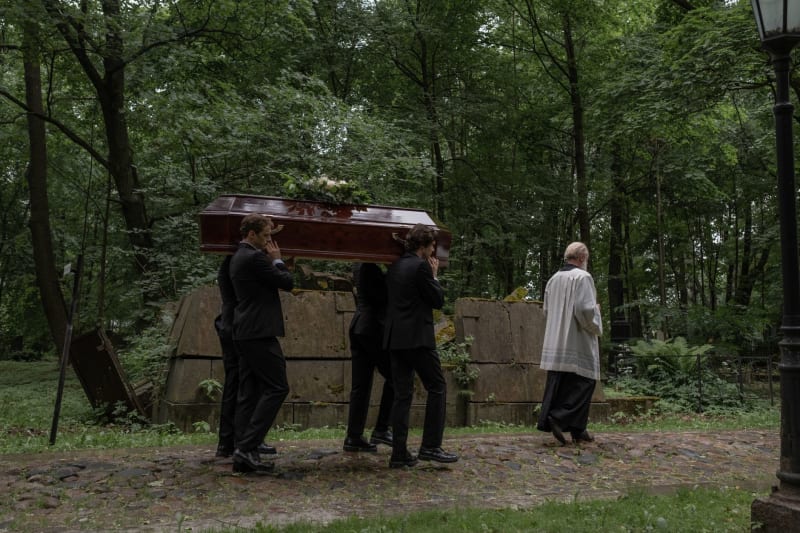
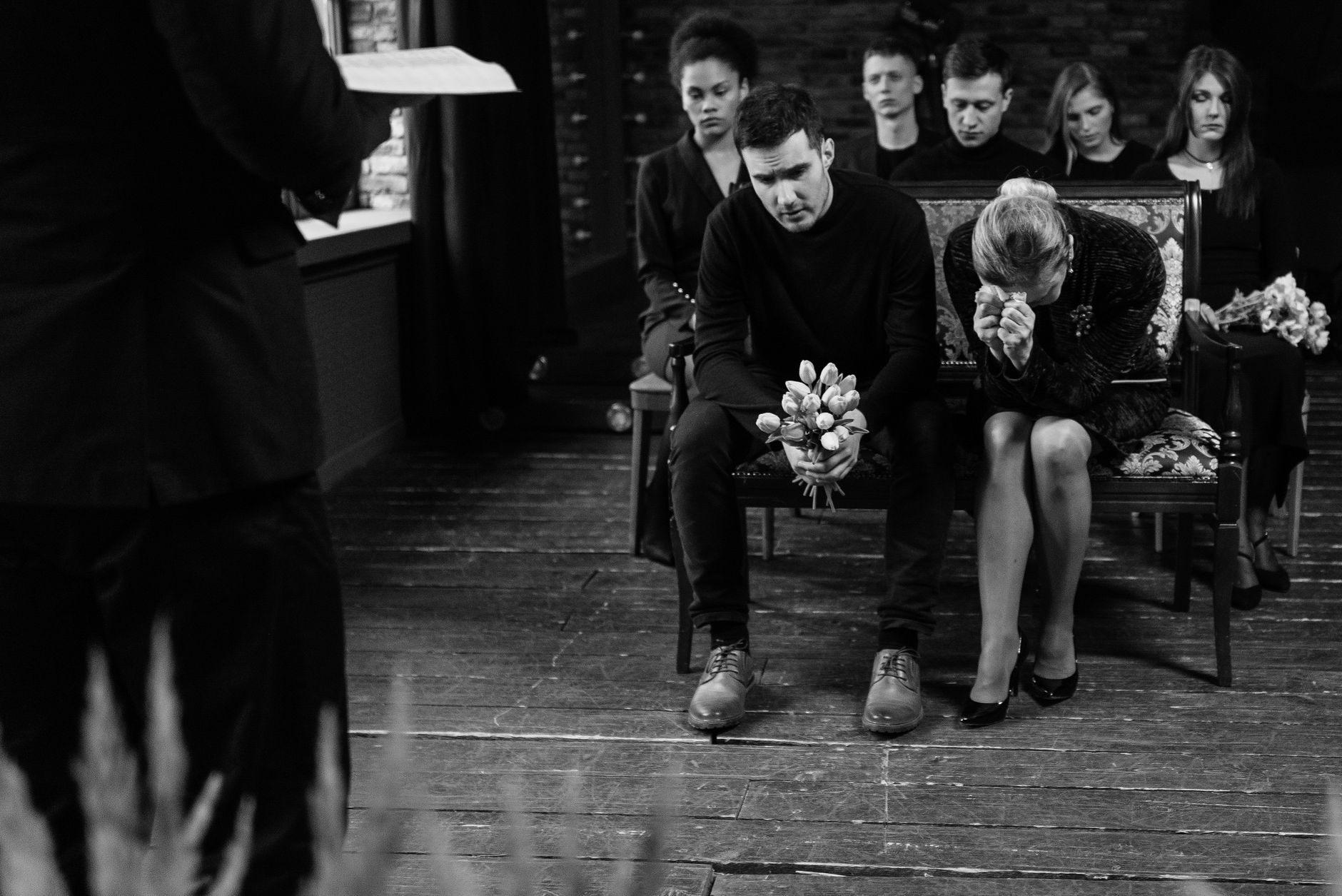
- A grueling 5-day national mourning period has been declared by the state, forcing the complete closure of all government offices, schools, and financial institutions across Iran.
- Over 12 foreign delegations, primarily representing regional proxy networks and allied non-Western nations, are expected to arrive in Tehran under unprecedented security protocols.
- An estimated 88 members of the Assembly of Experts are currently being mobilized to convene behind closed doors to debate and ultimately select the next Supreme Leader.
- More than 150,000 security personnel, including the Islamic Revolutionary Guard Corps (IRGC) and Basij militia, have been deployed to secure the capital's perimeter and funeral routes.
- Iran is facing a staggering inflation rate hovering above 40 percent, which severely limits the regime's capacity to absorb any prolonged economic disruptions during this transition.
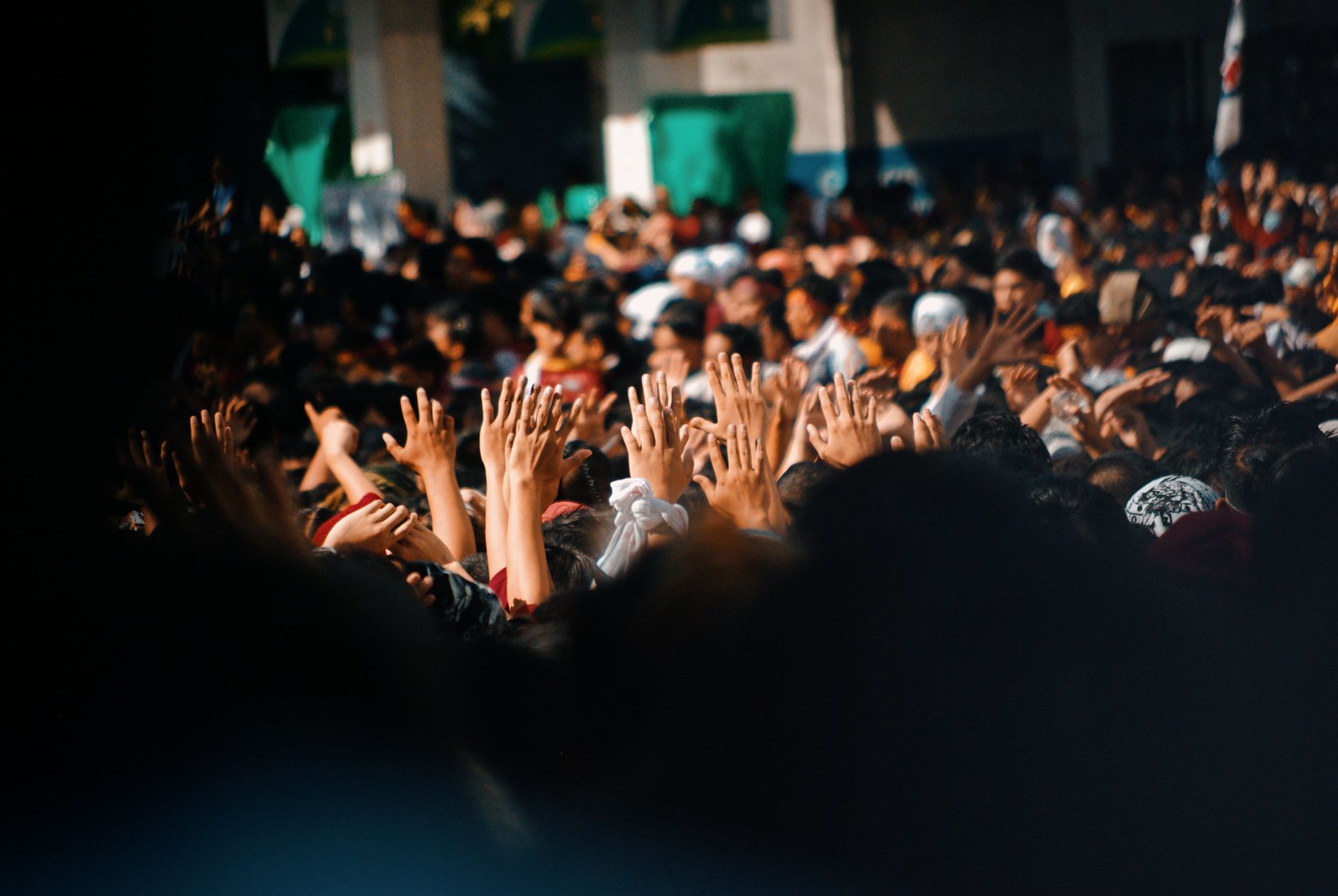
- A massive mobilization effort involving thousands of state-subsidized buses has been launched to transport rural supporters to Tehran to project an image of overwhelming national unity.
Context Check
The passing of Ayatollah Ali Khamenei marks the end of an era that spanned over three decades, during which the clerical establishment consolidated absolute control over Iran's political, social, and economic spheres. This transition occurs at a moment of profound domestic vulnerability, characterized by persistent civil unrest, systemic corruption, and a collapsing national currency. The regime's primary objective during this mourning period is to project an image of seamless continuity and unwavering strength to both its domestic adversaries and foreign rivals.
Historically, transitions of power in revolutionary Iran have been fraught with intense behind-the-scenes maneuvering and factional warfare. The 1989 succession that brought Khamenei to power was itself a highly contested affair that required swift constitutional maneuvering to bypass established religious requirements. Today, the stakes are arguably much higher, as the Islamic Revolutionary Guard Corps (IRGC) has evolved from a military force into a dominant economic and political empire that will demand a decisive say in the selection of the next leader.
Furthermore, the regional landscape has never been more volatile, with Iran's network of proxy forces, known as the Axis of Resistance, facing intense military pressure from Israel and Western allies. The loss of the central decision-maker in Tehran could lead to coordination failures among these groups, threatening Iran's forward defense strategy. Consequently, the regime must execute this succession with absolute precision to prevent its external adversaries from exploiting any perceived vacuum of leadership or internal discord.
Background
Ayatollah Ali Khamenei assumed office in 1989 following the death of the Islamic Republic's founder, Ayatollah Ruhollah Khomeini, inheriting a nation deeply scarred by an eight-year war with Iraq. Over the subsequent thirty-five years, Khamenei systematically marginalized reformist politicians, elevated the IRGC to unparalleled heights of power, and pursued a highly confrontational foreign policy centered on anti-Western and anti-Zionist ideology. His tenure was defined by a rigid refusal to compromise on core revolutionary principles, even in the face of crippling international sanctions.
Under his leadership, Iran successfully expanded its regional footprint, establishing deep-seated influence in Lebanon, Syria, Iraq, and Yemen through its support of various militant factions. However, this aggressive regional expansion came at a massive financial cost, drawing resources away from a domestic economy that was increasingly suffering from mismanagement and isolation. The resulting economic hardship fueled successive waves of nationwide protests, most notably in 2009, 2019, and 2022, all of which were met with brutal state repression.
The institutional framework of the Islamic Republic is now facing its ultimate test, as the complex dual system of theocratic authority and republican institutions must find a way to reconcile. While the Assembly of Experts is constitutionally mandated to choose the successor, the reality is that the selection process will be heavily influenced by unelected security elites. This tension between formal constitutional procedures and informal power dynamics has created a highly unpredictable environment as the nation prepares to bury its longest-serving leader.
Winners and Losers
The primary winner in this transition is likely to be the Islamic Revolutionary Guard Corps (IRGC), which has spent decades positioning itself as the indispensable guardian of the regime. By leveraging its vast intelligence apparatus and control over key economic sectors, the IRGC is poised to act as the ultimate kingmaker, ensuring that whoever assumes the office of Supreme Leader is highly dependent on their military backing. This will likely result in a more militarized state apparatus, further sidelining traditional clerical authorities who favor a more theological approach to governance.
Conversely, the traditional clerical establishment in Qom stands to lose significant influence as the office of the Supreme Leader becomes increasingly secularized and reliant on military power rather than religious credentials. Many senior clerics have quietly expressed concern over the erosion of the seminary's independence and the regime's growing reliance on raw coercion to maintain order. This transition may permanently cement their subordination to the security state, reducing their role to merely rubber-stamping decisions made by military commanders.
The Iranian public, meanwhile, remains the ultimate casualty of this rigid system, as any hopes for moderate reform or political opening are systematically crushed during the transition. The regime's heightened security posture and preemptive crackdowns on dissent leave virtually no room for civil society to voice its grievances or push for democratic change. Instead, the population is forced to endure further economic paralysis and social restrictions as the ruling elite prioritizes regime survival above all other national interests.
Analyst Perspectives
Prominent Middle East analysts argue that the upcoming succession will not lead to a sudden collapse of the regime, but rather a consolidation of hardline power. Many experts suggest that the IRGC has spent years preparing for this exact scenario, drafting contingency plans to suppress any spontaneous uprisings and secure critical infrastructure. They contend that the regime's immediate focus will be on displaying absolute continuity, meaning that foreign policy and regional proxy strategies are unlikely to undergo any immediate or significant shifts.
However, some intelligence analysts warn that a smooth transition is far from guaranteed, pointing to deep-seated rivalries within the conservative camp itself. Without Khamenei's arbitrating authority, different factions within the security services and the presidency may clash over the division of economic spoils and political appointments. These internal divisions, if left unchecked, could manifest as public policy paralysis or even violent infighting among rival security factions, creating opportunities for domestic opposition groups to mobilize.
Ultimately, regional specialists emphasize that the next Supreme Leader will inherit a deeply fractured country with a legitimacy deficit that cannot be easily repaired. A leader lacking Khamenei's revolutionary pedigree and religious standing will struggle to command the same level of obedience from both the public and the ruling elite. This structural weakness could force the new leadership to adopt an even more aggressive foreign policy posture to justify its authoritarian rule at home, raising the risk of regional conflict.
Key Questions Explained
The Outlook
The coming weeks will test the resilience of the Islamic Republic's institutional architecture like never before. As the state-mandated mourning period concludes, the focus will shift entirely to the secretive deliberations of the Assembly of Experts and the backroom deals brokered by military commanders. The speed and transparency with which a successor is announced will serve as a critical indicator of whether the ruling elite has managed to maintain internal cohesion or if deep factional rifts have begun to emerge.
Should the transition proceed smoothly with minimal public disruption, the new leadership will still face the monumental task of addressing Iran's structural economic crises. Without major policy reforms or a diplomatic breakthrough to lift international sanctions, the underlying drivers of domestic instability will continue to fester. This suggests that any stability achieved in the immediate aftermath of the succession may be temporary, masking a deeper, slow-burning crisis of legitimacy that will inevitably trigger future confrontations.
On the international stage, Western powers and regional rivals will likely adopt a cautious, watchful posture, avoiding actions that could be interpreted as direct interference while preparing for all contingencies. The risk of miscalculation remains high, particularly if the new leadership in Tehran feels compelled to launch a provocative foreign policy action to consolidate its domestic authority. Ultimately, the post-Khamenei era is likely to be characterized by heightened securitization at home and continued friction abroad, as the regime fights to ensure its survival.






Comments
No comments yet. Be the first to comment!