
The Story in Brief
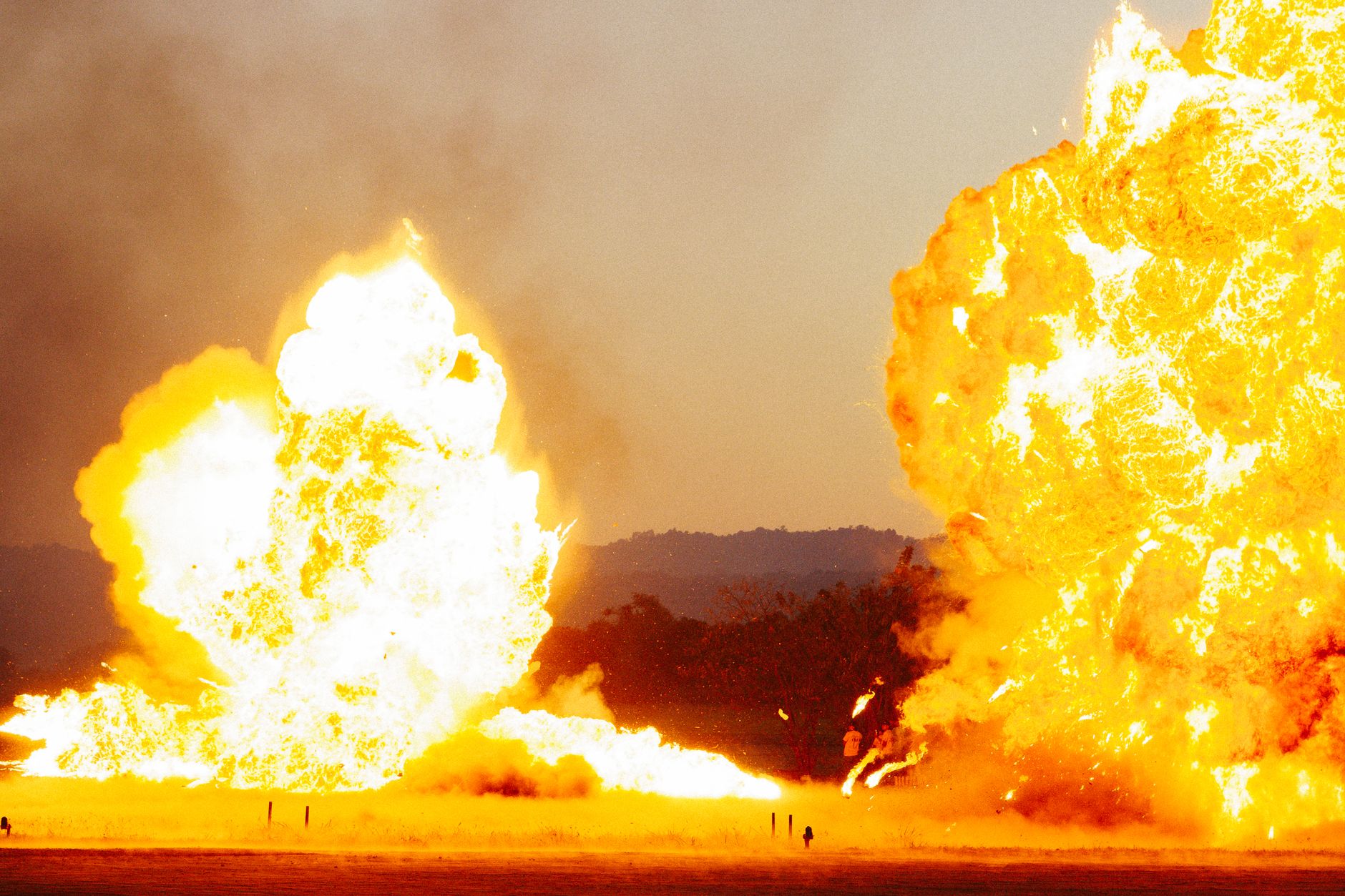
- An investigative journalist, renowned for exposing organized crime, was targeted by a bomb attack outside their residence, narrowly escaping serious injury.
- The attack followed a series of explicit death threats the journalist had received from a powerful mafia syndicate, which they had been actively investigating.
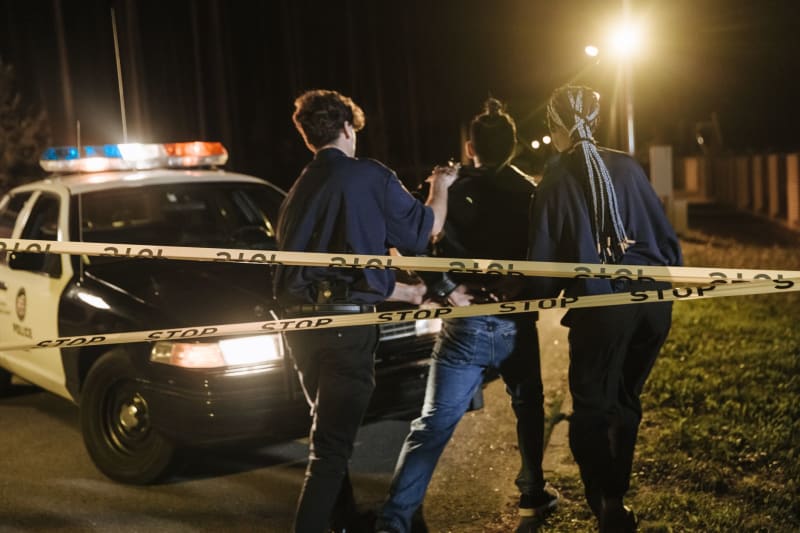
- Law enforcement swiftly launched a comprehensive investigation, leading to the apprehension of multiple suspects believed to be directly involved in orchestrating and executing the bombing.
- This incident has ignited widespread condemnation from international press freedom organizations and government officials, highlighting the perilous environment for journalists globally.
- Authorities are now probing deeper into the connections between the arrested individuals and the specific mafia organization the journalist was investigating, aiming to dismantle the network.
- The case underscores a critical concern regarding the safety of journalists and the urgent necessity for robust protective measures to safeguard those who bravely report on dangerous criminal enterprises.
The Human Face
The bomb attack was not merely an act of violence; it was a chilling message, a direct assault on the very foundation of free press. The targeted journalist, a dedicated professional with a relentless pursuit of truth, had spent years meticulously uncovering the intricate web of organized crime. Their work, often conducted under immense personal risk, had brought to light corruption and illicit activities that powerful criminal syndicates preferred to keep hidden. This incident serves as a stark reminder of the extraordinary courage exhibited by journalists who stand on the front lines, risking their lives to inform the public and hold power accountable, often with little protection against such insidious threats.
The psychological toll of such an attack extends far beyond physical injuries. Living under constant threat, knowing that powerful, ruthless organizations seek to silence you, creates an unbearable burden. The journalist in question had already endured months of explicit death threats, each one a grim reminder of the dangers inherent in their profession. This bombing, however, escalated the situation dramatically, transforming abstract threats into a terrifying reality. It forces not only the journalist but also their family and colleagues to confront the profound vulnerability that comes with challenging entrenched criminal power structures, underscoring the urgent need for comprehensive support systems.
This incident resonates deeply within the journalistic community, sending ripples of fear and defiance. It’s a stark illustration of the human cost of investigative reporting, particularly when confronting entities as ruthless as the mafia. Every journalist who dares to expose corruption now looks over their shoulder, contemplating the potential consequences. Yet, amidst the fear, there is also a renewed resolve to continue the vital work of uncovering truth, recognizing that to be silenced is to allow darkness to prevail. The human face of this story is one of unwavering dedication, profound vulnerability, and the enduring struggle for journalistic integrity against overwhelming odds.
How We Got Here
The path to this brazen attack is paved with a history of escalating threats against the journalist, directly linked to their groundbreaking investigations into a notorious mafia syndicate. For over a year, the journalist had been meticulously documenting the syndicate's illicit operations, including drug trafficking, extortion, and political corruption. Their reports, published in a prominent national newspaper, had not only garnered significant public attention but also led to preliminary police inquiries, directly impacting the syndicate's financial and operational capabilities. This sustained journalistic pressure created a volatile environment, making the journalist a prime target for retaliation from an organization accustomed to operating with impunity.
Initial threats began subtly, with anonymous phone calls and veiled warnings delivered through intermediaries. However, as the journalist's investigations deepened and their reports became more incisive, the threats grew increasingly explicit and menacing. Death threats were delivered via encrypted messages, social media, and even through physical notes left at the journalist's office. These threats were reported to local law enforcement, but despite the clear danger, the level of protection provided was evidently insufficient to deter a determined criminal organization. This lack of robust, proactive security measures created a dangerous vacuum that the perpetrators exploited, culminating in the recent bombing.
The specific mafia syndicate in question has a long and brutal history of silencing critics and maintaining its power through intimidation and violence. Their modus operandi often involves targeting individuals who pose a direct threat to their operations or public image. The journalist's persistent reporting, which challenged the syndicate's perceived invincibility and exposed its inner workings, was an intolerable affront. The decision to use a bomb, a highly visible and destructive act, was likely calculated to send a powerful message not only to the journalist but to any other potential whistleblowers or reporters considering similar investigations, aiming to instill widespread fear and reassert their dominance through terror.
Why This Cannot Be Ignored
This bomb attack on an investigative journalist is far more than an isolated incident; it represents a direct assault on the fundamental principles of democracy and press freedom. When journalists are targeted for simply doing their job – exposing corruption and holding power accountable – the very fabric of an informed society begins to unravel. Such acts of violence create a chilling effect, intimidating other reporters and potentially stifling critical investigations into organized crime, governmental malfeasance, and human rights abuses. If the press cannot operate without fear of lethal retaliation, then the public's right to know is severely compromised, leaving citizens vulnerable to unchecked power and corruption.
The impunity with which organized crime groups, like the mafia syndicate implicated here, operate poses a grave threat to national security and public order. Allowing such groups to silence critics through violence emboldens them, reinforcing their belief that they can act above the law. This incident highlights the urgent need for governments and law enforcement agencies to prioritize the protection of journalists and to vigorously prosecute those who threaten or harm them. A failure to do so sends a dangerous message: that criminal elements can effectively dictate what information reaches the public, thereby undermining the rule of law and eroding public trust in institutions designed to protect them.
Beyond the immediate implications for press freedom, this attack underscores the global rise in violence against journalists, particularly those investigating sensitive topics. It serves as a stark reminder that the fight for truth often comes at an immense personal cost. International bodies, human rights organizations, and democratic nations must unite to condemn such acts unequivocally and implement concrete measures to safeguard journalists worldwide. This includes strengthening legal frameworks, providing adequate security, and ensuring swift justice for perpetrators. Ignoring this escalating trend would not only betray the courage of journalists but also pave the way for a world where transparency and accountability are systematically suppressed.
Possible Paths Forward
To effectively counter the escalating threats against journalists, particularly from organized crime, a multi-faceted approach is urgently required. Firstly, governments must enact and rigorously enforce stronger laws specifically designed to protect journalists, ensuring that threats and attacks are met with swift, decisive legal action and severe penalties. This includes establishing specialized police units dedicated to investigating crimes against the press, equipped with the resources and expertise to tackle complex cases involving powerful criminal syndicates. Furthermore, judicial systems must be fortified to prevent corruption and intimidation from undermining prosecutions, ensuring that justice is not only served but seen to be served, thereby sending a clear message that such violence will not be tolerated under any circumstances.
Secondly, a robust, proactive security framework for at-risk journalists needs to be implemented. This goes beyond reactive measures and includes comprehensive risk assessments, personalized security protocols, and, where necessary, physical protection details. Funding should be allocated to support independent organizations that provide security training, digital safety tools, and safe houses for journalists facing extreme threats. Additionally, there must be a concerted effort to foster greater collaboration between law enforcement, intelligence agencies, and journalistic organizations to share threat intelligence and coordinate protective measures. This collaborative ecosystem is crucial for anticipating and mitigating risks before they escalate into violent attacks, ensuring journalists can continue their vital work with a greater degree of safety.
Finally, international cooperation is paramount. Attacks on journalists often have transnational dimensions, especially when organized crime is involved. Global bodies like the UN and regional organizations must play a more active role in monitoring press freedom violations, advocating for stronger protections, and facilitating cross-border investigations. Sanctions against individuals or entities found responsible for targeting journalists could also serve as a powerful deterrent. Moreover, there is a critical need to support independent media and investigative journalism through funding and capacity building, ensuring that even in the face of grave danger, the pursuit of truth remains resilient and well-resourced. These combined efforts represent a viable path forward to safeguard press freedom and protect those who bravely uphold it.

Questions People Are Actually Asking
What to Watch
- The ongoing judicial proceedings against the arrested suspects will be critical, as they could reveal deeper connections within the mafia syndicate and expose the full chain of command responsible for the bombing.
- Any new legislative proposals or policy changes aimed at enhancing journalist protection and combating organized crime will be closely monitored, particularly regarding their scope and enforcement mechanisms.
- The response from international press freedom organizations and human rights groups will be important, as their advocacy can exert pressure on authorities to ensure justice and implement robust safeguards.
- The safety and security measures put in place for the targeted journalist and other at-risk reporters will be under scrutiny, to ensure they are comprehensive and effective in preventing future attacks.
- Public reactions and demonstrations in support of press freedom and against organized crime will indicate the level of societal concern and could influence political will for stronger action.
- Any further investigations or arrests related to the mafia syndicate's broader activities, potentially sparked by intelligence gathered during this case, will be a key indicator of the long-term impact of this incident.






Comments
No comments yet. Be the first to comment!