
Key Takeaways
- The catastrophic earthquake in Venezuela has resulted in a grim death toll exceeding 1,400 individuals, with reports indicating the number is still climbing as search and rescue operations continue.
- Widespread destruction has left thousands homeless and critically injured, overwhelming local medical facilities and emergency response capabilities across multiple affected regions.
- International aid organizations are mobilizing, but the scale of the disaster and logistical challenges threaten to impede the timely delivery of essential supplies and medical assistance.
- The seismic event has exacerbated Venezuela's existing socio-economic vulnerabilities, posing significant challenges for recovery and reconstruction efforts in the coming months and years.
- Survivors face immediate threats from lack of shelter, clean water, and sanitation, alongside the psychological trauma of losing loved ones and their homes in the sudden devastation.
- The long-term economic impact on Venezuela, already struggling, is expected to be substantial, requiring extensive international cooperation and investment for rebuilding infrastructure and communities.
Background
Venezuela, a nation grappling with profound economic and political instability, has been struck by a devastating series of earthquakes that have inflicted immense human suffering and widespread physical destruction. The seismic activity, originating in a geologically active region, has sent shockwaves across the country, toppling buildings, collapsing infrastructure, and tragically claiming thousands of lives. The immediate aftermath has been characterized by chaos, with emergency services struggling to cope with the sheer scale of the disaster. Survivors are left to contend with the immediate aftermath, searching for loved ones amidst the rubble and facing the daunting prospect of rebuilding their lives from scratch.
The geological context of Venezuela places it within a zone susceptible to seismic events, a fact often overshadowed by the nation's persistent socio-economic challenges. The recent tremors, however, have brought this latent risk into sharp, tragic focus. The epicenter of the most powerful quake was located in a densely populated area, amplifying the potential for casualties and damage. Reports from the ground paint a grim picture of collapsed residential buildings, damaged hospitals, and severed communication lines, severely hampering rescue efforts and the dissemination of critical information. The resilience of the Venezuelan people is being tested as never before.
This natural disaster strikes at a particularly vulnerable moment for Venezuela, a country already reeling from years of economic downturn, hyperinflation, and political turmoil. The existing strain on public services, including healthcare and infrastructure, means that the capacity to respond effectively to such a catastrophic event is severely limited. International observers have expressed deep concern over the potential for a protracted humanitarian crisis, emphasizing the urgent need for coordinated relief efforts and sustained support to mitigate the long-term consequences of this devastating earthquake.
Why It Matters
The catastrophic loss of life and the widespread destruction caused by the Venezuelan earthquakes represent a profound human tragedy that demands immediate global attention and support. Beyond the immediate casualty count, the disaster has displaced thousands, leaving them without shelter, food, or basic necessities. This creates an urgent humanitarian crisis that requires a coordinated international response to provide life-saving aid, medical care, and essential resources. The scale of the devastation risks overwhelming already strained local capacities, underscoring the critical need for external assistance to prevent further suffering and loss.
This seismic event exacerbates Venezuela's pre-existing vulnerabilities, deepening the humanitarian crisis and complicating recovery efforts. The nation's fragile economy and strained infrastructure are ill-equipped to handle the immense costs of reconstruction and long-term rebuilding. The disaster highlights the interconnectedness of global challenges, as instability and suffering in one region can have far-reaching implications. International solidarity and sustained aid are not merely acts of charity but essential components of regional stability and global humanitarian responsibility.
The earthquakes serve as a stark reminder of the persistent threat posed by natural disasters, particularly in regions already facing significant socio-economic challenges. Effective disaster preparedness, response mechanisms, and international cooperation are crucial for mitigating the impact of such events. This tragedy underscores the importance of investing in resilient infrastructure, early warning systems, and robust emergency response frameworks. Ignoring the plight of Venezuela in the wake of this disaster would be a failure of global empathy and a missed opportunity to demonstrate collective action in the face of immense adversity.
Ground Reality
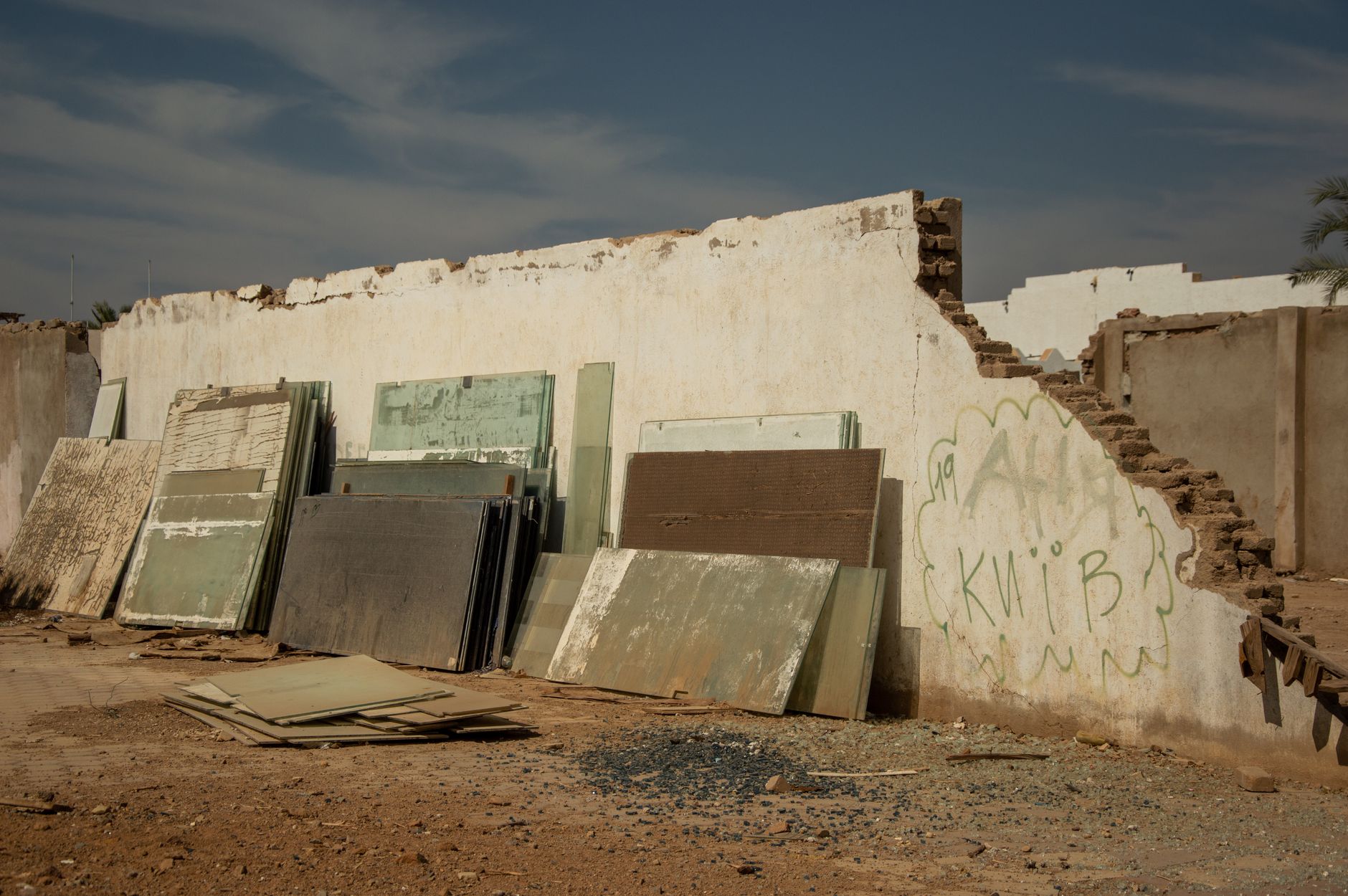
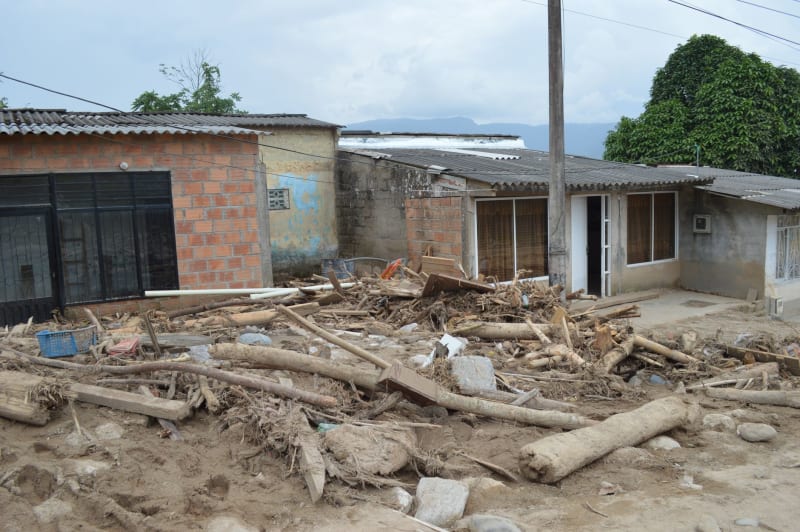
Survivors in the earthquake-stricken regions of Venezuela are facing a desperate reality characterized by widespread destruction and a severe lack of essential resources. Collapsed buildings have reduced homes to rubble, leaving thousands exposed to the elements and without any form of shelter. Access to clean drinking water is severely limited, raising immediate concerns about waterborne diseases. The already fragile healthcare system is completely overwhelmed, with hospitals damaged or destroyed and medical personnel struggling to cope with the influx of critically injured patients. The air is thick with dust and the cries of those searching for missing loved ones, painting a grim picture of ongoing suffering.
The immediate aftermath of the earthquakes has plunged many communities into a state of disarray, with communication lines severed and transportation routes severely disrupted. This isolation makes it incredibly difficult for emergency services to reach affected areas and for survivors to access much-needed aid. Looting and desperation have begun to surface in some areas as resources dwindle and hope fades. The psychological toll on the population is immense, with widespread trauma, grief, and fear dominating the emotional landscape. Many are forced to sleep in makeshift camps, constantly exposed to the harsh environment and the lingering threat of aftershocks.
The sheer scale of the devastation has overwhelmed the capacity of local authorities and the few international aid groups present. The delivery of food, medicine, and temporary shelter is proving to be a monumental logistical challenge. Reports from the ground indicate that many injured individuals are not receiving adequate medical attention due to a critical shortage of supplies and personnel. The long-term implications are deeply concerning, as the destruction of homes, businesses, and public infrastructure will require a sustained and substantial rebuilding effort, a task made exponentially harder by the country's existing economic crisis.
What Experts Are Saying
Geologists are emphasizing that while the recent earthquakes were devastating, Venezuela lies in a seismically active zone, and the potential for future significant seismic events remains a constant concern. They highlight that building codes, where they exist and are enforced, must be rigorously updated and adhered to, particularly in urban centers and areas with older construction. The interaction between geological vulnerability and the quality of infrastructure is a critical factor determining the impact of such natural disasters. Experts stress the need for continuous seismic monitoring and public education on earthquake preparedness to mitigate future risks.
Humanitarian aid experts are expressing grave concerns about the logistical challenges in delivering effective relief to Venezuela, given the country's ongoing political and economic instability. They point out that pre-existing infrastructure weaknesses, including transportation networks and communication systems, are severely hampered by the earthquake damage. International organizations are calling for unhindered access and a coordinated approach to ensure that aid reaches those most in need without political interference. The long-term recovery will require not just immediate relief but also sustained development assistance to rebuild communities and restore livelihoods.
Economists specializing in disaster recovery are warning that the financial burden of rebuilding Venezuela's devastated regions will be astronomical, especially considering the nation's current economic predicament. They anticipate a significant impact on GDP, a potential increase in unemployment, and a deepening of poverty if robust international financial support and effective reconstruction strategies are not implemented promptly. The rebuilding process will necessitate substantial foreign investment and a stable economic environment, which are currently lacking, posing a formidable obstacle to recovery.
Frequently Asked Questions
What Happens Next
In the immediate aftermath, the focus will remain on intensive search and rescue operations, prioritizing the recovery of survivors from collapsed structures. Concurrently, efforts will shift towards providing essential humanitarian aid, including medical care for the injured, temporary shelter for the displaced, and access to clean water and food. International aid organizations are expected to scale up their presence, coordinating with local authorities to distribute resources effectively and address the most pressing needs of the affected population. The threat of aftershocks will continue to pose a risk, necessitating ongoing safety assessments and public advisories.
As the immediate crisis response stabilizes, the focus will gradually transition towards the immense task of reconstruction and recovery. This will involve assessing the full extent of damage to infrastructure, housing, and public services, and developing long-term plans for rebuilding. Significant international financial and technical assistance will be crucial for this phase, given Venezuela's current economic constraints. Efforts will also need to address the psychological trauma experienced by survivors and the broader community, requiring sustained support services.
Looking further ahead, Venezuela faces a protracted period of recovery that will test its resilience and require sustained global engagement. Rebuilding efforts must not only restore what was lost but also aim to create more resilient communities, incorporating improved building codes and disaster preparedness measures. The economic implications of the disaster will reverberate for years, potentially impacting development goals and requiring careful economic management. The international community's continued support, beyond immediate relief, will be vital for Venezuela's long-term stability and recovery.












Comments
No comments yet. Be the first to comment!