
Policy Snapshot
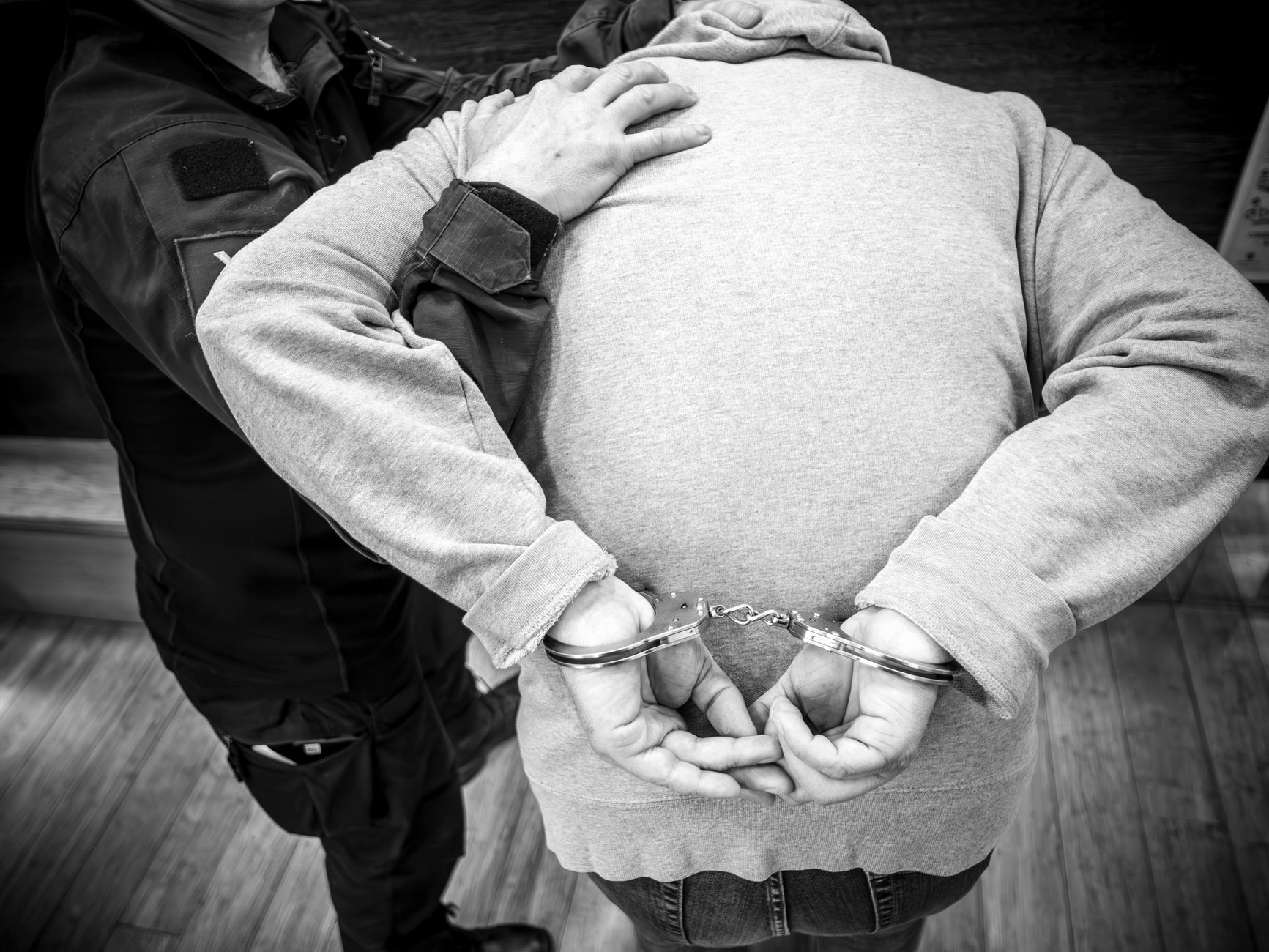
- Toronto Police Service (TPS) has confirmed the arrest of two individuals in connection with the shooting incident at the US Consulate, marking a significant breakthrough in the investigation.
- The incident, which occurred recently, prompted an immediate and robust response from local law enforcement, highlighting the critical importance of diplomatic security protocols.
- Investigations are actively underway to determine the motive behind the shooting and whether the consulate itself was the intended target, or if the act was random.
- Law enforcement agencies are collaborating to gather evidence, interview witnesses, and piece together the sequence of events that led to the discharge of a firearm near a sensitive diplomatic facility.
- The arrests underscore the swift and decisive action taken by Canadian authorities to address threats to international diplomatic missions and ensure public safety within the city.
- Further details regarding the identities of the arrested individuals and the specific charges they face are expected to be released as the investigation progresses and becomes more concrete.
The Policy History
The security of diplomatic missions, such as the US Consulate in Toronto, is a paramount concern for host nations, governed by a complex web of international and domestic laws. The Vienna Convention on Consular Relations, for instance, mandates that receiving states must take all appropriate steps to protect consular premises from any intrusion or damage and to prevent any disturbance of the peace of the consular post or impairment of its dignity. This legal framework forms the bedrock of security policies implemented by Canadian authorities, including the Toronto Police Service, when safeguarding foreign diplomatic entities within their jurisdiction. The recent shooting incident unequivocally triggers these established protocols, necessitating a comprehensive and immediate response to uphold international obligations and maintain diplomatic relations.
Historically, Canada has maintained a strong record of ensuring the safety and security of diplomatic personnel and facilities. Incidents targeting foreign missions are rare, and when they do occur, they are met with a vigorous law enforcement response. This commitment is not merely a matter of international law but also a reflection of Canada's broader foreign policy objectives, which prioritize peaceful international relations and the protection of diplomatic channels. The current investigation into the US Consulate shooting is a testament to this enduring policy, demonstrating the unwavering resolve of Canadian authorities to identify, apprehend, and prosecute those who threaten diplomatic security, thereby preserving the integrity of international relations.
The operational policies of the Toronto Police Service include specialized units and protocols designed to respond to incidents involving critical infrastructure and diplomatic sites. These protocols involve immediate deployment of tactical teams, forensic investigations, and close coordination with federal security agencies like the Royal Canadian Mounted Police (RCMP) and intelligence services. The swift arrests in this case highlight the effectiveness of these established policies and the seamless inter-agency cooperation that comes into play during such high-stakes situations. The ongoing investigation will undoubtedly review and potentially refine these protocols to adapt to emerging threats and ensure continued vigilance against any acts that could compromise diplomatic security or public safety.
Who Is Affected
The primary individuals directly affected by this incident are the staff and visitors of the US Consulate in Toronto. Such events can cause significant psychological distress, leading to heightened anxiety and a feeling of vulnerability. Diplomatic personnel, who often operate under specific security advisories, may experience increased stress, impacting their daily operations and personal sense of safety. The incident also casts a shadow over the broader American community in Toronto, prompting concerns about their security and the overall stability of their diplomatic representation. The immediate aftermath often involves enhanced security measures, which, while necessary, can also create an atmosphere of unease and disruption for those working within or visiting the consulate.
Beyond the immediate consulate community, the incident has broader implications for the residents of Toronto and the perception of safety within the city. While Toronto is generally considered a safe metropolitan area, any act of violence, especially one targeting a diplomatic mission, can erode public confidence and raise questions about urban security. Local businesses and residents in the vicinity of the consulate may experience temporary disruptions due to police investigations and increased security perimeters. The incident also serves as a stark reminder to the general public about the potential for unexpected security threats, prompting a collective re-evaluation of safety protocols in public spaces.
Furthermore, the diplomatic relationship between Canada and the United States is indirectly affected. While both nations share strong ties and a mutual commitment to security, any incident involving a diplomatic mission requires careful handling to avoid misunderstandings or heightened tensions. The Canadian government is obligated to demonstrate its capacity to protect foreign missions, and the swift arrests are crucial in reassuring the US government of this commitment. This incident, while isolated, underscores the continuous need for robust security cooperation and intelligence sharing between the two countries to mitigate future risks and maintain the integrity of their bilateral relationship.
The Case For
The swift and decisive action by Toronto Police in apprehending two suspects in connection with the US Consulate shooting incident is a powerful affirmation of the effectiveness of robust law enforcement and intelligence gathering. This rapid response demonstrates the critical importance of maintaining well-funded and highly trained police forces capable of responding to complex security threats. Such quick arrests not only bring perpetrators to justice but also send a clear message that acts of violence, especially those targeting diplomatic facilities, will not be tolerated. This proactive approach is essential for deterring future incidents and upholding the rule of law, reinforcing public trust in the ability of authorities to protect citizens and international interests.
The successful identification and arrest of suspects within a short timeframe also highlights the benefits of inter-agency cooperation and advanced investigative techniques. Modern policing relies heavily on collaboration between local, provincial, and federal agencies, as well as the utilization of forensic science, surveillance technology, and community intelligence. This incident serves as a prime example of how these integrated strategies can lead to rapid breakthroughs in high-profile cases. The ability to quickly piece together evidence and track down suspects is vital for preventing potential escalation of threats and ensuring that justice is served promptly, thereby mitigating public anxiety and restoring a sense of normalcy.
Moreover, the arrests contribute significantly to maintaining Canada's international reputation as a safe and secure country for diplomatic missions. Adhering to international conventions on diplomatic protection is paramount, and demonstrating the capacity to effectively respond to and resolve security breaches at foreign consulates is crucial for fostering strong international relations. This swift resolution reassures diplomatic communities worldwide that Canada takes its obligations seriously, ensuring that foreign representatives can operate without undue fear or intimidation. It reinforces the confidence of international partners in Canada's commitment to global stability and the protection of diplomatic immunity, which is fundamental to international cooperation.
The Case Against
While arrests have been made, the very occurrence of a shooting incident at a diplomatic mission raises serious questions about existing security vulnerabilities and the adequacy of preventative measures. Despite robust protocols, the fact that such an event could transpire suggests potential gaps in intelligence, surveillance, or physical security around sensitive sites. Critics might argue that the focus on post-incident response, while commendable for its swiftness, should not overshadow the need for a more impenetrable preventative framework. The incident itself, regardless of the arrests, points to a failure in preventing the initial act, which could have had far more severe consequences had the circumstances been different. This necessitates a critical re-evaluation of current security postures.
Another concern arises regarding the potential for over-policing or the erosion of civil liberties in the name of enhanced security. In the aftermath of high-profile incidents, there is often a push for more surveillance, broader police powers, and increased security checkpoints. While these measures might seem necessary, they can inadvertently lead to a more restrictive environment for citizens and visitors, potentially impacting privacy rights and freedom of movement. It is crucial to strike a delicate balance between ensuring security and preserving fundamental freedoms, avoiding a knee-jerk reaction that could disproportionately affect innocent individuals or create an atmosphere of constant scrutiny. The long-term implications of such heightened security must be carefully considered.
Furthermore, the incident, even with arrests, could be perceived as a failure in intelligence gathering and threat assessment. If the individuals involved had prior indicators of radicalization or violent intent, questions will inevitably arise about why these signals were not detected or acted upon earlier. The effectiveness of intelligence agencies lies not just in responding to incidents but in proactively identifying and neutralizing threats before they materialize. A critical examination of intelligence failures, if any, is essential to prevent similar occurrences in the future. Without addressing these underlying issues, even swift arrests might only be treating symptoms rather than the root causes of security breaches at diplomatic facilities.

Policy Questions Answered
Implementation Watch
The immediate focus of implementation watch will be on the judicial process following the arrests. This includes monitoring the formal charging of the suspects, their bail hearings, and the subsequent court proceedings. The transparency and fairness of the Canadian legal system in handling this high-profile case will be under scrutiny, both domestically and internationally. Observers will be keen to see how quickly and effectively justice is administered, as this will send a strong signal about Canada's commitment to upholding the rule of law and protecting diplomatic interests. Any delays or perceived leniency could draw criticism and raise questions about the efficacy of the judicial response.
Beyond the courtroom, implementation watch will extend to the review and potential enhancement of security protocols around diplomatic missions in Toronto and across Canada. This involves assessing whether existing measures were sufficient or if new technologies, increased personnel, or revised operational strategies are required. Government agencies, including the Department of Global Affairs Canada, Public Safety Canada, and local police forces, will likely undertake comprehensive security audits. The implementation of any recommended changes will be critical to demonstrate a proactive approach to preventing future incidents and reassuring the international community of Canada's unwavering commitment to diplomatic security.
Finally, the long-term impact on Canada-US diplomatic relations will also be a key area of observation. While the immediate response has been swift and positive, the ongoing dialogue between the two nations regarding security cooperation, intelligence sharing, and mutual protection of diplomatic assets will be crucial. Monitoring how both governments communicate about the incident and any subsequent policy adjustments will provide insight into the strength and resilience of their bilateral relationship. The successful resolution of this case, coupled with proactive security enhancements, will be vital in ensuring that this isolated incident does not cast a lasting shadow on the otherwise robust ties between Canada and the United States.














Comments
No comments yet. Be the first to comment!